Hyper-personalized through the omnichannel
Everyone is talking about personalization—but addressing customers by their first name is no longer enough to build a lasting customer relationship. The new trend in marketing is hyper-personalization: With real-time data, companies can target customers even more precisely than before.


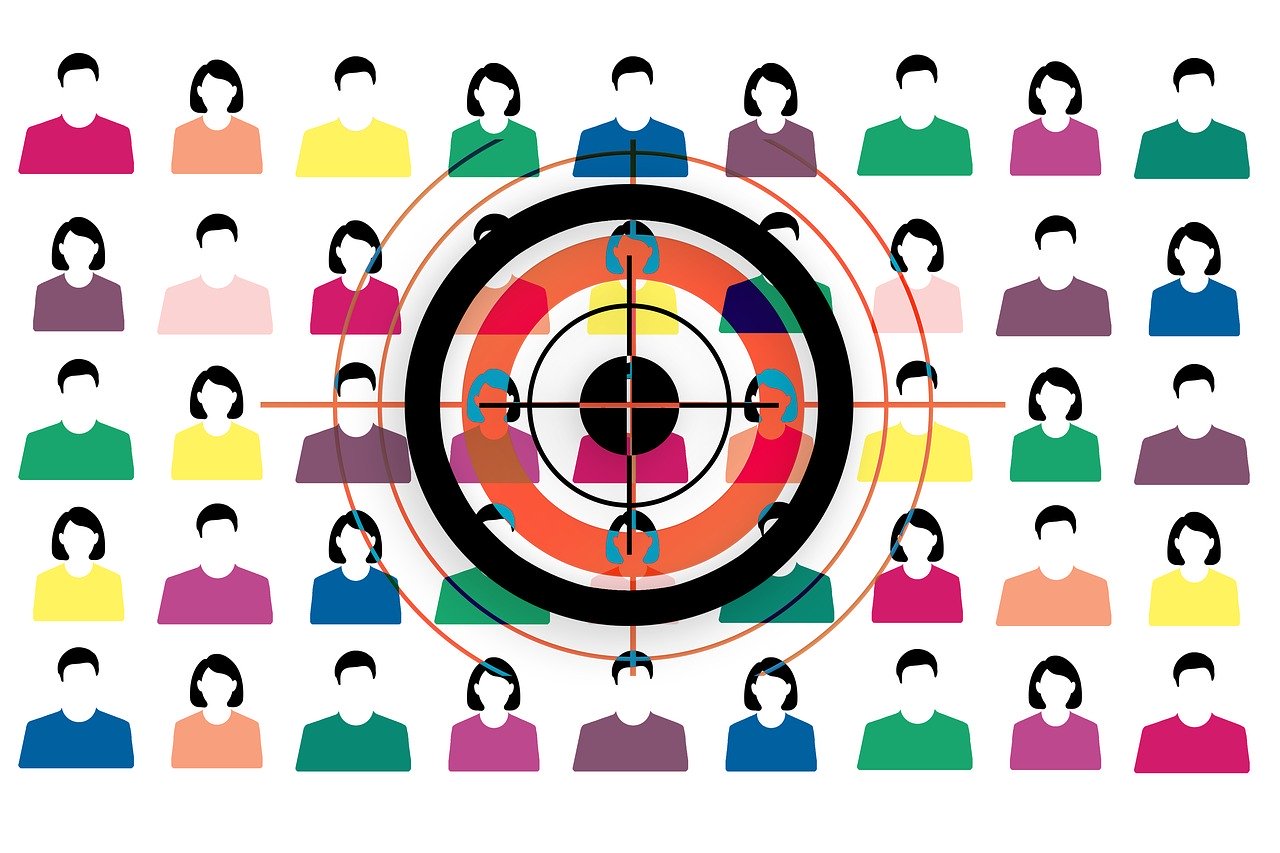
Hyperpersonalization means reaching each customer on an individual level. By analyzing the customer journey in real time, brands are able to meet their customers' wants and needs better and faster. For example, if a customer is looking for a white sneaker from a certain brand in a certain style, but it's not in stock, an e-commerce site could use customer data, such as browsing history and social media channels, to recommend comparable products.
The role of personalization has changed enormously in recent years. 66 percent of marketing decision makers indicate that personalization is a high priority for them. Even before hyperpersonalization, there were simple forms, such as addressing customers by their first name in an email or segmenting audiences into categories based on static personas.
Today, retailers are looking to leverage customer data to gain a holistic 360-degree view of each customer. They need to understand their customers' attitudes, sensibilities, and affinities and address each person individually.
The customer journey has changed tremendously
Driven by the rapid evolution of technology, many more platforms and touchpoints beyond the physical store comprise the customer journey. These include mobile devices, websites, apps and social media. For example, customers may begin their shopping experience on a retailer's website, continue browsing on their smartphone, and then complete the purchase on a laptop before picking up the item in-store. Similarly, a customer may see an item first in a store, but complete the purchase later online.
This shift in customer behavior has led retailers to move to an omnichannel customer journey, where all these different touchpoints interact and share data. Previously, retailers could only offer a multichannel experience where the different channels were isolated. This makes it harder to provide value and relevant content to customers. One retailer that has successfully made this transition is L'Oréal, for example. The company uses an omnichannel solution to optimize its 600 websites for 15 brands worldwide and offer personalized shopping experiences within those websites. This provides all customers with a consistent experience across all markets, as well as tailored product recommendations and content.
Today, the customer journey must go beyond the product and the point of sale. For example, if a customer buys a new car at a dealership and signs up for a mailing list or app, the company can then remind them when their car is due for a service or offer them discounts on de-icers or car washes. This makes the customer feel valued and likely to become more loyal to the brand.
Three pitfalls of implementing hyperpersonalization
However, if hyperpersonalization is not done correctly, it can make customers feel like their personal space is being violated or that the brand doesn't understand them. To avoid customer interactions being seen as invasive, brands need to be as transparent as possible and explain why they collect certain information and what they use it for. In addition, brands must be sensitive with the data they collect and prioritize data security.
Since the introduction of the GDPR, companies are not allowed to collect, store or use personal data without the consent of their customers. There is a risk of significant fines and loss of customer trust if the legal requirements are not met. Investigations revealed that 90 percent of consumers felt that brands had acted unlawfully with personal data. Half of those surveyed said they would consequently no longer buy from the brand in question. The misuse of customer data can seriously damage a company's reputation.
Another potential pitfall of hyperpersonalization is the lack of consistency throughout the customer journey. For example, a company may make recommendations to a customer on its website based on real-time data. However, if the customer goes to a brick-and-mortar store to try out a product and the salesperson doesn't have the context of their needs and the products they're interested in, separating that information can delay the sale and ultimately hurt the customer experience.
Hyperpersonalization should be the new standard
Pitfalls aside, hyperpersonalization allows companies to make each customer feel valued. To do this, customers are targeted with content that is customized and relevant on an individual level. However, companies also need to reach out to customers at the right time and place so they don't feel pressured.
In today's world, customers are no longer willing to put up with irrelevant offers, for example through mass marketing emails. Neither do they have to browse through numerous websites to find what they are looking for. They receive suggestions based on the insights companies gain as they navigate the site. This allows brands to engage customers and increase brand loyalty.
* Vijay Gupta is Vice President of Strategy and Industries at Sitecore and a thought leader in digital transformation. He leads the Sitecore Business Optimization team, which provides best practices for clients to shape their digital transformation journeys.