MK Live: SAS Analytics Experience 2018


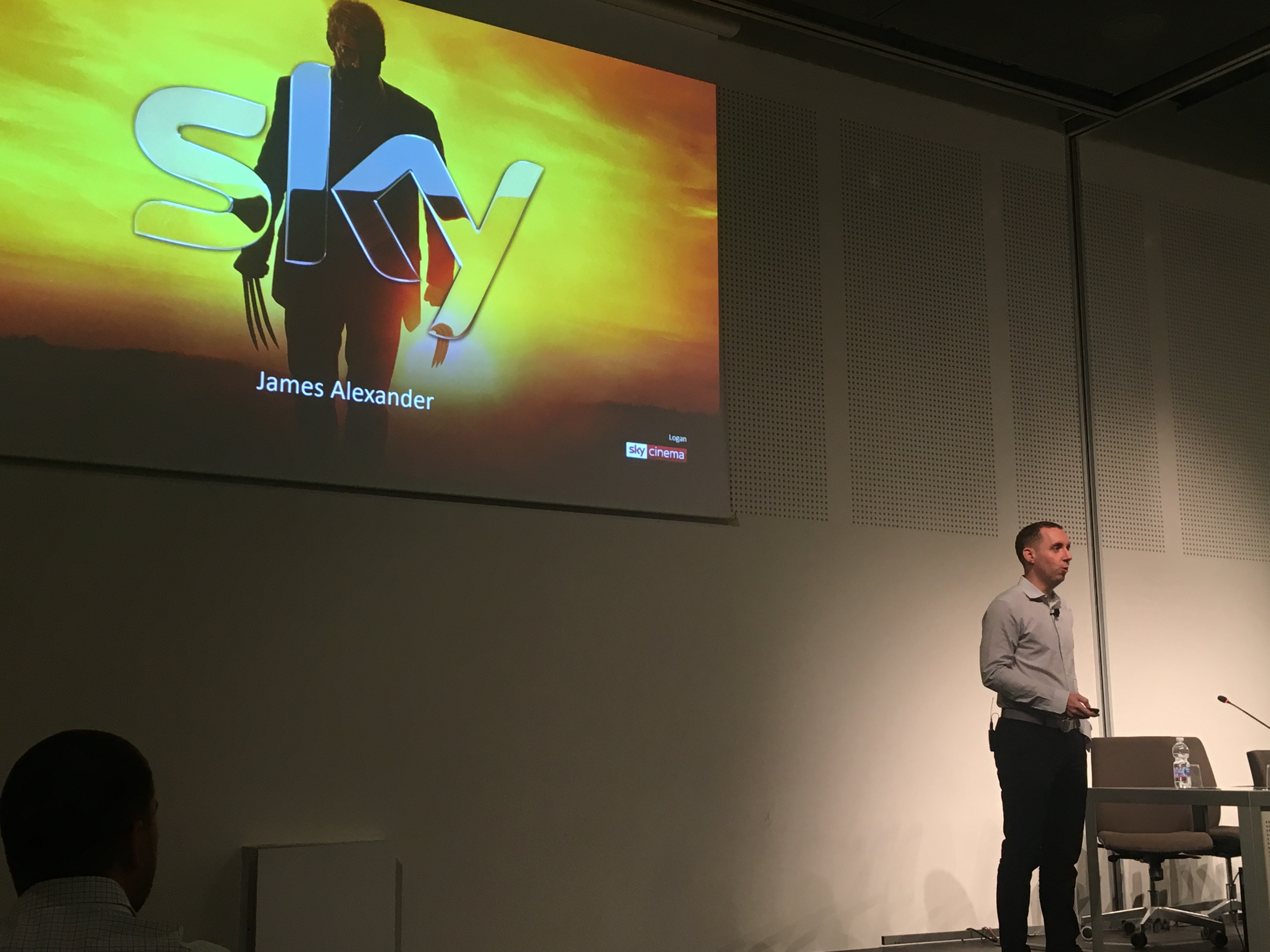
14:30 AI specialist Cristina Conti talks about how artificial intelligence can be developed further - and in such a way that it remains trustworthy. In a background discussion last night, we had the opportunity to ask Cristina Conti how AI positively influences the lives of "normal people" - and she used the example of her two-year-old daughter to explain how technology helps to structure her everyday family life more efficiently. We think it's very informative.11:15 Time for customer cases: Filippo de Vita, Head of Vodafone Analytics, Vodafone Italy and Paul Hemming, Head of Data and Analytics Strategy, RBS talk about the challenges they face in their day-to-day work and how analytics helps them to overcome them.

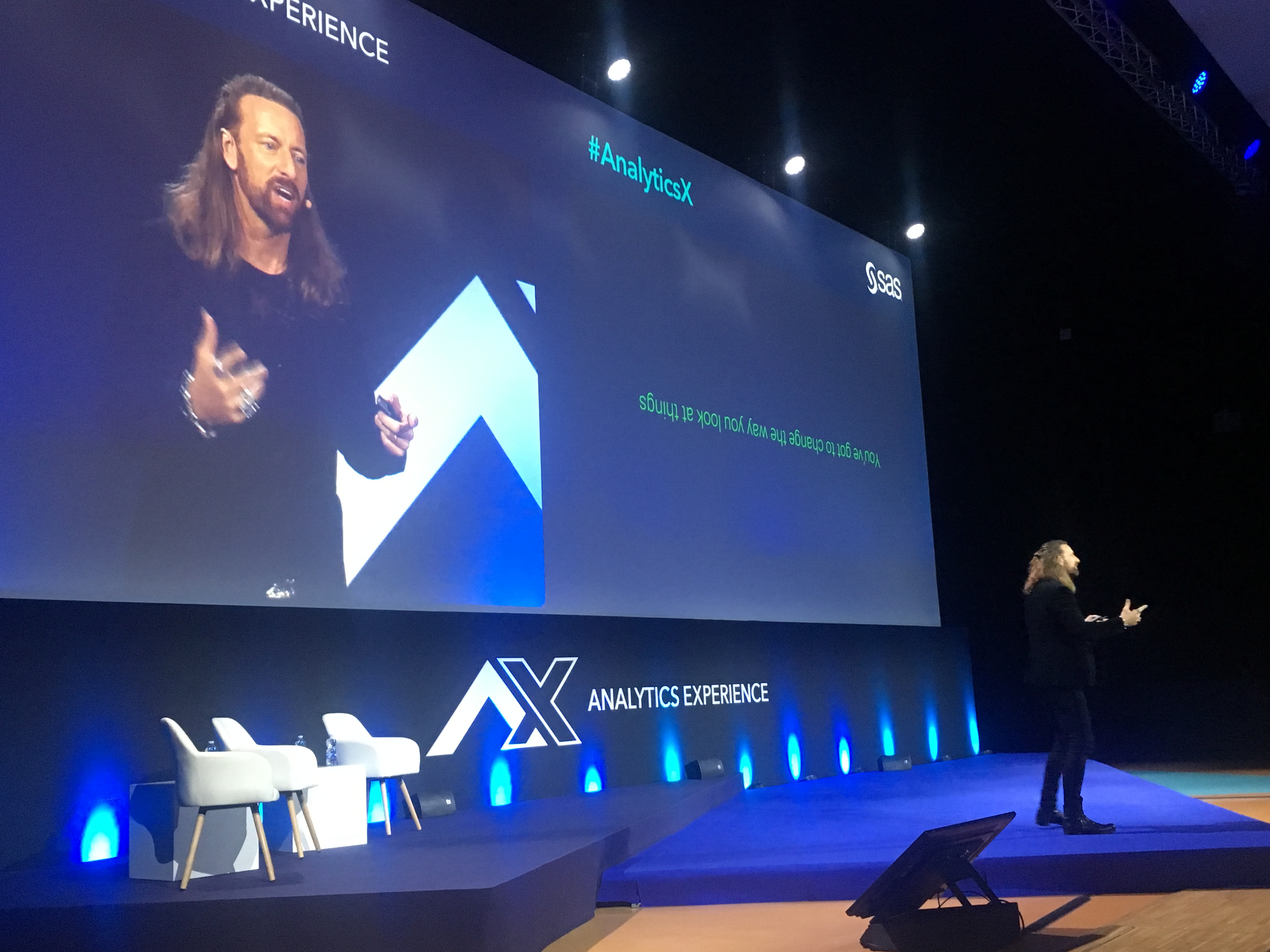
10:05 At least judging by the astonished looks on the faces of the professionals in attendance, this can best be categorized as "interesting" or "special": The "business philosopher" Anders Indset walks around the room, ranting about environmental pollution and other civilizational problems and proposing new-age philosophical solutions. It makes a change.
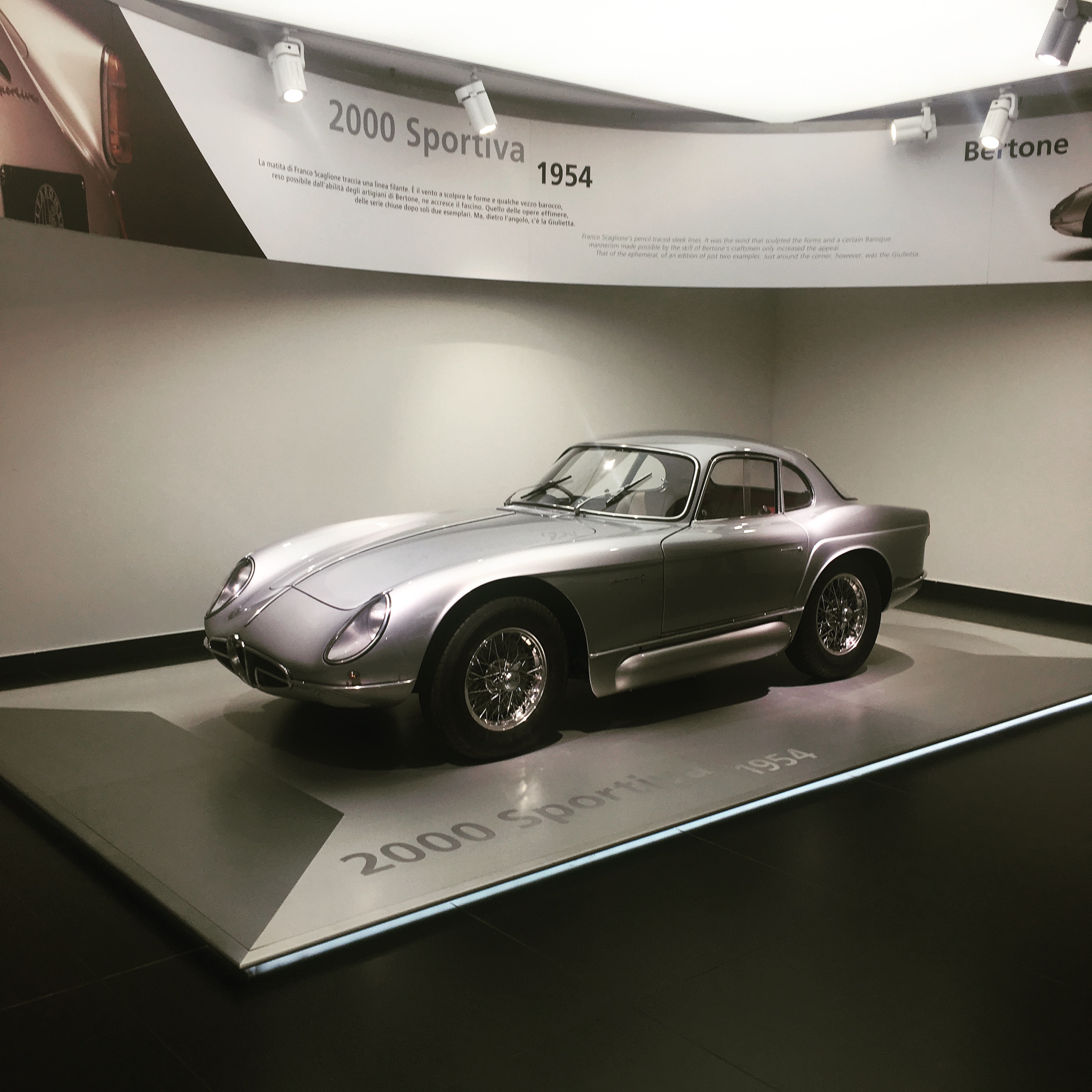
9:45 We don't want to withhold a snapshot from yesterday evening: We were given an exclusive tour of the Alfa Romeo Museum. This car (or should we say work of art?) particularly caught our eye.
Day 2, 9:30 It goes on! Today's Wednesday opens with a challenging lecture - but one that always makes the audience laugh. Under the title "Creating Customer Value by Forging Meaning", Professor Robert Verganti puts forward the theory that innovation is not at risk today because there are too few ideas - but because there are too many ideas circulating and you can't "see the wood for the trees".
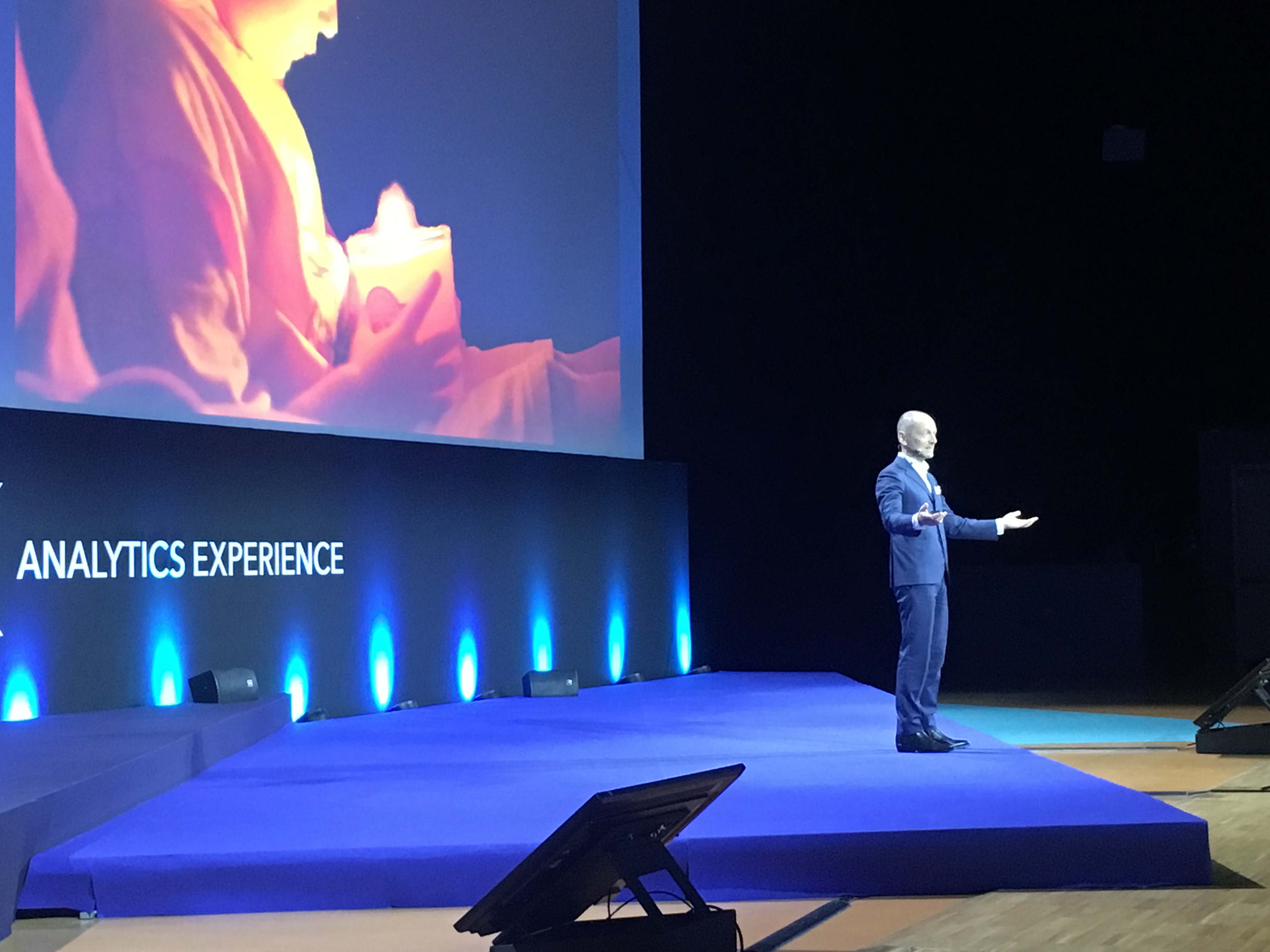
14:00 Before lunch, we had the opportunity to talk to one of this morning's speakers: Fabio Sbianchi, the CEO of Octo Telematics. The company helps insurance companies to collect and interpret various data from policyholders. Octo Telematics' technology is primarily geared towards motor vehicle insurance, where it enables an individual risk assessment adapted to driving behavior, location and general context.
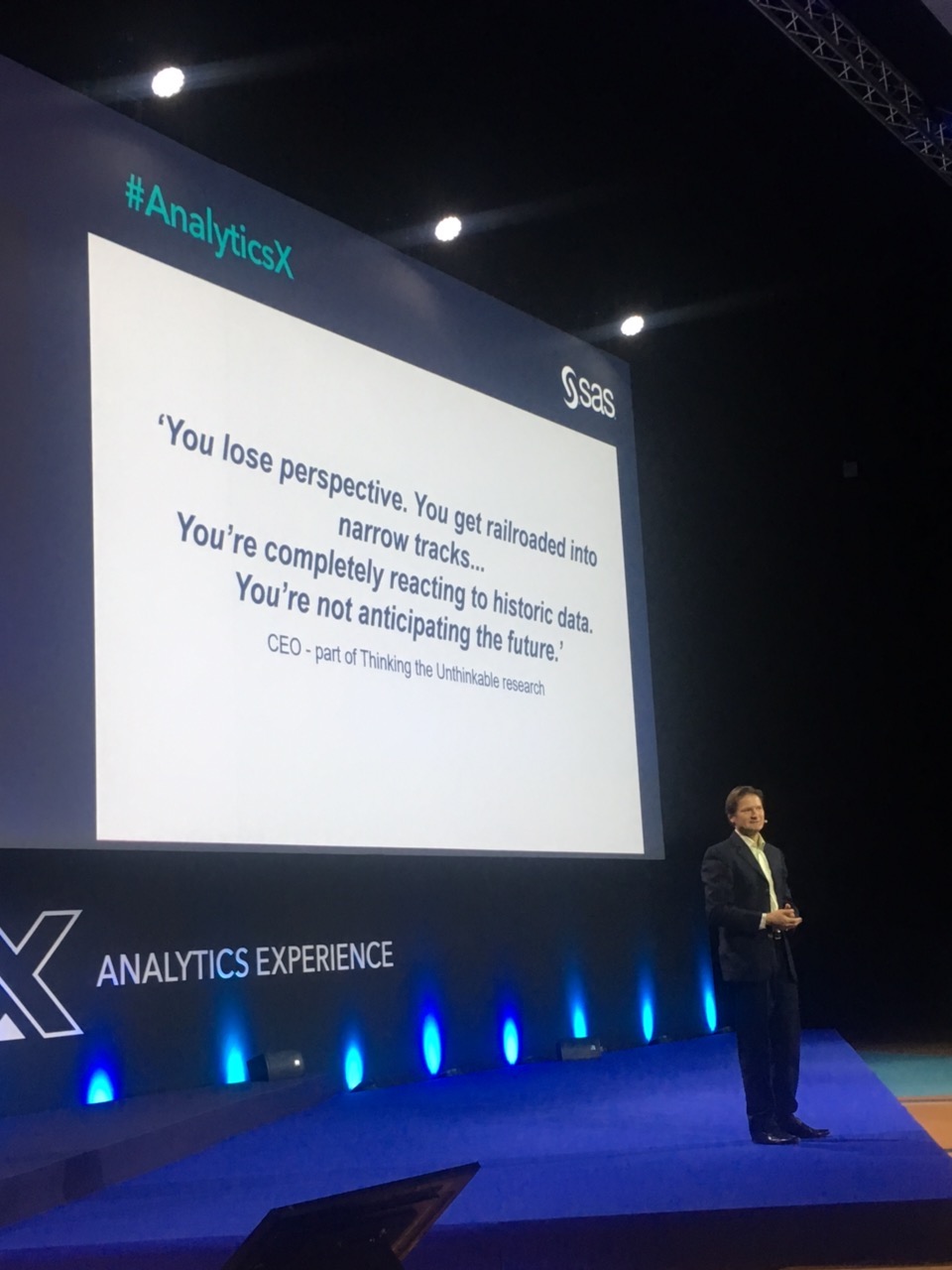
10:40 The future must not be met with the logic of the past - this is the bottom line of Giles Hutchins, a pioneer in the structures of large organizations. He believes that it is harmful for companies to communicate static leadership structures in today's world, as the actual processes in companies are not top-down, but rather circular. The organization of the future must be understood as a living organism in which individual stakeholders are allowed to make autonomous decisions, in a nutshell: "Strict and unresponsive hierarchies undermine the success of a company - and the organizational sense of purpose. Allow the system to come alive."
10:10 This is exciting: Fabio Sbianchi, CEO of Octo Telematics, is currently talking about how AI algorithms can help insurance companies to assess their customers. Let's take the example of car insurance: currently, says Sbianchi, insurance companies usually know the name, age and license plate number of a vehicle owner. Thanks to new technology, tracking apps, etc., the insurance company can really understand its customers - understand their behavior. Safe and responsible drivers could then be offered discounts, while high-risk customers could be helped to improve their behavior - we already know something similar from the fitness apps of various Swiss health insurers - so there is a lot going on in this area.
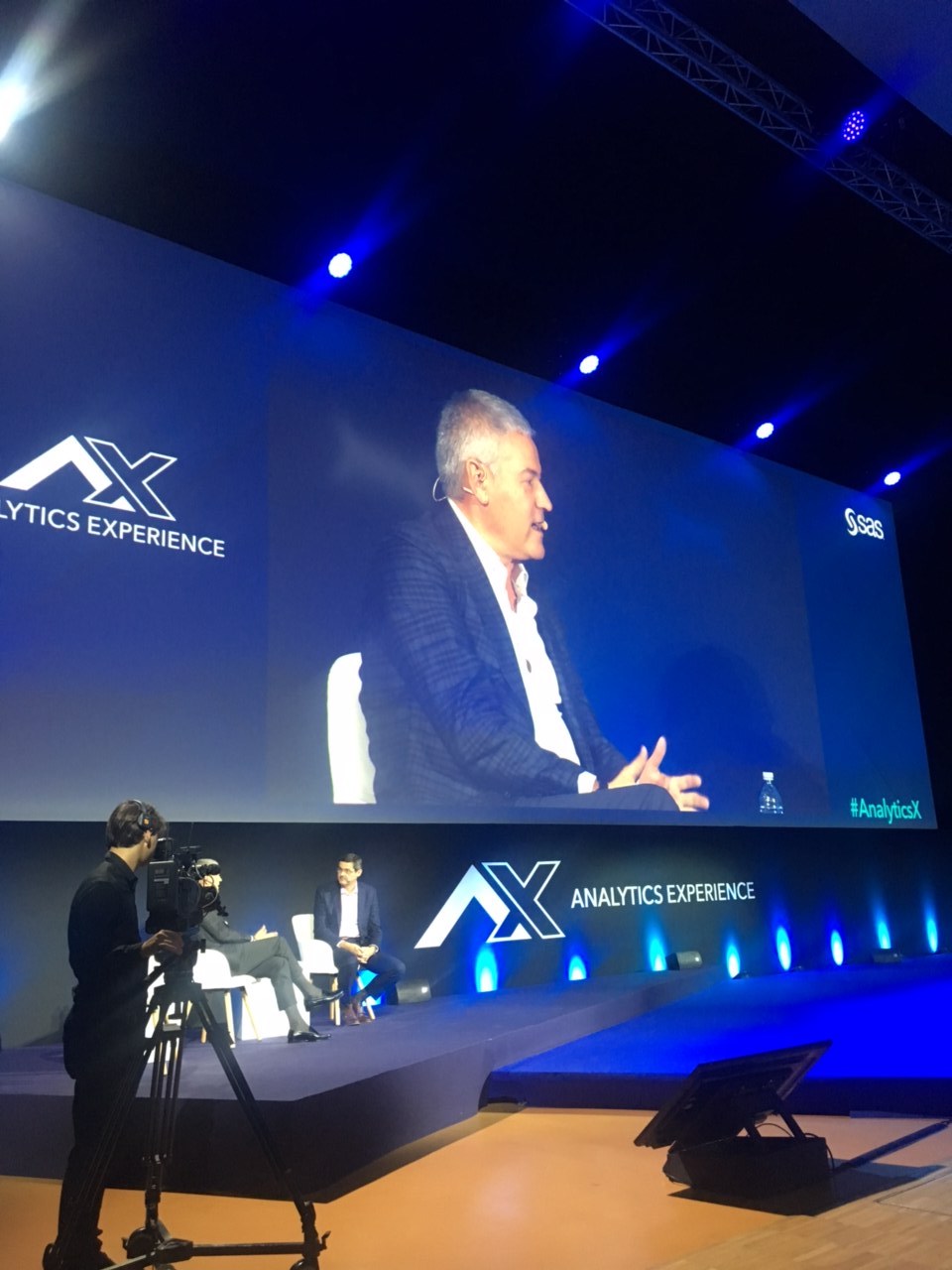
9:50 If you would like to be even closer, there is a livestream of the entire event here: To the Analytics Experience livestream.
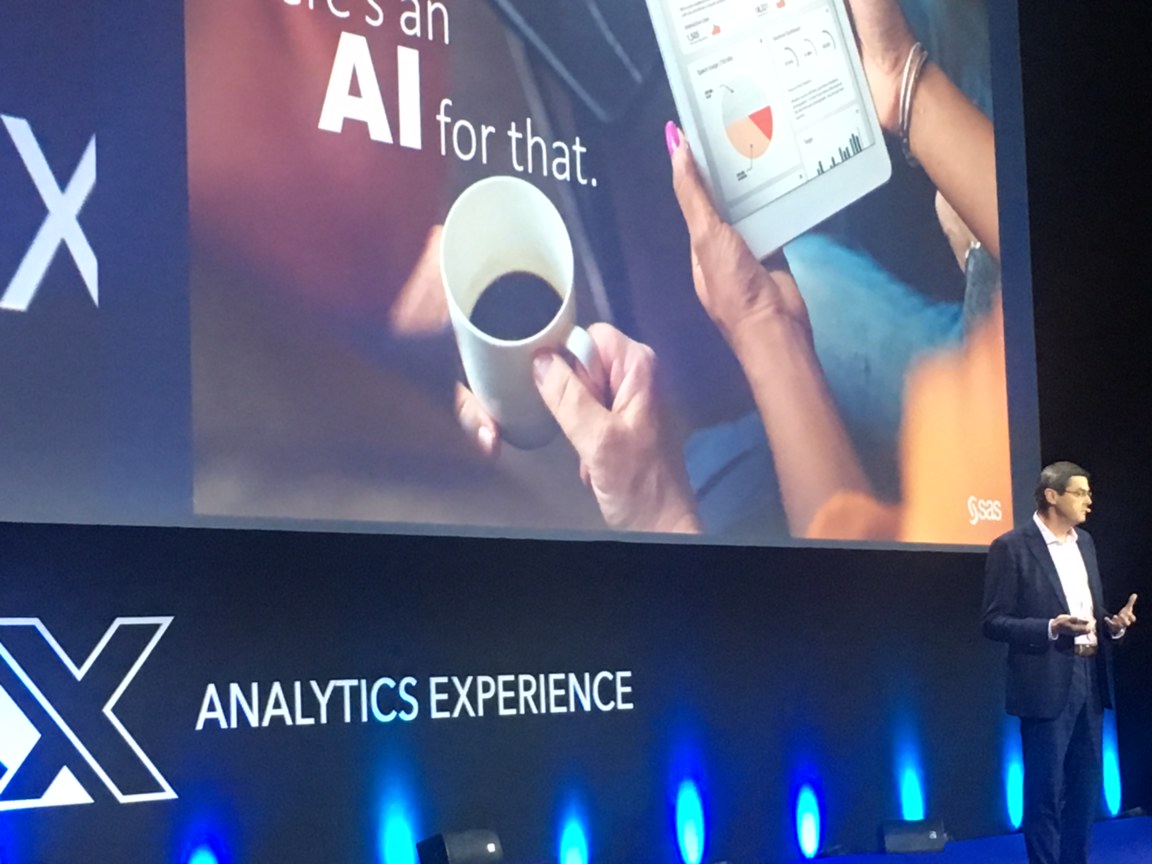
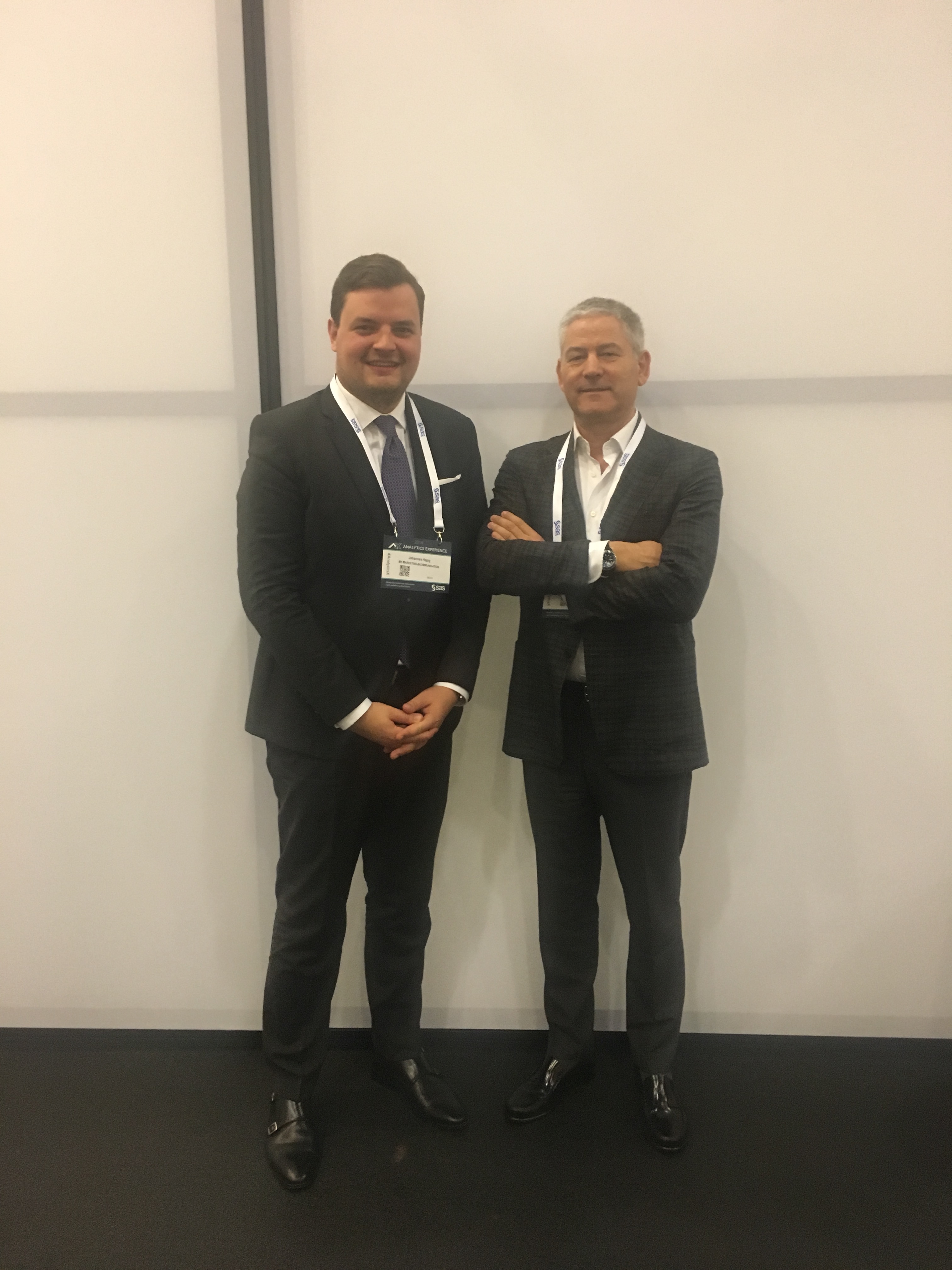
9:31 am Good morning! MK has sent me, editor Johannes Hapig, to Milan for the SAS Analytics Experience. I'll be reporting for you from the futuristic congress center on October 23 and 24. Naturally, I will be focusing on what innovations in data analysis mean for marketers, but at the moment it's almost philosophical: Oliver Schabenberger, COO and CTO of SAS, will be talking about the status quo of artificial intelligence. According to Schabenberger, the key question about self-learning algorithms is often asked with a certain amount of fear: "How smart can they get?" It depends on what we allow - how, yes, consistent we ultimately are in development. The current approach to AI, if continued in exactly the same way, will probably lead to narrow artificial intelligence that is suitable for carrying out certain tasks within clear limits. In the long term, this alone would affect almost all jobs - AI would take over the automatic processes, while humans would bring in creativity and empathy.Artificial General Intelligence, however, the completely independent and autonomous alternative, would - once we have allowed it - possibly shape our entire society in ways that we cannot even imagine today. Oliver Schabenberger sees great opportunities in this: "This type of AI could be used not to replace genuine human characteristics, but to enhance them. Then we would have a fantastic future ahead of us.