
How companies create their own plots with storydoing


It smells of engine oil, while the designer helmets make retro hearts beat faster and the sound is just as handmade as the two-wheeled objects of desire: Because everything is just right, motorcycle freaks feel at home at the Pure&Crafted Festival really picked up. And even those who only come for the bands feel the difference to other music events. The fact that this event is nothing more than a specially created vertical brand world of BMW Motorrad is not important for the target group in the first place. Two-wheeler enthusiasts, beard wearers and rock fans find themselves in this special attitude to life, which tells them more or less lightly branded stories of freedom, style and genuine craftsmanship. Other brands also use storydoing to create emotionally charged events that turn their own audience into heroes - and that they will talk about as brand ambassadors for a long time to come. The aim is to create communicative events that will be talked about for a long time in the "meta-stories" of participants and fans. Three further practical examples show how events can involve target groups online and offline through storydoing and what brands can learn from them:Telekom connects in 360 degrees
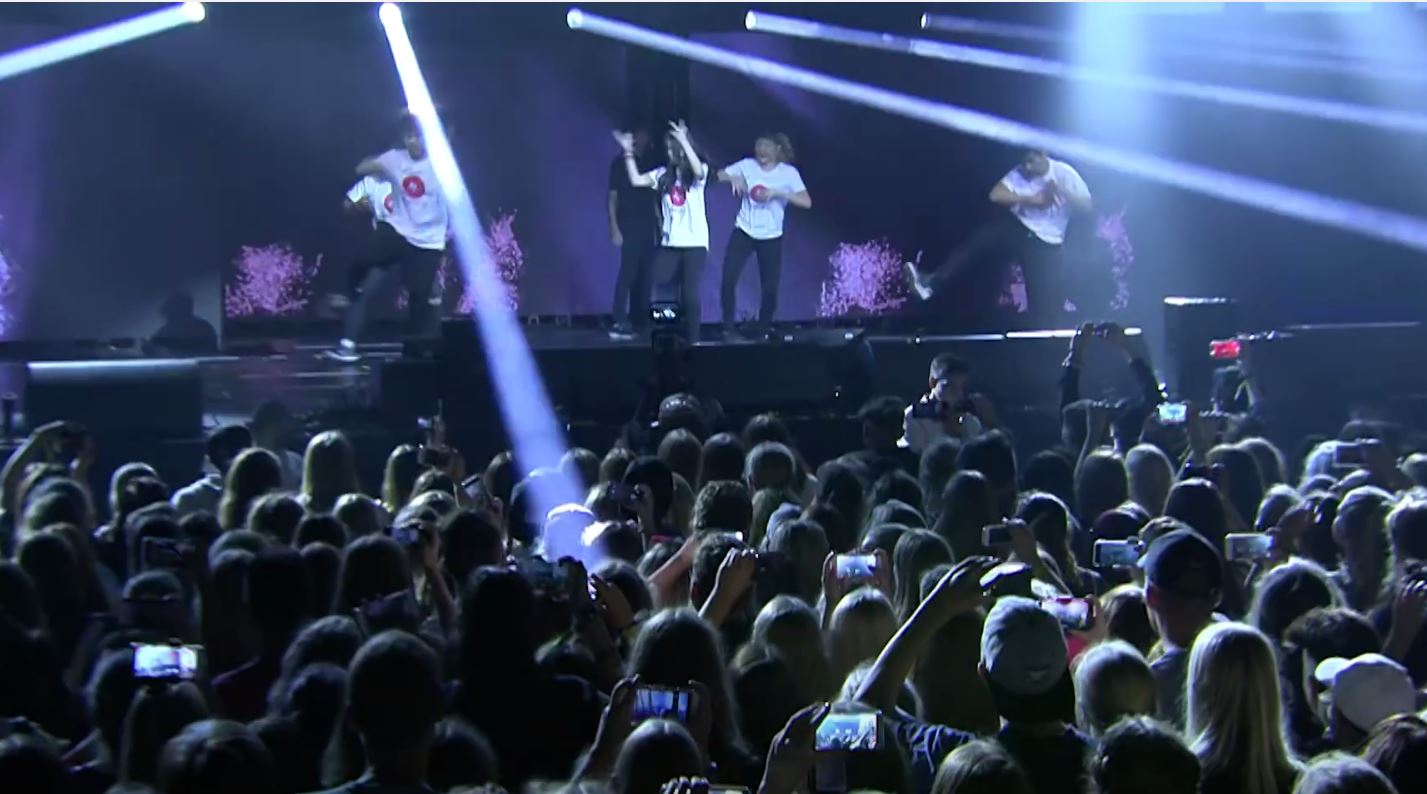
MagentaMusik 360 (Source: MagentaMusik360) "Experience what connects": Telekom takes its origins literally, especially in social media, and no longer just brings people together via telephone lines. With several groups such as Telekom Erleben, Telekom Entertainment, but especially with MagentaMusic 360 the communications group has created its very own desirable brand universe. Similar to the BMW Pure&Crafted festival in Berlin, music is the flavor enhancer here and the broadcast of selected concerts in 360-degree optics is the icing on the cake. Emotion via live stream "on the best network" is the enticing slogan. With VR glasses and a smartphone, music fans are virtually right in the middle of the action. Or they can benefit from exclusive pre-sales, as was recently the case before Depeche Mode's Come Back Tour - all only possible as a Magenta customer. The prospect of getting a taste of concerts offline is likely to win over some new subscribers and encourage them to tell their friends and family about their experience.Red Bull and its flying days
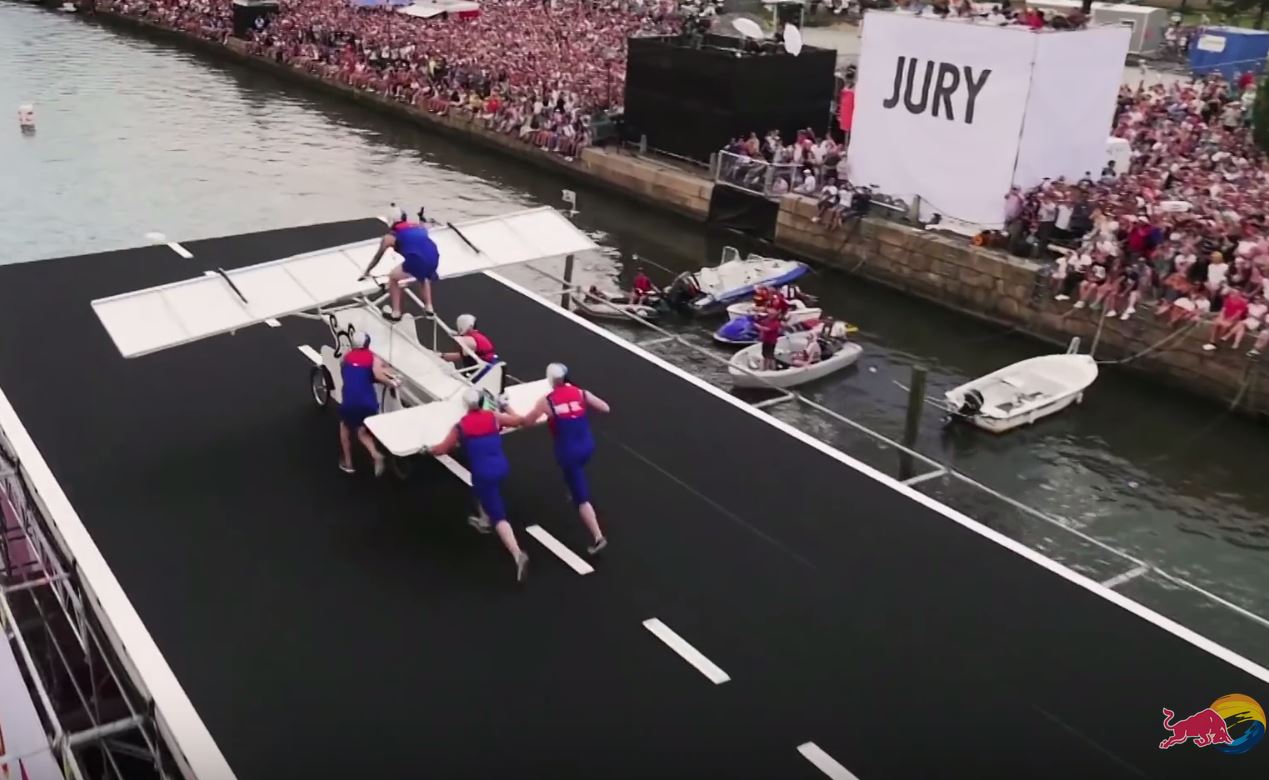
Red Bull Flugtag (Source: Red Bull YouTube)The philosophy of "taking off" has always been part of Red Bull. As early as 1991, the first participants took off with self-made flying objects à la "Red Bull lends wings" at the "Flight day" in Vienna. Today, top-class storydoing events take place once a year in 35 cities around the world, attended by hundreds of thousands of spectators. The spectacular flying objects and maneuvers naturally invite people to film, comment on and share them on social media. This is how the story is told. Thanks to the possibility of distributing the customer experience via digital channels according to the "many to many" principle, it is also accessible to a wider audience. Whether it's a jump from a lofty height or small but exciting events, word-of-mouth and social media are still the fastest way to spread the word.Together against breast cancer
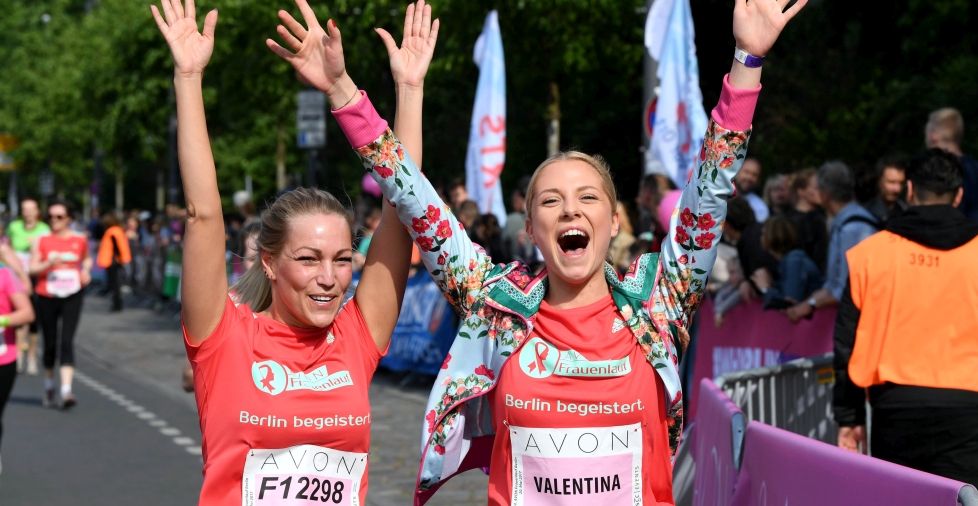
Berliner Frauenlauf (source: berliner-frauenlauf.de)For effective storydoing, a current social issue can also be combined with the expertise of a brand. By highlighting an existing problem, stimulating discussion and creating solutions, the company's reputation increases and the brand is remembered by the audience in a moving way. The AVON Women's Run for example, revolves around the topic of breast cancer. This spring, around 18,000 participants ran ten kilometers through Berlin's Tiergarten park for the 35th time and, together with the sponsors, donated to the German Cancer Society e.V. As "the company for women", Avon does not focus on its products, but on its own values and the urge to make a difference in society. A sustainably positive brand image guaranteed.From telling to doingIn the flood of offers and advertising messages, emotionally charged events away from the actual product portfolio are a way of generating attention and brand loyalty. Authentic and meaningful concepts in which your own customers become part of the brand are becoming increasingly important. Knowing where the key audience is moving, what excites them and what they will talk about for a long time to come is the be-all and end-all for the successful implementation of effective storydoing.


