
Has the company logo had its day?


LOGO Brands such as Abercrombie & Fitch, Coca-Cola and Apple have recently abandoned their traditional logos either in campaigns or in some cases completely. A model for the future?
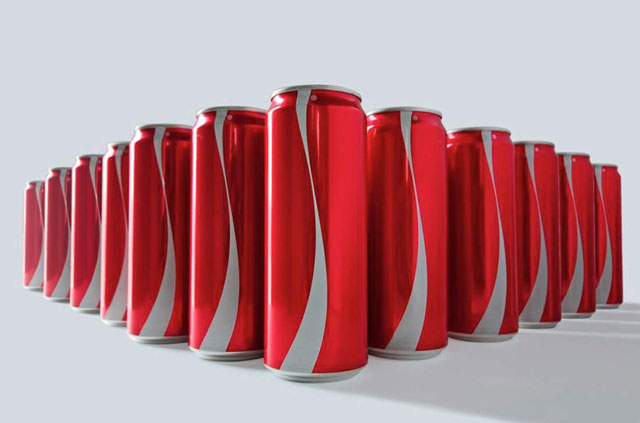
A logo is often not necessary for recognition, as is the case with these Coke cans.Anyone who discovered Abercrombie & Fitch as a brand in the early 2000s will certainly remember the logo: the silhouette of a moose. Whether on underwear or T-shirts, the catchy motif could be found on all items of clothing. But 15 years later, the brand has lost its symbolic value. The moose has lost its coolness, but above all, the young target group is no longer interested in logo-centric brands - they prefer H&M and Zara. For this reason, the company's CEO announced in 2014 that the logo would no longer be found on any products sold in the USA. What remains is the word mark Abercrombie & Fitch.Coca-Cola - Recognizability needs no nameHowever, the no-logo phenomenon is not only an issue in the fashion sector, but also continues in other industries. In the Middle East, for example, Coca-Cola has replaced its name lettering with the phrase "Logos are for cans not for people" or even dispensed with language altogether and just let the red color combined with the curved white ribbon do the talking. This marketing campaign followed that in Western countries, where the lettering was replaced by "Drink a Coke with us" and Coca-Cola fans could brand bottles with their own names.Apple only lets the apple speak for itselfLike Coca-Cola, Apple is also doing away with labels on its devices. Until 2013, MacBooks had the name of the device at the bottom of the screen, which has been removed from current devices. The distinctive Apple symbol is now only found on the back of the devices. They, but also other brands such as Burberry, McDonald's and IKEA, have succeeded in developing "multi-value" brands for which the classic logo has become dispensable. Their branding benefits from numerous characteristics that allow them to be clearly assigned to the respective brand. This is why the design experts at 99designs, the world's largest online marketplace for graphic design, whether the company logo has become obsoleteThe word "logo" is used less frequently in everyday speechGoogle's Ngram Viewer was used to investigate how often the word logo has been used in recent decades (see also: https://goo.gl/TCNKDp). The use of the word increased rapidly in the mid-1970s. This wave of success spanned three decades and reached its temporary peak in 2008. Since then, the use of the word has declined for the first time in its history.Branding without a logo?If the reduced use of the word suggests that logos are becoming less important for companies, the next step is to ask what this trend reversal means for branding in general and also for designers. After all, the logo has become an integral part of branding over the years. For example, when a campaign is launched, the creation of a unique symbol is the first thing that comes to mind. Accordingly, the designer also starts with the logo when creating a corporate identity. However, it should not be forgotten that a brand is made up of many different components, such as colors, patterns, fonts, shapes and textures.Comprehensive brand aesthetics make the logo superfluousThese companies have recognized that it is not just the logo that makes their brand radiant and recognizable. They have succeeded in establishing a comprehensive brand aesthetic that enables them to communicate their brand beyond their logo. The red can and the curved white band make it clear at first glance which drink you are drinking. The thin aluminum shell and the high-resolution view of Yosemite Valley leave no doubt as to what kind of computer and operating system you are buying.Eva Missling, General Manager Europe at 99designs, concludes: "Of course there will still be logos in the coming years. Above all, companies that have yet to position themselves on the market will have to start building their brand with a logo in order to attract the attention of their target group and differentiate themselves from their competitors not only through their services, but also visually. However, designers will increasingly be faced with the challenge of developing new ways to establish a corporate identity and visually address the consumer's memory."


