The Fairness Commission has a lot of work to do
The Third Chamber of the Fairness Commission had a lot to do with animals in the truest sense of the word at its meeting on June 20, 2018. Chickens, cows and dogs were the protagonists in three cases, and a "sharp bunny" in another.


In the three cases in which animal welfare was under discussion, the SLK only fully approved the complaint against the advertising of a dog dental care stick. In contrast, the SLK only partially upheld the two complaints against advertising portrayals of Swiss poultry and cow farming:
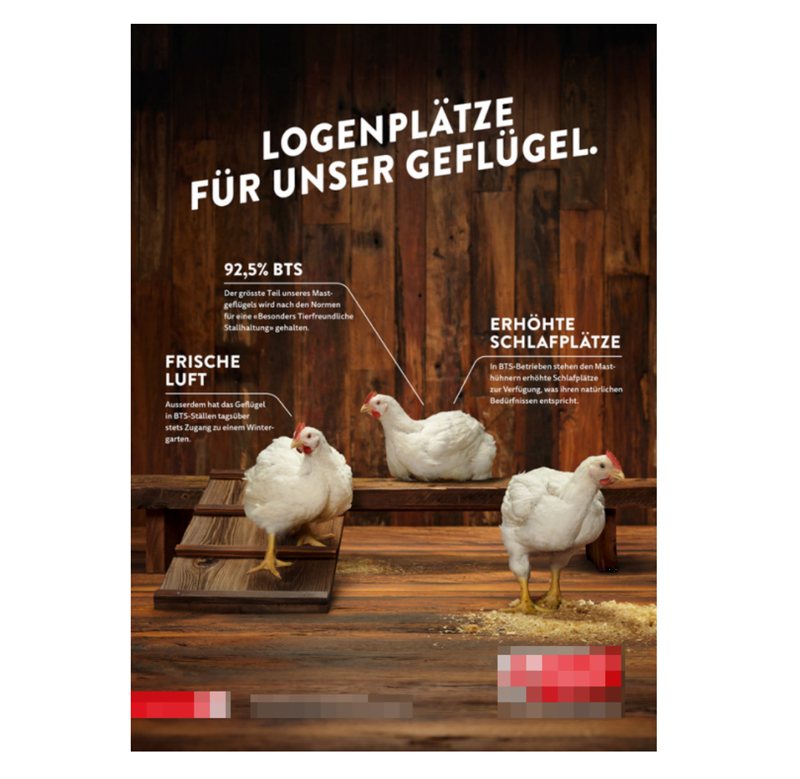
Chickens: In the case of the advertising of chicken farming with the claim "Box seats for our poultry", the Fairness Commission was of the opinion that the average addressee would be aware that even in Switzerland not all chickens would grow up in a cozy wooden coop. All the more so as the circumstances described correspond to the legal requirements, which are far stricter than abroad. Therefore, it only objected to the statement "In addition, the poultry in BTS houses always have access to a winter garden during the day", while it considered the statements "94.1% BTS" and "Elevated roosts" to be louder.
Cows: The SLK did not find fault at all with the statement "90% of Swiss farms manage their land according to the ÖLN, the performance certificate for environmentally friendly and sustainable agriculture. This gives Lovely and her friends a good life." SLK felt that the average reader would interpret this to mean that the Swiss Animal Welfare Act was being complied with, which is much stricter compared to other countries. Moreover, what is a "good life" cannot be measured objectively, but is a subjective perception.
Dogs: On the other hand, the Third Board of Appeal completely approved the complaint against the advertising of a dog dental care stick. It considered the statement "C'est pourquoi les vétérinaires recommandent le plus souvent, lorsqu'il s'agit de friandises de soins dentaires, ............" and the claim "Le no 1 pour les soins des dents canines!
The dog owner only found out that the vets recommending the stick were German vets when he discovered the small-print notice in the margins of the advertising. This was unfair in several respects:
- The advertising gave the deceptive impression that it was about Swiss veterinarians
- It is not sufficient to correct an incorrect statement with an asterisk note
- In this case even the asterisk was missing in the text
- The study with the vets was already four years old and therefore no longer sufficiently meaningful for today's market
The claim "Le no 1 pour les soins des dents canines!" was also unfair. In the opinion of the SLK, the average addressees - dog owners residing in Switzerland - understand this advertising statement as a unique position claim in the sense of quantitative market leadership in Switzerland. Without asterisk and due to the presentation, which was obviously aimed exclusively at the local market, it was not recognizable that this claim referred to a foreign survey.
"Sharp Bunny: The appeal against the radio spot with the statement "Wetsch, das dini Alt dihei mal wieder äs scharfs Häsli wird" did not trigger any discussions. Although the respondent argued that the spot should have been cheeky and funny, had been legally examined beforehand and had not been rejected by any radio station, the Third Board considered the radio spot to be disrespectful, discriminatory and degrading. All the more so as the statement was accompanied by a crack of a whip alluding to violent practices and dominance.
From the asparagus offer to the ticket app
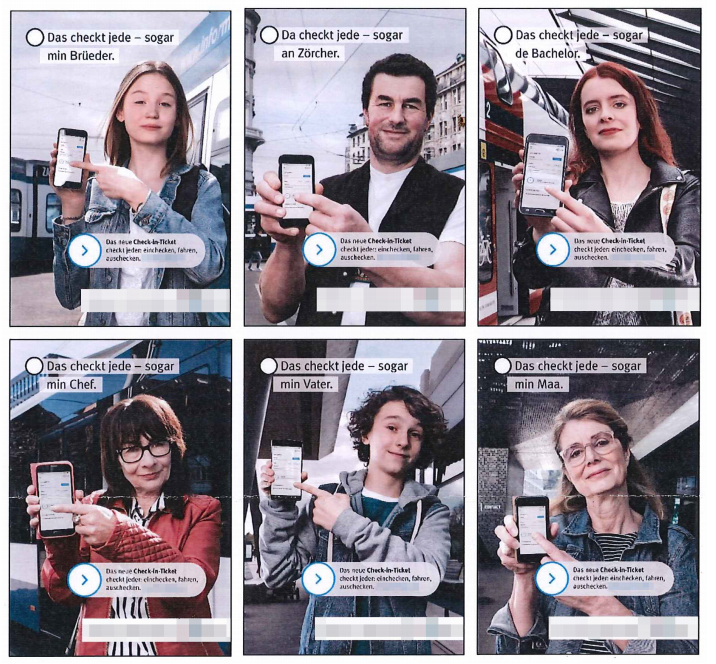
Other complaints concerned the advertising of an asparagus offer, unfair promotional price offers by a web store, the launch of a new ticket app, and the disregard of a stop-advertising sticker on the one hand and a star entry on the other. One of the two parties has appealed against the decision regarding the ticket app; the plenum of the three chambers will make a final decision on November 14, 2018.
Nine decisions, one appeal each, one deadline for evidence and one sanction
Of a total of twelve appeals which it had to adjudicate at its meeting on June 20, 2018, the Third Board upheld seven, but only partially upheld one, and dismissed two. In addition, one decision resulted in an appeal, while in another case the respondent was granted a period of twenty days to provide evidence for its factual allegations. The only request for sanctions was not granted, as the respondent credibly asserted that it was a misunderstanding and that he would refrain from making the statements in question in the future.