
How to use brand tracking correctly
Brand tracking is part of the daily routine for marketing professionals. Measuring brand awareness is one of the fundamental tasks that every marketing department should master perfectly. Unfortunately, however, that is not always the case. Many marketing professionals have a limited understanding of what brand perception means and what their brand tracker should measure.


I gained a deeper understanding of brand awareness during my college years when a professor jokingly threatened to drop his underwear in front of the entire class. A student had just presented a case study on the market launch plan for a new car. Confidently, he announced that his plan would «significantly increase brand awareness.».
«The awareness of WHAT?» my professor scoffed—a graying advertising veteran with 40 years of management experience in international companies. «You haven’t told us exactly what we’re supposed to make people aware of. Awareness isn’t the goal. The goal is to communicate the benefits of your product. If I stand in front of you and pull down my underwear, I’ll certainly become better known—but what good does that do me?»
Too many companies strive for brand awareness simply for the sake of awareness. In fact, they even spend vast amounts of money to measure this metric—without taking a closer look at what consumers actually know about the brand. So what is actually gained from brand awareness alone?
All aspects of brand awareness should be taken into account
Of course, it’s important to measure active and passive brand awareness. But these numbers are just the starting point. If you don’t find out how many customers are aware of your brand’s value, you’ve lost the race before it’s even begun.
Here are three ways to get more actionable results from your Brand Tracker surveys:
Ask about the brand's benefits
Once you have determined the general level of brand awareness (both passive and active) for your brand, you should ask questions about its benefits. Ask participants (without providing any prompts) what advantages your brand and those of your two biggest competitors offer. Text analysis tools allow you to interpret open-ended responses quickly and efficiently. Next, show respondents a list of brand benefits that includes your brand. Then ask them which benefit they associate with which brand. Over time, the answers to these questions will provide you with comprehensive feedback on your advertising messages and campaigns.
Ask about the relevance of the brand's value
To define the brand benefit, your company probably did a lot of pondering, discussion and - hopefully - research. This should not be changed for years, perhaps even decades. Still, it makes sense to keep your finger on the pulse of the market and take stock from time to time. Make sure the way you frame this benefit is still appropriate. Ask survey respondents to rate how relevant they find this benefit. Explain the benefit in several ways to test which one resonates best. Ask respondents to explain why this benefit seems important or unimportant to them.
Assess the credibility of the brand promise
Even the most fantastic brand promise is useless if no one believes you can deliver on it. With a Brand Tracker, you can determine to what extent your customers trust you. Show respondents a list that includes you alongside your competitors. Ask them to rank the brands in order of which are most and least likely to keep their promises. And don’t forget to ask them why.
Brand tracking allows you to continuously improve your advertising messages. However, this is only possible if you dig a little deeper and don't limit yourself to typical questions such as „Which of the following brands are you familiar with?“.
Only with a detailed diagnosis can a detailed treatment plan be developed. By determining whether your customers are aware of your brand’s value and find it relevant or credible, you can use brand tracking to bring about concrete improvements and create real added value.
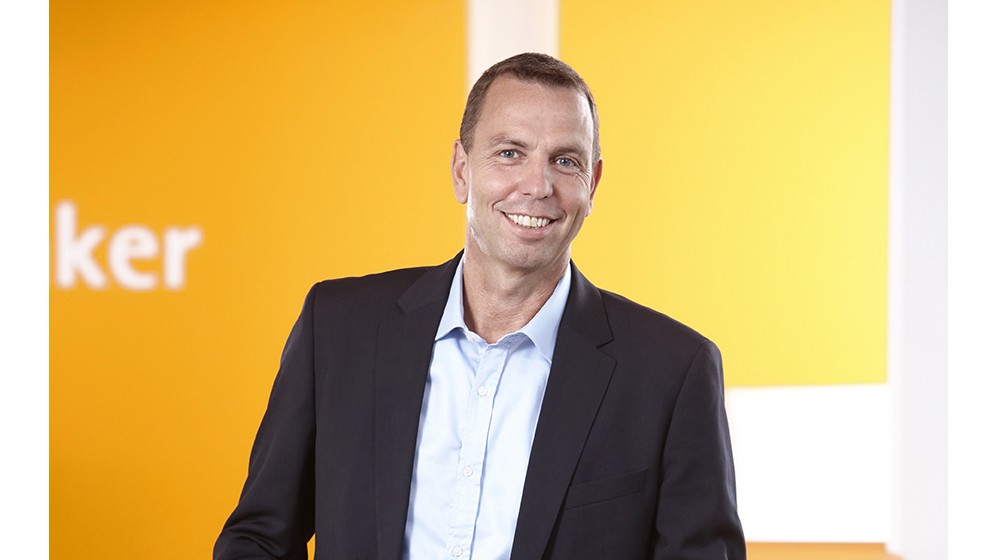
Wolfgang Sölch is an experienced enterprise-level sales and IT specialist. He is currently responsible for Qualtrics’ strategic direction and growth in Central Europe. A computer science graduate, he has more than 15 years of experience in the IT industry: Before joining Qualtrics, Sölch served, among other roles, as Vice President of Sales for EMEA at BrandMaker; as Sales Manager for Data Solutions at Microsoft; and as Sales Director for Strategic Accounts at VMware.


