
Leuthard calls for more time for research
The new parliamentary group "Journalism and Democracy" had its first event on September 21, 2016. From left to right, all the members of parliament present agreed that quality journalism is central.


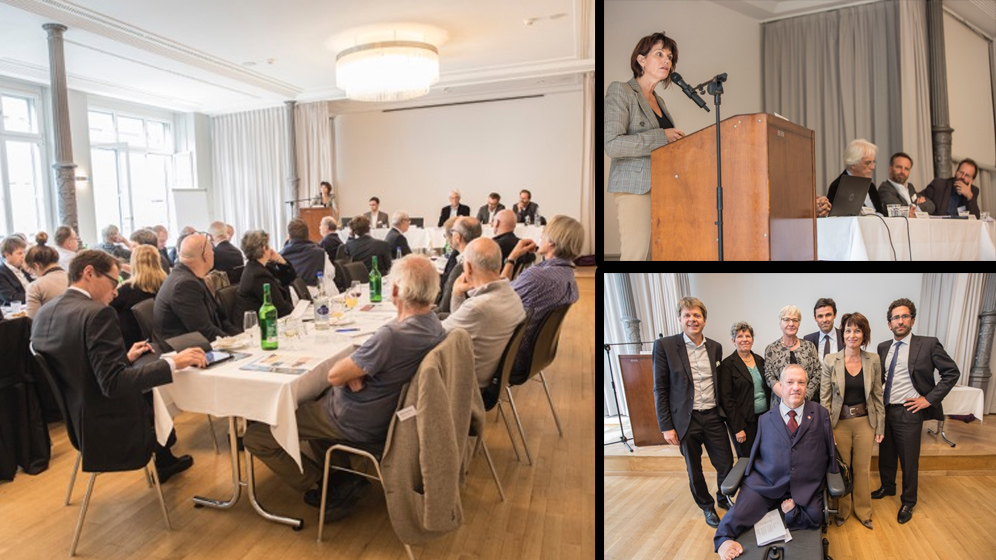
Among the approximately 50 participants, eight other members of parliament were present in addition to the co-presidium of seven members of the National Council. Federal Councilor Doris Leuthard, Christian Campiche (President impressum), Prof. Matthias Künzler (HTW), Markus Spillmann (EMEK, formerly NZZ) and Philippe Bach (Le Courrier) discussed with the journalists, publishers and association representatives present. Fathi Derder (NR) moderated. The professional association of Swiss journalists Impressum had invited to the event.

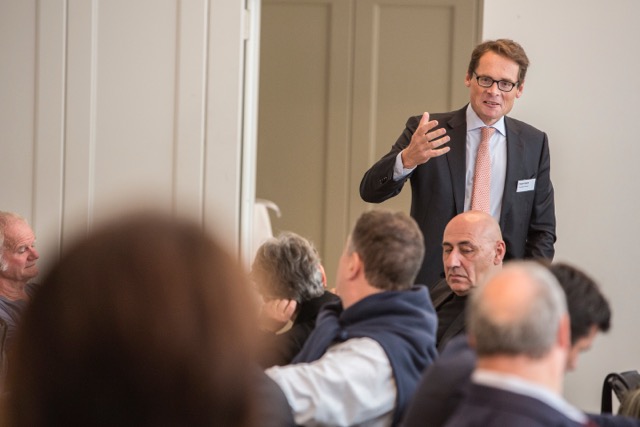
The discussions focused primarily on the private and public options for maintaining quality journalism. The current conflict between SRG and some of the private media companies was only touched on in passing in a brief exchange between NR Roger Köppel and NR Jaqueline Badran. In the exchange among the participants, the media policy discussion was steered away from the entrepreneurial focus to the central question: How can quality journalism relevant to democracy be preserved?
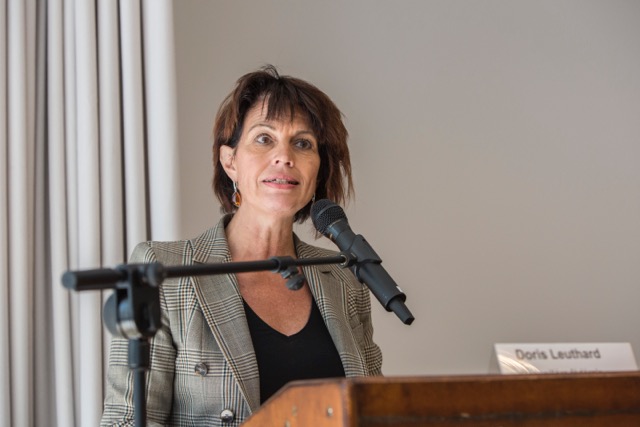
According toDoris Leuthard,politics relies heavily on quality journalism for supervision and control. But many journalists no longer have enough time to do their job with the necessary depth. Especially in the social media environment, a lot of information circulates that turns out to be wrong and has to be corrected afterwards. It is precisely this abundance of information that makes quality journalism more important than ever.
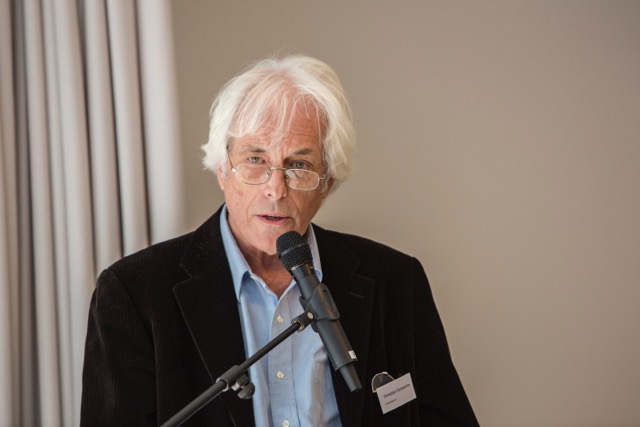
Christian Campiches noted that in 15 years, 30 percent of human resources have been lost on newsrooms. These increasingly precarious conditions make it difficult to maintain ethical standards. In addition, he said, there is an urgent need to promote journalism training and better harmonization. This would also support public recognition of the profession.
According to Matthias Künzler, scientific studies agree on the increasing pressure on working conditions, although the love for the profession remains unbroken. The pressure from the economy is noticeable, and new financing models such as native advertising are also problematic because they influence (at least) the setting of topics. The structural diversity between public and private media must be preserved, he said. At the same time, ethical self-regulation should be promoted. By further splitting the fees via a fund, journalism could also be promoted in additional media.
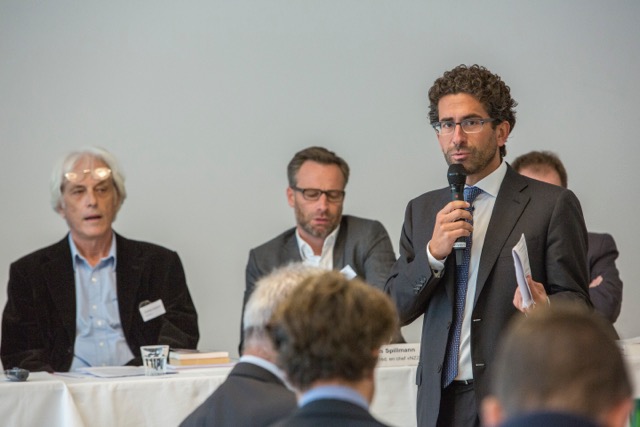
In contrast,Markus Spillmann places greater emphasis on self-regulation. He remains optimistic: The media are undergoing structural change, but journalism is not endangered because the need for quality information is unbroken. The state does not have to intervene, but must ensure good framework conditions.

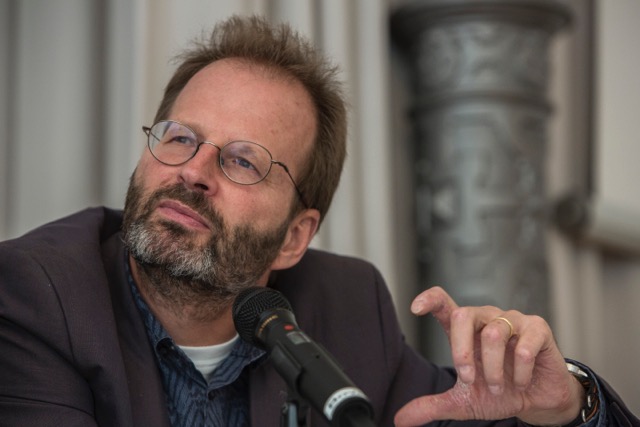
In contrastPhilippe Bachthat only direct funding can ensure the survival of small titles. In those European countries that have direct funding, media freedom is at its strongest.
The group's co-presidency is made up of members of parliament from all parliamentary group parties (alphabetical order): Matthias Aebischer, Fathi Derder, Alice Glauser, Jürg Grossen, Christian Lohr, Rosemarie Quadranti and Regula Rytz. The secretariat of the group is provided by impressum, the association of journalists.


