Last but not least: The vending machine, my friend
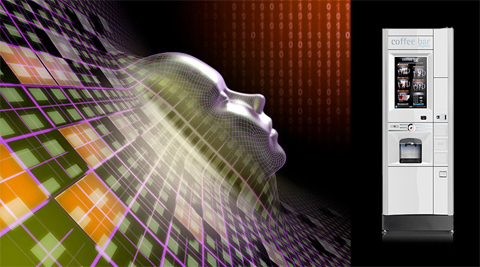
Goodbye Anonymity: England has unveiled its first vending machine with facial recognition. It sometimes refuses to make a sale—on purpose, not because of a malfunction.


Whether the brave new world was really waiting for this is more than questionable. Unfortunately, the fact that sooner or later we won't be able to get around the issue of facial recognition is less so. It is no longer just for security reasons that we record who is where. In order to place advertising with pinpoint accuracy and without wastage, it's worth its weight in gold to know the person you're talking to as precisely as possible.
For example, Intel was already working 2012 on a set-top box, which recognizes the viewer's age and gender and places appropriate ads. This is also an interesting approach for ratings. For privacy, less so.
The company Amscreen has already set up thousands of outdoor screens with facial recognition across Europe. At gas stations or grocery stores, they record, among other things, age, gender, and the number of possible and effective viewers. What sounded like science fiction just a few years ago has long since become reality and is just waiting for a widespread breakthrough.

As the English newspaper The Telegraph reports, smart vending machines are now following in the footsteps of smart billboards. Once appreciated by many people as silent, anonymous dispensers of candy, cigarettes or condoms, the next generation of vending machines is now taking a closer look at who buys what. The company Smart Vend Solutions presents the "Luce x2 Touch TV beverage vending machine". The device identifies and greets customers personally and learns their buying habits. This can be useful, for example, if you don't want to click through the coffee menu every morning. Or the vending machine in the hotel is linked to an illustrated customer database and purchases are booked directly to the room bill.
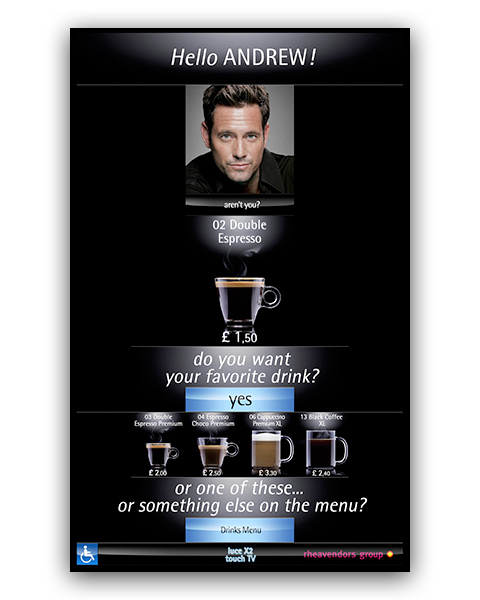
But the vending machine can also educate or check: Schools feed the machines with the student database and thus prevent minors from buying certain products. Hospitals feed the vending machine with patient data, and suddenly diabetic Meier can no longer accidentally buy a Mars. And Ms. Müller can't buy a Snickers bar in the fitness center, even in diva mode - after all, she wants to stick to her diet plan.
In the near future, it should also be possible to pay directly via the smartphone in your pocket - so that the overburdened human race is relieved somewhat. We're not even allowed to pay ourselves yet. At least we are still being given a certain amount of freedom in our choice at the moment. Perhaps in the future we will be informed that with our estimated BMI, a piece of sugar in our coffee should actually be enough. (hae)