Video Marketing Trends for 2026: GEO, Smart TV, and AI Take Center Stage
The study «Swiss Video Marketing Trends 2026» by Maybaum Film shows that thematic content, smart TV, and artificial intelligence are fundamentally changing video communication at Swiss companies.


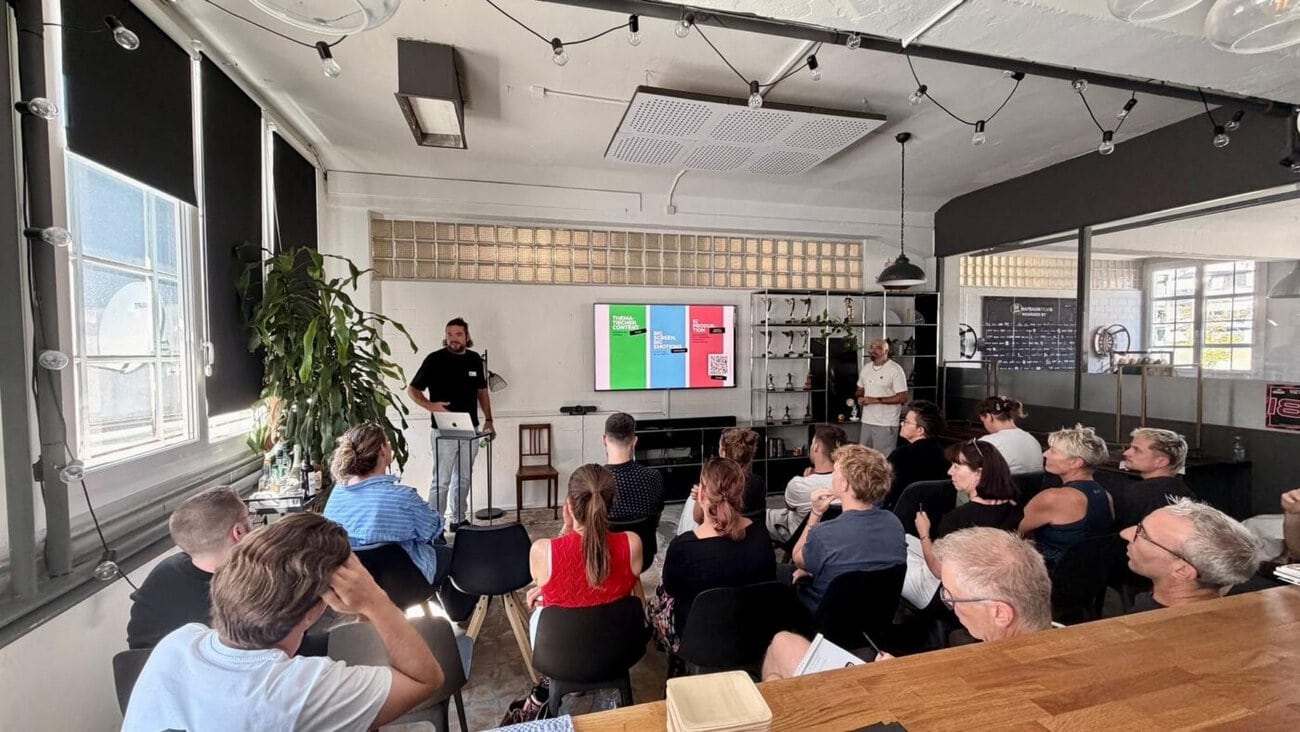
At the second Maybaum Insight Session held at the Merker Areal in Baden, more than 30 marketing executives from various industries gathered to discuss the findings of the «Swiss Video Marketing Trends 2026» study. The survey, in which a total of 100 marketing executives from German-speaking Switzerland participated between February and May 2026, paints a clear picture: Video marketing trends in 2026 are fundamentally changing corporate communications—and video remains a strategic cornerstone.
Video as a Central Element of the Communication Strategy
The study, conducted by Maybaum Film between February and May 2026, examined the importance of video within companies’ communication strategies, trends in marketing budgets, and the relevance of various communication channels and video formats. The results are clear: for the majority of the companies surveyed, video is playing an increasingly central role. Accordingly, these companies plan to increase their investments in digital marketing and video communication in the coming years.
The event offered marketing managers, communications professionals, and decision-makers the opportunity to discuss current trends and future challenges in video marketing.
Three Trends Are Shaping the Future of Video Marketing
In addition to the study's findings, the focus was on three developments that, according to the organizers and participants, will bring about lasting changes in video marketing.
With the rise of AI-powered search systems and the growing importance of Generative Engine Optimization (GEO) and Answer Engine Optimization (AEO), the way companies gain visibility is changing. Instead of placing products and services at the center of their communication, it is becoming increasingly important to address the specific questions and challenges faced by target audiences. Companies that position themselves as authoritative voices in relevant subject areas are expected to build long-term visibility, trust, and relevance.
Another trend concerns the growing importance of smart TVs and streaming platforms. Screen time is rising steadily, while users are increasingly consuming content in what is known as «lean-back mode,» according to the press release. This creates new opportunities for emotional storytelling and attention-grabbing brand communication. With the expansion of ad-supported offerings and increasing targeting capabilities on platforms such as Netflix and other streaming services, the big screen in the living room is once again becoming an attractive channel for advertisers.

AI Is Changing Video Production—Authenticity Remains Key
As the third key trend, artificial intelligence is increasingly establishing itself as a tool throughout the entire production chain—from research and brainstorming through concept development to post-production and distribution. At the same time, participants agreed that authenticity, credible stories, and emotional storytelling will remain crucial factors for the success of effective video communication in the future.
Florian Venedey, Head of Marketing at Maybaum Film and the lead researcher for the study, summarizes the findings as follows: «The results of our study clearly show that video is continuing to expand its role in corporate communications. At the same time, the nature of communication is undergoing a fundamental shift. In the future, companies will need to focus more on relevant topics and the specific challenges faced by their target audiences, rather than solely promoting their products and services. Anyone who wants to remain visible in the search and recommendation systems of the future must focus on establishing thought leadership in relevant areas.»