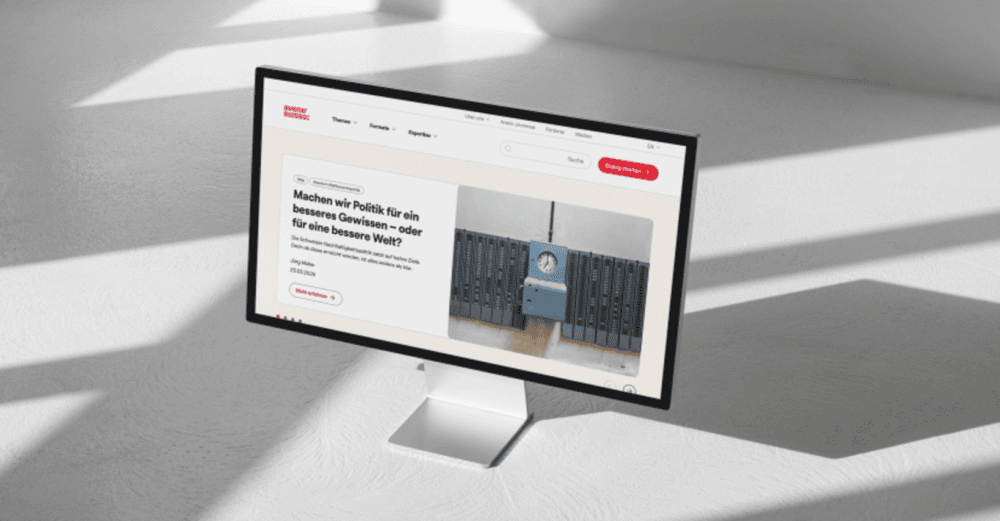
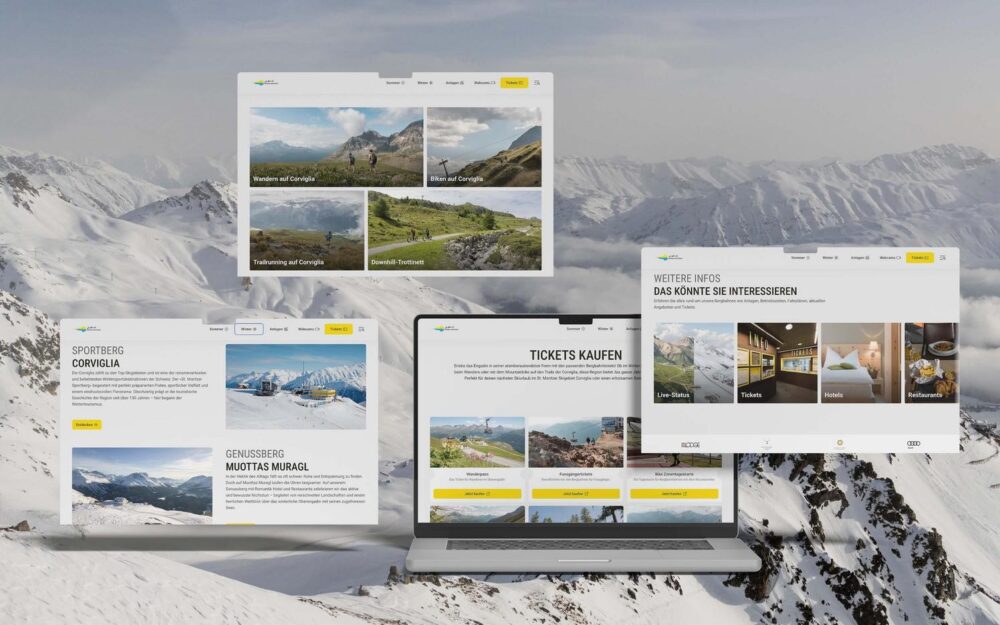
Is the corporate website dying out?
Many companies limit their digital activities to their own websites. The corporate website is in danger of becoming obsolete. The digital knowledge management specialists at Yext explain why its importance is waning—and what changes are needed for it to survive.


Is the corporate website in the same position as the dinosaurs 65 million years ago at the end of the Cretaceous period? Just as naturally as the Tyrannosaurus Rex roamed the forests back then, many companies today limit their activities in the digital space to their own website. The dinosaurs have disappeared without a sound, even though they once ruled the world. The corporate website is also in danger of dying out if it does not evolve. The digital knowledge management specialists at Yext explain why their importance is dwindling - and what further development is necessary for them to survive.
Voice search and third-party providers threaten the website
Anyone searching for a company on the Internet will come across a large number of links, at most one of which leads to the company website. These are joined by links to rating portals, address directories, map services or social media. In addition, the search engines themselves also offer information - the best example of this is the Google Knowledge Graph, which integrates information such as address data or opening hours directly into the search results page. The search for a company therefore no longer necessarily ends on its website. On the contrary: a representative study by Yext from 2017 shows that 73% of relevant traffic takes place on third-party platforms. For consumers, they are no longer just a way station on the way to the company website, but the ultimate source of information.
The increasing spread of voice search technologies is reinforcing this trend. According to a forecast by ComScore, voice search will account for half of all search queries by 2020. Consumers will no longer even have the option of calling up the company website. Instead, their digital assistants will simply give them a direct answer to a question about the opening hours of the nearest supermarket, for example: The supermarket closes at 8 pm. These two developments - the rise of voice search and the increasing number of third-party platforms - are leading to a loss of importance of the company website. Consumers are visiting them less and less often.
The corporate website needs to evolve
It is unclear what caused the decline of the dinosaurs, whether it was a meteorite impact, volcanic eruptions or climate change. The reasons for their decline can be clearly identified on the company website - as can the conditions of their survival. It is in the interests of both companies and their customers that they live on, because for some they are the most manageable, for others the most reliable source of information.
Two things will ensure the survival of the company website: Firstly it must no longer be misunderstood as the only relevant channel. Companies must move away from the "website first" principle and instead see their own website as part of an extensive network of touchpoints that also includes numerous third-party platforms. For the future, it is crucial that all information offered at these touchpoints is correct, up-to-date and consistent - this requires a technical solution that allows content to be maintained centrally and updated on all platforms at the touch of a button. Secondly company websites must be technically adapted to the new requirements. This includes, for example, preparing the information provided in a structured way using markup languages. After all, digital assistants such as Siri or Alexa need machine-readable data in order to be able to respond reliably.
An evolutionary leap is needed to save the corporate website from extinction. Companies need to focus more on the question of which touchpoints consumers use in the digital space and how the information stored there can be managed as efficiently as possible - from basic data such as opening hours, telephone numbers, location addresses and social media presence to menus, detailed product information and special offers. Only if the company website can be adapted to the changing conditions can its survival be ensured.
Background: Yext offers products that make it easier for companies to manage their own brand online. This guest article was published free of charge by Werbewoche and is not paid content.