Is young people's media use out of control?


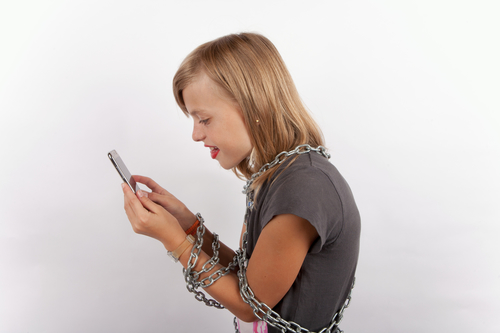
"The duration of Internet use is just one of several criteria that indicate problematic online behavior or even addiction," says ZHAW media psychologist Daniel Süss. The results show that young people with problematic behavior use the Internet more frequently for entertainment, watch more television or play video games more often. In addition, the risk of addiction increases the more internet-enabled devices are available. Young people who often consume audiovisual content on their cell phones or take a lot of photos and videos, for example, are particularly affected. The ZHAW researchers therefore advise children and young people to draw up rules in advance on how to use new devices. "As smartphones and tablets are mobile, there is otherwise an increased risk of parents losing control over their children's media use," says Daniel Süss. In addition, adults and parents in particular need to become more aware of their role as role models. After all, children and young people learn more from their parents than they realize. "That's why it's worthwhile for adults to reflect on their own media behavior or ask their children for their opinion on this," says Süss.
Online behavior influences bullyingYoung people with problematic online behavior use and spread more media violence. They have also come into more contact with cyberbullying. However, it is unclear whether they have had more negative experiences because they spend more time online, or whether the negative experiences lead them to invest more time and thus lose control. There is a risk that they will fall into a control spiral and compulsively check whether something negative has been spread about them again. The ZHAW researchers therefore advise parents or teachers to observe whether the child withdraws from bullying or cyberbullying. "If this is the case, help should be offered quickly," says Daniel Süss. "Because there is a high risk that a child or teenager will see media use as a strategy for dealing with negative feelings after such a stressful experience.""Likes" replace missing rewardYoung people at risk of addiction do not fall significantly behind in non-media leisure activities: most of them also meet friends or play sport. Nevertheless, the ZHAW researchers identified factors that can protect against risky or problematic online behavior. These include making music, handicrafts, painting and looking after pets or reading daily newspapers and magazines. The ZHAW researchers therefore recommend promoting non-media activities in which young people see themselves as competent, receive recognition and experience success. This is because "likes" on social networks or points achieved in games are particularly appealing to young people when things are not going so well in other areas of life, for example when they are doing poorly at school. By promoting offline activities, they learn to deal with temporary failures with confidence and are less likely to compensate for bad feelings with media consumption.https://www.youtube.com/watch?v=cFlXdzm3DyE