The computer that understands customers


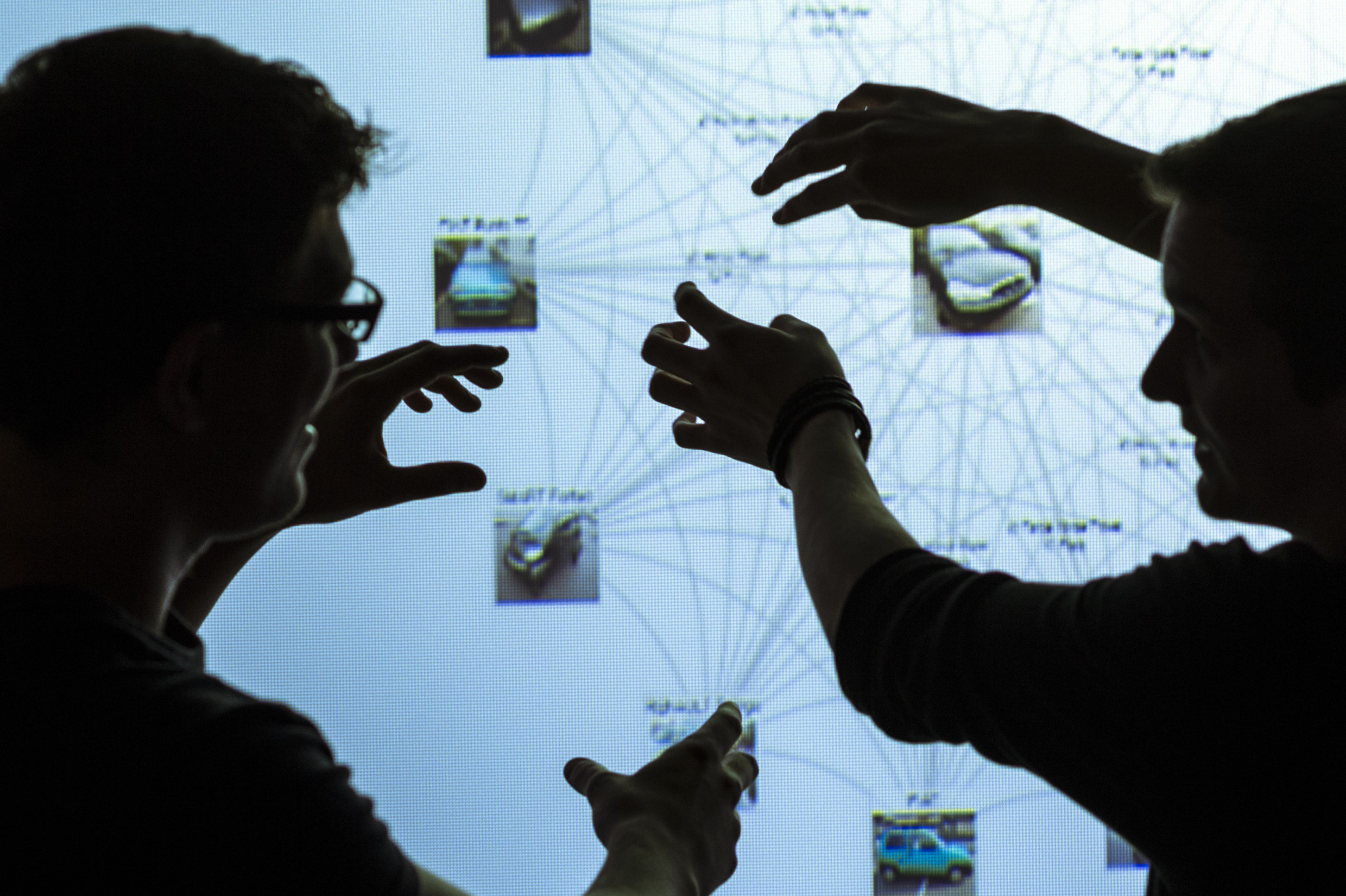
The Department of Computer Science at the Lucerne University of Applied Sciences and Arts is using sophisticated software to reduce the abandonment rate for online purchases.Computers work according to hard criteria. They do not understand requests that explore preferences, such as "a red car would be nice, a blue one would also do". The project "Preference-driven product search and customer profiling for e-commerce applications", or "PrefCom" for short, by the Department of Computer Science at the Lucerne University of Applied Sciences and Arts in collaboration with the Lucerne-based web service provider Arcmedia aims to change that. The aim is to make commerce on the Internet more user-friendly. Customers can use this software to formulate their selection criteria, i.e. their preferences, weight them and submit variable requests. The software could find a piece of jewelry that costs a little more but otherwise fits the query perfectly, a cheaper dress that is worked in the second favorite color, or an apartment that is a little outside the desired neighborhood but matches the targeted rental price.Search for beloved color and preferred models"The computer weighs the offers against each other," explains Roland Christen, technical manager of the "PrefCom" project. "One product wins against another if it is not worse in any attribute and better in at least one." In demo versions that search current offers of used cars, one can choose from "high," "low" or "about 10,000 francs" for the price. A query for color reads something like "Red > all others," which is something like, "Red is my favorite color. If it's not red, I don't care about the color." One can prefer or negatively weight colors or car types such as SUV or convertible, and adjust price and horsepower with a slider. The computer eliminates more and more offers; what remains are the best ones, the skyscrapers of a skyline. The team of Marc Pouly and Roland Christen, who specialize in artificial intelligence and machine learning, also succeeded in speeding up the preference-based search with the standard database language SQL by means of so-called block nested loops, so that customers do not drop out because the query takes too long.Support for salesmen and women The new algorithms also recognize similarities between products and offer alternatives: Cars with similar fuel consumption, clothes with a similar cut or jewelry with a similar design. This is an advantage, especially for smaller markets such as Switzerland, where there are not so many exact matches. And without any information about the customer, the website can make recommendations such as "You've looked at product A, maybe you'll like product B." "This allows us to promote products that have just come on the market," says Arcmedia CEO Davide Cortese. Websites that use these algorithms can also show in-store salespeople products they can offer customers. Stores save store space if the computer also suggests products from the warehouse.The computer scientists at the Lucerne University of Applied Sciences and Arts have largely completed their work on the algorithm. Arcmedia in particular will continue to fine-tune the user interface until fall 2017, when "PrefCom," which is supported by the Commission for Technology and Innovation (CTI), can enter its first stores. A jewelry supplier and a real estate agent, for example, are already showing interest.