Screenforce Day 2018: Television is alive (but for how much longer?)


Providing security, exploring new possibilities
RTL presenter Wolfram Kons hosted an entertaining program that brought together analysts, stakeholders from the TV industry and academics. Les Binet from the London agency Adam & Eve kicked things off by talking about sustainability in marketing: starting from the classic dichotomy of short-term "sales activation" and long-term "brand building", he advocated the use of TV advertising as a "soft power". In a digitalized world in which customers can find out about any product online, emotions are becoming increasingly important in sales decisions - although this may seem paradoxical.According to Les Binet, those who can compare everything, who can weigh up detail against detail, often end up making decisions based on their gut feeling. And if broadly effective television commercials without aggressive activation prepare the ground for such a decision, then sales success will follow.
Switzerland's favorite TV sporting events
Lars Stegelmann from sports marketing powerhouse Nielsen provided an insight into how the Swiss consume sport in the media - and, in keeping with the World Cup year, made the following observation: "Football is still the most popular sport to watch, followed by tennis, skiing and ice hockey," says Stegelmann. 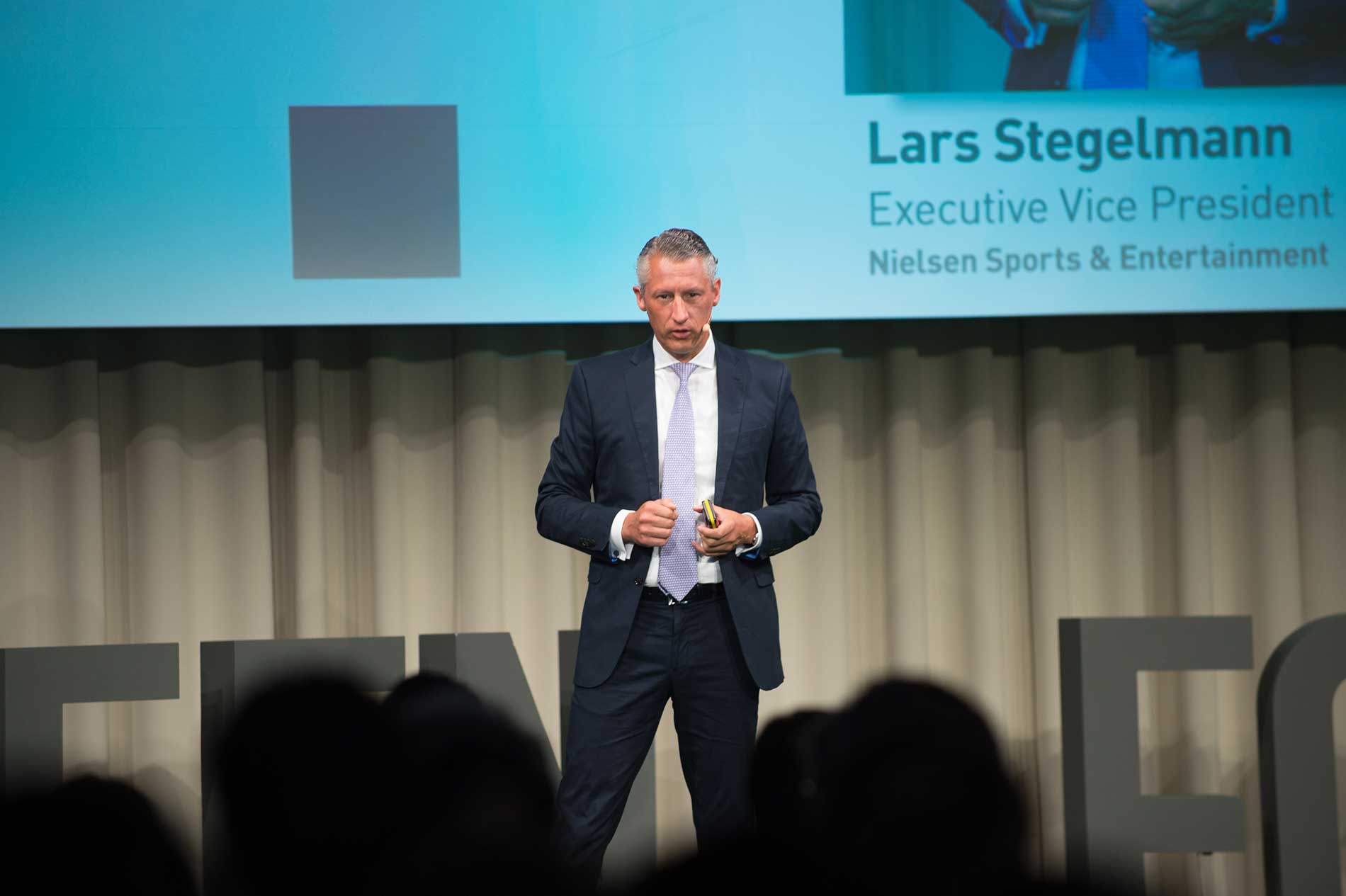 However, the expert advised marketers to also look for sponsorship or advertising opportunities in (still) niche sports. This is because they have loyal fans who can be targeted very precisely.
Soon targeted advertising on television?
Professor Jürgen Seitz, lecturer at the Stuttgart Media University, brought a particularly interesting topic to Screenforce Day 2018: he spoke about the targeting possibilities that smart TVs open up for the advertising industry. In the future, it should be possible to play personalized advertising (for example in the form of banners) to predefined target groups - advertisers would then no longer buy programs, but categorized recipients, regardless of what they watch.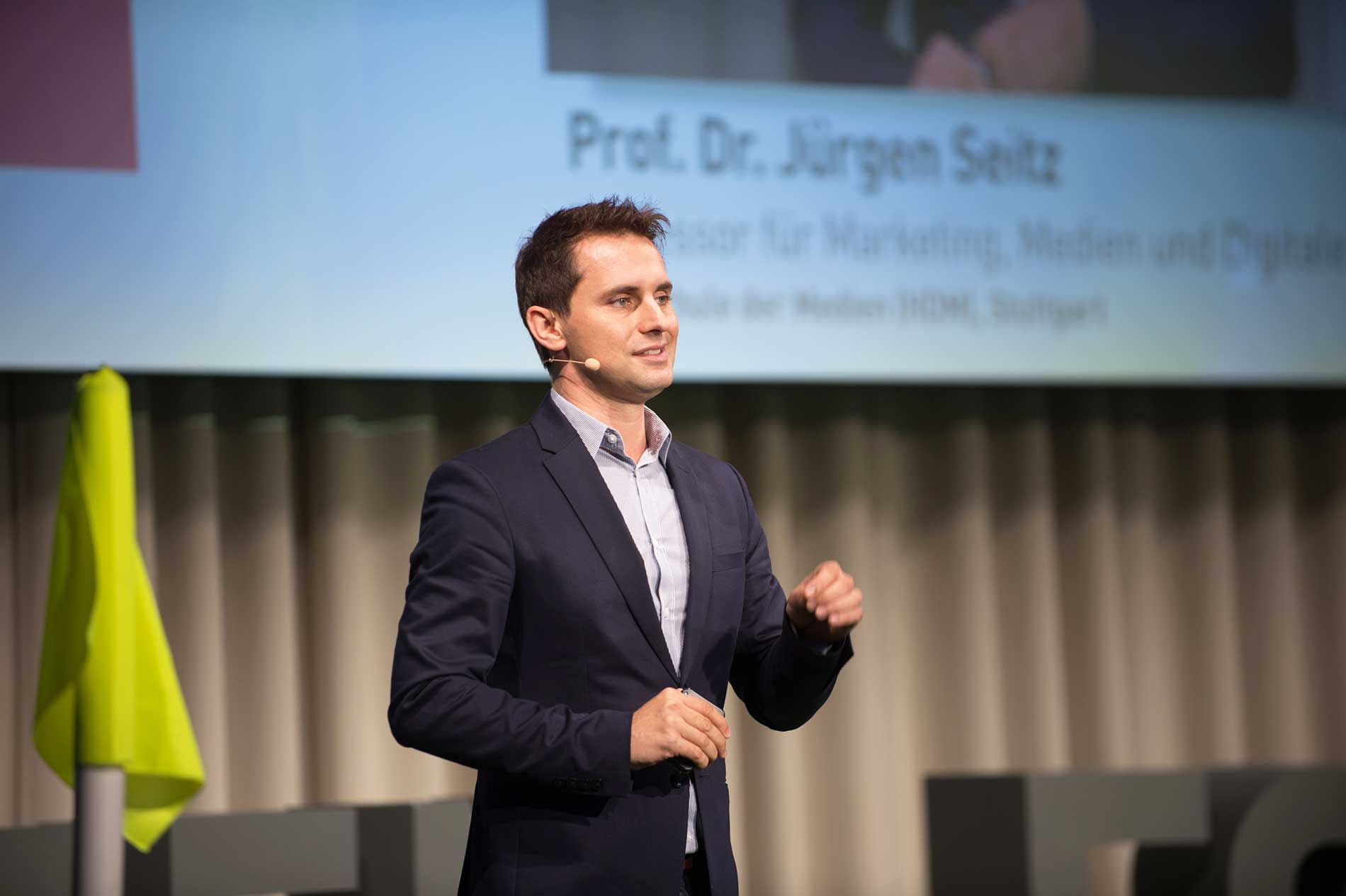 Because smart devices allow you to know exactly who is watching what at which location, you can also pass on regional advertisements - for restaurants, DIY stores or grocery stores, for example - to very narrowly defined viewer groups. According to Seitz, this is an unprecedented process that also enables smaller companies to advertise on TV.
A life without TV
The presentation by Viacom Customer Insights VP Christian Kurz should also be highlighted. Kurz and his team conducted research for the American television network into how people react to a five-day TV withdrawal - the expert presented the results in a clip: In the film, the test subjects described their free time as having no real content when they were deprived of TV. Families no longer knew what to talk about with each other, single people wondered how they could clear their heads after work, which is good news for advertisers - because the Viacom study impressively showed how important television still is culturally.
What does the future hold?
However, Christian Kurz - like most of the other keynote speakers - left open the question of whether the strong position that television currently still holds can be maintained in the long term. Although the Viacom VP formulated the thesis that direct communication via the simultaneity of the television program (everyone watches the same series and talks about it in the office the next day) is a unique selling point of the medium that will ensure its continued existence, he neglected the fragmentation that is taking place or has already taken place in the media consumption of Generation Z in particular. The otherwise inspiring Screenforce Day 2018 was unable to provide a conclusive answer to the question of how TV programs and advertising can reach young people in particular, who only have the TV on as background noise while their smartphone and laptop are switched on at the same time.