The problem cannot be suppressed forever
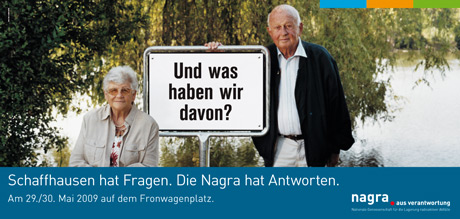
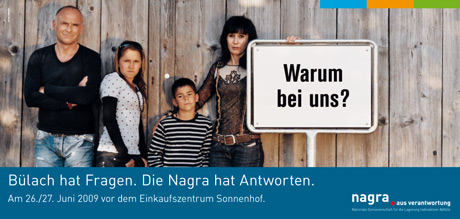
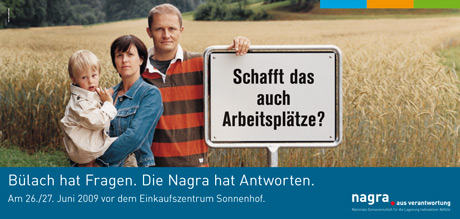
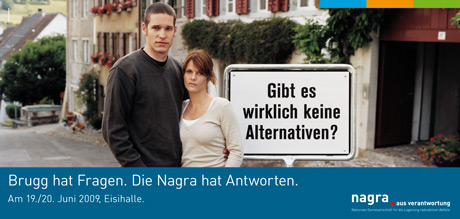
Matter & Gretener invites people living near potential final repositories to learn more about Nagra.


The problem is not new, but it is far from being solved: Since the 1970s, radioactive waste from five nuclear power plants has been accumulating in Switzerland. Beznau 1 was opened in 1969, the second reactor in Beznau in 1971, Mühleberg in 1972, the first plant in the 1,000 megawatt class in Gösgen in 1979 and the now largest plant in Leibstadt in 1984. The radioactive waste from all these nuclear power plants undergoes a multi-stage disposal process. This takes place centrally in an interim storage facility in Würenlingen. This high-tech facility went into operation in 2001 and is considered exemplary worldwide. However, it can only postpone the problem of radioactive waste. At some point, the spent fuel elements as well as more and more contaminated waste from research and medicine - for example from X-rays - will have to be stored in a safe repository. Nagra - the National Cooperative for the Disposal of Radioactive Waste - has now evaluated six geologically suitable sites for these repositories. Which one will be realized has been a hotly debated political issue ever since. Nagra has now launched a broad campaign in order to conduct this debate as objectively as possible. The contract for this was put out to tender almost two years ago in a pitch. Matter & Gretener won with a concept that does not focus on the nuclear issue, but only aims to raise public awareness of various educational events. "Nudge" or "the push" in the right direction is the name of this technique. The agency wants to arouse interest with its subjects so that the affected population in the selected regions will attend Nagra's information events.
Andreas Panzeri
Andreas Panzeri