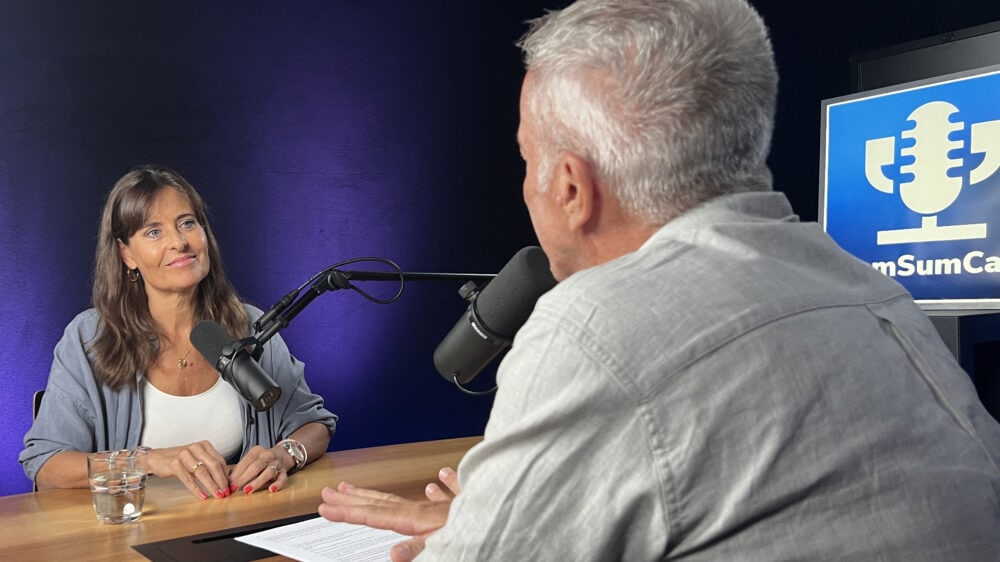
UBI President Roger Blum explains the role of the UBI in elections
The Independent Complaints Authority for Radio and Television (UBI) would have an important role to play in the event of complaints in an election year - but it could only make decisions afterwards. UBI President Roger Blum explained the role of the UBI in elections on Friday in Basel.


In the case of complaints against television or radio broadcasts, the UBI would have to examine whether these are so politically one-sided that the principle of fairness is violated. Blum said this to the media. However, the UBI could "in no way intervene in the election campaign in a regulatory manner". The reason for this is the different deadlines for submissions and statements to the upstream ombudsman and then to the UBI itself. According to Blum, this would mean that the UBI could only make a decision on complaints against election broadcasts in 2012 and thus "to a certain extent set rules for the 2015 election year".
According to UBI Head of Secretariat Pierre Rieder, Swiss radio and television legislation does not contain any special provisions on elections; principles must be formulated by the courts. For the UBI, the focus is on equal opportunities for candidates - both in terms of content and access to election broadcasts.
The UBI's task is also "purely of a broadcasting law nature" in the case of opinion polls, said Blum. In the event of complaints, it would have to examine whether the results were presented appropriately on radio and television. However, it is not allowed to examine whether the methods used by the opinion research institute meet scientific requirements. (SDA)