30 Years of blue: From the clatter of modems to Champions League celebrations
In 1996, «The Blue Window» brought the Internet into Swiss living rooms—today, the Swisscom portal is a top player in the industry. To mark its 30th anniversary, blue celebrated not only its own success story at Zurich’s Cinema Abaton, but also that unbridled pioneering spirit that still resonates today: Work hard, party hard.


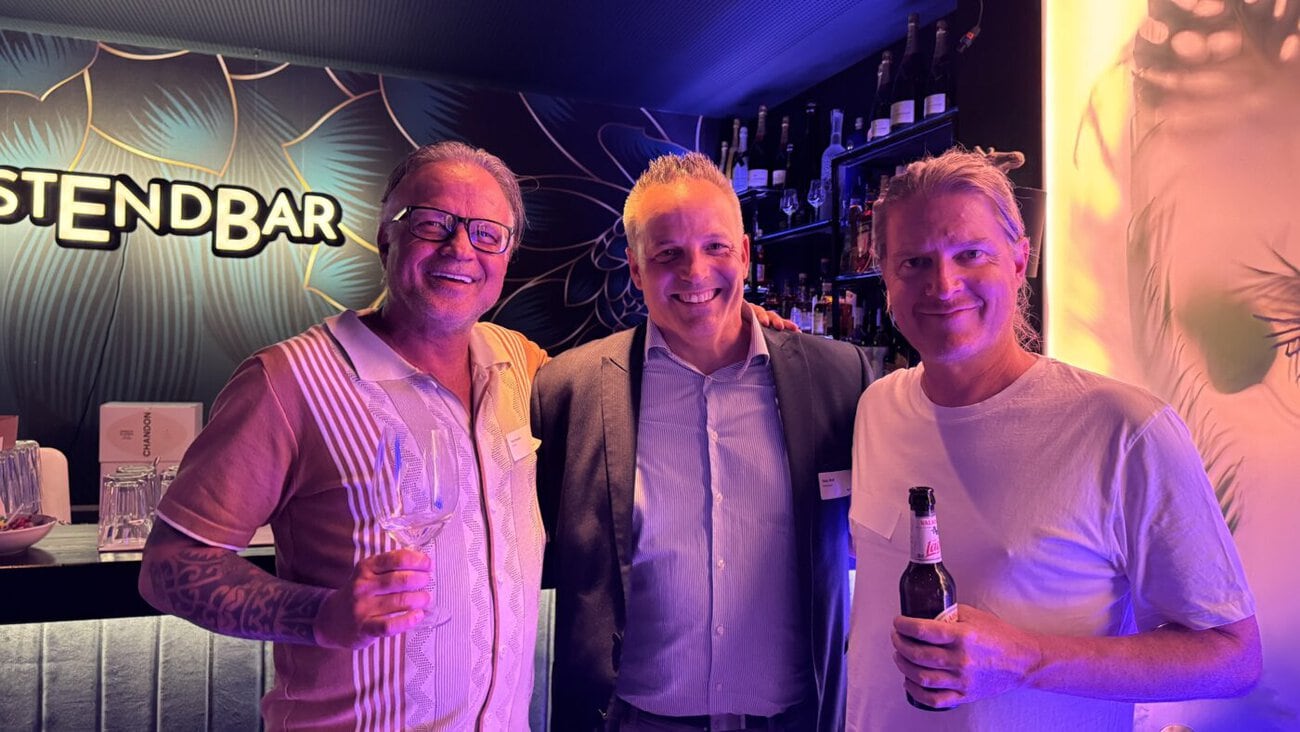
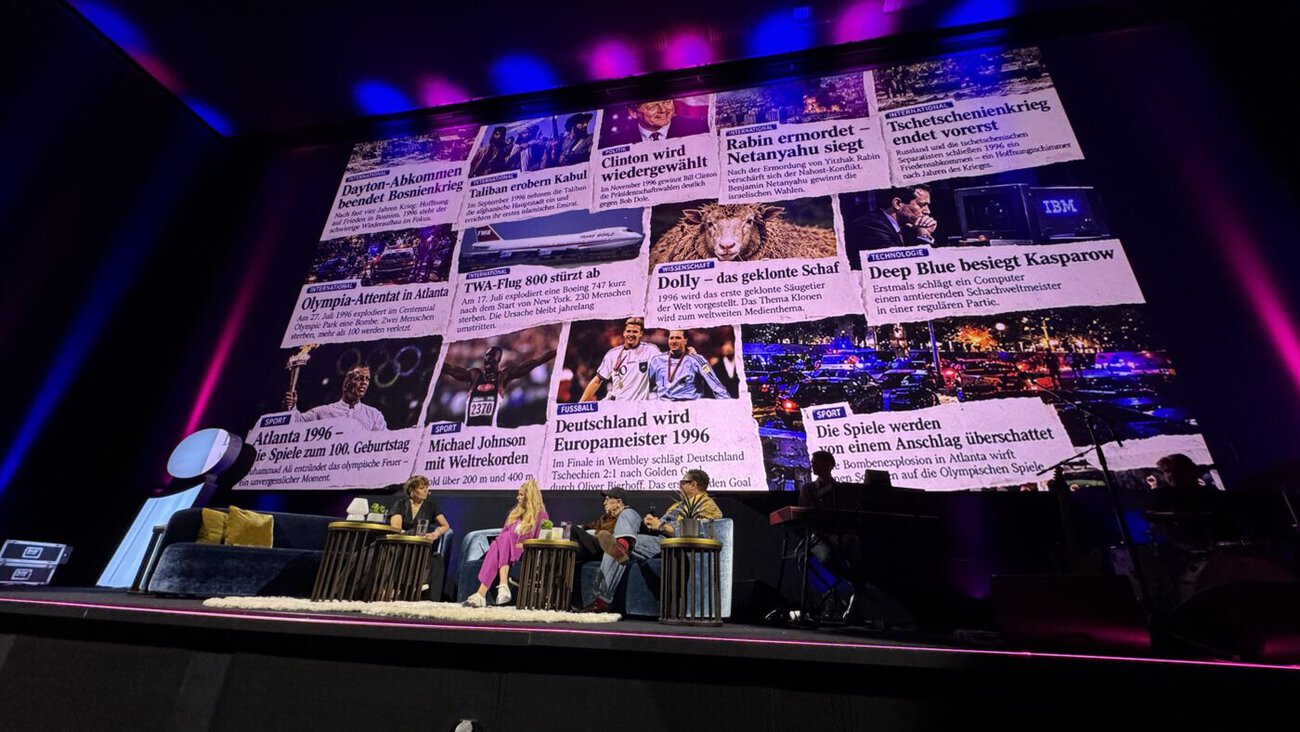
Outside, this September 15 felt almost like a new summer month; inside the blue Cinema Abaton, there was that electric energy that arises when 30 years of media history come to life on stage. Over 200 people from the worlds of business, sports, show business, and media celebrated the anniversary of a brand that has shaped digital life in Switzerland like almost no other.
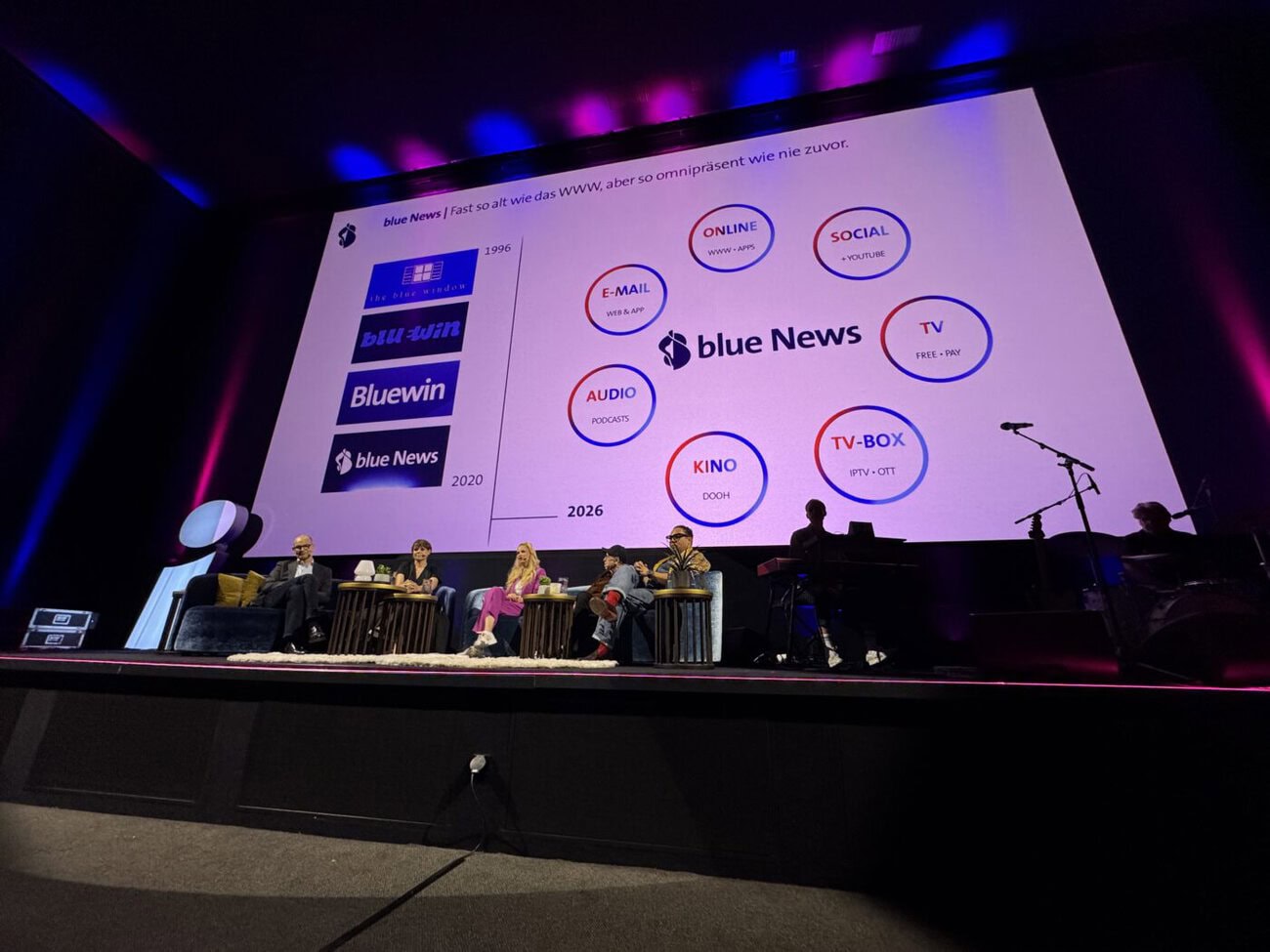
What began on September 16, 1996, under the name «The Blue Window»—a daring startup launched by the former Telecom PTT, IBM Switzerland, and various publishers to connect Swiss households to the global network at local rates—is now a giant. blue News ranks as Switzerland’s third-largest commercial news outlet—right behind the established heavyweights 20 minutes and View. With approximately 37 million visits per month, over 72 million page views, and about 555,000 unique users per day, the portal—marketed by Ringier Advertising—is a mainstay of Swiss media planning (WEMF MACH Strategy).
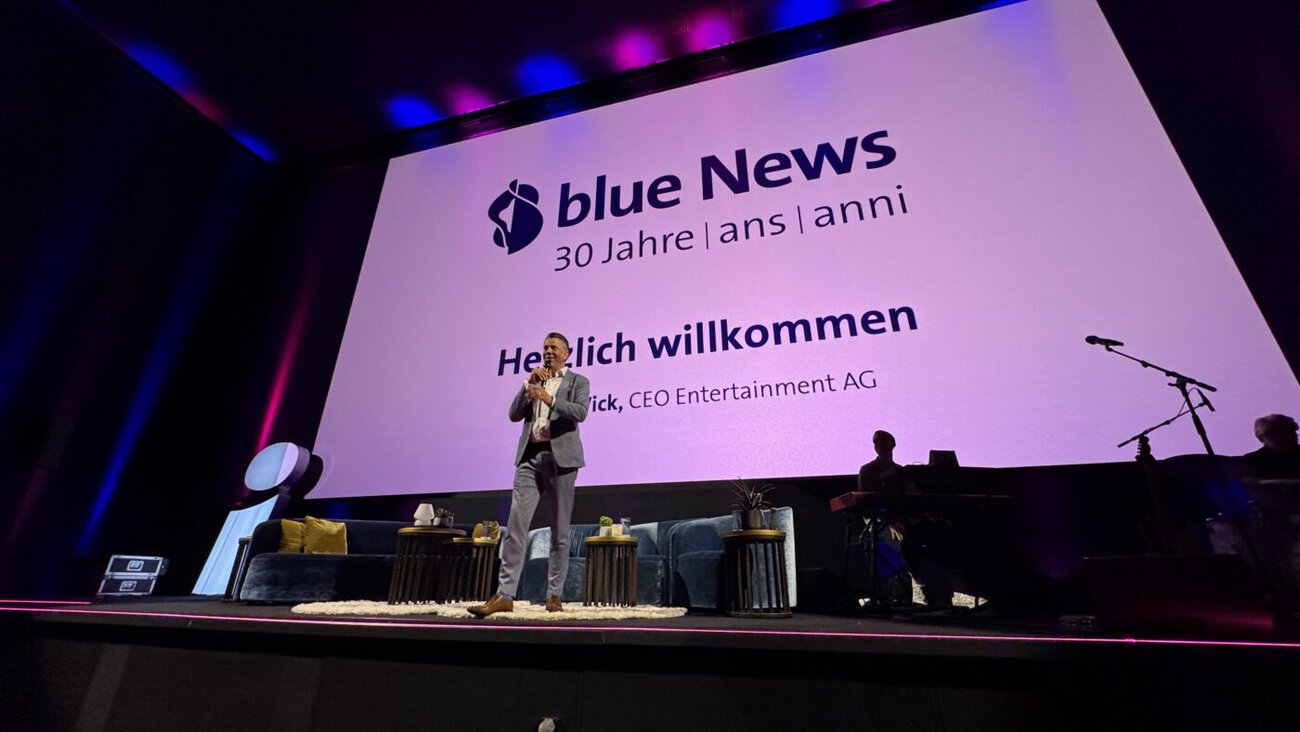
Cyrill Wick, CEO of blue Entertainment AG, kicked off the ceremony by expressing his pride in the company’s achievements to date:
«Thirty years ago, a handful of visionaries took a risk that hardly anyone believed in at the time. Today, with blue, we celebrate a media and entertainment company that inspires and moves Switzerland every day—thanks to hard work, tremendous passion, and an unparalleled team effort.»
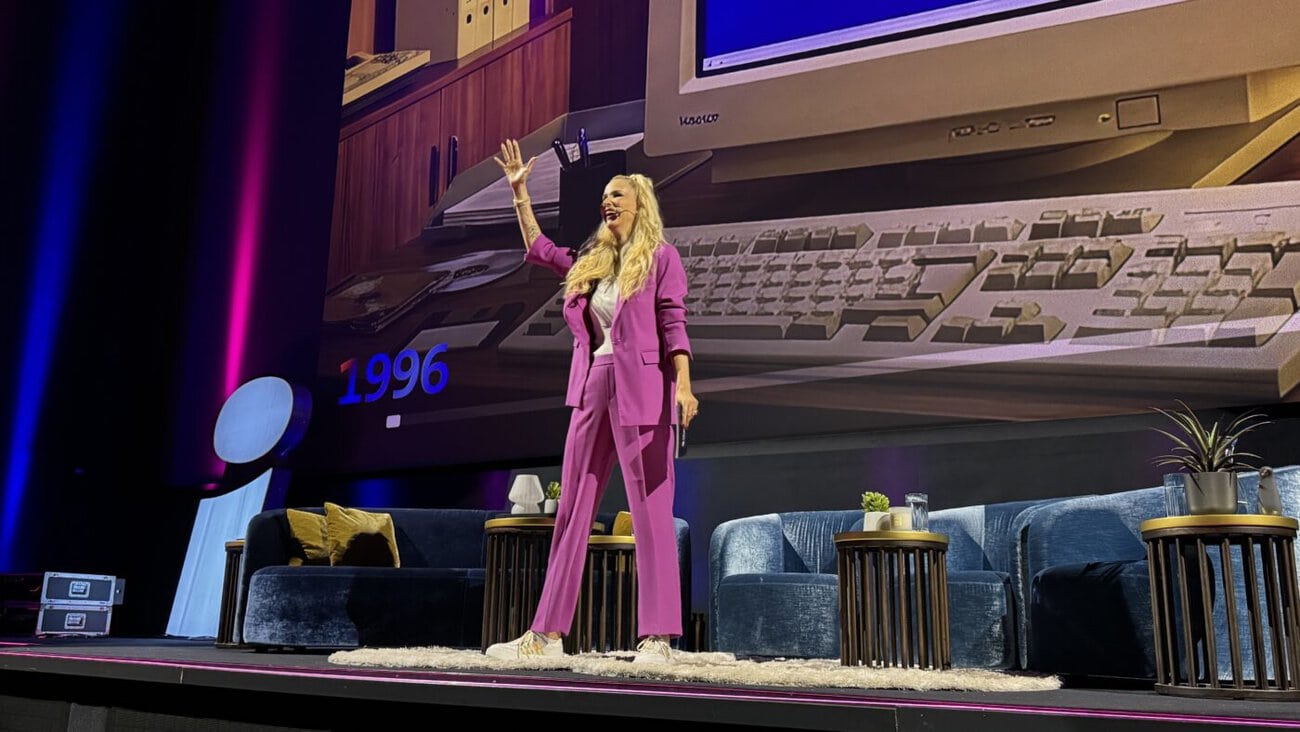
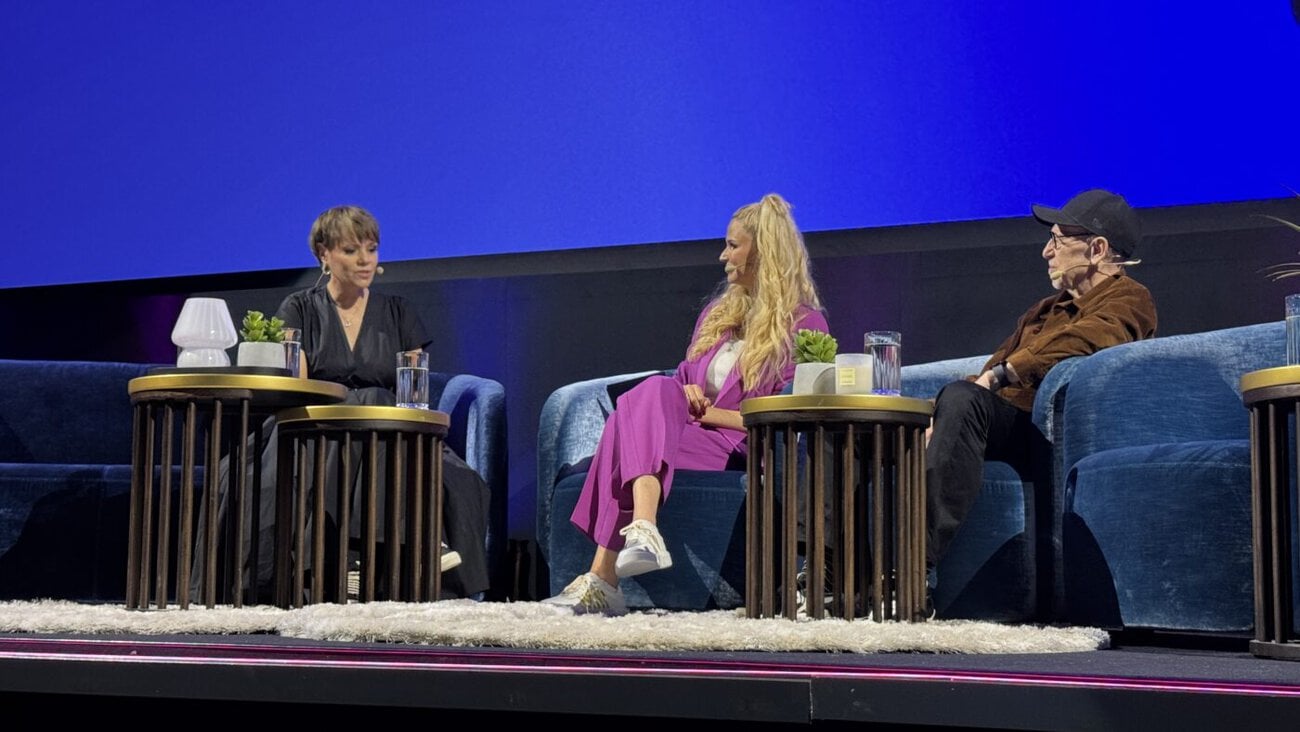
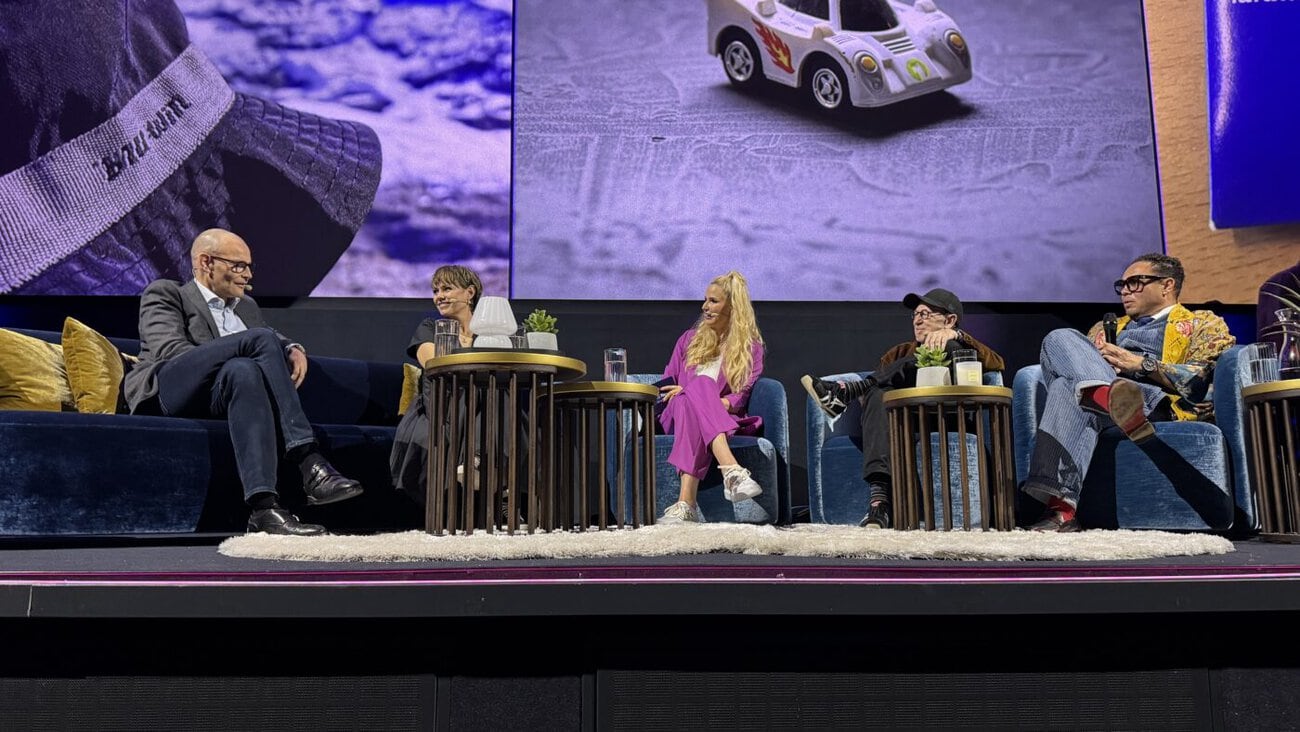
Claudia Lässer, Chief Product Officer at blue Sport & News, then moderated the panel discussion—featuring a star-studded lineup—in a professional, engaging manner and with palpable enthusiasm. She coaxed her guests on stage into sharing the anecdotes that continue to shape the brand’s DNA to this day.
The Sound of the '90s: Between the Macarena, Harry Hasler, and CD Shortages
The journey back to 1996 began with sound—with that unforgettable whistling, buzzing, and crackling of dial-up modems, which back then opened the door to the world.
For Viktor Giacobbo, 1996 was the year his alter ego «Harry Hasler» («Saletti zäme!») really took off. Giacobbo recalled the surprise success with a smile:
«We planned to press about 100 CDs as a joke for the few fans who turned on the TV on Sundays. Then it went through the roof—a radio station played it—and we ended up at number two on the charts. The only reason we weren’t number one was that the CD pressing plants simply couldn’t keep up with demand.»
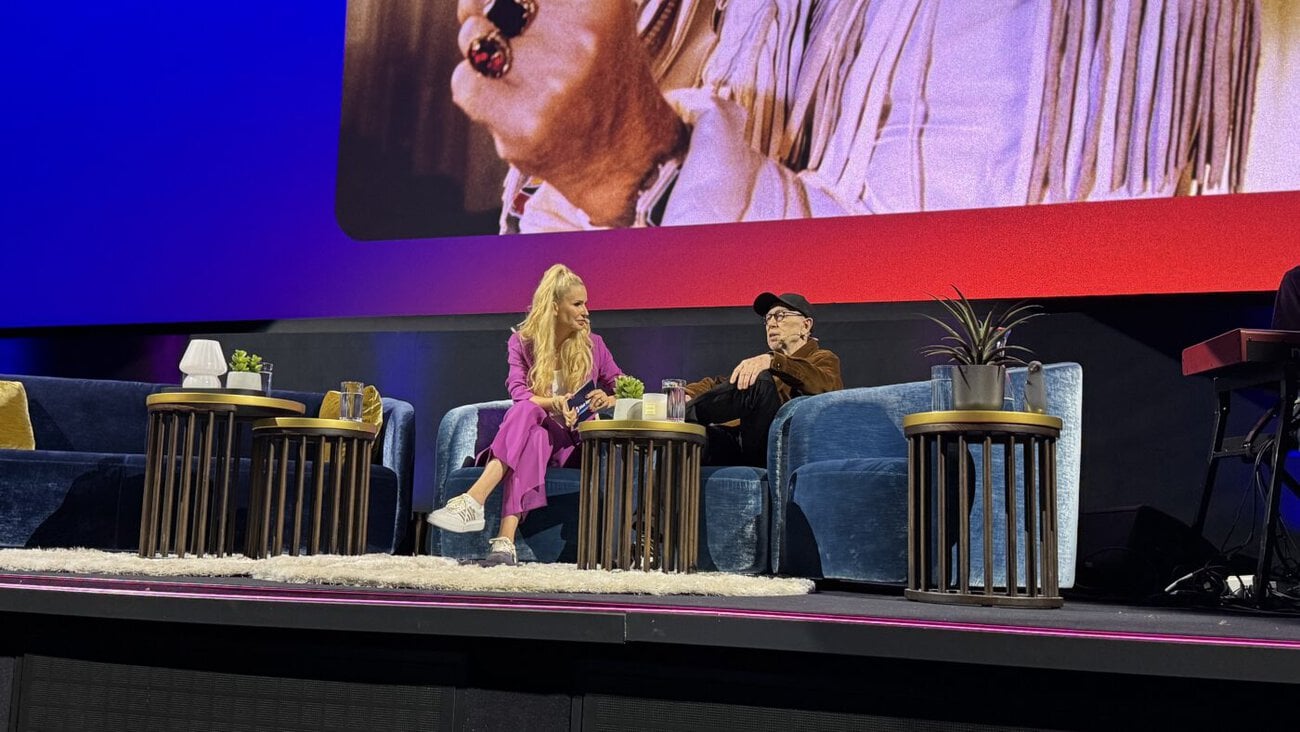
When Giacobbo was mobbed by thousands of fans at an autograph session at the Glattzentrum and several bodyguards escorted him onto a stage that was swaying dangerously amid the crowds, only one thought crossed his mind: «What the hell am I doing here?» Later, he made his mark on the TV landscape with «Viktors Spätprogramm,» which achieved market shares of up to 60 percent. This was only possible thanks to maximum editorial freedom:
«I didn’t have a boss telling me what to do, and we were broadcasting live—live. When TV executives once decided that Roger Schawinski was absolutely not allowed to appear as a guest on the show, I simply said, »If you tell me to do that, I’m quitting.’ Then they said, ‘If Viktor wants him, let him have him.’ From that point on, I never had a direct supervisor again.”
From the Gospel Choir to the Eurovision Song Contest: Years of Learning in the Spotlight
In 1996, Francine Jordi was in the middle of her classical vocal studies in Neuchâtel, singing in a gospel choir, and had no idea of the media frenzy that would engulf her in 1998 when she won the Grand Prix de la Musique Populaire. Suddenly, reporters were swarming her parents’ house:
«Back then, journalists would come right to your house and camp out at the front door. My mother almost had to refuse to give them food and drink so they wouldn't turn the whole house upside down.»
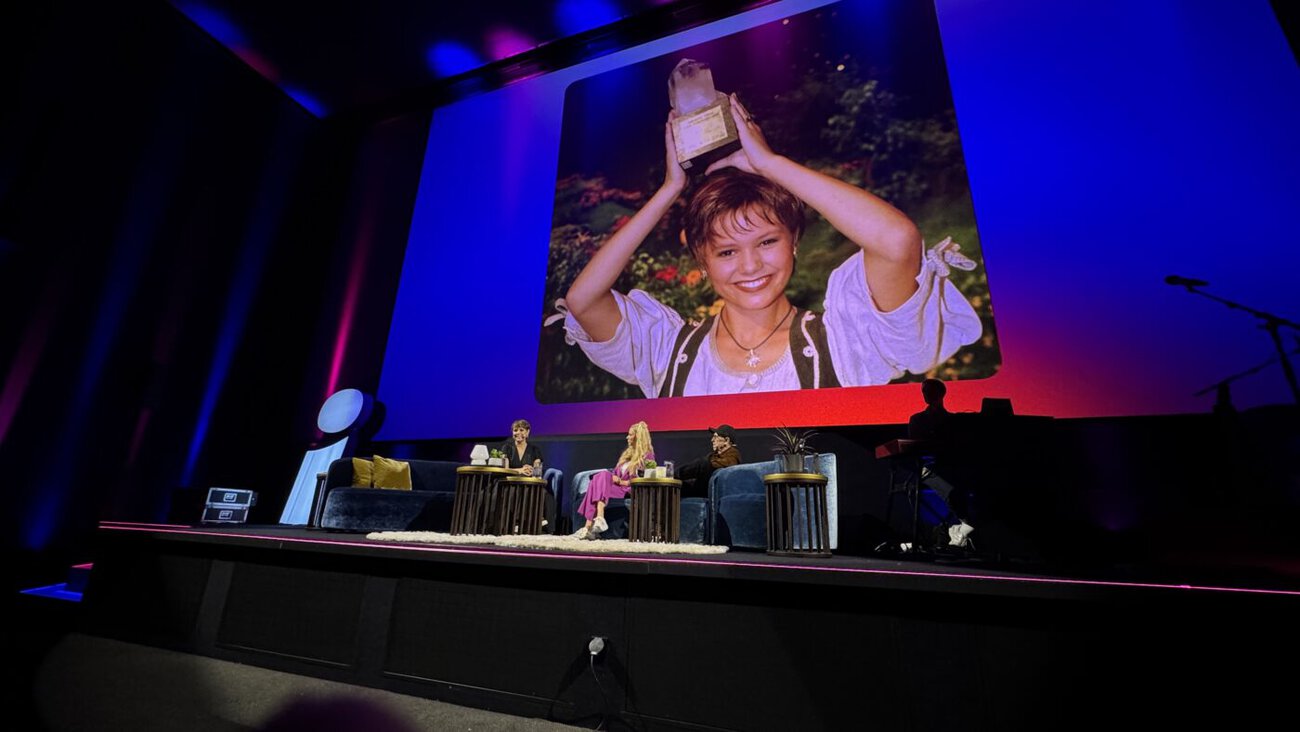
In 2002, they performed at the Eurovision Song Contest—a lesson for life:
«The day before the performance, my dress was still being hailed as sensational and beautiful, and I supposedly looked stunning. No sooner was the competition over than people were saying, »No, that dress was a total disaster—and don’t even get me started on the hairstyle!’ That’s when I realized for the first time: Ah, so that’s how things work in the media business.”
"Jeans-Gagen" and Kai Pflaume's Wake-Up Call
In 1996, at the age of 17, Marc Sway won a talent contest—though not in one of the major cities:
«For the story, Tokyo or New York would have been cooler, but in reality it was in Uznach. The prize money was 300 francs. I used it to buy a pair of Diesel jeans—and I pointlessly blew the rest.»
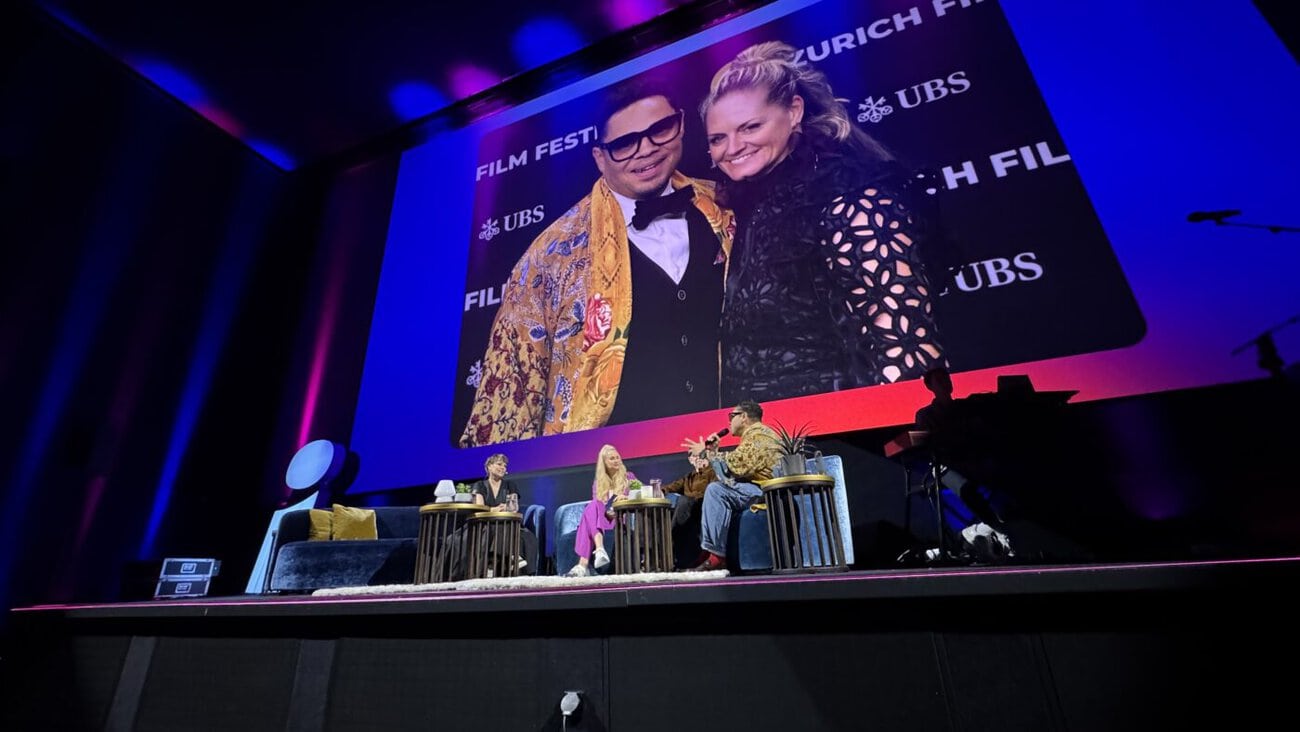
A year later, he met his wife, Severina, to whom he later dedicated his hit song. He owed the fact that his breakthrough song, «Ready for the Ride,» was released as a single at all to a prominent advocate:
«Kai Pflaume had decided back then that this had to be the theme song for his show because it was his and his wife’s absolute favorite song. When the TV network came knocking, the label immediately said, »Well, if Kai Pflaume says so, we’ll do it.’”
«Work hard, party hard»: When history was made in Seefeld
Sitting on stage alongside Christoph Brand—now CEO of the energy company Axpo—was the man who laid the foundation for blue. As the former head of «The Blue Window,» he vividly recalled the wild early years on Zurich’s Kreuzstrasse:
«At times, it was absolute chaos. It's really true: technicians slept in hammocks right above the servers, and the technology was still so unproven that we signed contracts with Cisco without knowing exactly how it would all work out in the end.»
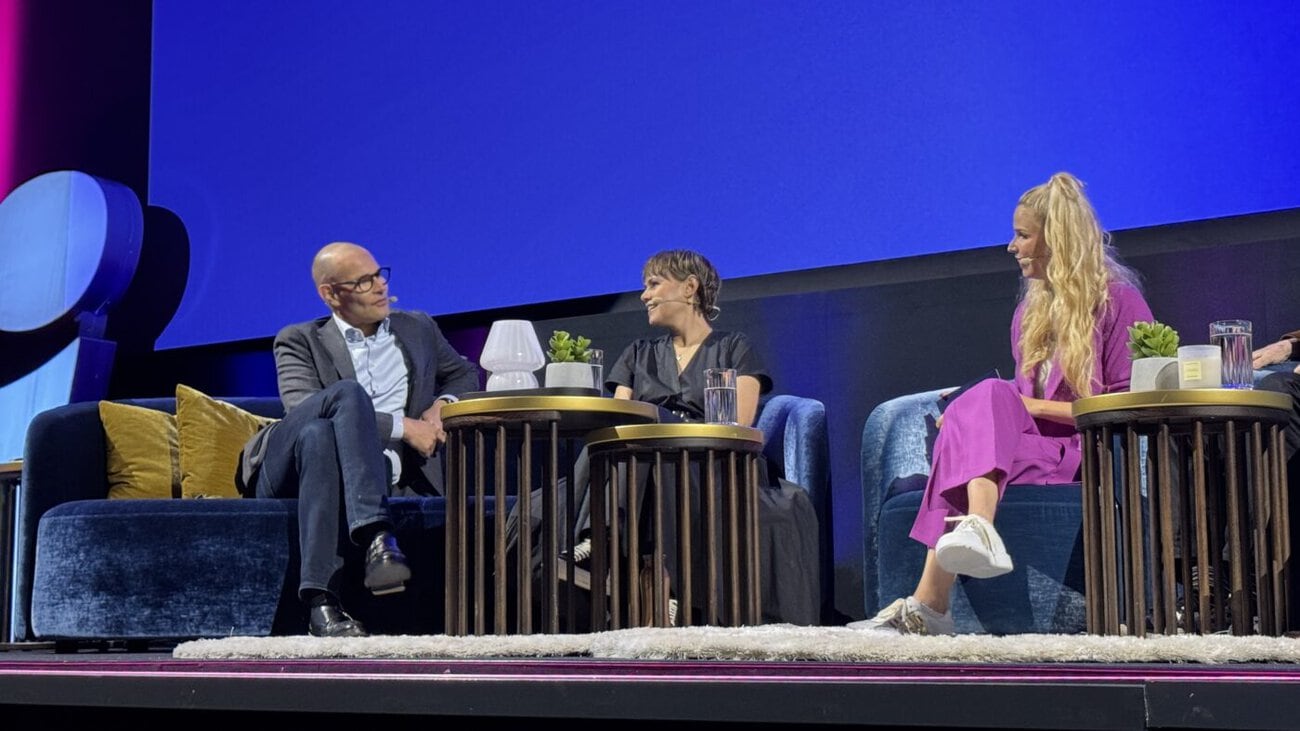
At the same time, an editorial office was established on the top floor of the brick building, which pioneered digital journalism at a time when publishers were still dismissing the Internet—complete with celebrity chats featuring fictional popes.
The fact that the startup was under the wing of the monopoly operator Swisscom at the time turned out to be a stroke of luck:
«Swisscom realized early on: If we try to force this little plant into corporate structures, it will wither away. So they gave us a lot of freedom. Our motto was very clear: Work hard, party hard. We worked incredibly hard, but the parties were legendary.»
Soccer: The Game-Changer—Champions League Celebrations Through 2031
This can-do attitude also characterized the company’s later milestones. The decisive move came in 2006 with the launch of bluewin TV: The start of full live coverage of the Swiss Super League (and later the Challenge League) catapulted the brand to an entirely new level.
In 2018 came the blockbuster deal: Teleclub secured the exclusive rights to the UEFA Champions League and broadcast all matches live for the first time. Where modems once beeped, the cheers from Europe’s soccer temples now echo through Swiss living rooms. blue Sport has become the indispensable “Home of Football”—a status cemented by the recent extension of its rights through at least 2031. What would blue be today without soccer? Certainly not the well-rounded experience it felt like on this anniversary evening.
A Thrilling Finale and a Summer Night at SOHO
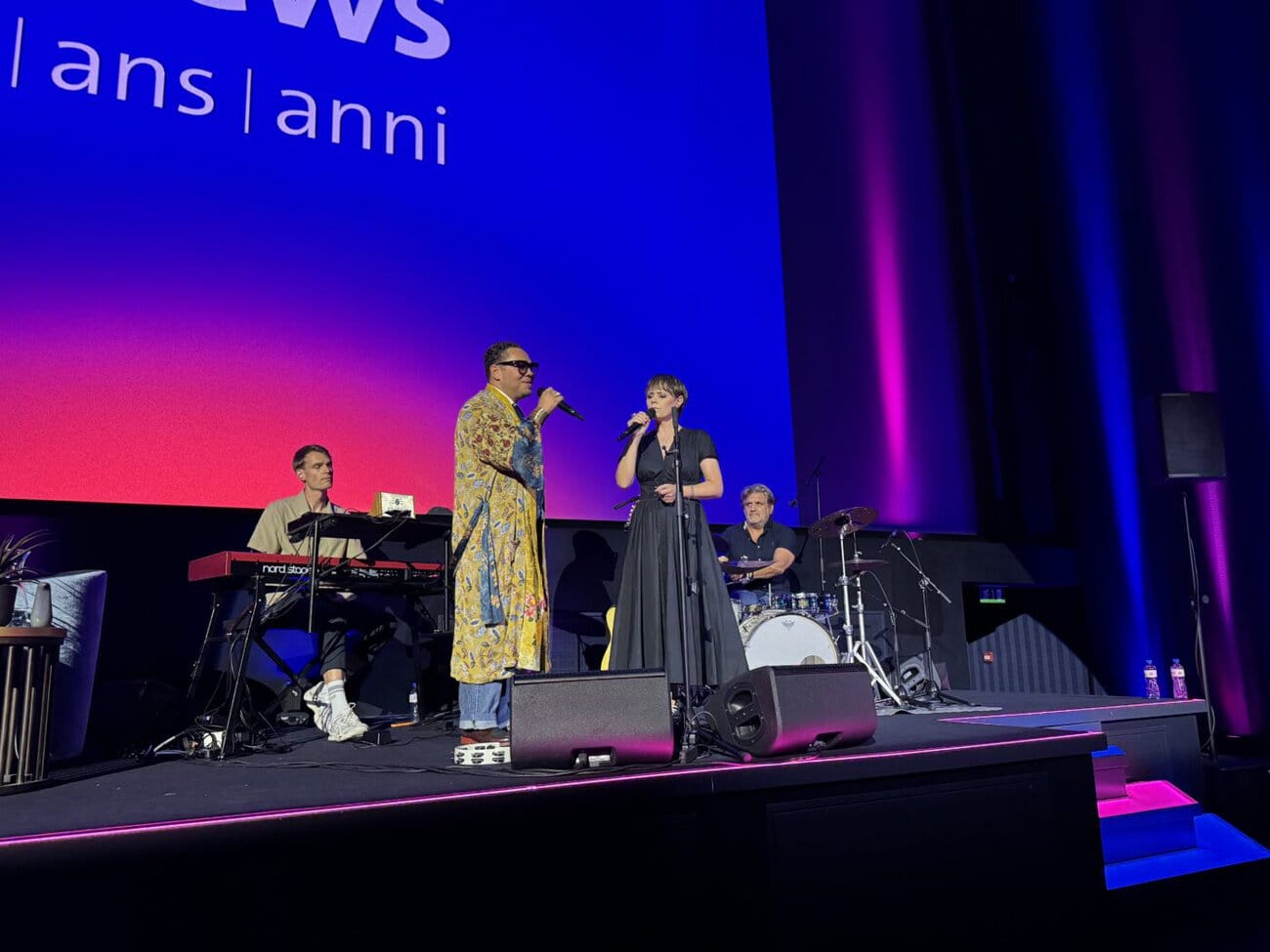
The musical finale in the movie theater proved that, despite all the technology, AI innovations (such as the in-house «Mai AI»), and business reach, the heart of the event remains the music: Marc Sway got the crowd fired up with «Severina» and eventually brought Francine Jordi on stage for a spontaneous duet. When the two of them sang the touching lyrics of «Din Engel» together—
«The world lies open before you, like a blank page. Your story is what you make of it…»
– No one could stay in their theater seats any longer.
After that, the party shifted seamlessly to the neighboring SOHO. With excellent food, cool drinks, and a packed crowd in the Fumoir, the approximately 300 guests proved that the blue crew hasn’t forgotten their founder’s guiding principle: Work like pros, party like family.
Looking Ahead: «Facts, Not Noise»
On the sidelines of the celebration, he met m&k-Reporter Beat Hürlimann sat down for a conversation with host Claudia Lässer. In response to his observation that they had just spent 60 minutes looking back over 30 years—and that it would therefore be worthwhile to take a 60-second look 30 years into the future—Lässer clearly articulated the vision for the future of blue News:
«We want to continue offering a news portal with trustworthy content. In today's world, that's incredibly important: facts instead of noise. We're all news junkies, but the issue of factual accuracy will become even more central in the future.»
Lässer also sees the key to success for the coming decades as rooted in the spirit that Christoph Brand once exemplified:
«Christoph Brand taught us that you can live by the motto »work hard and party hard.’ We still have that spirit at blue News today. We call it the ‘Folks Spirit’—a ‘national sport’ mentality. Ultimately, finding joy in what you do is what leads to success.”
And addressing the advertising industry and media planners, she added:
«We're a really cool brand that lets you create incredibly powerful storytelling. We love sitting down with our clients, crafting unique stories, and offering exciting advertising opportunities with a wide reach—all backed by a fantastic team.»
Conclusion: Thirty years after the first crackling sounds of an analog modem, blue is a multimedia powerhouse featuring news, sports, streaming, and cinema. Financially well-supported by its parent company, Swisscom, marketed by Ringier Advertising, and driven by a cool, ambitious team with a palpable pioneering spirit. In a rapidly changing market, there’s always room for growth—but the course has been set for the next 30 years.