«Eigentlich» Column: We're Frustrated—But We're Staying Anyway
Bank fees have been one of the most sensitive topics in Switzerland for years. Hardly any other issue is discussed as regularly. The fees are said to be too high. The services no longer justify the costs. Other banks are cheaper. And yet many customers remain loyal to their bank for years or even decades. Why is that, exactly?


The answer seems simple: Switching banks is a hassle. Accounts have to be transferred, standing orders adjusted, cards replaced, and apps set up again. That’s true—but is that explanation really enough—especially since many banks offer comprehensive assistance with this? –
Maybe it's about something else
Maybe we don't stay with our bank because we're particularly satisfied. Maybe we stay because we know what we have. We know the processes. We know the app. We know the staff. The staff knows us (or at least that's what we think).
We know our bank's strengths—but also its weaknesses. What we don't know is what would happen after a change.
The well-known drawback
That sounds contradictory. Why do people accept something they criticize at the same time? Perhaps because known drawbacks are often easier to accept than unknown alternatives. The frustration over the fees is tangible. The consequences of switching are uncertain.
And it is precisely this uncertainty that could be stronger than the desire for change.
More Than Just a Question of Price
Perhaps that is why the discussion about bank fees is too narrowly focused. It’s not just about prices. Nor is it just about fees. It’s about the question of what factors motivate people to continue a relationship that has developed over the years, despite growing dissatisfaction with the costs. And perhaps security and reliability are more important than we realize. Or perhaps human inertia prevents us from taking that step into the unknown.
What does this mean for banks?
Perhaps that's why banks should ask fewer questions:
How high can our fees be?
And more often:
Why do our customers stay with us in the first place?
Because there is a crucial difference between these two questions. The first question deals with prices. The second with Relationships. And that might be where the real insight lies.
… Actually: … we don’t stay with our bank despite the fees. Maybe we stay because we know what we have—but not what an alternative would offer.
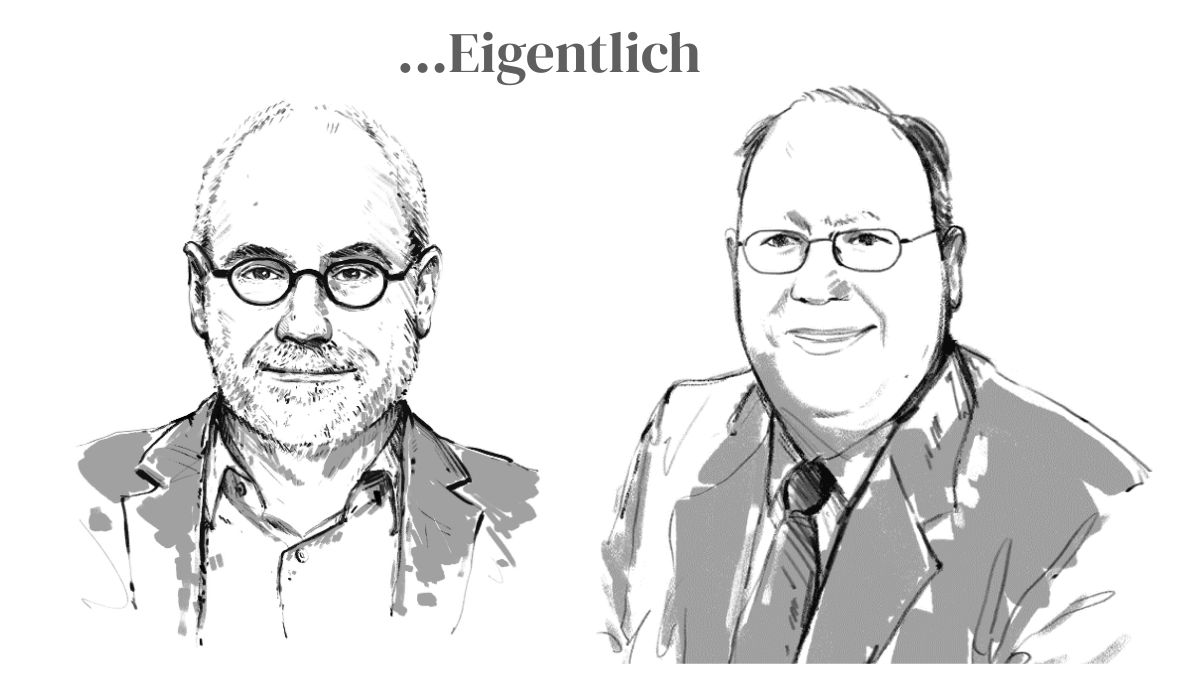 Philipp Fessler Klaus Ammon and I have a combined total of more than 50 years of experience in consumer research and marketing research. During this time, we have seen many pricing methods emerge—and some disappear again. What has remained is the conviction that good pricing research never ends with numbers. After all, prices have not only a mathematical impact but also an emotional one. What matters, therefore, is not only what people can afford to pay, but also what feels right, fair, or valuable to them. Management Tools has been working precisely at this intersection of data, perception, and behavior for many years. Philipp Fessler Klaus Ammon and I have a combined total of more than 50 years of experience in consumer research and marketing research. During this time, we have seen many pricing methods emerge—and some disappear again. What has remained is the conviction that good pricing research never ends with numbers. After all, prices have not only a mathematical impact but also an emotional one. What matters, therefore, is not only what people can afford to pay, but also what feels right, fair, or valuable to them. Management Tools has been working precisely at this intersection of data, perception, and behavior for many years.
«»