The spirit of the times
Consumers set trends—and brands have to follow them. They get help from agencies that have turned cultural observation into a business model.


Who still remembers the «LOHAS»? This demographic—whose name stands for «Lifestyle of Health and Sustainability»—was the «hottest thing» marketing had to offer in the 2000s: LOHAS value sustainability and conscious consumption; they are inquisitive and critical. At the time, about five percent of Germans belonged to the LOHAS group, which had previously been simply called «ecos.» This demographic still exists. But it’s no longer just affluent, older consumers—as they were defined in the 2000s—who value the environment and health; rather, a large portion of society, across all age groups, now does. People are changing; new values are gaining importance, while others are fading away. New trends and cultural phenomena are constantly emerging.
«Any brand that wants to remain relevant must speak the language of its target audience.»
Any brand that wants to remain relevant must know and understand its audience and speak the language of its target groups. But how can this be achieved? How do advertisers manage to stay on top of the latest trends and leverage genuine insights that others don’t have? One key factor is the support provided by agencies: Using a variety of approaches, they take a close look and uncover trends and phenomena that can give their clients a real competitive advantage.
«Edges» as a Tool
At TBWA, such trends are called «Edges.» They highlight emerging changes in culture, markets, and consumer behavior—and are intended to serve as a guide for brands to identify topics that will allow them to connect with their target audiences in a more relevant way. This is how TBWA Zurich describes it in its latest Zeitgeist Report, a comprehensive analysis of cultural shifts worldwide and in Switzerland. More than 300 TBWA «Culture Spotters»—agency employees around the globe—go through life with their eyes wide open, documenting their observations and insights. From these, specific «Edges» are defined—ranging from «Activist Awakening» to “Zero Out”—which serve as a foundation for the agency globally and are explored in greater depth in Switzerland through a survey. The survey not only asks how people feel about specific topics and trends and how their behavior changes as a result, but also how this affects their consumer behavior.
«With the data from the survey, we can quantify culture,» says Lukas Diem, Head of Strategy at TBWAZurich and the person responsible for the Zeitgeist Report. Trends, the advertising executive explains, are not short-lived social media trends, movie hypes, or fleeting buzz, but rather long-term, profound cultural shifts. In nearly every briefing, the agency tries to leverage these «edges» to its advantage, according to Diem. Sometimes they form the basis for a brand’s positioning; other times, trend research supports the insights used in campaign planning. «We use this as a tool,» says Diem, «to make our clients» brand presence more relevant.” He is convinced that this approach can be a real competitive advantage over others. After all, cultural trends change not only values but also consumer behavior and willingness to pay.

Let's go to «Sheesh»!
A successful case study from the agency illustrates what this means in practice: The task was to position Swiss Federal Railways (SBB) in a way that resonated more with Gen Z. It would have been obvious to focus on sustainability, explains Diem. «That’s all well and good. But we looked at which issues stood out most among Swiss Gen Z. And those were mental health topics. Young people are focused on ‚coping‘ in this stressful world.» Psychological studies also showed that active leisure activities and social experiences are effective ways to reduce stress and alleviate pressure. The approach for SBB: The train serves as a gateway to a network of destinations that represent shared experiences—and these are good for young people’s mental health. SBB became the gateway to a world of possibilities for Gen Z that no other mode of transportation can offer them. For the campaign, therefore, young people’s worlds of adventure were marked with the SBB’s signature blue station signs, which, however, did not list local destinations but rather the emotions that the journey there is meant to evoke—whether «Sheesh,» «Slay,» or «Wyld.».
More and more new specialized agencies and units are also focusing on trends and cultural phenomena. For example, Jung von Matt Nerd in Germany has been offering insights into topics such as gaming, nerd culture, fantasy, and fandom since 2020 («These aren’t niches—this is a superculture,» founder Toan Nguyen said at the time in an interview with Brand Eins), David + Martin aims to «blur the lines between advertising, art, and pop culture» with its offshoot Presence, as the agency announced, while others focus on hip-hop, sports, pop or subcultures, and communities.
Not a buzzword
Serviceplan is taking a strategic and holistic approach to this issue: With its newly founded agency, Serviceplan Culture—led by hip-hop journalist Niko Backspin, former TikTok manager Franziska Gregor, and communications expert Sven Labenz—the goal is not only to better reach cultures and subcultures but also to gain a deep understanding of them. «The question is: Do brands just listen, or do they truly and sustainably change their language and marketing behavior when addressing their target audiences? Isn’t it much more important to step into cultures and subcultures to be present where trends emerge? Cultural marketing isn’t just a marketing buzzword; it must become an integral part of brands» advertising mix—not least because it influences commercial success,« explains Franziska Gregor, Managing Director at Serviceplan Culture. According to the expert, the key is that it’s not about »cultural campaigning” or focusing on just one culture or subculture: “Relevance arises when a brand and a culture enter into long-term partnerships. And that includes identifying the right subculture for a brand and tapping into it. We call this ‘tap into culture.’”
«We use this as a tool to make our clients» online presence more relevant."
The agency has developed its own product portfolio to make subcultural fields and activities measurable for brands—and to determine their value within them: a CVP, or «Cultural Value Proposition.» «Cultural marketing must be measurable—otherwise, it remains just a buzzword, mere marketing jargon without a real budget. Data and insights play a major role here, as does the voice of the culture itself. For us, both are central.»
With its own international and steadily growing Cultural Council drawn from a wide variety of fields, the agency tailors its consulting services to each client’s specific needs—with a diverse group that shares perspectives, community knowledge, and insights. The advantage: «Even though we in the leadership team are completely different both culturally and in terms of our skill sets, what unites us is that all three of us are white and privileged. The fact that three white communications professionals—two of whom are male—are telling brands what culture is and how they can use it is, in itself, a mistake. Trends don’t emerge from mass media, and culture isn’t created at the desks of advertising agencies.» Or, in short: «Never talk about culture without culture.»

Charles and Ozzy — yawn!
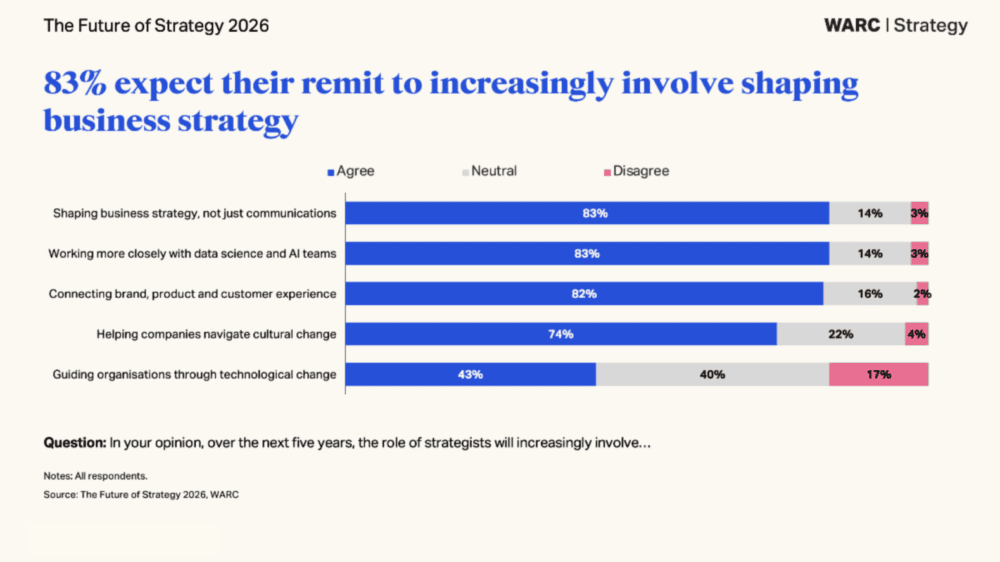
And thanks to social media, culture has become much more visible today than it used to be. Everyone can see what’s trending there, join a community, express their preferences, and share them with others. And that’s where trends emerge. Unlike in the past, brands have to respond to them—and as quickly as possible. «»Marketing professionals can no longer ignore the topics of culture and cultural marketing,” agrees Lukas Diem. Instead of traditional target audience thinking and pure segmentation, what matters more and more is what is truly important to people—what moves them—rather than which social circle, age group, or income bracket they belong to.
«People are more individual than ever. We're talking about »communities of culture.'"
The age-old favorite example of all marketing professionals—that Ozzy Osbourne and Prince (now King) Charles are like twins in terms of their sociodemographics but otherwise as different as night and day—has always suggested that: People are much more individual than their gender or date of birth—today more than ever. «Consumers» real-life situations have long been diverse and can no longer be explained by simple demographic data. So they’re reaching their limits,« says Franziska Gregor as well. For the head of cultural marketing, this means one thing is crystal clear: »Traditional target audience marketing, as we’ve known it so far, has had its day. We’re talking about ‘communities of culture.’”