Trade fairs: Time for transformation
In a survey conducted by Easyfairs' Stephan Forseilles, only 23 percent of trade show customers said they could hardly wait to attend trade shows again. This result is in stark contrast to the expectations of trade show service providers.


Exhibition stand construction companies, exhibition service providers, event agencies: they are all feeding their hopes for future business on the basis that the exhibition industry, i.e. exhibitors and visitors, will have a pent-up demand for face-to-face business meetings, live and in real time, after Corona. But could it be that we were wrong about that?
What if Corona will lead to a change in trade show behavior? What if the change in the "trade show" business model that has been a long time coming is now simply accelerated by Corona?
In recent weeks, the leading trade fair associations have emphasized the important function of trade fairs as accelerators and match-makers for entire industries. Will they continue to fulfill this function? Of course, but probably in a different way, namely digitally transformed. For a new generation of trade show stakeholders.
Only 50 percent left?
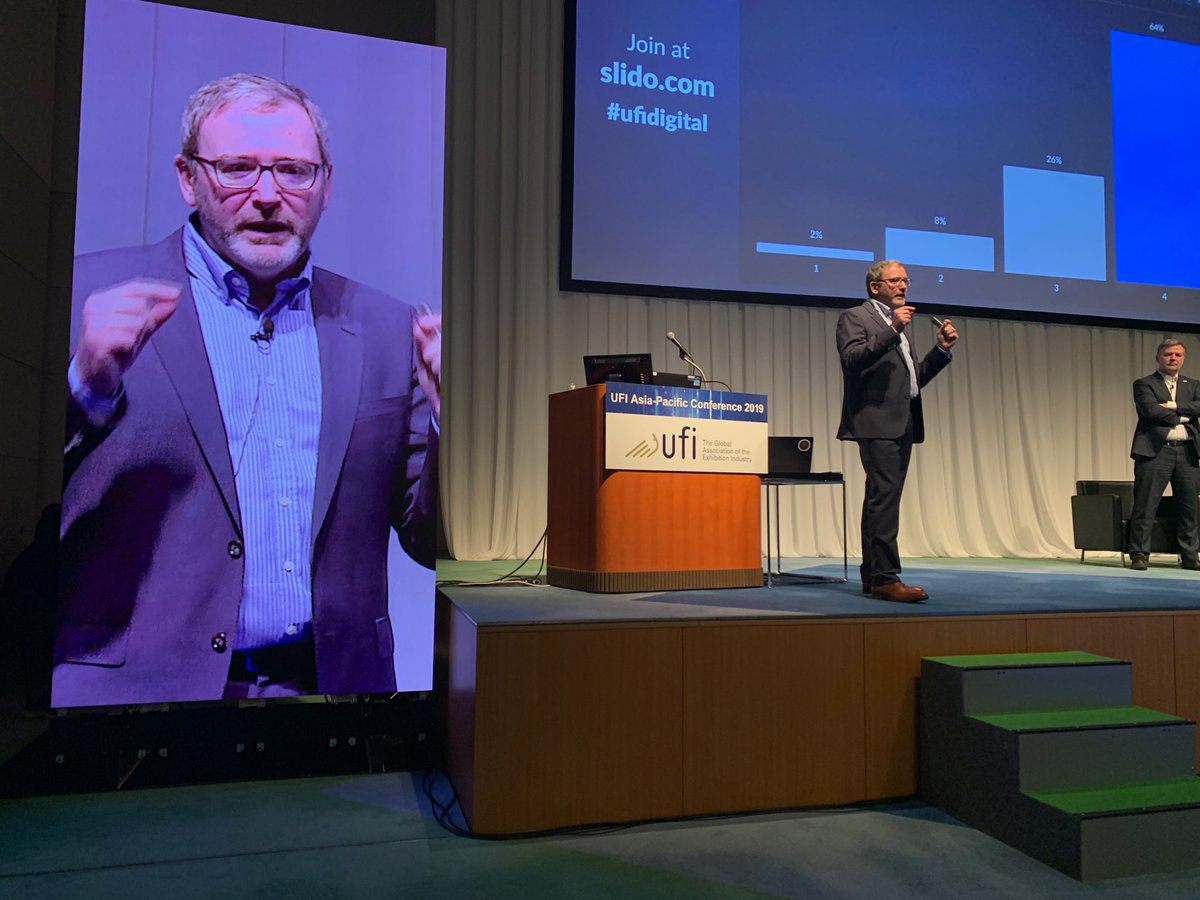
The conclusion of a changed trade fair behavior and further conclusions are drawn by Stephan Forseilles (picture above) in its survey among 300 people in the trade show industry. He says only half of those surveyed wanted to attend trade shows after social distancing was lifted. He concludes that perhaps only 50 percent of existing visitors would be persuaded to attend trade shows in the future. And why not? Why not work with the working hypothesis "what if trade shows will never again reach the size of past times"?
Interest groups living from the trade fair business now say even more adamantly "that one simply has to be optimistic that the trade fair business will return". Forseilles, who himself makes a living from the trade show business with Easyfairs, is self-critical about this statement and comes to an unequivocal verdict: "those results (note: of his survey) just convince me further that we will not get back to the old normal". But if the old normal is partly obsolete - what is the new normal?
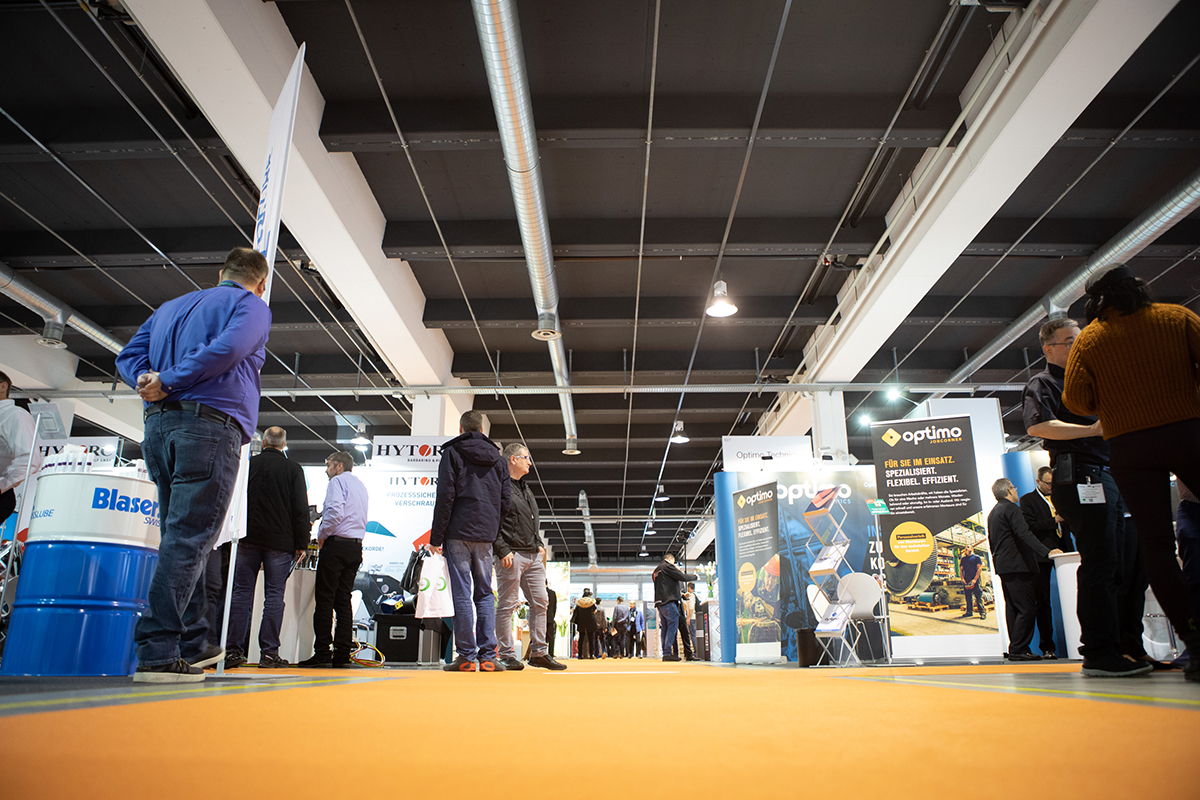
The Easyfairs maintenance fair in Zurich
The models are ready
Stephan Forseilles' Easyfairs is one of the few trade show organizers that have been using digital tools for years to make their exhibitor and visitor customers more successful. The so-called "Easy Go" package, which exhibitors use to acquire the famous "leads", even from visitors who do not come to the booth, were the first step in this direction - and the process will continue.
The good news: There are more models of transformed trade shows, respectively trade shows that are on their way. Service provider Balluun.com has been on the move for years with its digital "marketplaces," the digital extension - not replacement! - of trade fairs. Until now, however, only American organizers wanted to take care of this digital strengthening of the relationship with their community. Since Corona, Balluun has been overwhelmed by inquiries and can no longer meet the demand.
Time for hybrid events?
We have been asking ourselves for a long time: What will happen to former "dinosaurs" of trade shows such as an IAA (Auto), a Autosalon, a Baselworld, a Swissbau? Stephan Forseilles leaves no doubt about this either when he says: "On the long term, it seems clear that we will not enjoy the blissful comfort of the old days anymore. We need to move towards more hybrid events with more online content."
According to Stephan Forseilles, the "good old days" are a relic of yesterday. What live communication needs now are new ideas and the courage and conviction to tackle them consistently. It's time to transform. Expodata Live Communication launches a series on the future of live communication, broken down by event organizers and their service providers.