These five trends will shape 2019 in the field of artificial intelligence
Pegasystems, provider of strategic software solutions, shows the direction in which the development of artificial intelligence (AI) will go and which trends will shape 2019.


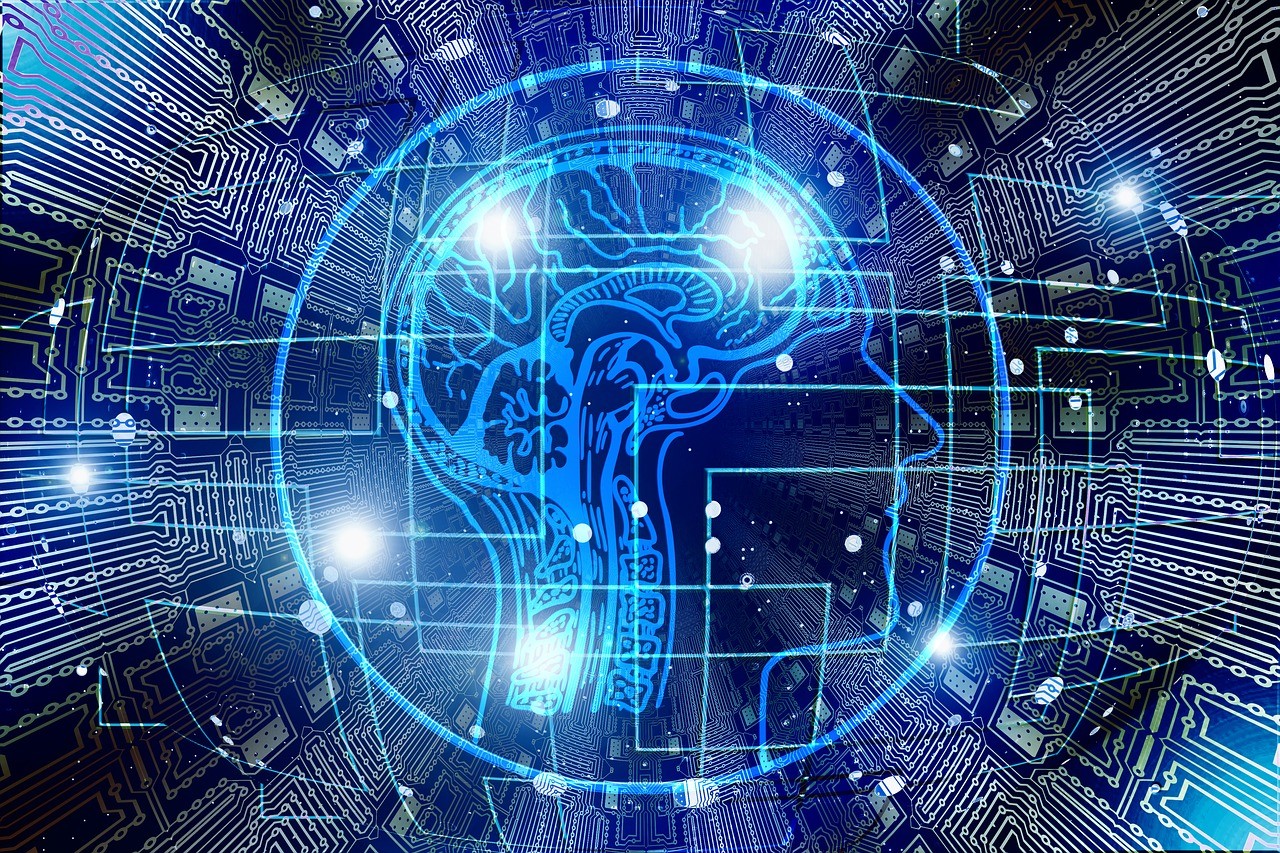
1. artificial intelligence and empathy
The focus of AI will shift towards empathy, because "cold analytical intelligence" is no longer sufficient for truly consumer-oriented AI. Customers want to be viewed as individuals and not just as customer data records. The task for AI providers is therefore to equip the technology more strongly with emotional intelligence and empathy, i.e. to "humanize" it.
2. real time interaction management (RTIM)
Real Time Interaction Management (RTIM) is reaching a turning point: the early adopters of AI in the RTIM environment can massively increase the returns on their investments. As a result, even those companies that have been reluctant so far will shed their skepticism and embrace RTIM - and thus contribute to significant RTIM growth. Only if a company uses AI-supported RTIM for customer engagement will it remain competitive.
3. customer value officer
In customer relationship management, the use of AI must benefit both the company and the customer. But whose responsibility is it to make sure it happens? This is where the Customer Value Officer comes in. He or she will prove to be an important link in reconciling the needs and interests of a customer on the one hand and the company's business objectives on the other. To perform this balancing act, customer value officers need an AI that continuously optimizes business value - including products, channels and functions such as sales and service.
4 AI and data protection
Companies will increasingly have to view the use of AI in the context of the EU General Data Protection Regulation (GDPR). This means that they need to review the way in which they use AI. On the one hand, AI can be a black box that is overloaded with learned biases; on the other hand, it can promote smooth, personalized customer engagement. As regulations tighten and customer demands increase, companies will need to be able to control and regulate AI judgments and decisions to ensure privacy compliance.
5. AI-driven app development
In the low-code concept, experts from specialist departments can also contribute to software development even if they do not have any specific programming expertise. The next evolutionary step is AI-controlled app development. This refers to applications that develop themselves without any human influence. AI-driven app development goes beyond low-code development and creates software by identifying problems itself and generating solutions automatically. When implemented effectively, AI can recognize patterns of inefficiency and write software without interacting with business users or IT departments.