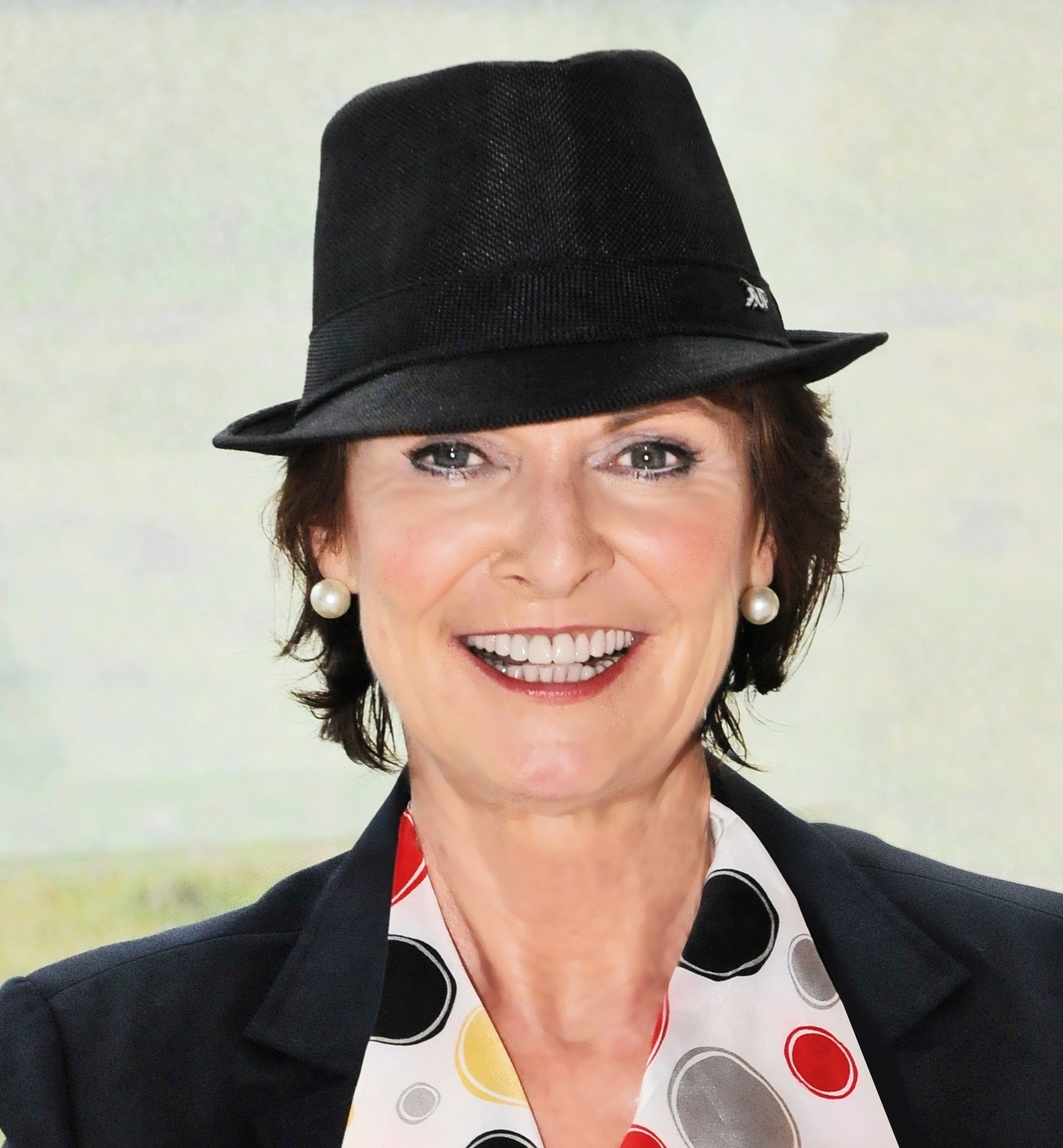
"The 50 plus target group is a stupid invention of the advertising scene"
Editorial
-
March 2, 2017
Marketers have a strange habit of working with target groups rather than individuals. This involves a mental grouping of people according to common characteristics, traits and behaviors. However, it is becoming increasingly clear that our behavior is not determined by demographics and milieu, but by a wide variety of lifestyles, ways of thinking and value patterns: homogeneous groups with similar purchasing behavior have given way to an incredible diversity of lifestyles. This is why classic segmentation approaches no longer work today. Even within age groups, there are only a few common characteristics. Of course, this also applies to the so-called 50-plus target group. As in every other age group, the differences are enormous.Things really get going after 50Nowadays, a new phase in people's lives often begins around the age of 50, especially for women. It is called the "second awakening". As business founders, some start "all over again". Or they support the young generation of founders as business angels. Or they get involved in charitable work.65 is not the age at which anyone is old today, or at most young for a very long time. People continue their education and want to make themselves useful. They diligently make plans for all kinds of semi-professional and private activities and enthusiastically put them into practice. You keep fit and do a lot to stay healthy for as long as possible, and you don't want to be old for as long as possible. "I look like a granny in this," I recently heard a 75-year-old woman say indignantly when trying on clothes. 80 is the new 65 in an ageing society. There is still a lot to learn about this very old age cohort. The best way to do this is to actively involve them.Barbara Beskind is probably the oldest product designer in the world. At the age of 89, she applied for a job at the renowned design company Ideo - and was promptly hired. Many products for her peers are well-intentioned but wrongly designed because their creators are unable to empathize with the users, she says angrily. So she set out to change this with verve.What 50-plus people have in commonOlder customers have at most four things in common:- Those who are physically and mentally fit feel significantly younger. 50-year-olds feel 10 years younger, 60- to 75-year-olds feel 15 years younger. In marketing, we call them "young-minded customers" - older people have more purchasing experience than younger people, so they are critical and demanding - but also more loyal if they like something. They are also trustworthy referrers and grateful recipients of recommendations.- Physical and mental functions change with age. Mobility, eyes, ears, sense of smell and balance all decline. Although this must be taken into account in product design and service experiences, it must never be explicitly addressed. The focus should always be on increasing quality of life and enjoyment of life - experienced and wise, yes, that sounds good. But nobody wants to be old. Terms that clearly indicate an advanced age have no place in communication. Instead, look for charming-sounding words, preferably ones that are not yet hackneyed.A suitable communication style is extremely importantSerious mistakes are made time and again when addressing older people. For example, I recently asked a young waitress in a restaurant for advice: "I'm not very hungry. What can the kitchen conjure up for me?" - "Why don't you take the senior citizen's plate?" was the uncharitable reply. I will never go to that restaurant again, so check your communication: no matter what you offer, "old-fashioned" forms of address and the senior citizen number are taboo. All small print - in the truest sense of the word - must also be removed. If we can't read it, we won't buy it. And in retail, everything that older people would have to bend down for is left on the shelves - a small side note: while everything around the children's room has long been hip and digitalized, this is almost completely absent for rollators and the like. All products that enable mobility and make it easier to participate in life could become much more youthful, stylish and connected. A huge gap in the market!Creating age-typical personas - the preparatory workLet's take a look at individual representatives of the 50-plus age group:- Theresa is a 72-year-old living alone, called Tess. She owns a large condominium and a fancy convertible. After a hip operation, she is slightly disabled, but still embraces life enthusiastically. After the death of her husband, she discovered traveling for herself and has already explored faraway countries. She also likes to go shopping with a friend and enjoys the cultural offerings in her city. She uses the internet extensively to keep up to date with the latest news. Her latest-generation smartphone is also in constant use. And she has found her childhood sweetheart again on Facebook - Irmi and Herbert, 64 and 68 years old, are both retired. Married for 40 years, they are extremely happy to be grandpa and grandma. They spoil their three grandchildren and do a lot with them. They live in a terraced housing estate. Their great hobby is their own garden, which they lovingly tend. It has a cosy barbecue area, and as they are both very sociable, it has become a popular meeting place for neighbors and friends. They have taken several fitness courses. They explore the area on extended tours on their e-bikes. A tablet computer is always with them. There is also a PC in the house, but it is now gathering dust in the study - Peter, 59, lives in an inexpensive two-room rented apartment in a small town. He took early retirement due to health problems. Since his divorce five years ago, he has become a bit of a recluse. He does little exercise and spends a lot of time in front of the television. His health has deteriorated a lot recently. He needs to do more for himself in every respect. One of his few remaining friends has now given him a fitness bracelet. Unfortunately, this hasn't really brought back his zest for life either - Oh yes, and then there's Jörg, also 59. Always tanned, body toned, a successful businessman from the best residential area in Munich. He runs a software company, drives an Aston Martin and always has the latest digital devices at the ready. He goes sailing and, of course, plays golf. He has just signed up for a kitesurfing course with his son. His wife left him years ago because of his affairs. But that doesn't matter. He finds solace easily. These are just a few examples of many. By describing individual people and their life situation vividly and concretely, you can better visualize them, better understand their respective customer journeys and subsequently address them more appropriately. Personas, i.e. prototypical customer representatives, are then developed on this basis.
More articles on the topic
Warm regards from Greenpeace: Saving the planet from here


 Marketers have a strange habit of working with target groups rather than individuals. This involves a mental grouping of people according to common characteristics, traits and behaviors. However, it is becoming increasingly clear that our behavior is not determined by demographics and milieu, but by a wide variety of lifestyles, ways of thinking and value patterns: homogeneous groups with similar purchasing behavior have given way to an incredible diversity of lifestyles. This is why classic segmentation approaches no longer work today. Even within age groups, there are only a few common characteristics. Of course, this also applies to the so-called 50-plus target group. As in every other age group, the differences are enormous.Things really get going after 50Nowadays, a new phase in people's lives often begins around the age of 50, especially for women. It is called the "second awakening". As business founders, some start "all over again". Or they support the young generation of founders as business angels. Or they get involved in charitable work.65 is not the age at which anyone is old today, or at most young for a very long time. People continue their education and want to make themselves useful. They diligently make plans for all kinds of semi-professional and private activities and enthusiastically put them into practice. You keep fit and do a lot to stay healthy for as long as possible, and you don't want to be old for as long as possible. "I look like a granny in this," I recently heard a 75-year-old woman say indignantly when trying on clothes. 80 is the new 65 in an ageing society. There is still a lot to learn about this very old age cohort. The best way to do this is to actively involve them.Barbara Beskind is probably the oldest product designer in the world. At the age of 89, she applied for a job at the renowned design company Ideo - and was promptly hired. Many products for her peers are well-intentioned but wrongly designed because their creators are unable to empathize with the users, she says angrily. So she set out to change this with verve.What 50-plus people have in commonOlder customers have at most four things in common:- Those who are physically and mentally fit feel significantly younger. 50-year-olds feel 10 years younger, 60- to 75-year-olds feel 15 years younger. In marketing, we call them "young-minded customers" - older people have more purchasing experience than younger people, so they are critical and demanding - but also more loyal if they like something. They are also trustworthy referrers and grateful recipients of recommendations.- Physical and mental functions change with age. Mobility, eyes, ears, sense of smell and balance all decline. Although this must be taken into account in product design and service experiences, it must never be explicitly addressed. The focus should always be on increasing quality of life and enjoyment of life - experienced and wise, yes, that sounds good. But nobody wants to be old. Terms that clearly indicate an advanced age have no place in communication. Instead, look for charming-sounding words, preferably ones that are not yet hackneyed.A suitable communication style is extremely importantSerious mistakes are made time and again when addressing older people. For example, I recently asked a young waitress in a restaurant for advice: "I'm not very hungry. What can the kitchen conjure up for me?" - "Why don't you take the senior citizen's plate?" was the uncharitable reply. I will never go to that restaurant again, so check your communication: no matter what you offer, "old-fashioned" forms of address and the senior citizen number are taboo. All small print - in the truest sense of the word - must also be removed. If we can't read it, we won't buy it. And in retail, everything that older people would have to bend down for is left on the shelves - a small side note: while everything around the children's room has long been hip and digitalized, this is almost completely absent for rollators and the like. All products that enable mobility and make it easier to participate in life could become much more youthful, stylish and connected. A huge gap in the market!Creating age-typical personas - the preparatory workLet's take a look at individual representatives of the 50-plus age group:- Theresa is a 72-year-old living alone, called Tess. She owns a large condominium and a fancy convertible. After a hip operation, she is slightly disabled, but still embraces life enthusiastically. After the death of her husband, she discovered traveling for herself and has already explored faraway countries. She also likes to go shopping with a friend and enjoys the cultural offerings in her city. She uses the internet extensively to keep up to date with the latest news. Her latest-generation smartphone is also in constant use. And she has found her childhood sweetheart again on Facebook - Irmi and Herbert, 64 and 68 years old, are both retired. Married for 40 years, they are extremely happy to be grandpa and grandma. They spoil their three grandchildren and do a lot with them. They live in a terraced housing estate. Their great hobby is their own garden, which they lovingly tend. It has a cosy barbecue area, and as they are both very sociable, it has become a popular meeting place for neighbors and friends. They have taken several fitness courses. They explore the area on extended tours on their e-bikes. A tablet computer is always with them. There is also a PC in the house, but it is now gathering dust in the study - Peter, 59, lives in an inexpensive two-room rented apartment in a small town. He took early retirement due to health problems. Since his divorce five years ago, he has become a bit of a recluse. He does little exercise and spends a lot of time in front of the television. His health has deteriorated a lot recently. He needs to do more for himself in every respect. One of his few remaining friends has now given him a fitness bracelet. Unfortunately, this hasn't really brought back his zest for life either - Oh yes, and then there's Jörg, also 59. Always tanned, body toned, a successful businessman from the best residential area in Munich. He runs a software company, drives an Aston Martin and always has the latest digital devices at the ready. He goes sailing and, of course, plays golf. He has just signed up for a kitesurfing course with his son. His wife left him years ago because of his affairs. But that doesn't matter. He finds solace easily. These are just a few examples of many. By describing individual people and their life situation vividly and concretely, you can better visualize them, better understand their respective customer journeys and subsequently address them more appropriately. Personas, i.e. prototypical customer representatives, are then developed on this basis.