Living space of the brand: Digital brand environments



1. stories in digital media objects
Digital branding in media objects means the use in a YouTube video, on a Facebook site, in a tweet, on Instagram and Snapchat. Media objects include Online videos But beware: For some time now, we have been observing that agencies, companies and users are primarily interested in landing a viral hit that generates attention and reach. The danger is that the brand fades into the background, as the example of the Edeka shows. Video and brand should match and deliver the same experience promise based on the user's experience.
2. stories across media objects
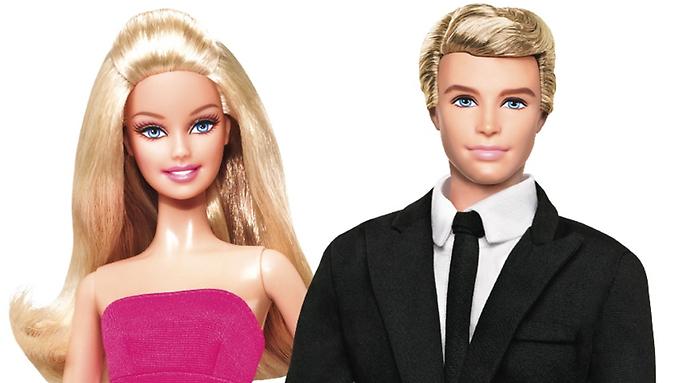
A campaign starts on a Facebook page, continues on Twitter and Foursquare, and ends on YouTube. The example of Barbie and Ken: Seven years after their breakup, Mattel has developed an award-winning story for Valentine's Day: Ken wants to win back his Barbie as a New Year's resolution. On the website "BarbieandKen.com," users could vote on whether Barbie should give in to Ken's courtship. The highlight is a "Love-o-Meter," a kind of calibration instrument for voters' feelings. Mattel managed separate accounts for each doll on Facebook, Twitter and Foursquare. On Facebook, Barbie asked users how she should relate to Ken. Since the "reunion," Barbie and Ken have shared accounts on Twitter and Facebook - "hopefully forever" tweets Ken. This story increased Barbie's fans on Facebook by 34 percent in just six weeks, and user interaction increased by 200 percent.
3. brands online and offline
Digital branding can be associated with brand stories outside of digital media. This is the most advanced form of digital storytelling - its "supreme discipline," so to speak. An example would be brand stories that lead across several digital media objects and continue outside of digital media. Example: Provide the basis for the story on your homepage, let the characters continue the story in video sequences on YouTube, continue the story in a blog, supplement it with a picture on Instgram, add a tweet and send secret messages with Snapchat. Have users explore specific locations in their city and company and have them solve puzzles and find more clues there.From the net into the real worldAlternate Reality Story (ARS) are brand stories that blend fiction and reality - they start in digital media and lead to real places. The plot can be driven by mails, blogs, phone calls to the user's cell phone, newspaper articles, classifieds and messaging.The Red Bull brand has been one of the big storytellers for many years - the energy drink manufacturer earns more money from its events like the Red Bull Flugtage than from the energy drink itself. Sure: Felix Baumgartner's jump from over 35,000 meters is by far the highlight of storytelling. What can we learn from Red Bull for our events, even if we can't make anyone jump from the stratosphere?
4. transmedia storytelling: stones for the story mosaic
Transmedia brand storytelling refers to a process in which elements of a brand story are systematically sent across multiple communication channels - face-to-face, print, digital media.Unlike crossmedia storytelling, which sends the same content across multiple channels, transmedia brand storytelling consists of specific building blocks for each medium. Each building block adds an experience to the core story. Stories on a smartphone are different from those on TV, radio or cinema; Twitter is different from Facebook, Pinterest from a wiki. Transmedia uses the advantages of each medium to add value to the story.The example of Old SpiceOne of the most successful examples of transmedia storytelling is Old Spice: the hero is Isiah Mustafa, football player and idol. One week before the Superbowl, Old Spice put the Mustafa spot on YouTube and alerted the press. The success was resounding: in the first week, the video was viewed 40 million times on YouTube. In the span of three days in July 2010, the team produced another 186 videos for YouTube. Mustafa responded in videos to tweets he had received from countless admirers. The videos were so entertaining that they were forwarded millions of times - via email, Twitter, Facebook, etc. In addition, the mass media showed interest and presented the videos and images in online publications, print media and on television. Fans created persiflage, many of which went viral. In the first months of the campaign, Old Spice sales increased 27 percent year-over-year, and 107 percent after six months.Authors: Prof. Dr. Dieter Georg Herbst and Thomas Heinrich Musiolik