Land of Land Rover
The residents of Maneybhanjang, a village at the foot of the Himalayas, have a very special relationship with their Land Rovers. A three-and-a-half-minute film explains why.


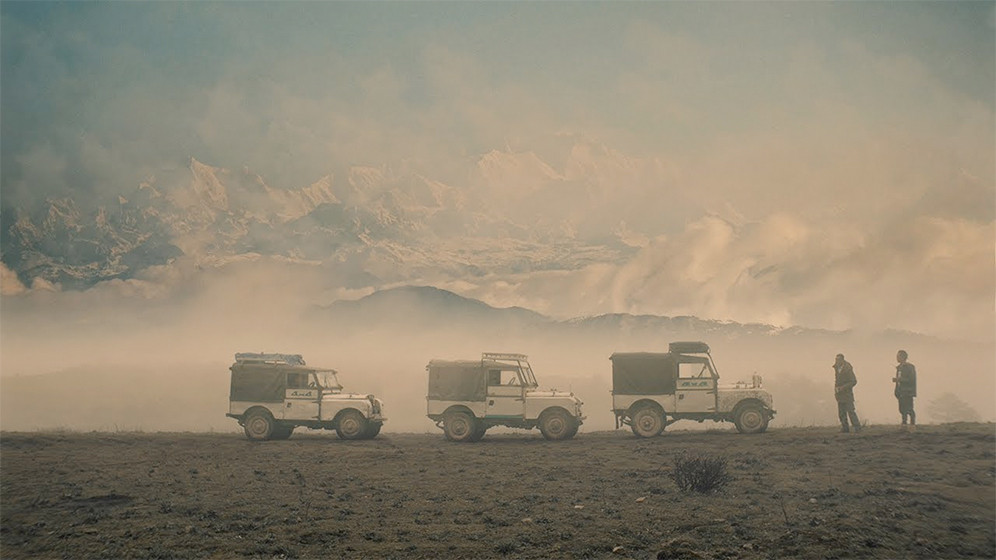
The Land Rover is turning 70 and it's not for nothing that the mother of all off-road vehicles has a reputation for being virtually indestructible. The older, purist models can withstand any strain and stand the test of time. In many places, they are still in daily use decades after they rolled off the production line. This is also the case in Maneybhanjang. A good 40 Land Rovers make everyday life easier for the residents and help them to master the seemingly impassable roads - up to well over 3000 meters above sea level. The result is something of a love affair with the trusty vehicles. The village on the Nepal-India border, where "all roads come together", is therefore nicknamed "The Land of Land Rovers". This special relationship was captured by the Spark44 agency in a three-and-a-half-minute portrait that is well worth seeing.
Land Rover is one of those car brands that likes to draw on its glorious past in its marketing and focus on the successes of earlier eras. This is necessary, because today's models - high-bred luxury SUVs that seem too good and too delicate for uncompromising off-road use - have neither the charisma nor the fascination of the older generations. Even if Range Rover is always careful to demonstrate the off-road DNA of today's vehicles. You won't find them in the forest with the forester, but in the Globus parking lot behind Bahnhofstrasse.
Or in other words: at the 100th anniversary in thirty years' time, the original models will probably be celebrated once again. Firstly, because they will probably still be in use by then and secondly, because it is not really clear what there is to celebrate about today's models.
By the way: Range Rover has also revived the legendary Defender for its 70th anniversary. The Land Rover Defender Works V8 has over 400 hp, accelerates from 0 to 100 in under 6 seconds and is limited to 150 units. You probably won't find it on the Himalayas - and certainly not in 70 years' time. (hae)