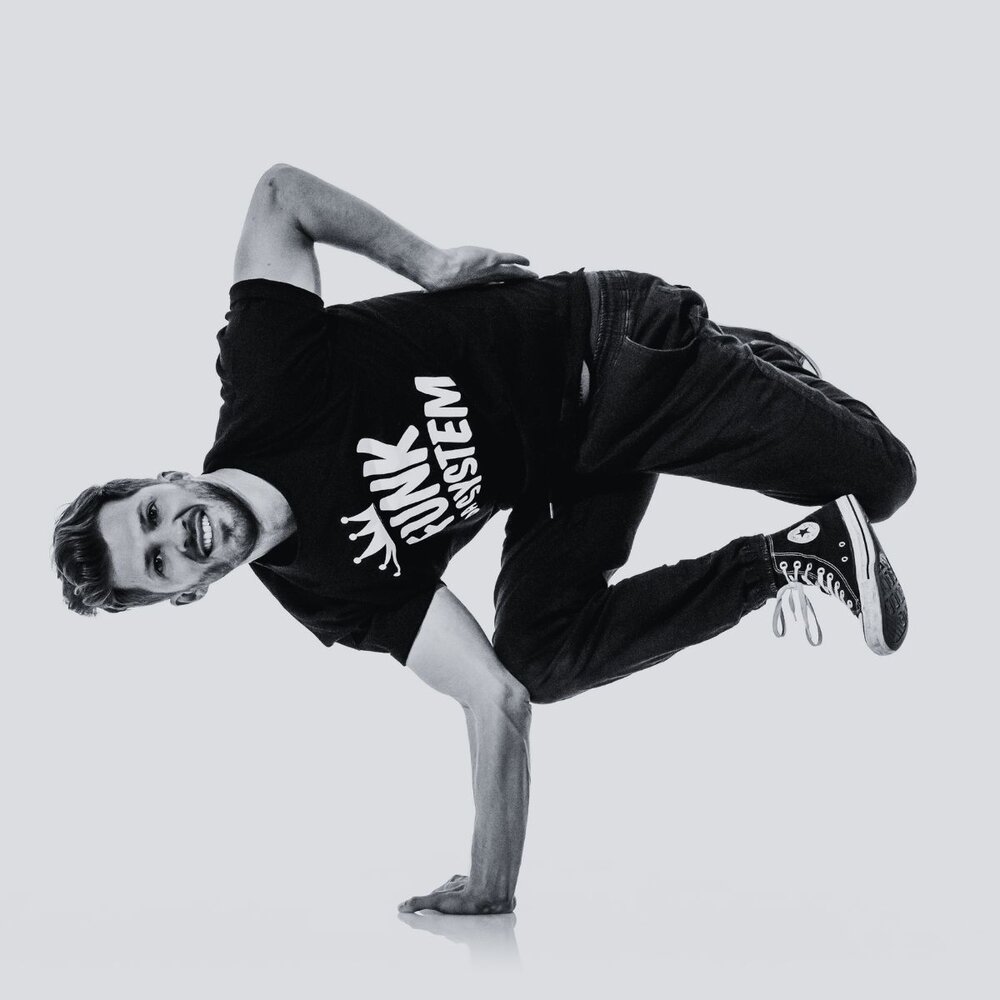
 m&k: Andy, you've been organizing your dance sessions with Stylize Productions for 10 years now. How did it all start back then?
Andy: The origin lies in our own dance group "Stylize". Sandro and I took over the management of the crew back then, but quickly realized that we wanted to do something for the whole scene beyond our own group. We started to organize targeted workshops, which over the years have resulted in large, multi-week formats that have had a lasting impact on the Swiss urban dance scene. Today, we offer three specific weekend formats with Stylize Productions - the Spring Session is our event with a very special focus on dance enthusiasts, beginners and anyone who wants to try something new.
What was your original motivation for setting up these sessions?
I wanted to create an environment in which the barriers to entry are as low as possible, but the quality of the content remains at an international level. Dance events often appear very exclusive or intimidating to the outside world. My motivation was to open up this space and offer a place where you can try things out without any pressure to perform. It's about making inspiration directly tangible - regardless of whether it's your first time in a dance studio or whether you already have experience.
Why is the topic of dance so important to you personally? You work in the marketing and communications environment yourself on a daily basis - are there synergies?
Absolutely. My background as a dancer is the foundation of everything I do today - including my daily marketing work. Dance teaches you discipline, resilience and, above all, adaptability. When the music changes, you have to react. It's exactly the same in marketing. If you don't keep up with the rhythm of the market, you lose touch.
What does dance trigger in you personally, on an emotional or mental level?
For me, dance is a form of mental hygiene. In a world full of deadlines and strategy papers, the dance hall offers a moment of total presence. You switch your head off and your body on. It is this "reset button" that then creates space for creative impulses in everyday working life.
What would you like participants to take away from the Spring Sessions?
I want to give them the feeling that it is enriching to be a "beginner" again. In our industry, we often have to be experts in everything. With us, you can come in and say: "I have no idea how house or hip hop works." This open learning in a relaxed environment is extremely liberating. I want them to take the joy of discovery into their everyday lives.
What do you think sets the Spring Session apart from other dance events?
It is the mixture of professionalism and approachability. We have 17 first-class teachers on site, but the atmosphere remains informal. We attach great importance to our intro sessions. It's not about the perfect performance, but about getting to know the styles together - from Afro fusion to Latin funk and heels. It's a place to try things out together, not a competition.
When you look back over the last 10 years, what does this project mean to you today?
It is a project close to my heart. It shows me that real community is created when you continuously offer honest added value. The fact that we have been encouraging people to try out new things for a decade now means a lot to me.
What exactly can visitors expect this weekend? And do you have to be able to dance to take part?
You don't have to have any previous knowledge at all! We have deliberately designed the Spring Session to be the perfect place for anyone who simply wants to immerse themselves in the world of dance or try out a new style with no obligation. Visitors can expect a relaxed weekend in Zurich, where they can get to know completely different worlds in our specific intro sessions or the 16 lessons in total. Whether you just want to feel a new groove, understand the technique behind a style or physically work out - everything is possible. It's the ideal opportunity to clear your head and try something new without any pressure to perform.
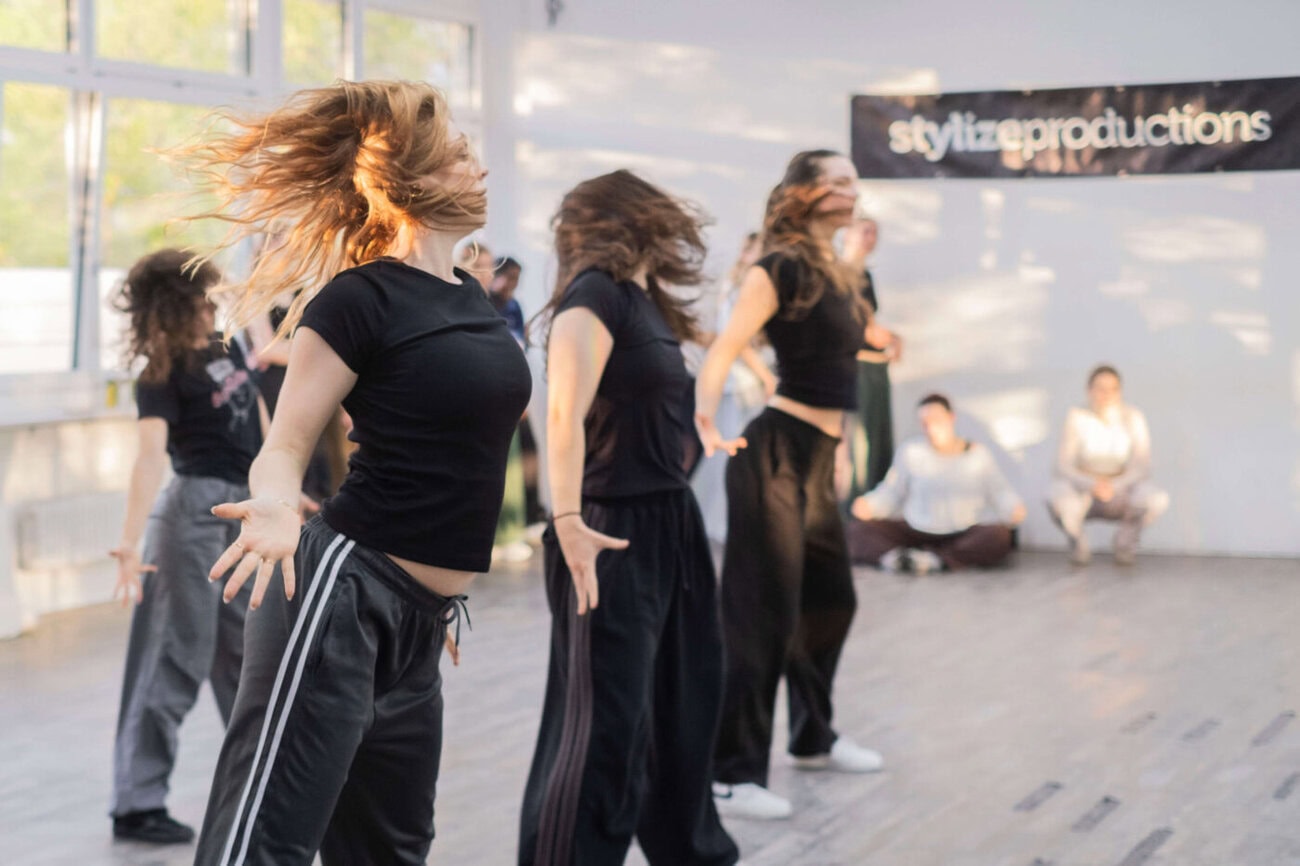
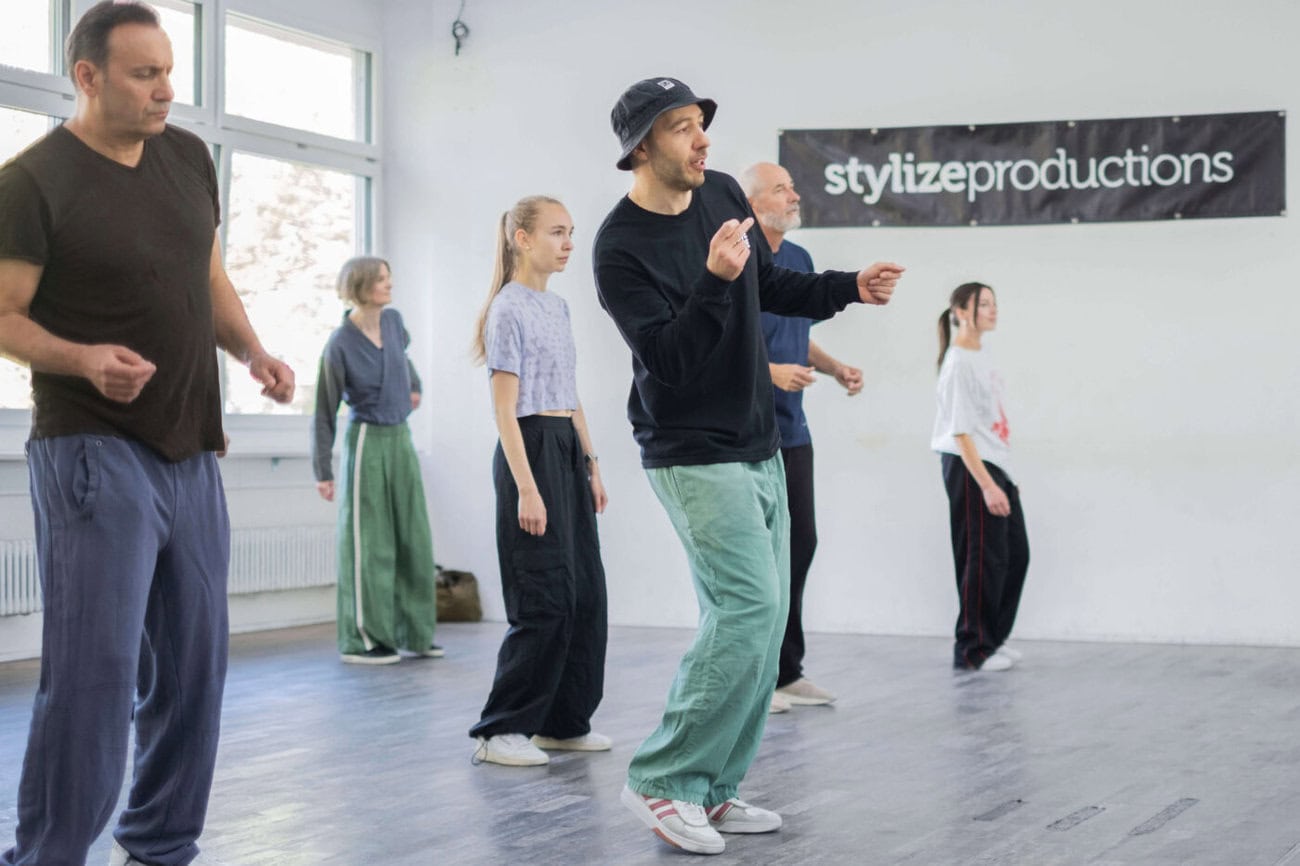
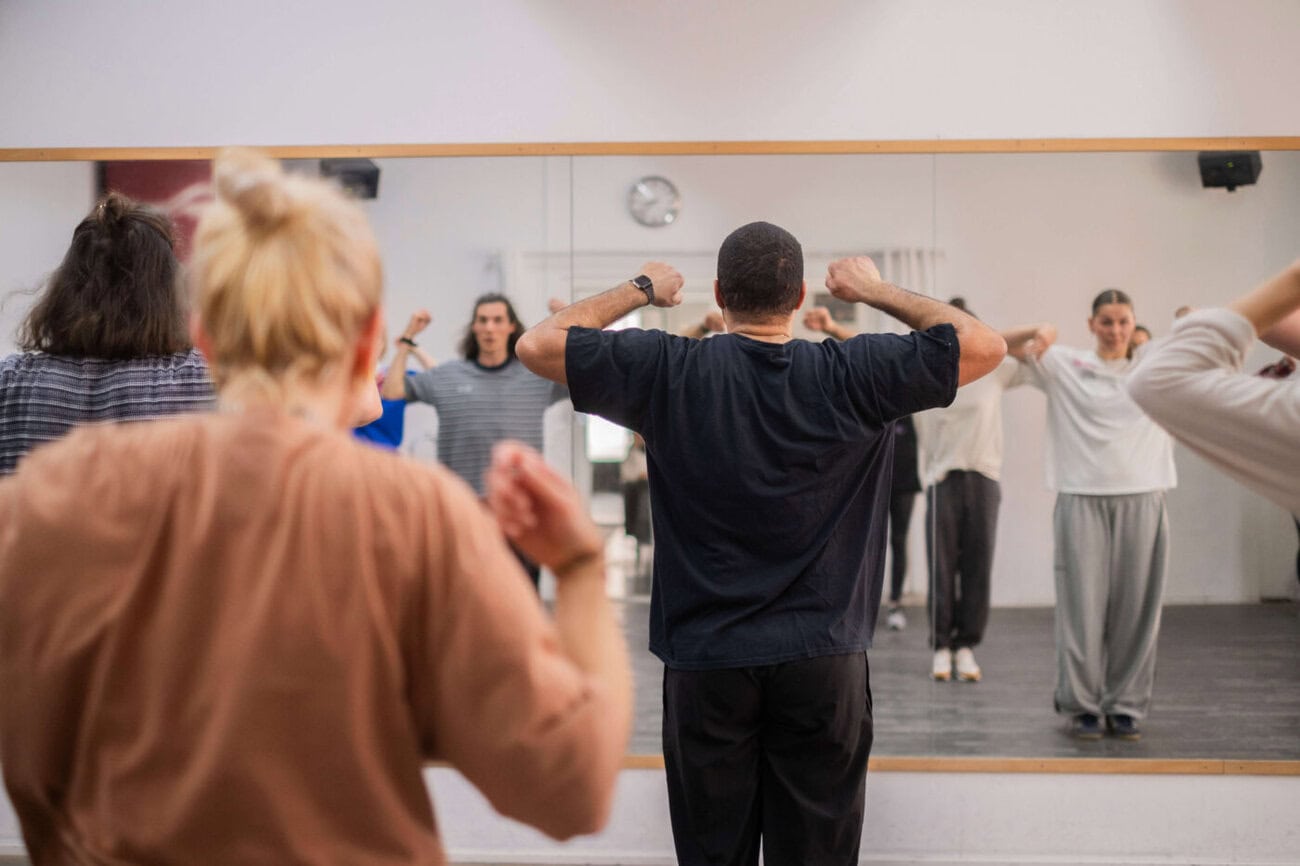
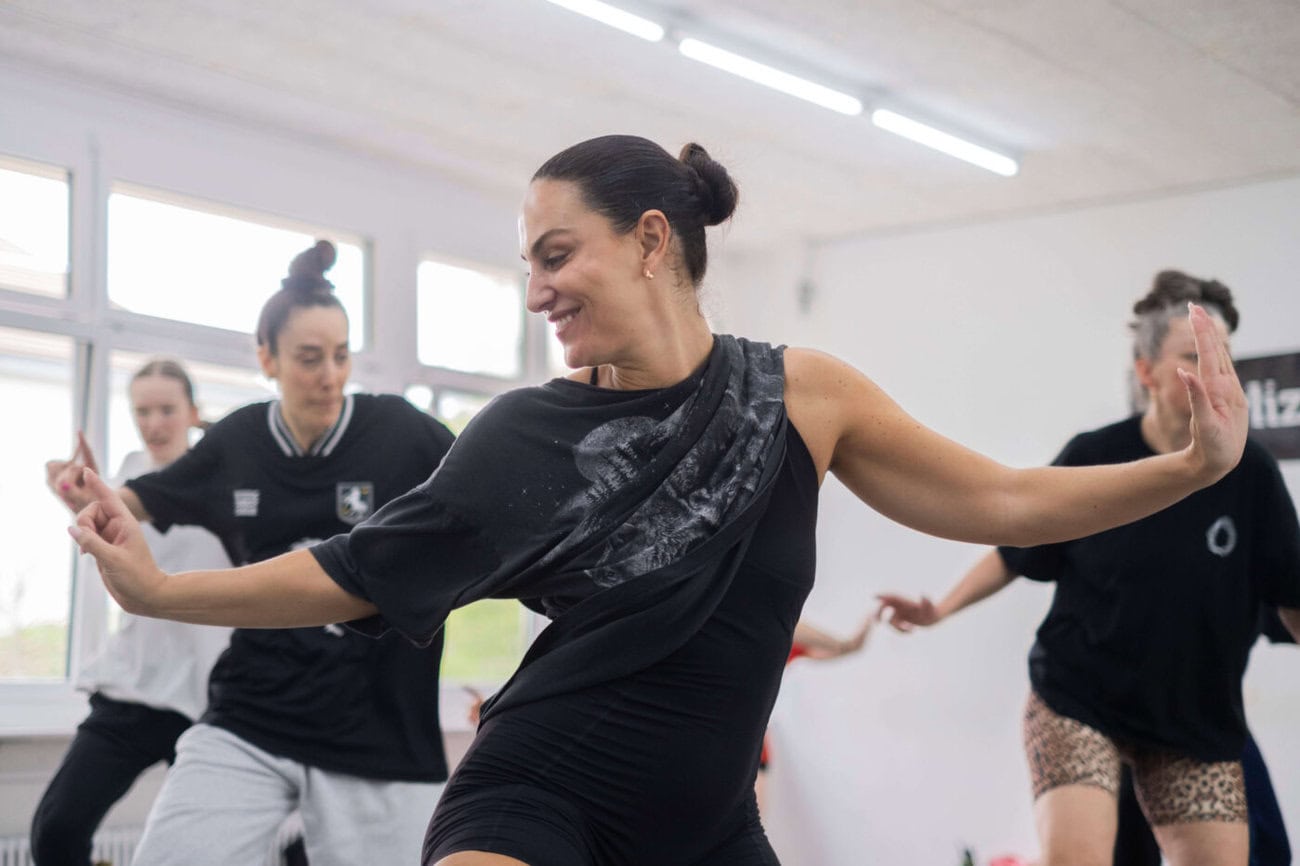
- When: Saturday, 28.3. & Sunday, 29.3.2026
- Where: UNITED DANCE STUDIO, Hohlstrasse 560, 8048 Zurich
- What: 16 sessions (including 6 intro sessions for beginners), 17 teachers, 9 dance styles
- Special: With the code MKSS26 the M&K community benefits from 10% Discount.


With this award, the Solothurn Film Festival honors a personality who has journalistically accompanied film, and Swiss film in particular, for more than three decades, critically reflecting on it and placing it in a larger cultural context.
With his knowledge, analytical acuity and passion for cinema, Michael Sennhauser has inspired a wide audience for Swiss film.
During his 26 years as film editor at SRF 2 Kultur, Sennhauser played a decisive role in shaping national film reporting. His approach was always characterized by depth, context and critical dialogue. He saw cultural journalism as a benevolent, responsible examination of cinematic creation, based on respect, classification and an interest in making films understandable and accessible. He was awarded the Prix Pathé (2010) and the Greulich Culture Prize (2016) for his work.
In addition to his work at SRF, Michael Sennhauser was temporarily president of the Swiss Film Journalists' Association, co-responsible for the Semaine de la critique at the Locarno Film Festival and, among other things, editor at the Sonntagszeitung, freelancer for the NZZ and the Basellandschaftliche Zeitung. Even after his self-imposed early retirement in 2024, Sennhauser is still active: he runs the widely read "Sennhausers Filmblog" and is a member of the Zurich Film Foundation's fiction commission.
With the "Prix d'honneur" 2026, the Solothurn Film Festival not only wishes to highlight his professional achievements, but also to set an example for the importance of strong, independent cultural journalism. At a time when media structures are under increasing pressure, the critical classification of films is becoming more and more important: it promotes the examination of other realities of life and thus strengthens social dialog and cohesion.
Daily podcast during the Solothurn Film Festival 2026
The Solothurn Film Festival honors film criticism and at the same time opens a window for dialogue and the promotion of cultural journalism. With a daily podcast during the 61st Solothurn Film Festival (January 21-28, 2026), they are creating a space for film criticism and exchange.
Michael Sennhauser talks to young, independent journalists about cinema, cultural journalism and current films.
The podcast is broadcast in cooperation with Radio Bern RaBe and sees itself as a contribution to the promotion of independent voices and the visibility of Swiss film.
Festive award ceremony
The "Prix d'honneur" will be presented to Michael Sennhauser on Thursday, January 22, 2026, at 4:30 pm in the Landhaus Solothurn. The laudatory speech will be held by Seraina Rohrer. This will be followed by a screening of "La cache" by Lionel Baier, a film from the current program selected by Michael Sennhauser.
]]>
Hediger began his career as a film critic and has taught at universities in Europe and the USA. He is currently Professor of Film Studies at the Goethe University in Frankfurt am Main and is a recognized expert on film history and archives.
As the fifth director of the Cinémathèque suisse, he will be responsible for driving forward the strategic development of the institution, strengthening its public presence and ensuring the preservation of its audiovisual heritage.
Founded in 1948 and located in Lausanne and Zurich, the Cinémathèque suisse is one of the most important film archives in the world. It preserves, restores and disseminates national and international film heritage - with a collection of more than ten million objects, including film reels, photographs, screenplays and cinema technology equipment. In addition to its archive work, the Cinémathèque runs the Capitole cinema in Lausanne, curates exhibitions and cooperates with festivals and universities.
]]>

Avci has more than 25 years of experience in the cultural, congress and MICE industry (meetings, incentives, congresses, events). His professional experience includes the KKL Luzern, Würth Haus Rorschach, the Umwelt Arena Spreitenbach and, most recently, the KKThun, which he has headed up as Managing Director since 2019. There, he was responsible for the strategic development of the venue, co-founded Kulturthun, initiated the "Congress Campus Thun" and was a member of the board of Thun-Lake Thun Tourism for the congress sector.
"With Soner Avci, we are gaining an experienced leader with great expertise and a strong network in the Swiss event and tourism industry," says Damian Wirth, Chairman of the Board of Directors of Entra AG. "His solution-oriented management style fits in perfectly with Entra's DNA."
Avci himself is also confident about his new role: "The Entra has enormous potential - technically modern, centrally located and supported by a dedicated team. I look forward to further developing the location as a leading address for business events with technical standards."
Entra is one of the most modern event locations in Eastern Switzerland. It offers flexible rooms for up to 1,000 people, state-of-the-art technical infrastructure and hosts events ranging from concerts and corporate events to TV productions.

For more information entra-rapperswil.ch.
]]>
Ruf Lanz has been supporting Museum Haus Konstruktiv since 2015, often with artistic communication measures.
According to Director Sabine Schaschl, "Markus Ruf and his team always succeed in creating unexpected approaches that bring our museum into conversation beyond the initiated art circles". The campaigns have also received numerous awards, most recently the Gold at the Swiss Out of Home Award and the Evergreen of the ADC Switzerland.
This is why Ruf Lanz was also commissioned to design the relocation communication. After more than 20 years in the historic industrial building of the Ewz substation in Selnau, the museum will move to the Löwenbräukunst site in spring 2025.
Under the ambiguous slogan "Our move becomes concrete", the new floor plan itself becomes art. And a loving homage to Piet Mondrian, Fritz Glarner and Camille Graeser. In this way, the public can get a concrete picture of the new premises and the art that will soon be on display there.


The campaign will be played out in the greater Zurich area on printed and digital posters, in advertisements and on social media.
Responsible at the Museum Haus Konstruktiv: Sabine Schaschl (Director and Chief Curator), Andreas Durisch (President of the Foundation Board), Ladina Hurst, Pascal Schlecht (Marketing and Communications). Responsible at Ruf Lanz: Mario Moosbrugger (Art Direction & Visual Composing), Markus Ruf, Danielle Knecht-Lanz (Creative Direction), Markus Ruf (Text), Gian Marco Juon (Consulting), Sherif Ademi (DTP). External partners: RTK Medientechnik (lithography).
]]>
In Switzerland, cultural workers in all sectors often have insufficient social security: gaps in pension provision and a lack of compensation for loss of earnings are commonplace. The newly launched digital guide "Artists Take Action" shows cultural professionals how they can ensure adequate social security even in multifaceted employment relationships.
On behalf of the "Suisseculture Sociale" association, Feinheit has developed a comprehensive campaign in three national languages to publicize the guide. In addition to the overall concept of the campaign, this included branding, claims, flyers, small posters, stickers and social media content. Feinheit also created the concept for videos featuring twelve cultural professionals from different fields.
The campaign is targeted at locations that are heavily frequented by cultural professionals. For example, posters and stickers are offered to the relevant cultural venues in Switzerland. This means that the content is also visible in checkrooms and backstage areas. The campaign material is also sent directly to the target groups thanks to the cooperation with the professional associations of cultural workers, which play a key role in supporting the project.
Needs evaluated
In order to tailor "Artists Take Action" as closely as possible to the target groups, their needs were assessed as part of a pre-campaign. Carmen Schoder, partner at Feinheit and responsible co-project manager: "With the pre-campaign, we were able to get numerous artists to submit their most pressing questions on the topic of social security. This valuable input was incorporated into the creation of the digital guide and the planning of the main campaign."


Responsible at Suisseculture Sociale: Benedikt Wieland (project management). Responsible for fineness: Simon Hugi, Carmen Schoder (project management, concept, consulting, campaign), Alexandra Theiler (art direction), Catherine Pearson (layout), Lara Hubacher (multimedia).
]]>
The Badisches Staatstheater Karlsruhe is one of Germany's major multi-divisional theaters and, in addition to opera, drama, ballet and concerts, combines innovative and diverse formats for a broad audience. In order to sharpen and rejuvenate the brand image, a new umbrella brand strategy has been defined that focuses on the Baden State Ballet and the Baden State Orchestra as brands alongside the Baden State Theatre. The International Handel Festival is consistently presented as an offering under the umbrella brand of the State Theatre.
The brand experience focuses on artistic diversity and combines the most diverse offerings in a consistent and flexible concept with a strong signal effect - Let Type Talk. The idea: a typeface stages the message. A concise typeface dramatizes the titles and content-related themes. Words are made to sound: they speak, play, sing, make music and dance. They transform, change perspectives and move emotionally.


The idea for the overall appearance is already represented in the brand logo itself: Making words resonate. A small intervention - two twisted letters - creates a small difference and refers to the power of transformation.
In a collaboration lasting several years, the rebranding process includes the foundations for the brand strategy, the concept for the digital and analog brand presence, the involvement of employees and the development of central themes for the premieres from the 2024/2025 season onwards.
Responsible at Badisches Staatstheater Karlsruhe: Christian Firmbach (Artistic Director), Nico Enger (Head of Marketing & Communication). Responsible at Studio Geissbühler (Artistic Direction): Nadine Geissbühler (Creative Lead), Pascal Geissbühler (Strategy Lead).
]]>
Artists have to assert themselves in an increasingly international environment, as the Foundation for Technology Assessment (TA-Swiss) noted in its report presented on Tuesday.
Hardly any art or its dissemination today can do without digital means, as the foundation emphasized in its 500-page report. As a result, digitalization is creating new means of expression and new opportunities to make works accessible to a global audience.
However, the advantages of digital technologies are only available with additional time and financial investment, often borne by the cultural practitioners themselves. For example, social media such as Instagram or Tiktok would create a new platform for artists and cultural practitioners, enabling them to reach a low-threshold and targeted audience.
"To do this, however, they have to constantly provide social media with content," said Nicolai Ruh from the Lucerne University of Applied Sciences and Arts at the presentation of the report. This is also a psychological burden. The researchers wrote in the report that artists who do not use this stage risk being excluded from the cultural market.
Digitalization exacerbates precarity
In addition, more and more cultural professionals are working in so-called atypical employment relationships, with frequently changing clients or multiple jobs with small workloads. Social insurance is inadequately equipped for this sometimes very international work in projects and on social platforms.
A third of self-employed people in the cultural sector have no pension provision, TA-Swiss emphasized in the report. Under the conditions of digitalization, the situation of artists is likely to deteriorate further.
Artificial intelligence not legally clarified
In commissioned art in particular, technologies such as artificial intelligence (AI) also call into question the market value of the human factor, as the TA-Swiss report shows. This was demonstrated by the months-long strike by actors in Hollywood in 2023, in which they campaigned not only for fair wages but also to avoid being replaced by digital doppelgangers in film productions.
In Switzerland, too, such issues have not been fully clarified. However, artists have the option of taking civil action against the exploitation of their work. "However, this is far too expensive for most artists," said Christoph Hauser from the Lucerne University of Applied Sciences and Arts.
More training and faster adaptation of legislation
According to TA-Swiss, political decision-makers, cultural organizations and artists must actively support the development of digital technologies in order to take advantage of the opportunities they offer. This requires investment in the training of artists, for example. In addition to mastering certain tools, this also includes marketing and legal skills. Furthermore, according to the study, legal principles should be adapted more quickly and, above all, more regularly. In music, the streaming issue in particular needs to be resolved.
It is up to the artists to play with the new technologies and up to the politicians to create the framework conditions in which this pays off in favor of art, said Martine von Arx from TA-Swiss.
In addition to the Lucerne University of Applied Sciences and Arts, the Swiss Music Council and the Dezentrum think tank were also involved in the study. TA-Swiss has the legal mandate to assess the consequences of new technologies. The aim is to provide parliament, the Federal Council and the general public with a basis for decision-making. (SDA/swi)
]]>
The tower in the heart of Zurich is a memorial to Katharina von Zimmern, who played an important role in the Protestant Reformation by transferring the Fraumünster Abbey to the city of Zurich in 1524, thus supporting the city's transition to Protestantism.
Dr. Santuccione-Chadha is known worldwide for her outstanding achievements in science and medicine, especially for her contributions to women's medicine. The honor bestowed on Dr. Santuccione-Chadha is remarkable. An Italian citizen, she made Switzerland her home some time ago.
Temporary artistic installation
The 40-metre-high project tower is intended to stimulate debate about the history of the Reformation and the city of the time, including the canton, and its architecture, as well as the connections between all these elements. The installation emphasizes the productive and creative power of women and their social, economic, religious and political impact. The tower will feature a 1,000-meter "dress" of green ribbons printed with the names of the 500 women honored, selected for their past and present contributions in various fields. This temporary installation will be on display from August 20 to December 10. The St. Catherine's Tower is located in the center of Zurich between the town hall and the famous Fraumünster church, which was once a convent.
You will find a detailed portrait of Dr. Antonella Santuccione Chadha in the m&k issue of September 3.

In 2013, the two institutions Theater Biel Solothurn and Sinfonie Orchester Biel merged, resulting in Theater Orchester Biel Solothurn with the acronym TOBS. The bilingual multidisciplinary theater has a high standard of artistic expression and attracts personalities from all disciplines, which in turn provides an ideal breeding ground for up-and-coming talent and a springboard for future careers. With four venues in Biel and two in Solothurn, the Theater Orchester Biel Solothurn is also one of the largest employers in the region. All this has prompted Republica to make an exclamation mark.
TOBS! has commissioned Republica to transform the existing website so that it reflects the great diversity and quality of what is on offer. After all, transformation is a constant, especially in the cultural sector, without which a cultural offering cannot flourish in the first place. A rethink and redesign of content and visuals was therefore required in order to gain the attention it deserved on all key channels and in the face of the broad range of competition from the entertainment, culture and leisure sectors. At the same time, subscription and individual ticket sales should also be increased and younger generations should be introduced to the TOBS! program. To this end, among other things completely redesigned the website.

Culture that makes its mark
The new brand with an exclamation mark TOBS! is explicitly a fluid appearance. It is intended to move people, cultures and hearts as well as everyday life, feelings, sounds and bodies - in short, everything.
Visual event communication is an essential part of the assignment. This shows in extremis how changeable and yet unmistakable the TOBS! brand is - and must be. Because a classic like "Macbeth" and a modern play like "Cabaret" are worlds apart. This is why the brand is carried very prominently in all event subjects, almost like stage décor, yet is extremely flexible, adaptable and fluid and allows its main characters to appear in the best possible light.
Although TOBS! sees itself as an interdisciplinary institution with its various divisions, the five divisions - drama, opera, concert, dance and young - are now clearly separated by color. The target groups can quickly decode messages in this way and, above all, the diversity of the offer is also visually emphasized.


]]>

Last Thursday, around 350 visitors attended the four-hour "Blitz exhibition" in the former generator hall of the Matte power plant in Bern. All of the works were available to purchase as part of the exhibition and are also reproduced in a unique, limited-edition magazine. The large-format magazine and a printed cotton bag, limited to 400 copies, could be taken home free of charge.


Responsible at Studio Thom Pfister: Thom Pfister (Curation, Design, Creative Direction), Marianne Schoch (Project Management, Brand Consultant), Roland Zenger (Art Direction), Ursula Rytz (Senior Consultant), Daniel Hackiewicz and Sharon Moor (Graphic Design). Artists: Adrien Sgandurra, Aglaja Brix & Florian Maas, Alina Günter, Anoush Abrar, Andreas Samuelsson, Andrea Devia-Nuño, Anni Katrin Elmer, Ania Augustynka, Basil Stücheli, Carmen Mitrotta, David Willen, Dean Elliott, Diana Scheunemann, Elena Kuznetsova, Emily Eldridge, Filipa Peixeiro, Frederike Wetzels, Gian Paul Lozza, Ilka & Franz, Jill Senft, Julien Chavaillaz, Ladina Bischof, Lucia Strub, Marie Wolf, Markus Burke & Gundi Schillinger, Mathilde Karrèr, Maurice Haas, Maurizio di Iorio, Michael Brunn, NastPlas, Phillip Kaminiak, Sebastian Ariel Curi, Thomas Stöckli, Véronique Hoegger, Vincent Gapaillard. Print: Vögeli Druck, Papyrus Schweiz (magazine), Atelier Margrit (screen printing cotton bags) Uldry (fine art prints), Lettra Design Werbetechnik (printing & finishing of posters). Background music: Benedikt Sartorius. Catering: Trallala Wines & Sicula.
]]>
Migros is once again donating over six million francs to Swiss cultural associations this year. Until April, club vouchers will be distributed with every Migros purchase of CHF 20 or more, which can be allocated to the registered cultural associations. The clubs can use the cash they receive to fulfill a wish.
Wirz has launched an integrated campaign for this purpose (Werbewoche.ch reported). As in last year's edition, Ese Agency was entrusted with the conception and implementation of the social media campaign. In a total of 15 videos in three languages, Switzerland's amateur culture is presented and celebrated in a humorous way.


Comedians leave the stage to the experienced
For example, the two comedians Dani Hutti and Mike Casa can be found in unusual settings for them - dancing in traditional costumes, in a tambourine club or in children's theater. But always close to Swiss culture - with all its facets.
The funny short clips are intended to convey the campaign messages with a wink. Together with emotions and insights into club life. The two of them quickly realize that they won't get very far with faxes - when it comes to dancing, making music or acting.
The content pieces are intended to capture the entire spectrum of cultural creation. They are prepared in a target group-oriented way for a diverse but social media-savvy community: with comedians, street challenges and meme intermezzos.


From the heart of the cultural community
The social media concept focuses on authenticity. In a campaign video, for example, club members who benefited from last year's edition explain themselves how the registration process works. Credible testimonials for culture can be found in all content sections and are intended to create identification potential.
Elia Binelli, founder of Ese Agency, is particularly pleased about this proximity to culture: "Our independence began with a music magazine. That's why we are very passionate about working with Migros a second time to create more visibility for culture." The 27-year-old ran the urban medium for years together with his business partners Emanuel Ernst and Severin Gamper Lyrics Magazine.
Responsible at Migros-Genossenschafts-Bund: Laura Geerts, Melina Schweizer, Joelle Greber, Vanessa Heredia. Responsible at Ese Agency: Elia Binelli (responsible), Elia Binelli, Emanuel Ernst, Damian Steffen, Aline Braun (concept), Moira Meier, Ian Weber, Elia Gagliotta (production).
]]>