
AI in advertising creates stereotypical images of people
Advertisements are increasingly featuring people who don’t actually exist. Generative AI creates faces, bodies, and role models in seconds—based on training data that reinforces existing beauty standards. As a new study by the Gisler Protocol in collaboration with the Institute for Marketing Management at ZHAW shows, Swiss consumers are well aware of this effect of AI in advertising: 84 percent of respondents agree that AI-generated images tend to promote standardized ideals of beauty and body image. 76 percent say that AI-powered advertising often portrays an unrealistic body image.
When it comes to stereotypes, the verdict is also clear: 86 percent believe it is possible for AI to generate stereotypical representations, and 81 percent believe it reinforces existing clichés. Eighty-seven percent of respondents agree that people are often portrayed in a clichéd manner in advertising anyway. A new technology is thus encountering an old problem here.
Impact on Self-Image and Brand Trust
According to the respondents, this is not without consequences: 77 percent agree that AI-generated images can negatively influence self-image, and 72 percent say that stereotypical images could undermine their trust in brands. Respondents estimate that stereotypes influence 62 percent of the Swiss population, but only 40 percent of themselves.
This contrasts with a clear preference: 82 percent believe that advertising should depict people as realistically as possible. For 70 percent, a brand appears more authentic when it shows everyday body types, and for 63 percent, when it shows people with imperfections. Authenticity, therefore, does not come from flawless images—yet that is precisely what technology trained for optimization delivers.
Consciously, yes; recognizably, no
94 percent of respondents are aware that advertising uses AI-generated images, but only 58 percent feel confident that they can recognize them. This gap affects trust: For 84 percent, it seems dishonest when a brand uses AI images without labeling them. However, labeling requirements, such as those stipulated by the EU AI Act, only regulate whether an image is identified as AI-generated; they do not address how people are depicted in it.
On the provider side, the technology is already part of everyday life: 68 percent of the experts surveyed use AI frequently or very frequently, 93 percent consider stereotypes to be a relevant issue, and 79 percent rate the risk of stereotypical AI representations as high. Regulatory oversight is not keeping pace: 57 percent say they do not have clear guidelines for the use of AI with imagery featuring people, and 61 percent say they do not have defined processes to prevent stereotypical representations. Only 32 percent believe their clients are closely monitoring this issue.
«Brands don’t risk their credibility by using AI, but by failing to control its use. 72 percent of consumers say that stereotypical portrayals damage their trust in a brand, and 82 percent want to see realistic depictions of people. When credibility is lost, the flawless AI face becomes a reputational risk,» says Dr. Bettina Beurer-Züllig of the Institute for Marketing Management at ZHAW.
Two-thirds want a seal of approval for fair representation
66 percent of respondents would support the introduction of an AI label in Swiss advertising, and 67 percent see the benefit in being able to better understand advertising. However, the idea that receives the most support is an expansion of this concept: 69 percent believe that a label for the fair portrayal of people should apply to advertising in general, not just to AI-generated images. Accordingly, the expectation is not for a label focused solely on technology, but rather for a standard ensuring the fair portrayal of people overall.
Nina Bieli, president of the Gisler Protocol, commented: «When a technology determines how people look in advertising, it is no longer a technical issue, but a social one. Four out of five people recognize that AI narrows the portrayal of humanity and want something different.» The «FairFrame Certificate,» a quality seal proposed in the study, could, according to its creators, meet this need.
What's Next
The Gisler Protocol is now working with the ZHAW to develop the assessment framework for the «FairFrame Certificate.» The certification will cover companies and their processes—including recertification—rather than individual advertising materials. The ongoing development process also includes evaluating potential issuers of the certificate. «We have deliberately left open the question of who will issue a »FairFrame Certificate’ in the future. The goal is to find an issuer with the highest possible profile and credibility. To that end, we are in contact with various testing and academic partners,” said Nina Bieli.
For this next phase of development, we are also seeking early adopters to test the standard in practice. Interested companies and agencies can contact the Gisler Protocol.
The study was designed, conducted, and analyzed by the Institute for Marketing Management (IMM) at the ZHAW School of Management and Law as the research partner; Gislerprotokoll was responsible for field access and recruitment. The project was funded by an innovation grant from Innosuisse. The survey included 398 consumers and 28 experts from advertising companies and agencies, supplemented by desk research and five in-depth interviews. The consumer sample is broadly diverse but not statistically representative; due to the small sample size, the results of the provider survey should be interpreted as trends.
For more information about the study and the «FairFrame Certificate,» visit www.gislerprotokoll.ch.
]]>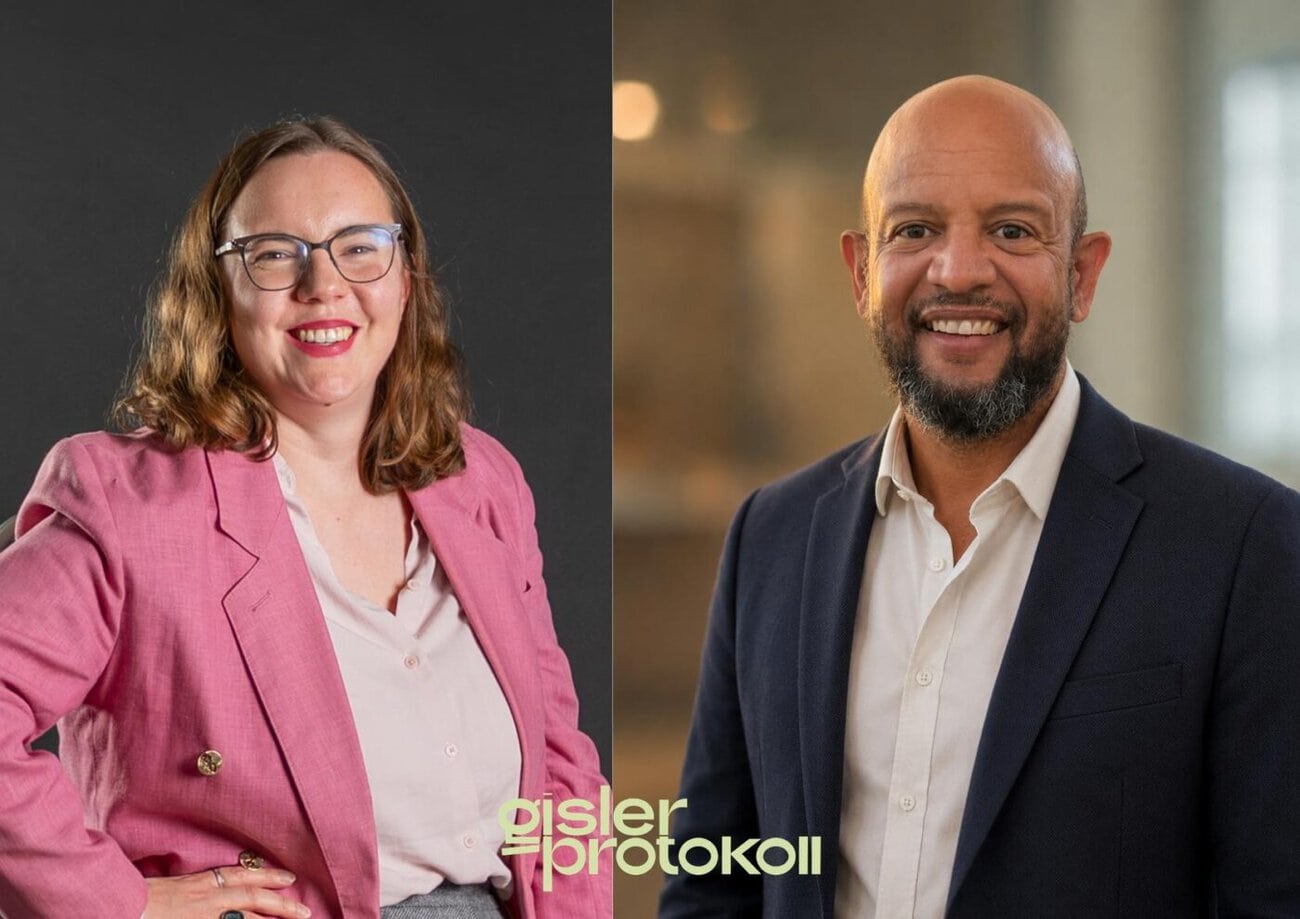
Pierina Bossert and Shady Ashong have been members of the Gislerprotokoll Board of Directors since the summer of 2026. The two new members bring an intercultural perspective and broad expertise in digital communication and independent agency management, respectively, to the board.
Two Perspectives with an Intercultural Background
Pierina Bossert grew up in Tokyo as the child of expatriates and learned early on to navigate different cultural and social perspectives. Today, she is a member of the extended executive management team at the full-service online agency Xeit and, in addition to her many years of experience in digital communications, has a background in political science.
Shady Ashong also grew up in an intercultural environment and is active in various cultural contexts, both professionally and personally. He runs his own communications agency and also has several years of experience on the board of AFS Switzerland, where he has been actively involved in promoting intercultural exchange.
Highlighting Diversity in Advertising and Communication
Bossert clearly articulates her vision for her new role: «Advertising and communication shape the realities of life that we take for granted. I want to help ensure that the same perspectives aren’t always the focus.» Ashong adds: «Growing up in an intercultural environment taught me early on to view the world from different perspectives. I see this diversity as an asset. I want to help ensure that it is also reflected naturally and without clichés in advertising and communication.»
Club President Nina Bieli welcomes the new additions: «With Pierina and Shady, we’re not only expanding our board with two wonderful individuals, but above all with a wealth of expertise and a corresponding network. This will allow us to reach even more people—both in terms of the issues we address and on a personal level—with the topics that concern us as the Gisler Protocol.»
More information about the association and its board of directors can be found at https://www.gislerprotokoll.ch.
]]>
The Gisler Protocol has presented its annual stereotype analysis for the year 2025. The study focused on the question of whether a so-called "woke backlash" is making itself felt in the Swiss advertising landscape and whether the industry may have returned to the traditional role models of the 1950s.
The answer is clear: "In 2025, 87% of the commercials analyzed were free of gender stereotypes - one percentage point more than in the previous year. So there was (still) no sign of a backlash in Swiss advertising," says Nina Bieli, co-initiator and association president of the Gisler Protocol.
Men take care, women explain the world
As in previous years, the most popular role models remained the "funny guy" and the "caregiver". However, there was a notable shift when it came to caring: In 17 commercials, men took on tasks relating to the household, children or relatives - overtaking the 10 women who were seen in caring roles. The opposite is true for explanatory roles: As many as 21 female experts took on explaining in 2025 - an area that has long been considered male-dominated. Only two men were allowed to do the same in the commercials analyzed.
Nevertheless, some clichés persist: "We still hardly see any women in humorous roles and hardly any men who enjoy something, for example chocolate," says Bieli. Some bastions of traditional gender images are obviously more persistent than others.
Small progress, big gaps
In 2025, the Gisler Protocol also examined Swiss moving image advertisements not only for gender stereotypes, but also for a broad spectrum of diversity dimensions - both quantitative and qualitative.
Sexual identity and orientation
Three times a person appeared who did not visually correspond to gender-binary ideas - in each case as part of a large cast that showed various everyday situations, never in a leading role. Compared to the previous year (two spots, one leading role), hardly anything has changed.
Statistical classification:
According to a study by the survey institute Ipsos, 6 % of the Swiss population identify as transgender, non-binary, gender-fluid or other than male or female. With three commercials (corresponding to 0.9 % of the analyzed commercials), there is no adequate representation of genderqueer people in Swiss advertising.
Six homosexual couple situations were shown. None of the spots were thematically about homosexuality. Instead, the couples were part of a broad cast that depicted everyday situations. Heterosexual couple situations were shown 59 times.
Statistical classification:
It can be assumed that 3-10 % of the population are not heterosexual. Exact figures are not available for Switzerland or globally. Looking at the total number of couples shown (65), the six homosexual couples shown correspond to around 9 % - which can be considered representative.
Origin
Non-white people appeared in 26 % of the spots analyzed (previous year: 17 %).
Some of these people were seen in leading roles. Unlike in previous years, the focus was rarely on development aid or celebrities, but on everyday topics such as looking for an apartment, mobile subscriptions or weekly shopping.
Statistical classification:
There are no reliable figures on the proportion of BIPOC people in Switzerland. What is known, however, is that 41 % of the population have a migration background. The representation of non-white people has improved both quantitatively and qualitatively. Nevertheless, there are still examples that consciously or unconsciously reproduce racialized stereotypes.
Physical and mental abilities
People with visible disabilities only appeared in very few commercials, some of which were directly related to the topic.
Statistical classification:
22 % of the Swiss population live with a disability. It is unclear how many of them have a visible disability. Nevertheless, it is clear that people with disabilities are hardly considered in advertising - neither as protagonists nor as recipients.
Age
People of an older age (over 70) appeared in around 14 % of the commercials - roughly the same level as the previous year. Some of them took on leading roles.
They were portrayed in different contexts and mostly staged as interested in life, humorous and technically adept.
Statistical classification:
In Switzerland, people over 65 make up 19.3 % of the population. The quantitative representation of older people in advertising is therefore basically given.
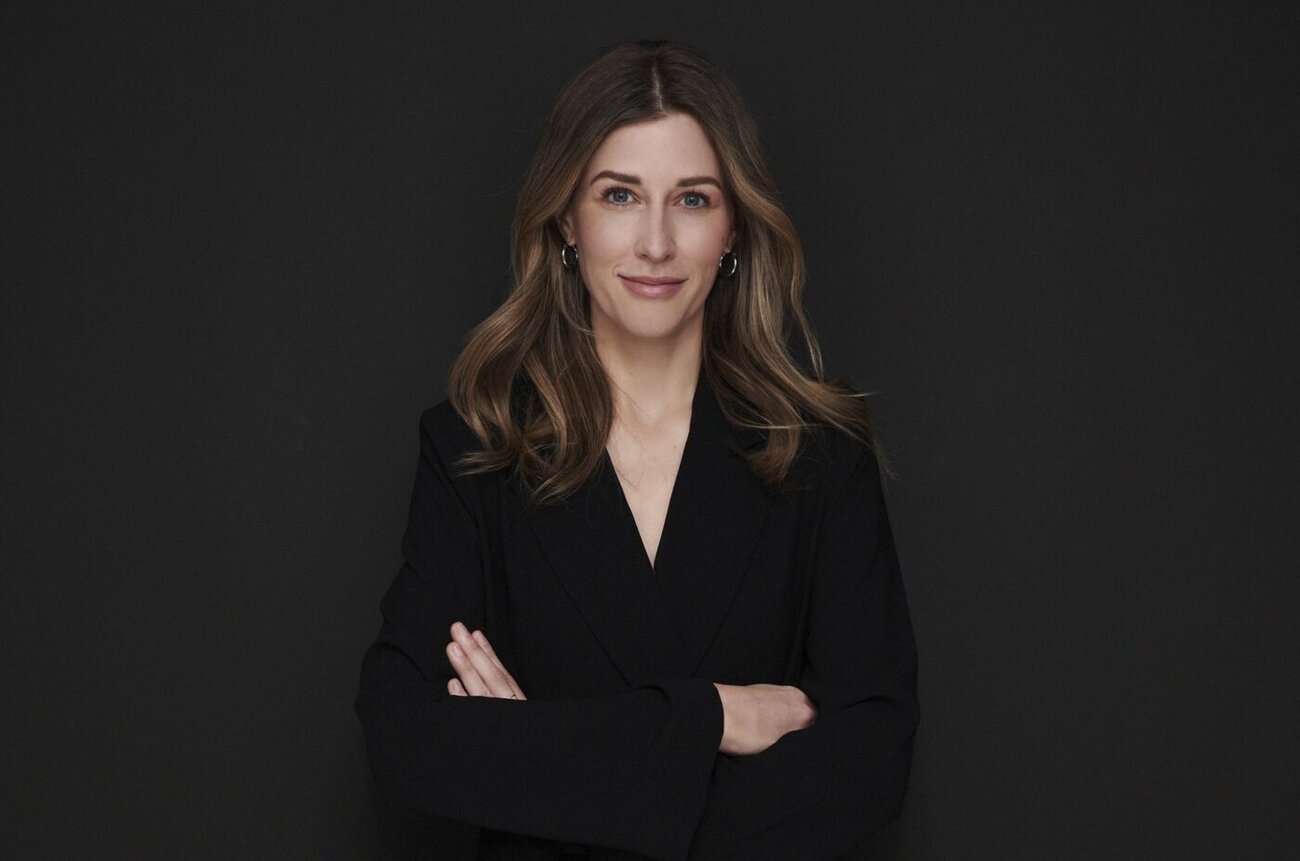
 m&k: You write that in February 2021 the typical question came up at Jung von Matt: "What do we communicate on International Women's Day?"- and that something completely different came out of it. What was the one realization at that moment that led you away from the "we show our employees" reflex and towards working on the advertising impact itself?
Exactly this change of perspective: away from us as an organization and towards our own work. And the case quickly became clear. We were implementing clichéd campaigns far too often - stereotypical role models that were constantly repeated, little diversity, everything looked pretty much the same. And not just for us, but for the whole industry. At that moment, it was clear to us that we wanted to make a difference.
The Gisler Protocol was launched on March 8, 2021 - "still in a homemade design". What was more important to you back then: getting the topic out quickly or setting it up perfectly? And would you launch it the same way again today - five years later?
Clearly: get out quickly. Annette and I have the same energy. To be honest, we hadn't really thought that much about it (laughs). We wanted to set an example and see where the journey would take us from there. I would definitely do it again. And I'm sure Annette would too.
You describe the danger that companies mainly talk about themselves on March 8. What would be a "good International Women's Day post" for you in 2026 from the perspective of an agency or brand - and how can you tell that it's just a fig leaf?
Fig leaves wither quickly. Therefore, anything that is communicated on March 8 and has no impact before or after is actually obsolete. And is often punished by the community today. That's why it's better to work continuously on topics that make a lasting difference. Or implement radical changes that are really noticeable. If you then use March 8 to make this commitment visible: Why not.
You say that clichéd campaigns are often not malicious intent, but a lack of awareness. How do you manage to ensure in workshops/consultations that teams don't become defensive ("That's not how it was meant") but take responsibility ("That's how it works")?
This depends very much on the awareness of the problem. If the other person doesn't see a problem in stereotypical communication, we start at a different point. The first step is to become aware of what the consequences of such communication are and, above all, where the opportunities of more diverse communication lie. And then it's also about pointing out concrete implementation options that don't feel like a compulsory program or a pointless to-do list for the company. Experience shows: Anyone who has experienced that diverse communication is neither complicated nor restrictive and that it is received positively or certainly neutrally by the audience will take this with them into their next job
In summer 2021 there were 10 agencies, later 50 - and today you have 242 members. What triggered this leap: pressure from outside (public debate), pull from within (community), or specific tools/services such as analyses, talks, summits?
Probably a combination of all three factors. The motivations of our members are and have always been different. Some want to improve, others want to set an example. Others are looking to exchange ideas with like-minded people. And we always try to make the association attractive so that the impression is created: "There's something going on here that I'd like to be part of."
You founded the association in 2022 because otherwise it "wouldn't work". What one thing suddenly became possible thanks to the association structure - and what one thing perhaps became more complicated as a result?
Nothing became more complicated. Except perhaps the founding of the association itself (laughs). I had no previous association experience and was honestly surprised at how much documentation you have to collect. A lot of things are now possible. Especially because our board is so committed. We have a clean onboarding process for new members, we have our communication under control, the finances are in order and we always try to think the association forward together.
Your timeline states that the 2024 stereotype analysis shows a "significant decline for the first time". What is your hypothesis: What specific changes in the industry (briefings, casting, visual language, storytelling, client side) could best explain this decline?
Here again: the interaction. This is based - at least this is our interpretation - on the growing awareness that I mentioned earlier. The more people realize how stereotypical some ideas are, how one-sided certain castings are, the more often these stereotypes are broken and castings become more diverse. And the more normal it becomes to have multi-faceted communication that doesn't feel like a "must".
You write that an idea without a 5-year plan has become a "name in the industry" - a sign of diversity. If you had to formulate a new 5-year bet for the anniversary: What one change in advertising/marketing in Switzerland in 2031 would be the best proof for you that the # cliché has become a reality?
I'm still not so good with 5-year plans (laughs). But what I would like to see in the next five years are more diverse teams and more diverse representation on the committees that represent our industry. Because that's where it starts: The more perspectives at the table, the greater the chance that we will see visual worlds that go beyond what has been dominant up to now. The best creative work stands out from the sea of sameness. Our teams and decision-makers should do the same.
The Gisler Summit will take place on March 26. Tickets are available here.
]]>
Suva, the largest accident insurance company in Switzerland, is a new member of the Gisler Protocol. The membership underlines Suva's commitment to effective diversity in its communication and the authentic representation of the realities of life in Switzerland.
Images and language shape who feels addressed by Suva and how its messages work. Suva does not communicate for itself, but fulfills its legal mandate: it makes work and leisure safer, prevents accidents and work-related illnesses or reduces their consequences. It supports those affected in their recovery and return to work. To ensure that these messages are effective, Suva designs them in such a way that as many people in Switzerland as possible feel addressed.
"As Suva, we want our communication to reflect the reality of people's lives in Switzerland. It is important to us that as many people as possible see themselves reflected in our images and that we authentically represent diversity," says Anton Gadza, Head of Creation at Suva.
Initiative for more diversity in communication
This is why Suva is now a member of the Gisler Protocol - a Swiss initiative that promotes greater diversity in marketing, advertising and communication. The Gisler Protocol helps companies to do justice to the diversity and multifaceted nature of Switzerland in their communications in an authentic and realistic way.
"We are extremely pleased about Suva's membership. Suva is joining the Gisler Protocol as a company whose communication is not only widespread, but also highly relevant," says Nina Bieli, co-initiator and President of the Gisler Protocol Association.
Membership of the Gisler Protocol is open to advertising companies, agencies and the self-employed and can be obtained via www.gislerprotokoll.ch can be applied for.
]]>
The Gisler Summit is the largest annual event of the Gislerprotokoll association and is an occasion for inspiration, information and exchange on topics from the DEI cosmos. All members and interested parties are invited to attend. The Gisler Summit was sold out this year. The Gisler Summit was preceded by the association's general meeting, at which board member Karin Knapp was thanked for her work over the past three years.
About toxic women and a queer Christ
The Gisler Summit was opened by co-initiator and association president Nina Bieli. As in previous years, she presented the results of the Stereotype Analysis 2024 (Markt-kom.com reported). For the first time since the analysis was carried out, a very clear decline in stereotypical gender portrayals was observed.

After the welcome, Sophia Fritz was the first speaker. In her keynote speech, the author expertly demonstrated how toxic notions of femininity can be, such as the image of the "good girl" or the "power woman".
Theologian Anselm Schuber provided a change of pace. In front of an audience that was unaccustomed to him, he described what is probably the "last blind spot" of Christianity, namely the supposed masculinity of Christ, in an engaging yet relaxed manner. In his presentation, he showed how queer the understanding of Christ has been throughout the centuries.

Slam poet Moët Liechti then loosened up the audience with a pointed, profound and eloquent performance.

Former professional footballer Sarah Akanji closed the event with a critical look at football in Switzerland and the gap that still exists between women and men in the sport, even in the year of WEuro2025.

This year's Gisler Summit once again scored points with a variety of very different insights into the DEI cosmos - some closer to everyday advertising life, others further afield, but no less relevant. "The discussions and topics at the Gisler Summit 2025 show that a lot is happening in very different areas. And we are delighted that we were able to reflect this at our event - in front of an audience that was, as always, very interested and engaged," says Nina Bieli, President of the Gisler Protocol.


The conscious use of gender roles in advertising is increasing, as the latest Stereotype Analysis 2024 by the Gislerprotokoll association shows. In the 300 commercials examined, only 16% featured stereotypical male or female role models. This is a significant decrease compared to previous years. Nina Bieli, President of Gislerprotokoll, sees this as a positive development: "What we have seen much more often this year is that although companies and agencies still work with stereotypes here and there - for example, with an expert explaining something to the audience - their use is more reflective and more deliberate."
It is noticeable that traditional role assignments are increasingly being broken down. The number of commercials with caring male or female characters is now evenly balanced (10 vs. 12 commercials), and female experts are also shown more frequently (15 commercials, experts: 22). Only in the "humor" genre does the picture remain unchanged: Male-read characters continue to dominate humorous advertising roles, while only two spots feature a funny female-read main character.
"We are delighted with this positive development. Male and female characters are being given more facets, advertising is becoming more diverse in terms of gender roles. This once again underlines the message that the Gisler Protocol has been advocating since the beginning: it's not about banning the use of stereotypes, but about us as an industry becoming aware of the unquestioned gender concepts that we reproduce again and again with our work. And then to use these less frequently and, if we do, then in a more reflective way - which often means that a stereotype is also broken straight away. Our propagated goal of 'breaking stereotypes' is therefore increasingly becoming a reality, thanks to our more than 200 fantastic members," says Nina Bieli.
Diversity in advertising: progress, but no breakthrough
In addition to gender stereotypes, the Gisler protocol also analyzed other dimensions of representation. Homosexual couples were shown in 10 percent of the commercials with couple situations, which according to the data corresponds roughly to the statistical proportion in the population. The situation is completely different for genderqueer people: They only appeared in two commercials, although according to a study, around 13 percent of the Swiss population identify as part of the LGBTQ+ community.
Also nonwhite According to the analysis, people are still underrepresented in advertising. Although they appeared in 52 of the commercials analyzed (17%), they only played leading roles in 21 cases. However, they were more likely to play a leading role outside of advertising, even without celebrity status or a connection to a specific topic - such as development aid. Older people, on the other hand, are well represented both quantitatively and qualitatively: 15 percent of the commercials featured people over 70, often as vital individuals interested in life.
Slow but constant changes
Compared with the previous year's results there are signs of a gradual improvement. In 2023, around 50 percent of the commercials examined still contained stereotypical portrayals; by 2024, this figure had fallen to just 16 percent. The decline in the so-called "potted plant test" - i.e. the purely decorative depiction of women or minorities - is particularly striking. This was still used in 30 commercials in the previous year, but the figure fell further in 2024.
Despite this progress, there is still room for improvement. Advertising is becoming more diverse, but true equality and representation have not yet been achieved. While gender roles are increasingly being broken down, the representation of other social groups is lagging behind. Gislerprotokoll President Nina Bieli summarizes: "Many companies are implementing more diverse communication - in terms of gender stereotypes, but also in terms of other diversity dimensions. Nevertheless, something must and may still happen."
]]>
The Gislerprotokoll association now has over 200 members from western to German-speaking Switzerland - including large companies and educational institutions as well as communication and advertising agencies and independent creative professionals. The association thus pools an enormous amount of expertise in inclusive communication, which is now to be made accessible to all interested parties.
Because the Gisler protocol now offers Workshop and advisory services organized by the association and run by the members themselves. These include workshops on inclusive language and inclusive imagery - but also on inclusive digital solutions. Workshops on the DEIB strategy (diversity, equality, inclusion and belonging) as a whole, specific expert reviews or keynotes on the Gisler protocol in general can also be booked.
In conversation with m&k advertisingweek.ch Nina Bieli, co-initiator and president of the Gisler Protocol, takes a closer look at the new offerings and shows why and where there is still a need for action in Swiss advertising.
m&k advertisingweek.ch: Who are the new workshops and advisory services of the Gisler Protocol aimed at?
Nina Bieli: For all interested agencies and companies who would like to get expert input on one of the topics on offer or who are faced with specific questions in connection with inclusive communication or Diversity, Equity, Inclusion and Belonging (DEIB) in general.
How can we imagine these offers in concrete terms?
It was important to us to cover the most popular topics with our offers and at the same time make the association's extensive know-how accessible. We currently cover the following topics: Inclusive language, inclusive imagery, inclusive digital products, DEIB strategy in general and expert reviews on specific issues. There are workshop formats as well as specialist inputs and keynotes. So there is something suitable for a wide range of needs.
What is the current state of diversity in advertising in Switzerland?
It's getting better and better. We are now seeing more and more really great, creative, freely conceived advertisements that portray very different people as well as people in non-stereotypical roles. At the same time, however, there is still a "hard core" that continues to use stereotypes and tries to portray a supposed Swiss idyll - i.e. primarily people who are clearly white and without a migration background. In our view, these advertisements are becoming increasingly less creative in a national and, above all, international comparison.
Everyone seems to be willing to be more inclusive and diverse in the advertising industry. Is the implementation lacking?
Sometimes the implementation, sometimes the courage. We continue to find that choosing a person in a non-stereotypical role is a brave decision for some companies. The same applies to casting non-white people or using variants of inclusive language.
What could help here?
To show those responsible that it doesn't always take the really big steps. Even small steps towards more facets are steps in an important direction. When it comes to inclusive language, many companies still have questions and find it difficult to use special characters - it's worth taking a closer look at the topic and seeking advice to show that inclusive language can largely succeed without special characters.
Which topics are the most urgent?
This varies from company to company. As I have already mentioned, there are certainly many question marks when it comes to inclusive language. But also around digital solutions or visual language. When compiling the offers, we were guided on the one hand by the expertise that is available in the association, but on the other hand, of course, by what is often in demand.
]]> Zurich-based digital marketing agency NK Media has joined the Gislerprotokoll, an initiative for diverse gender representation in communication and marketing. With this step, Gislerprotokoll is strengthening its membership base, which recently passed the 200 mark.
"Our aim is to shape our role in the marketing industry responsibly," says Valentina Buoli, Art Director at NK Media. The agency is committed to fair, diverse and equal communication.
The Gisler Protocol, initiated by Jung von Matt, is based on five principles: inclusive language, equal opportunities, combating stereotypes, individual responsibility and the emancipation of independent roles for women and minorities.
NK Media thus joins a community of agencies, companies and educational institutions that live these values. The Gisler Protocol, named after the advertiser Doris Gisler Truog, is not only committed to equality, but also to the equal value of different lifestyles.
]]>
The Gisler Summit is the largest annual event organized by the Gislerprotokoll association. The event serves to inspire, inform and exchange ideas on topics from the DEI cosmos. All members and interested parties are invited to attend. The Gisler Summit was sold out this year and took place in front of a full house.
Before the Gisler summit, the association's general meeting was also held, at which board member Andrea Heller was thanked for her work over the past two years and Laura Saner was welcomed as a new board member.
Sexism, racism and inclusivity in AI
The Gisler Summit itself began at 5 p.m. with introductory words from co-initiator and association president Nina Bieli. Among other things, she presented the recently published Stereotype Analysis, an annual analysis of moving image advertising in Switzerland (Werbewoche.ch reported). The conclusion: things are looking up, but there is still a lot to do.
This was followed by the first keynote speech of the evening by Anja Nunyola Glover on the topic of "A racism-critical view of advertising". The racism expert vividly demonstrated how racist stereotypes are not visible at first glance and what agencies can do to avoid them.

In their keynote, the two TBWA creatives Vittoria Apicella and Luca Lilla from Italy presented their award-winning work on biases in artificial intelligence and the potential of AI in terms of making disabilities visible. They conclude that while Generative AI is still not inclusive, it can still be used for inclusive campaigns and projects.

Isabel Gabor closed the event with her decisive contribution "(M)ad girl - sexism, anger and activism." She made it clear how widespread sexism is in the agency world and also called on Swiss agencies to take a stand against sexism.

After these three varied and informative keynote speeches, Nina Bieli bid farewell to the attendees for a lively exchange during the Apéro Riche. Nina Bieli was delighted with the sold-out ticket situation: "This once again confirms to all of us - Board and members - that the topic is still highly relevant and topical. At the same time, it's also great that we were able to take an important look beyond the Gisler Protocol with the contributions from Anja Nunyvola Glover and Isabel Gabor and that we received powerful but also motivating impulses from both of them," says Bieli.
Karin Knapp, Head of Corporate Communications at Aroma and responsible for events on the Gislerprotokoll Board, is also satisfied: "The fact that we can organize an event like this once a year for our members - and of course anyone else who is interested - and thus give the membership fees back to the very people who live the Gislerprotokoll every day, is a great feeling every year."


The focus of the stereotype analysis is on the presence and portrayal of female and male characters. The ten stereotypes identified by the Gisler protocol, which are most frequently used in advertising, serve as a grid. In addition, in 2023, it was determined how often non-white people were depicted and people who are read as genderqueer.

Frequency of representation of different groups of people
The analysis is based on all moving image advertisements communicated in the specialist media in 2023 - both TVC and digital - that featured at least one person. The analysis included 243 advertisements. Female characters appear in 210 of these advertisements, and in 33 percent of cases they also speak. Male readers appear in 218 of the advertisements, and in 37 percent of cases they also speak. From this, the association concludes that the proportion of female and male readers in the advertisements analyzed is balanced, and that the frequency with which these people speak is similarly distributed for both genders.
A genderqueer person appears in 13 of the advertisements analyzed. This corresponds to around 5 percent of the advertisements, a rather small proportion. The advertisements in which genderqueer people appear often focus on young people or are aimed at this target group.
According to the analysis, the proportion of non-white people is higher: 63 of the advertisements feature a non-white person. This corresponds to around 25 percent of the advertisements. However, in the majority of cases, these people do not play the main role in the analyzed commercials, but are part of a background cast. When non-white characters have leading roles, they are often prominent.
Heterosexual couple situations were shown in 49 of the analyzed commercials, i.e. couple situations with clearly male and female characters. Eight times homosexual couple situations or couple situations with gender-queer people were shown. This means that the majority of the couple situations depicted in the advertisements analyzed take place in a heteronormative context.

Frequency of stereotypes
Female stereotypes appear in 56 of the advertisements analyzed and male stereotypes in 84. Measured in terms of the total number of characters, female characters are portrayed stereotypically in 26 percent of cases and male characters in 38 percent of cases. Thus, as in previous years, male readers are stereotyped more often than female readers. As a limitation, the association notes that the stereotypes identified by the Gisler protocol for male readers include a large number of active, heroic and confident roles.
As in previous years, the most popular male stereotype is "That One Funny Guy" (27 times). In second place, unlike in previous years, is the "master at work" (16 times), i.e. the expert who exudes great expertise without using many words.
Among women, the top ranks are unchanged: "Die Kümmerin" ranks first (22 times) and "Die stille Geniesserin" second (15 times).
Conversely, it was also analyzed how many funny female readers, female experts and caring male readers are depicted. According to the Gisler protocol, there was a slightly positive trend here: A total of 14 times female read characters are funny, 43 times they appear as experts and 15 times male read characters take care of children, the household or fellow human beings - although this figure corresponds to previous years.
No stereotyped depictions were used in 123 of the advertisements analyzed. This corresponds to around half of the commercials. One stereotype was used in 74 of the commercials and two or more stereotypes in 46. This means that around half of the commercials analyzed still contain stereotypical representations of the genders.
In addition, the "potted plant test" introduced by the Gisler protocol applied to 30 advertisements. This means that a female character or a minority appears in a purely decorative role and has no relevance to the storyline. This proportion of commercials has fallen significantly compared to the previous year: in 2022, the test beat in 70 of the analyzed advertisements.
Clichés are still strongly represented
The stereotype analysis also revealed in 2023 that a large proportion of people depicted in Swiss advertising are still portrayed in gender-stereotypical roles. There are positive developments, such as the more frequent adoption of roles that are otherwise assigned to the opposite sex. However, according to the Gisler Protocol, these cases are still in the minority.
In particular, advertising aimed at a younger target group plays more with gender norms and generally shows more diversity in the casting of roles. It remains to be seen whether this trend will be maintained when a now young target group reaches middle to older age. From the association's point of view, the results are further confirmation that an active and conscious confrontation with stereotypical representations is still needed and that the Swiss advertising landscape still has a long way to go.
Becoming aware of the power - and power - that lies in images and that advertisers have accordingly is a first, important step towards a more conscious approach to stereotypes and clichés. In the experience of the Gisler Protocol and its members, the use of stereotypes is often not a conscious act, but rather the result of internalized ideas and thought patterns that are not actively reflected upon. If this reflection does not take place, the advertising industry cannot play its part in the further development of society - even if it is a small one.
]]> The Gisler Protocol, founded in 2021, is growing: Postfinance is the first company operating throughout Switzerland to become a member of the association, which is committed to the multifaceted representation of gender in marketing, communication and advertising.
Postfinance wants to emphasize its commitment to the successful coexistence of the sexes in Switzerland and, in particular, to diverse communication. The company has already proven in the past how cliché-free financial communication can succeed - not least with a diverse story and inclusive language using the colon. "By joining the Gisler Protocol, we are sending out a clear signal for something that is important to us - namely making a contribution to reflecting our diverse society and creating more connectivity for very different groups of people and lifestyles," says Ron Schneider, Head of Human Resources at Postfinance.

160 members from Switzerland
With the accession of a large advertising company, the Gisler Protocol is taking another important step towards inclusive communication: "The Gisler Protocol now has over 160 members from all over Switzerland. Most of them are agencies and service-providing companies, but also individuals from the marketing and communications industry. So far, we have only reached advertising companies through their connection to the member agencies. The fact that these companies are now becoming members themselves is a strong signal of the relevance of the topic. We are therefore delighted and excited to see what we can achieve together in the future," says Nina Bieli, co-initiator of the Gisler Protocol and President of the association.

Werbewoche.ch spoke to Dennis Lengacher, Head of Marketing Communications (Co-Lead) Postfinance and Yves Ekmann, Co-Head of Marketing Communications Postfinance.

Werbewoche.ch: When did you first hear about the Gisler Protocol?
Dennis Lengacher: We came into active contact with the Gisler protocol via Jung von Matt. In Nina Bieli, they have a founder and strong driver in their ranks. At that time, we were working intensively on our national positioning campaign.
Yves Ekmann: And it is precisely in this campaign that the different facets and thus the diversity of Switzerland, but also the discussion regarding role models, are very much in evidence. At the same time, the Gisler protocol was and still is an integral part of the industry until it hopefully becomes a matter of course.
What prompted you to join the association at this point in time?
Yves Ekmann: This step is in line with our self-image, the content and concerns fit very well with the values of PostFinance and our efforts to promote diversity and inclusion.
Dennis Lengacher: We decided to join the Gisler Protocol because we want to support the importance and urgency of the principles for promoting diverse role models in advertising. It is a lever if agencies "commit" themselves accordingly and it is an additional lever if clients already do so.
What priorities do you want to set for Postfinance?
Dennis Lengacher: Unfortunately, in the reactions and comments on our campaigns, we see time and again that diversity and inclusion are far from being a matter of course. We want to stand up for this. At the same time, we naturally want to ensure that our communication and advertising reflect the diversity of our customers and the diversity of Switzerland. This includes very different elements, from inclusive language to the consideration of different genders, backgrounds, talents and lifestyles. Fundamentally, we want to champion diversity of perspectives in our communications.
Could you please name the most important points of the protocol for PostFinance?
Yves Ekmann: The most important point is certainly the basic idea of equality. At the same time, probably the most striking point of the protocol is the commitment to promoting diverse role models in advertising. In our view, this means avoiding stereotypes and portraying a broad range of genders and lifestyles. We are committed to implementing these principles in our own advertising. At the same time, this is of course an interesting area of tension when you think about how good communication works, namely through simplification and exaggeration.
In your opinion, where does Switzerland stand in terms of diverse role models in advertising? Is there still a lot to do? Or has the Gisler Protocol already completely tidied things up?
Dennis Lengacher: Switzerland has certainly made progress in promoting diverse role models in advertising in recent years, but there is still a lot to do. As already briefly explained, we can see this in our comment columns on social media channels. At the same time, of course, there are also encouraging reactions when we receive feedback that we have been able to capture this wonderful diversity of Switzerland.
Yves Ekmann: In short, the Gisler Protocol is an important step in the right direction, but change requires a continuous effort. It is important for companies like us to have the principles of the protocol in mind when developing campaigns and to consistently uphold and defend them to the end. Until the basic values become a matter of course. To round it off with a phrase: Ideally, it abolishes itself.
]]>