Content, usability and community: the three triggers of customer experience
The customer experience plays a key role in determining the relationship a consumer builds with a brand. Brands must therefore communicate relevantly at every single point of contact and draw the right conclusions from user behaviour in order to optimize communication.


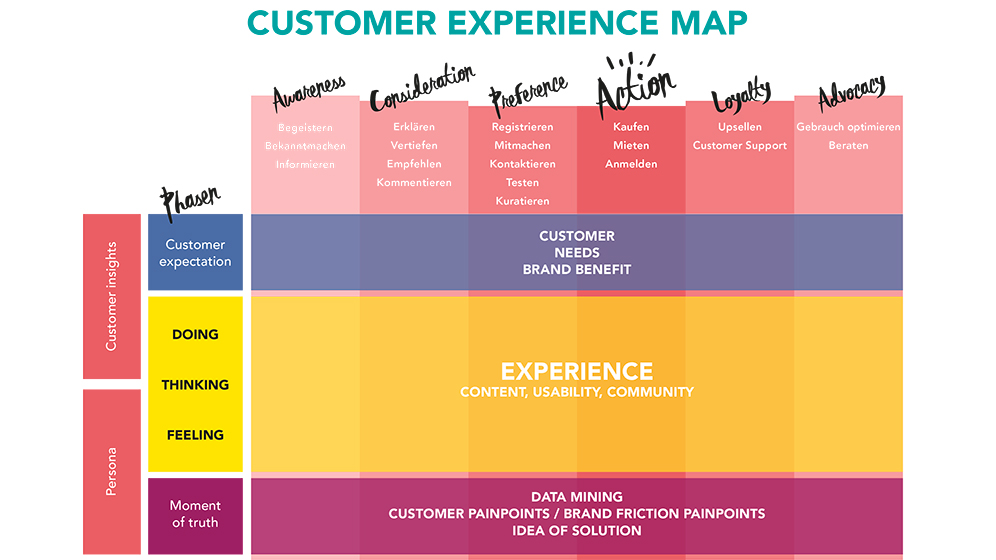
In this way, they can inspire consumers, initiate sales and give the brand a positive boost. The experts at Delasocial explain which three triggers brands need to set for an optimal customer experience. Delasocial is an agency for creative digital brand communication with a focus on social media, content marketing, media and influencer relations. The 50-strong international team based in Hamburg and Berlin develops strategies, ideas and content to get consumers interacting with brands and products - for more attention and sales.
Content
Plate brand messages do not make a customer experience. To find the right content, brands should venture a mix of information and storytelling that matches the problems, interests, and needs of their users. Examples are content portals of brands that not only offer the customer information about a product, but stage a whole world with complementary content, offers and services. Brands must analyze every contact and every interaction of the customer with the content in order to be able to subsequently control and distribute content better.
Usability
Functionalities on the website, in an app or on social media - at every touchpoint - determine the user's brand experience and shape brand perception. For example, a configurator helps the prospective customer to adapt the product to his or her wishes, or a color recognition function in a fashion store helps to find matching clothes. In addition to functionalities, a brand's customer service is also a key differentiator. Chatbots, for example, are used to answer customers' general or specific questions about the product range or orders. Data is automatically generated via services and functions, which allows suitable offers or products to be suggested to the user afterwards.
Community
In the fast-paced digital world, the biggest challenge for brands is to gain and retain customer loyalty. One possible way to do this is through a community. For example, brands can create tester communities with consumers. They try out products, create their own examples of use and act as credible brand ambassadors. In addition, the brand can also use the user-generated content for further communication. Some brands, on the other hand, focus on the complete personalization of the shopping experience. The direct dialog, interaction, and exchange in the community creates not only strong customer loyalty but also a flow of data that should be used for more relevant communication.
"Content, usability and community are not only elements that create a customer experience, they are also important sources of data. The interaction between brand and user generates valuable data that travels with the customer from contact point to contact point. The more often and deeper a user interacts with the brand, the more finely tailored the communication can be and the more likely the customer is to convert," explains Kai Bösterling, Deputy Managing Director Strategy at Delasocial, in a press release.