
First course for comic artists
For the first time, aspiring comic artists can pursue training at the University of Applied Sciences in Geneva.


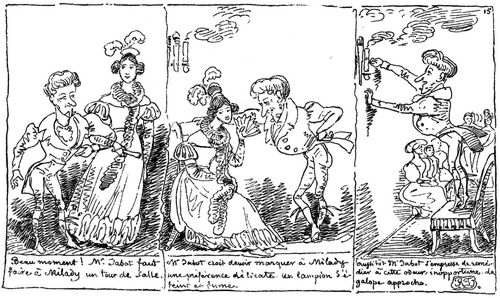
The range reflects the high status of the bande dessinée in French-speaking Switzerland. In German-speaking Switzerland, on the other hand, the comic scene is rather small. "This new course is part of the tradition of the bande dessinée in Geneva, which is as old as it is lively," said Anne Emery-Torracinta, Geneva's Director of Education, to the media in Geneva on Thursday. The people of Geneva pride themselves on being the inventors of the comic strip, thanks to the legacy of illustrated stories by the artist (1799-1846), who worked in the city on the Rhone.
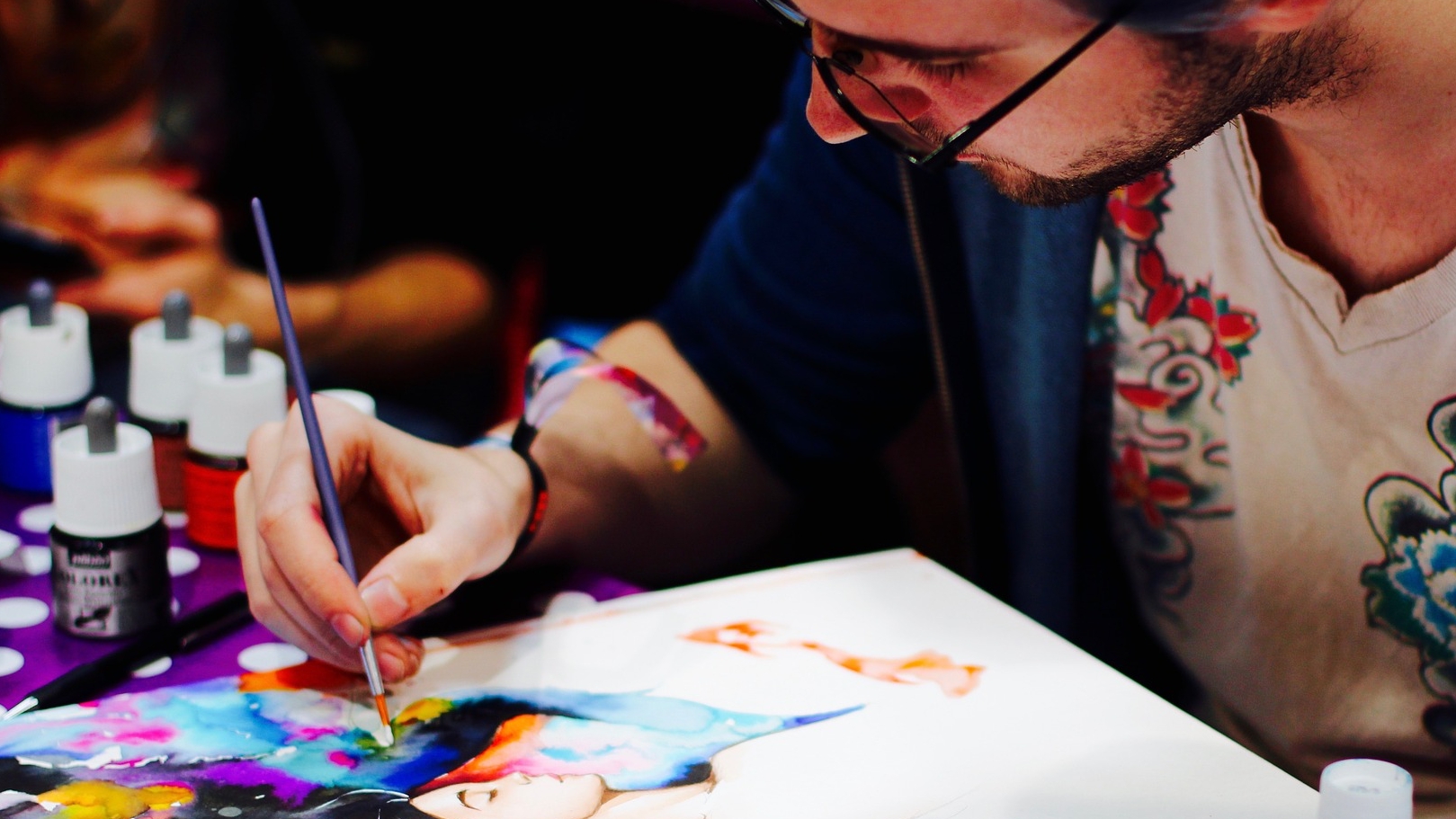
The first 16 to 18 candidates are due to start their training at the beginning of the 2017 academic year. Upon graduation, they will receive the title of Designers FH in Visual Communication. People who have completed an apprenticeship in graphic or media design professions will be admitted. However, the school is also open to particularly talented applicants who have not completed an apprenticeship. During the two-year course, students attend workshops, but also devote themselves to caricatures, animated films, scripts or journalistic-style reports.
Recognition for profession
Zep is also likely to be active as a teacher in the workshops. The comic artist, whose real name is Philippe Chappuis, is the undisputed star among comic artists in French-speaking Switzerland. He published the series about the schoolboy Titeuf, which has now sold 20 million copies. He himself trained 30 years ago at the Geneva School of Design - the same school that now offers the new course for comic artists. Zep described the training as a "nice recognition for the profession".
France and Belgium
French-speaking Switzerland benefits from the Franco-Belgian comic scene, said Tom Tirabosco, President of the Professional Association of Swiss Comic Artists, on Thursday. Many were inspired by Hergé, who drew "Tintin". Comics are also on the rise in German-speaking Switzerland, and there is also a fantastic festival in Lucerne in the form of Fumetto. Comics are increasingly aimed at adults and deal with serious topics such as war reports, as Tirabosco noted. He is also expecting students from other cantons in French-speaking Switzerland to take part in the comics course. There are already numerous inquiries from young talents.
Large Geneva comic scene
It is no coincidence that the first university of applied sciences course is opening in Geneva. There has been a vibrant comic scene there since the late 1960s, as Cuno Affolter, comic expert and curator of the City of Lausanne's collection, said on request. In French-speaking Switzerland, for example, comics such as Titeuf or the Indian boy Yakari have cult status and are simply part of every childhood. Both are by authors from French-speaking Switzerland, which is the big difference to German-speaking Switzerland. Although comics are also read there, they mainly come from abroad. "This has to do with the Second World War, which led to a break in the German comic tradition," says Cuno Affolter. Germany had already produced illustrators such as Wilhelm Busch in the 19th century.
Small Swiss German scene
After the Second World War, however, there was no longer a comic industry in Germany, whereas it was able to develop seamlessly in France. In contrast to the German-speaking world, comics for adults were also soon available in France. In German-speaking Switzerland, Globus tried to launch comics with Globi or Ringier-Verlag with Ringgi and Zofi, but the main aim was to retain readers. Today, bande dessinée are also accepted in German-speaking Switzerland, but the illustrator scene remains small. (SDA)


