Binkert designs signs for unisex toilets
With signs specially designed by Binkert Partner, Coming Soon is doing away with gender-specific restroom divisions.


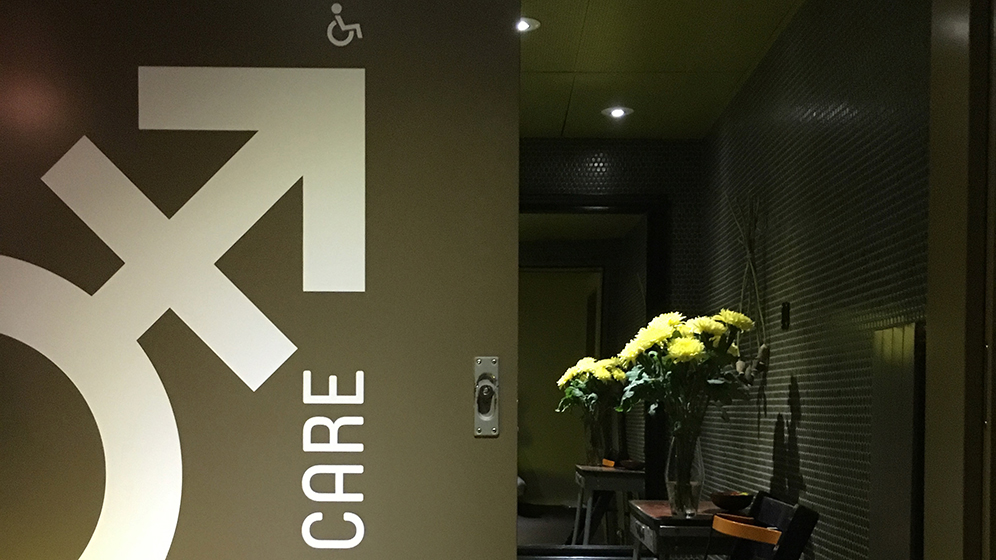
In Zurich, there are practically only public toilets that are separated by gender, either for men only or for women only. It is obvious that this is problematic for people who cannot or do not want to fit into the binary gender model. If the external gender does not match the perceived gender, these people feel excluded and discriminated against.

Coming Soon therefore wants to think one step further and opens its toilets for all genders. In doing so, the Vietnamese restaurant in Zurich's Langstrassen district is not only helping many people in their everyday lives, but also wants to initiate corresponding changes in the law and set an example for openness and consideration towards our transgender and intersex fellow human beings: A small step for the guests, but a big step against exclusion.
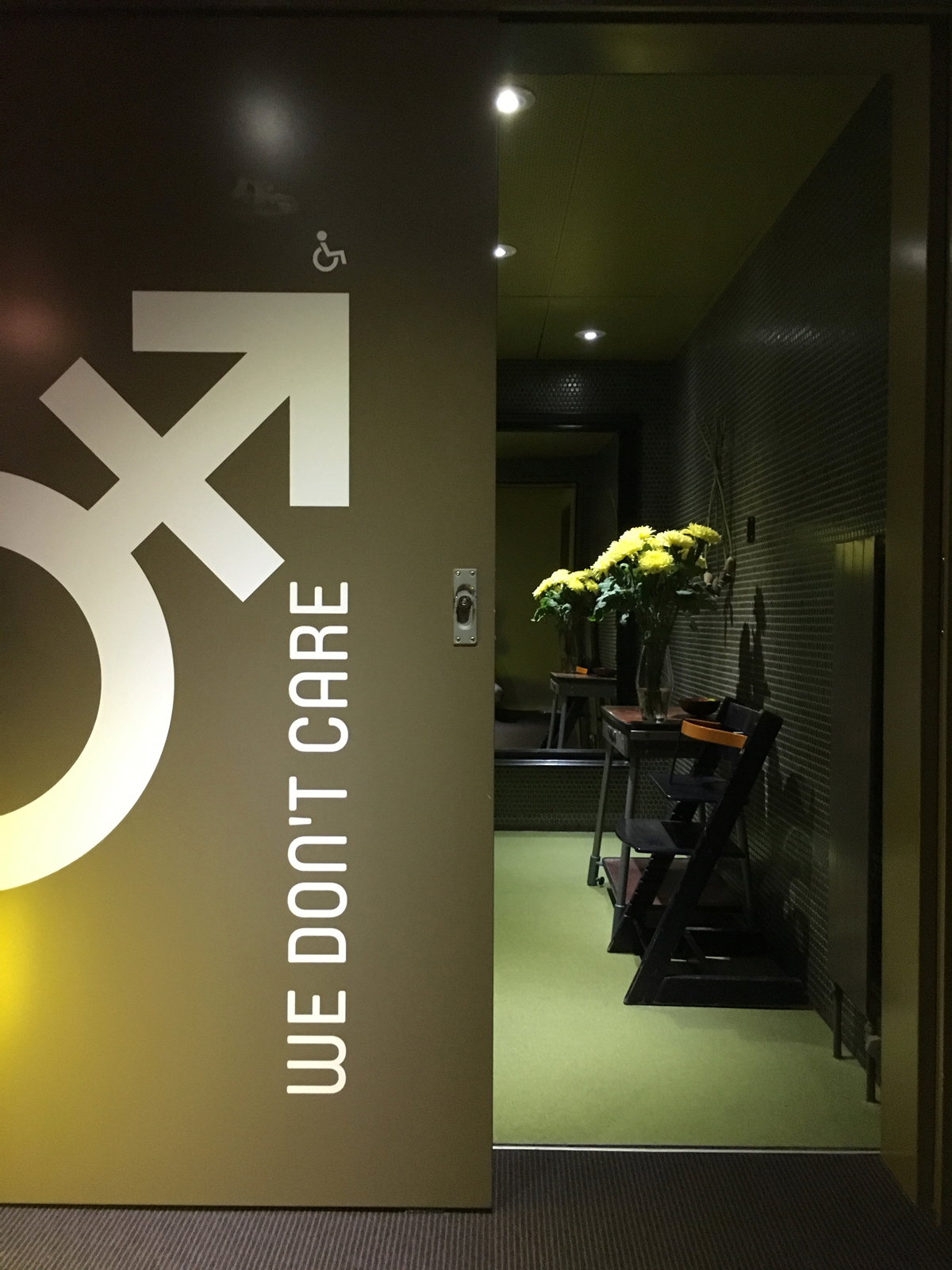
The signs on the toilet doors, designed by Binkert Partner, are intended to emphasize these innovations. The fact that some guests will initially be at a loss in front of the toilets is allowed and should be so, according to the press release; after all, the aim is to stimulate a discussion on this topic. Unisex toilets are standard in our own homes, but also in trains and airplanes - so why not in public spaces?
Background:
What is still more or less uncharted territory in Switzerland is already part of everyday life in other countries and especially in the USA. More than 150 American colleges have had gender-neutral toilets for years, and the city of New York has also made short work of it: in June of this year, the city council decided that from January 1, 2017, only unisex toilets would be allowed in the city.
Conservative forces in particular are bothered by this idea and have begun to install so-called Bathroom Bills in certain US states. These laws state that a person may only use the bathroom that matches their gender in their passport. This sometimes leads to discriminatory situations, especially for transgender people. Women, for example, who have been living as men for years but do not want to undergo gender reassignment surgery, must therefore continue to use the women's toilet. It is obvious that this becomes a gauntlet.
The trend toward gender-neutral toilets is now slowly spilling over into Europe: Sweden and the UK already have them, and in Malta, for example, it is already mandatory for ministries to have unisex toilets. Debates to this effect are also underway at certain universities and in political bodies in Germany.
More and more cities, educational institutions, companies, stores, and hospitality businesses were advocating for unisex restrooms.