To the point: Man instead of machine
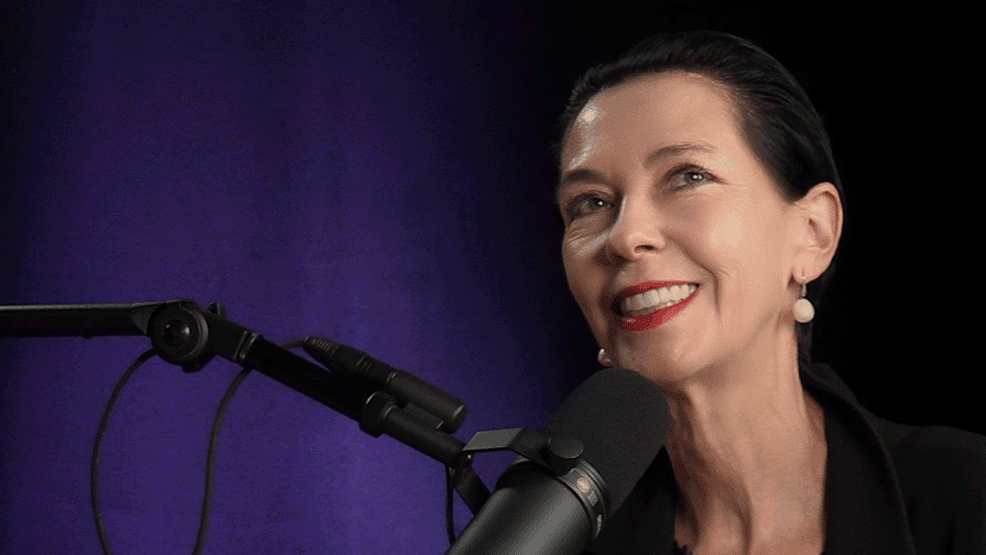
«Don’t just acquire—inspire.» The editorial by Editor-in-Chief Anne-Friederike Heinrich from the current issue of *Werbewoche* 7/16, dated April 15, 2016.


Work is becoming human again. Whereas since the 1990s, companies have been looking primarily for "lily-livered" employees, all-rounders with low salaries and unlimited mobility, employees who are willing to give up their jobs for the sake of their families, ties and private passions, companies are now once again looking for human beings. But finding them is not that easy.
In the advertising and communications industry, people are complaining: "We're not getting the right people applying," say representatives of small and large agencies. In other industries, too, namely in IT, there is a shortage of skilled workers, and this has been the case for years. Employer branding, the positioning of employers as a brand, promises a way out of the misery: employees must fit the brand, and the brand must fit them, or cultural fit as it is called in the jargon. Employers have finally realized that only employees who identify with the company's goals and values can deliver the desired performance over the long term.
Identification, on the other hand, can only exist if the company recognizes that it employs a person who has other interests, desires and passions besides work - which, if given space, can also fertilize the work.
What has happened? Human relationships have undergone a fundamental change in meaning: Spouses are no longer economic security, but in the best ( and least ) case the guarantor of lifelong happiness. If they are not, they are shot down. Children are no longer an old-age provision, but a source of meaning and proof of the parents' capacity for love and pedagogical performance. And the employer, too, has evolved from a simple breadwinner to the central element of work-life balance: Today, earning a living should also be fun and satisfying; the employer should be a cool figurehead with which to impress colleagues. This demand is fundamentally changing the world of work, especially for the Generation Y and Z employees who are now entering the labor market. We more seasoned employees can't thank them enough for this rehumanization - even if the development initially puts us as employers under pressure.
It is becoming increasingly difficult to reconcile the high quality requirements of employers and the constantly growing demands of employees. The labor market seems to be turning around, so that soon it will no longer be employees who apply to companies, but companies who apply to skilled workers. If you want to win over the best employees, you have to present yourself in the right light and build a strong employer brand. Ideally, this should be done not only when the company needs people, but also on an ongoing basis so that it can snap them up when the need becomes acute.
Recruiting expert Michel Ganouchi explained how to do this in a presentation for Medienjobs.ch and Inside-it.ch on Tuesday. He said every company needs to be aware of its roots, what drives its business and what sets it apart from competitors: "Every company has an employer brand, but it also needs to manage it." The goal is to develop a strong UEP - unique employer proposition - a unique selling point for the company. Such branding can take years; that's why it's best to start now.
You know what your company stands for, what goals you want to achieve and what people you need to do it ? Good. Then you still have to choose the right channels for your search. Today, employees are no longer found or acquired, but enthused and won over. If you want to have the best, you have to come up with something. Newspaper ads were yesterday, today it's social media. Depending on the candidate you want, moving images can be a promising "ad" format. Why not look for a communications talent on Whatsapp, or a picture editor on Instagram? The NZZ, for example, tweets its job ads. If you don't see these tweets, you're not the right employee. And make applying easy. If you have to log in to the company website before you can send an e-mail to the personnel manager, you may be gone again faster than you can look.
What sounds like a huge HR project can also be done on a very small scale. After all, not every company has a five-person HR department. Getting new colleagues interested with crisp language and witty ideas shouldn't be difficult for employers in our industry. "Above all, save the bullshit bingo in job ads," Ganouchi advises. All companies want flexible, team-oriented employees; it's not a differentiator. A clear description of the job and its requirements, without verbiage, is a better way to find the right employee. Invest a few minutes in thinking about the kind of person you envision as a job candidate and tailor your application precisely to that. It's even better if you receive only two applications instead of 20 - and both candidates fit the bill. And: Don't forget emotions. If you are looking for a "sales tycoon with laugh lines" instead of a salesman, you are already on the right track.
Anne-Friederike Heinrich, Editor-in-Chief Werbewoche