10 Years of MYI: From Gaming Clan to Agency
In an interview, Cedric Schlosser, CEO of MYI AG, talks about the spirit of innovation that is still palpable even after 10 years, even though gaming has long since entered the mainstream. Today, MYI serves major clients. Nevertheless, it remains a roller coaster ride between euphoria and melancholy.


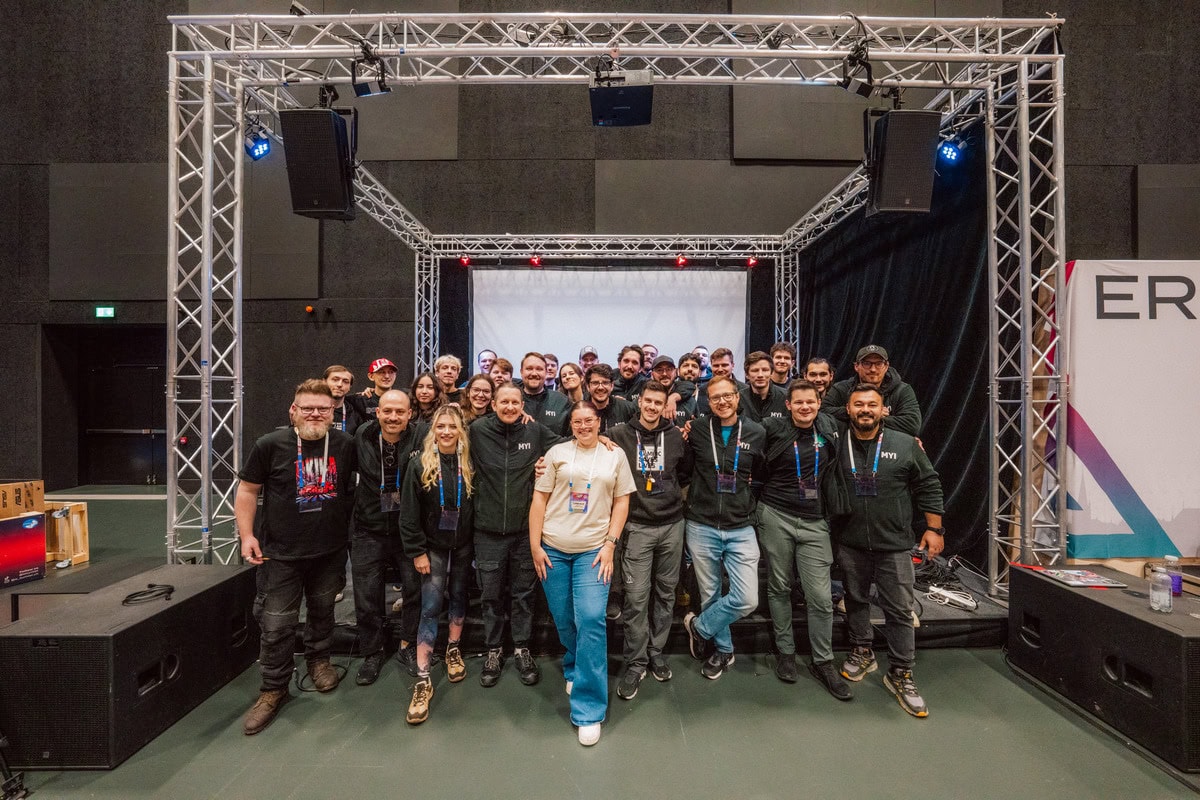
m&k From Gaming Clan to Agency: MYI grew out of the esports clan mYinsanity and a LAN party with 20 people at the Bärensaal in Bern. How much of that original spirit remains today in the agency, which serves brands such as Swisscom, Roche, and Coop?
Cedric Schlosser Quite a lot. Two of the founders who launched the mYinsanity clan in 2009 are still on the executive board today. As CEO, I’m one of them. This isn’t just nostalgia—it shapes MYI right down to the day-to-day. What we’ve preserved is a culture that has remained playful and friendly, but over the years has taken on a much more professional character. For clients of this caliber, we have to deliver top-notch performance—that goes without saying. But everyone here still feels the innovative spirit and fearlessness from the early years, when we first started out in gaming as a club and a clan.
The 2025 Rebranding: You removed the word «Entertainment» from the name. How has this changed things for you in terms of content, and what prompted you to make this change right now?
The word “entertainment” has been misinterpreted far too often. We don’t necessarily provide entertainment per se—or at least, not anymore. In the past, we primarily organized events and produced many esports broadcasts, and back then that was fine. But we’ve evolved since then: services like advertising have been added, and we now cover the entire spectrum of communication. The rebranding from MYI Entertainment to MYI was intended to reflect this. With MYI, we want to create a brand that serves as a one-stop shop in Germany and Switzerland—a full-service agency for everything related to gaming and nerd culture. We excel in this field and offer the full spectrum of services—from concept to execution—ranging from traditional advertising campaigns and events to in-game worlds and social media content.
From a niche audience to the mainstream: You say the average age of the gaming audience is now 42. How does that change your work now that gaming is no longer a niche but mainstream?
Gaming has been mainstream for many years; it’s just not perceived that way. Anyone born in the 1970s has generally grown up with it. For us, the average age of 42 is, above all, statistical proof that gaming has gone mainstream.
For our work, this means one thing above all else: If you want to reach gamers, you have to think in terms of sub-target groups. We segment these based on the specific use case—by game, age, platform, or even «motivation to play.» Depending on the target group, the possibilities change, as do the methods and language used in implementation. A campaign for an 18-year-old Fortnite player looks completely different from one for a 66-year-old online Jass player. Both are aimed at gamers, but each requires a distinct approach. To this end, we’ve also conducted our own studies, including the MYI Gaming Index.
Your own test of mettle: You describe your team as «the harshest critics» of your own work because they’re all gamers themselves. Over the past ten years, how many times has this internal criticism actually prevented you from making a misstep in a campaign?
It's a huge advantage to have people on staff who are passionate about the subject. They know from personal experience what kind of content and language resonate with the audience.
This is most clearly evident in a recurring pattern: An event goes well, and the next step is to sharply increase ticket prices, parking fees, or some other form of pricing. Or the goal is to improve efficiency by giving the community less space. That’s exactly where our close ties to the communities and to consumers have helped us. We’ve been able to repeatedly put the brakes on the corporate drive for greater efficiency and profitability and enable sustainable growth instead of pursuing short-term profits.
In the campaigns themselves, it helps most of all with the creative work. We rarely fall into the trap of pandering to the masses, and we’re able to communicate authentically.
Between Strategy and Gut Instinct: From founding the agency in 2016 to taking on traditional advertising agency projects involving Gen Z consulting and media planning—how has your own role as a founder changed throughout this evolution?
For me, that was a big change. I originally studied business administration and am not strictly a marketer, even though I’ve been involved in marketing through my projects since I was a teenager. Over the past few years, I’ve also become more professional in that area.
To put it simply, my role today is still a bit like that of a mascot: I’m the first point of contact for many of our clients and brands—and, time and again, for the communities as well. But it’s precisely in this initial contact that I’ve had to significantly expand my knowledge—especially in media planning and traditional advertising agency projects—and, together with my team, actually project that expertise.
In short: I’ve evolved from an almost fanatical gaming fan into, I hope, a well-rounded marketing expert. The biggest change has been realizing that there’s a business case behind everything—it’s not just about what would be good for gaming.
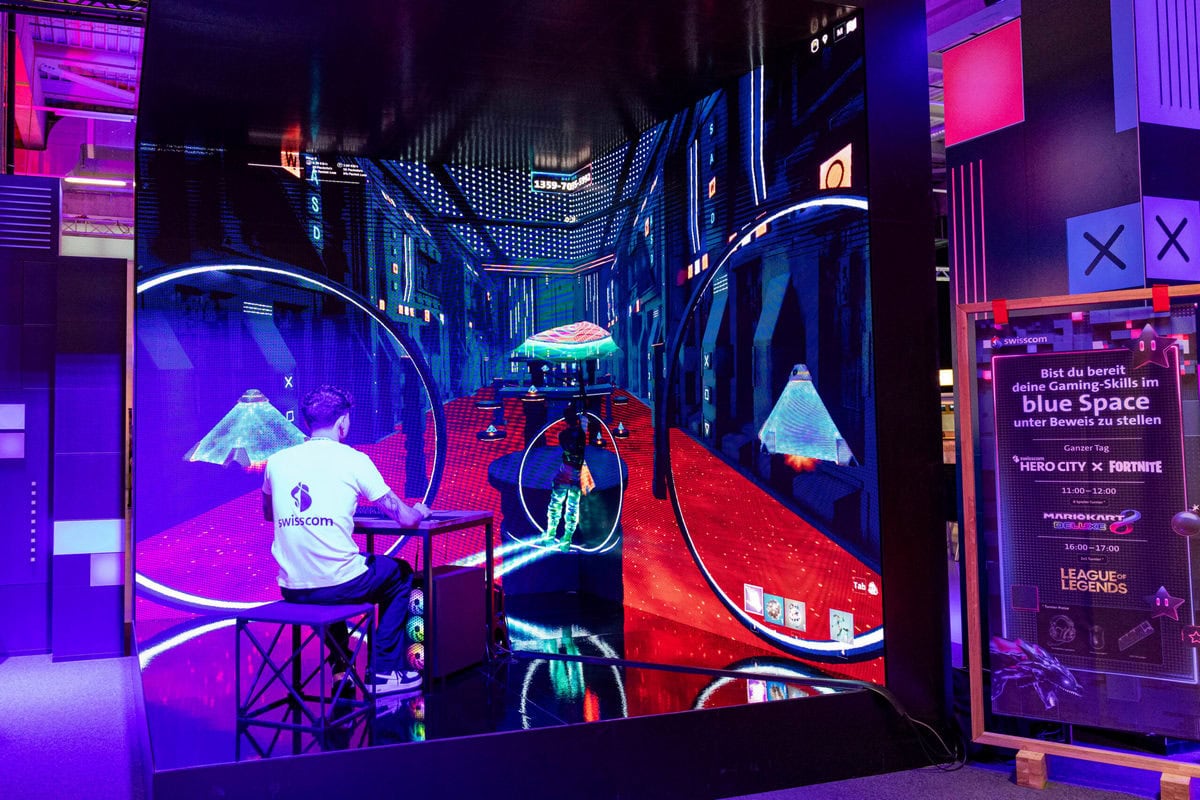
Your own brands: In addition to your agency work, you run a whole range of your own projects, such as SwitzerLAN, HeroFest, and mYinsanity. How do you ensure these projects close to your heart don’t get lost in the day-to-day work on client campaigns?
That has often been a problem over the years. Our own projects—which aren't particularly profitable, and unfortunately that's still often the case—are quickly deprioritized and then don't go as well as we'd like.
We have therefore made two changes. First, we have refined our portfolio of in-house projects and assessed which of them have a reasonably realistic economic foundation. They don’t have to generate a profit right away, but they must be able to stand on their own two feet. Second, these projects now have dedicated project managers who are passionate about them and are driving their development forward with an entrepreneurial spirit.
What matters most is the mindset behind it: We treat and prioritize internal projects the same way we do client projects. This ensures that no one feels like they’re working on a less valuable project. It’s paid off. We’ve been able to get our largest in-house platforms—HeroFest, SwitzerLAN, and gamescom lan—to a point where we can run them effectively over the long term.
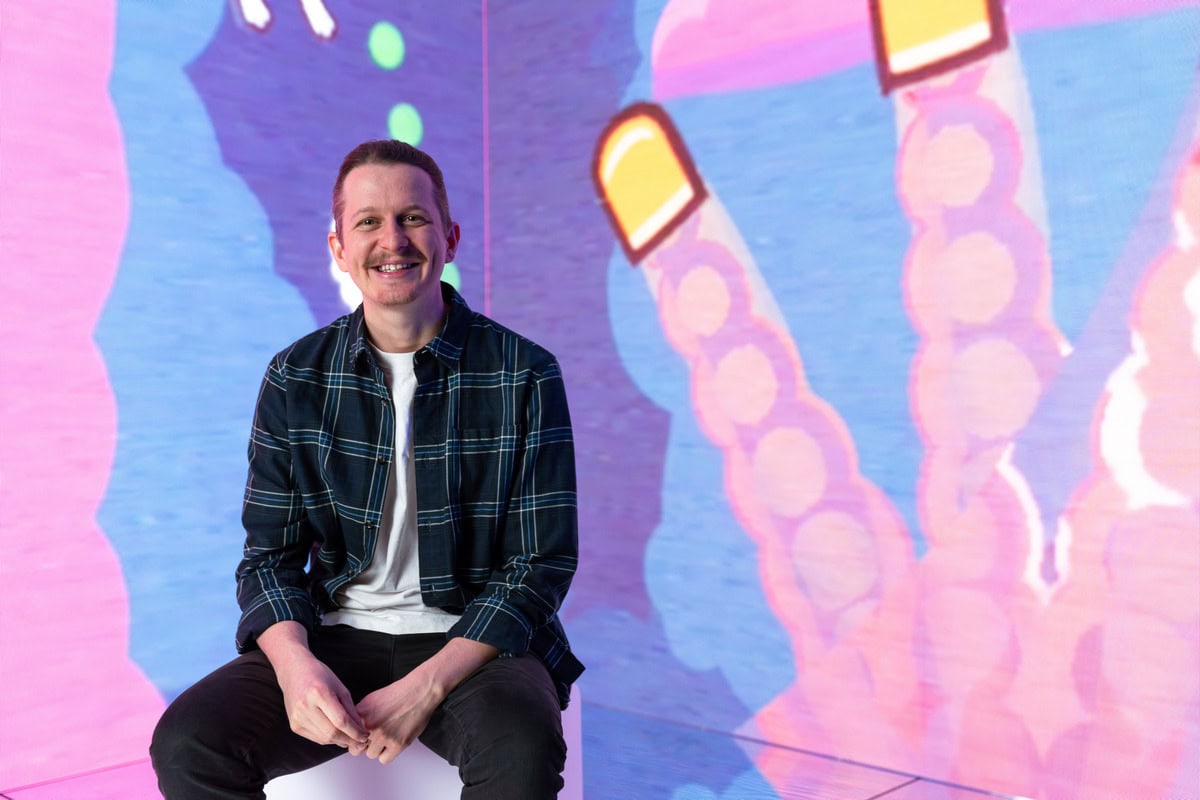
Looking back on ten years: You yourself have described your anniversary as a roller coaster ride between euphoria and melancholy. What was the moment during those ten years when you came closest to giving up?
To be honest, I was never really close to giving up. When I spoke of melancholy, I was referring to something else: the romance of a small agency that’s fading away. Working with four or five people to bring your absolute favorite projects to life is something completely different from running and growing an agency with 30 to 40 people in a way that’s financially sustainable.
As a result, my understanding of my job has changed. I feel a greater sense of responsibility now than I did before, and my role has shifted more toward management and away from day-to-day operations.
To this day, the most difficult moments for me personally are when a major client walks away. You come to see the client relationship as very close, almost intimate. Most of the time, it has nothing to do with your own performance, but rather with a change in strategy or a new CEO. Still, it took me a long time to get used to this at first—I’m a loyal and almost stubborn person. I had to learn that relationships like these come and go, hopefully lasting for many years, but eventually coming to an end. There have also been cases, however, where clients have come back later. That makes it all the more rewarding.
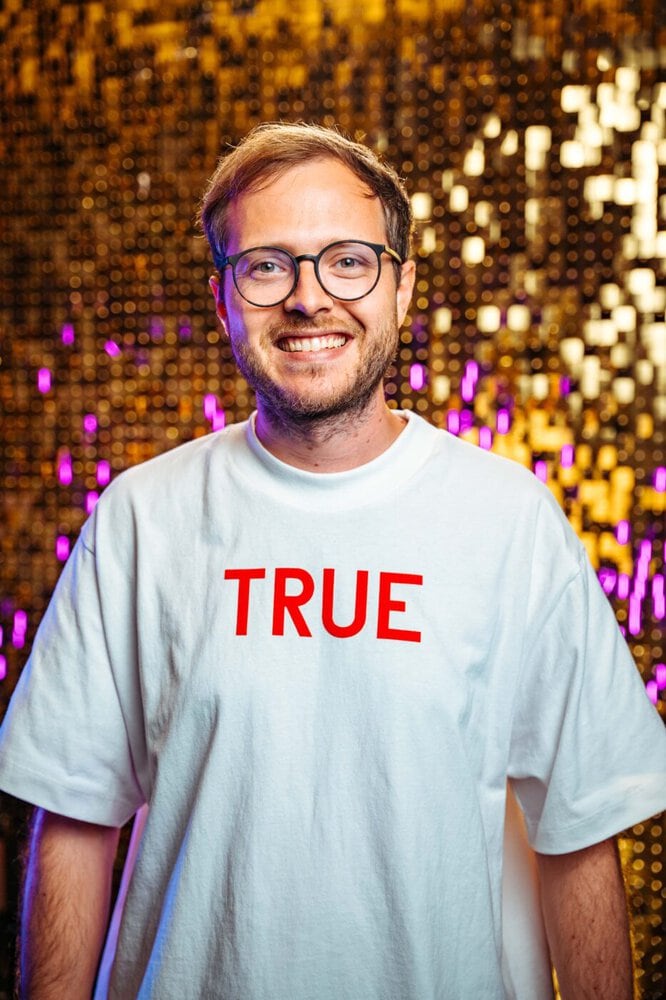
Looking Ahead: MYI currently operates in Switzerland and Germany, with projects across Europe. Where will the agency be in another ten years, and what would need to happen in the gaming market by then for this goal to remain realistic?
Our goal is clear: In ten years, we will be the number one in gaming, esports, nerd culture, internet culture, and the youth culture associated with them. We already have a presence in Switzerland and Germany with our own company and team. Anyone who wants to make a difference in these areas should reach out to us. That’s what our slogan, «We Empower Passion,» stands for.
I see the market as consisting of two parts. First, the endemic brands—that is, PC and hardware brands like Logitech, Asus, or Acer: There, we want to become key partners and build a reputation for the highest quality. Second, the non-endemic brands—that is, consumer brands like Swisscom, Coop, or Fisherman’s Friend: They should find us to be a competent partner for implementing authentic projects and developing long-term strategies in the gaming space. This may lead us to run Europe-wide campaigns, especially for brands headquartered in Germany.
The gaming market itself is already well-established. What’s important to us is that it remains large. It will help us if gaming culture continues to move into the mainstream and merges with traditional entertainment. We see this, for example, in movies like *The Minecraft Movie* or TV series like *The Witcher* and *The Last of Us*. This trend helps us especially with non-endemic brands.
When it comes to endemic brands, a lot depends on hardware prices. It would be great if they didn't keep rising because of the AI boom, and if gaming remained an affordable hobby for everyone. To me, those are the two key factors for the coming years.