
What does the rise of machine learning mean for marketers?
Maurizio Miggiano of MediaCom Switzerland and Alex Mari of the University of Zurich on the new white paper: «The Rise of Machine Learning in Marketing»


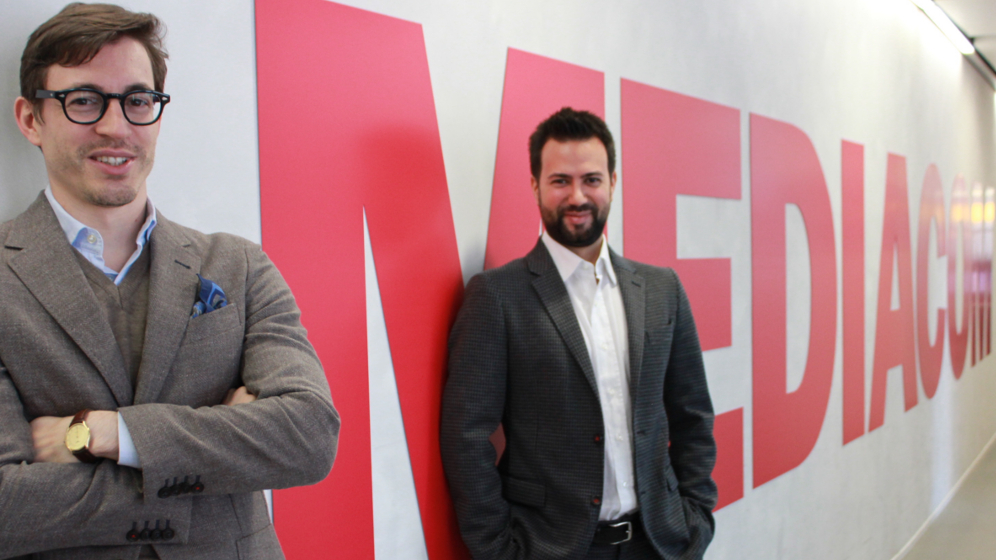
In addition to 30 international experts such as Jim Sterne, Dr. A.K., Maurizio Miggiano, Head of Data & Analytics at MediaCom Switzerland, Alex Mari, University of Zurich will participate in the development of a model for the definition of an AI-driven strategy in the marketing context.
This independent research report describes the goal, process, and benefits of machine-driven marketing. Specifically, it discusses how marketing uses machine learning models to automate, optimize, and extend the process of transforming data into actions and interactions to enable behavioral prediction, demand forecasting, and hyper-personalization of messaging.
Alex Mari, University of Zurich concludes that successful companies using ML technology transform data into seamless interactions with consumers using semi-automated and real-time processes. These predictive and enhanced experiences create deeper one-to-one relationships with consumers, improve the omni-channel customer experience, and drive product differentiation.
"Machine-inspired marketing is forcing managers to strategically evaluate their organization to redesign roles and responsibilities while appropriately defining the division of tasks between humans and machines," adds Maurizio Miggiano, Head of Data & Analytics at MediaCom.
Read the full whitepaper here: "The Rise of Machine Learning in Marketing." (PDF)
Maurizio Miggiano, Head of Data & Analytics at MediaCom Switzerland, provides deep insights into his views on machine learning (ML) in marketing:
"When we get beyond the curriculum hype behind AI, we find sexy new ways to use marketing data. Audience targeting, website personalization, recommendations, churn predictions, augmented intelligence. Lots of cool ideas and big efficiency gains.
For example, an advertiser could track digital customer journeys to determine tactics and strategies that have previously led to a positive outcome. And repeat them through successive audience targeting that leverages this knowledge - usually the result of machine learning algorithms.
The typical, most celebrated case is so-called programmatic media buying, which allows an advertiser to deliver targeted individualized banners to users based on their prior interest or behavior at the right moment with the right message.
It's more common for the marketing budget to be optimized in double digits thanks to built-in algorithms - or even higher with sophisticated custom algorithms
However, we must remember that AI in marketing is definitely not that new. In fact, these tools have been around for a long time, even before the whole AI discussion affected the marketing industry. Most AI products are offered by marketers in the form of features that we don't really manipulate or see.
It's the behind-the-scenes magic built into the application layer of the usual Silicon Valley suspects.
And it's magic? No, it's more like automating a single, repetitive task. This is what we can do right now. As simple as it seems, I would advise most marketers I know not to do AI on their own. On the contrary, leave it to the experts and the companies that have already invested millions in this space.
In the future, a marketer will definitely not be able to run ML or AI, but rather find the right tech tools for the challenge they face.
For those marketing offices trying to build their own AI case, my advice is to think twice. You need talent, resources, and lots of data, to name a few. From experience, this has rarely been the case for marketers, as marketing is fundamentally a big mess compared to other industries with higher levels of data governance and analytics maturity.
I know it's paradoxical: On the one hand, you have all the Googles, Facebooks, AppNexus, Amazons - companies at the forefront of ML, Deep Learning, AI as a whole.
And on the other side you have the typical marketing office that still contains a lot of data & tech illiterates. Who is trying to understand what the hell is going on? What's possible and what's not? All those meetings and all those nice roadmaps and progress (of faith?).
Well, all you should do is choose a challenge - the smaller the better - and deploy the tools. Today, there is one tool and one vendor for all AI for Marketing challenges. While everyone may have a fascination with designing their own "AI roadmap"... But as I always say to my mom, "I'm a marketer, so I'm not your smartest son."


