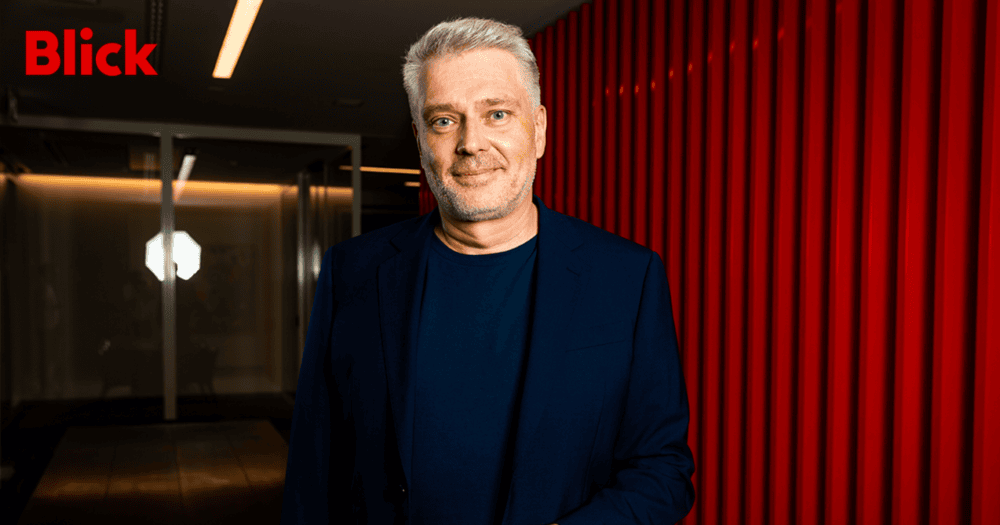
Jonas Projer moves to Blick Group - SRF loses another figurehead
Jonas Projer is joining the Blick Group. The TV journalist will take on the role of editor-in-chief there and lead the «Blick TV» project. This isn’t the first high-profile figure SRF has lost.


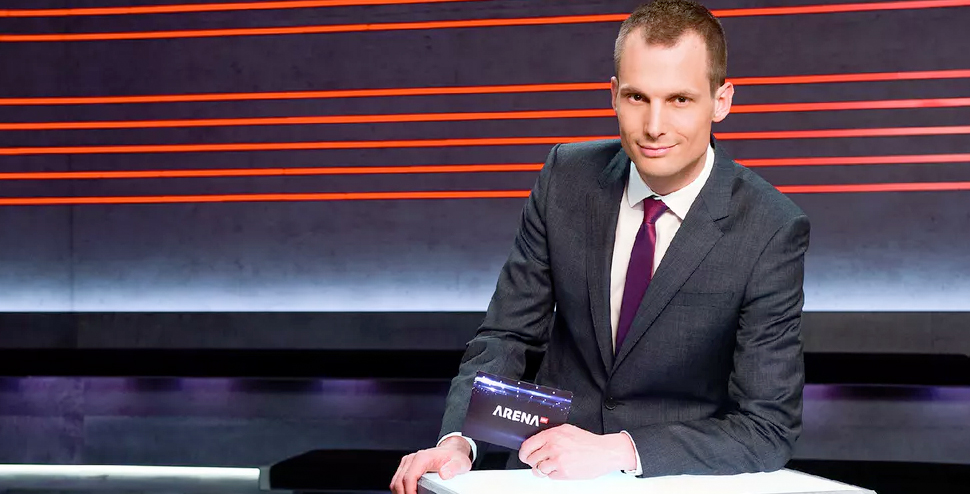
Journalist and TV presenter Jonas Projer will be moving to Ringier by September 1, 2019 at the latest. The 37-year-old will take over the management of the "Blick TV" project at the Blick Group. Under this project name, the Blick Group plans to substantially expand the share of moving images on its platforms.
Projer can look back on many years of experience in journalism. He worked for many years at Swiss Radio and Television (SRF). Most recently as head of the talk show editorial team and presenter of the program "Arena". He became known throughout Switzerland in 2011 as SRF's EU correspondent in Brussels. Projer studied English, Film Studies and German at the University of Zurich and holds a degree in "Film" from the Zurich University of the Arts, during which he also completed a year of study at the renowned School of Visual Arts in New York.
Projer's departure is likely to weigh heavily at Leutschenbach. As an SRF spokesperson told the Switzerland at the weekend the successor to the popular "Arena" presenter is not yet clear. His departure was sudden. The newspaper names Susanne Willle, who announced her resignation as "Rundschau" presenter on Friday, "Medienclub" presenter Franz Fischlin and "Rundschau" journalist Sandro Brotz as possible successors. None of the three media people wanted to comment on a possible "Arena" successor.
After Roman Kilchsperter (Teleclub), Urs Gredig (CNN Money Switzerland) and Steffi Buchli (MySports), SRF is losing another figurehead. Experts and insiders agree that this is no coincidence. On the one hand, the departures are the result of new, stronger competition, analyzes the NZZ on Sunday: Pay-TV channels such as Teleclub are buying football rights that were previously in the hands of SRF and are also recruiting the experienced staff from Leutschenbach. At the same time, the major publishing houses are focusing on video content and are expanding the relevant departments. In contrast to SRF, Ringier, for example, is not adhering to the rigid salary structure familiar from public broadcasting, writes the NZZ. Ringier CEO Marc Walder is known to dig deep into his wallet when he wants to bring someone into the company. "The offer was too good to refuse," says Projer in the Blick interview - and of course primarily means (also) the new responsibility and the opportunity to help shape a pioneering journalistic project.
From the perspective of NZZ on Sunday However, the SRF corporate culture is also responsible for the painful departures. The management has not yet adapted to the new competition, expects gratitude from employees and that they "kowtow to the management", one executive is quoted as saying. For example, people who never questioned what came from the top were promoted. The company is always concerned with securing its own power, and the basic attitude is characterized by suspicion and distance, says an SRF journalist. This has a demotivating effect on ambitious employees. Another criticizes that SRF pays too little attention to discovering, promoting and retaining employees, and that they hit a wall when it comes to career planning. And other voices criticize the fact that the company's top management pays too little attention to the vain presenters who expect encouragement from above. In Germany, the NZZ am Sonntag, the station bosses "spend a lot of their time keeping their well-known presenters happy".
SRF seems to take a less dramatic view of the issue. The individual changes are "regrettable in view of the dozens of established SRF presenters", but "nothing out of the ordinary", spokesperson Stefan Wyss is quoted as saying. New players in the Swiss video market are welcome, as competition stimulates business.