How successful Instagram marketing works


When Facebook acquired Instagram in 2012, it drew a lot of criticism. There was even talk of shutting down the app. Today, the photo-sharing social network has around 500 million monthly active users. From that point on, at the very latest, Instagram has become a platform of interest to anyone looking to engage in digital marketing. However, few marketing professionals are yet aware of how to strategically position themselves on the platform. A white paper by the Facelift brand building technologies GmbH highlights the potential Instagram offers businesses and how they can attract more followers.
Instagram has become one of the most successful social networks and offers great potential for businesses.The white paper outlines two ways to generate leads: first, by publishing content on your own channel, and second, through user-generated content. While the first approach has limited reach and potential, it gives the administrator full control. Although user-generated content reaches more people, it cannot be planned or controlled—including its design. A prerequisite for this content is a product or service that can be visually represented. In addition, Instagram’s user base consists primarily of a young demographic that uses the platform for personal purposes. Consequently, this channel poses a challenge for B2B service providers and audiences over the age of 40.
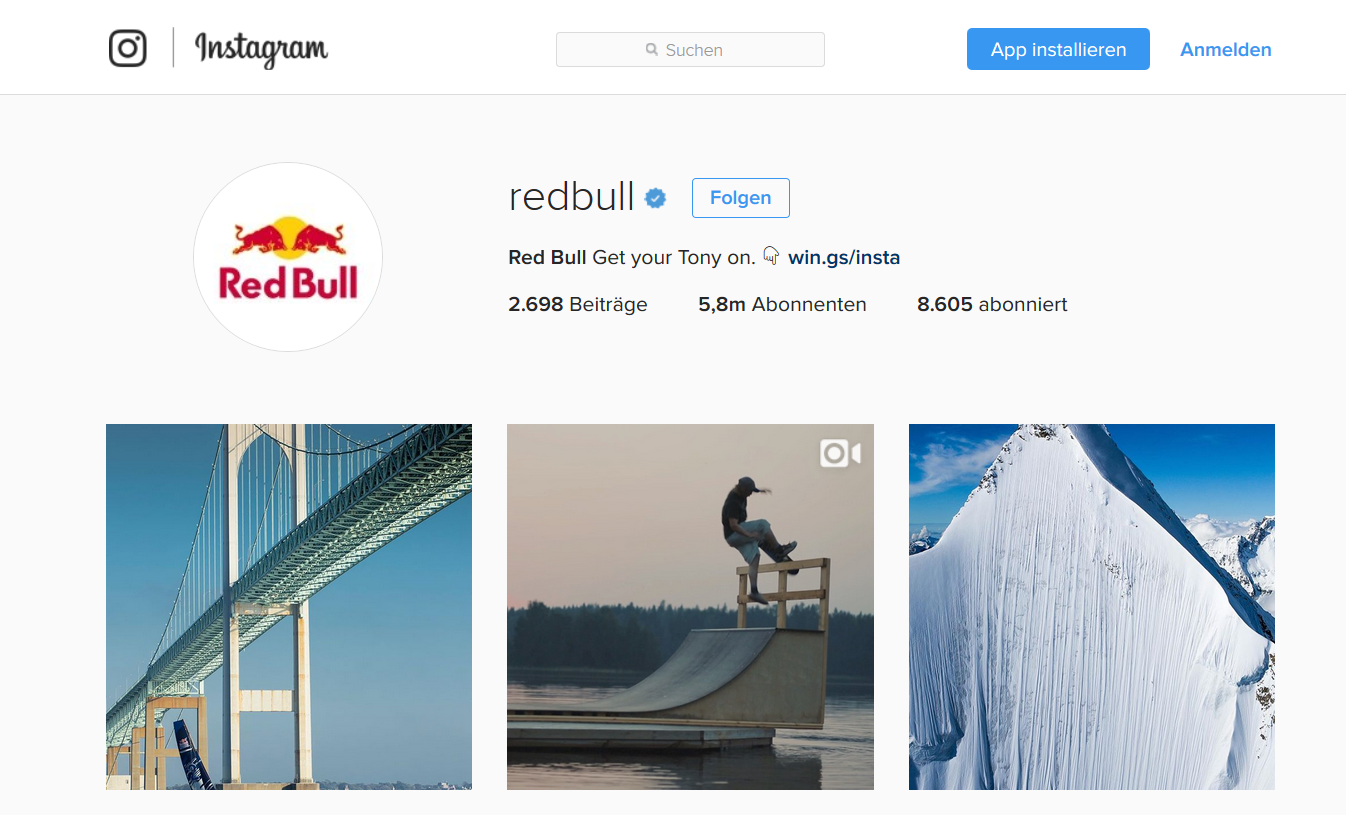
On Instagram, Red Bull doesn't focus primarily on showcasing its product; instead, it connects with its audience through emotional stories.Pictures without a story are uselessOnce a company is aware of these principles, nothing stands in the way of its Instagram account. Thanks to its visual nature, the platform has the advantage of optimizing and sharpening brand perception—and it does so in no time at all. Users process both individual posts and the overall impression of the account. As with the entire marketing mix, one thing is even more important here: storytelling. Traditional promotional photos or informational texts do little to strengthen the brand. Instagram is the ideal tool for evoking emotion, and that’s exactly how the images should be. The individual posts must work together as a cohesive whole.Retain customers and attract new onesInstagram is also a good tool for building customer loyalty. For example, if you promote your Instagram page through other channels—such as Facebook, your company website, or newsletters—your existing community will follow the brand on this platform as well—provided the company presents itself as authentic and relatable. Attracting new customers, on the other hand, isn’t quite as easy.
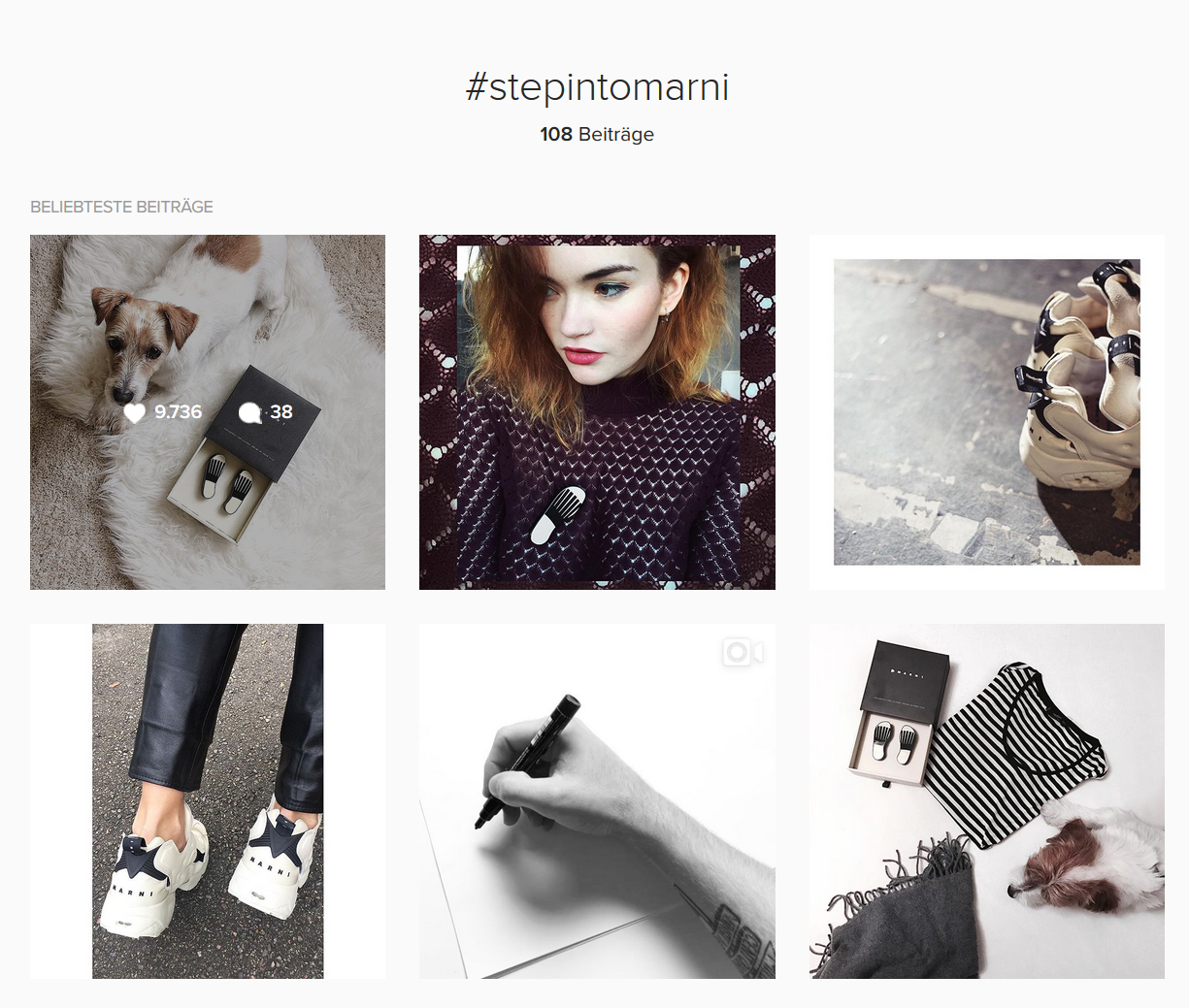
If you use hashtags skillfully, you'll attract new followers. Zalando shows how it's done with the new Marni collection.It's the content that countsThe biggest challenge is creating content. And it has to be consistent. That means posting not just every two weeks, but every day. Brands like Nike and Victoria’s Secret lead the way. Stylized product photos are popular—not the kind that are cropped or used as stock images. Photos featuring people, quotes, and graphics, as well as artistic and nature shots, are always well-received. However, these posts must also offer added value to followers—whether that’s entertainment, information, or interaction in the form of a contest. To drive users to the page, it’s essential to use hashtags.Building CredibilityIn addition to creating your own content, there’s another key to success: influencer marketing. The advantage here is credibility. When an influencer with a genuine following recommends a post, it’s worth its weight in gold. To make this work, however, you need to partner with someone who knows the brand and is active in that community. Good influencers also spark discussions. (meg)