
Swiss Golf’s marketing will be handled by Galledia Fachmedien going forward: The Rapperswil-Jona-based company will market the official magazine of Swiss Golf, the umbrella organization for Swiss golf. In addition to the print magazine, the mandate also includes the online portal swissgolf.ch and the Swiss Golf newsletter.
Swiss Golf Marketing: 67,009 personally addressed copies
«Swiss Golf» is published six times a year in both German and French editions. The magazine is mailed directly to members of the 98 golf clubs affiliated with Swiss Golf, as well as to golfers affiliated with the public golf organizations ASGI and Migros GolfCard. The WEMF/KS-certified circulation for 2026 is 67,009 copies, of which 54,071 are in German and 12,938 are in French.
Since January 2026, the magazine has been published with a new layout. In terms of content, it covers a wide range of topics: from the Swiss golf scene to professional and amateur golf, technique, and training, as well as health, golf trips, and destinations.
Print, Online, and Newsletters
The newsletter is sent weekly to 93,000 subscribers during the golf season. From January through August 2026, swissgolf.ch recorded approximately 569,000 visits and 2.1 million page views.
According to Galledia Fachmedien, the combination of print, online, and newsletters offers advertisers a wide range of opportunities to reach a golf-loving target audience. The offering is particularly appealing to companies in the golf equipment, travel and hospitality, financial services, real estate, healthcare, and premium consumer goods sectors.
Sports and Leisure Portfolio Grows
With «Swiss Golf,» Galledia Fachmedien is further expanding its portfolio in the sports, outdoor, and leisure sectors. The publication complements the association magazines «Die Alpen» from the Swiss Alpine Club (SAC) and «Das Wandern» from Swiss Hiking Trails. What these three publications have in common is that they directly reach an engaged readership through established association channels.
Sabine Troidl, a media consultant, is responsible for consulting and bookings. She is supported by Sales Manager Mathias Bettschart and Josta Heller, who works in the office at the Rapperswil-Jona location. Active market development will begin with the distribution of the 2027 media data.
]]>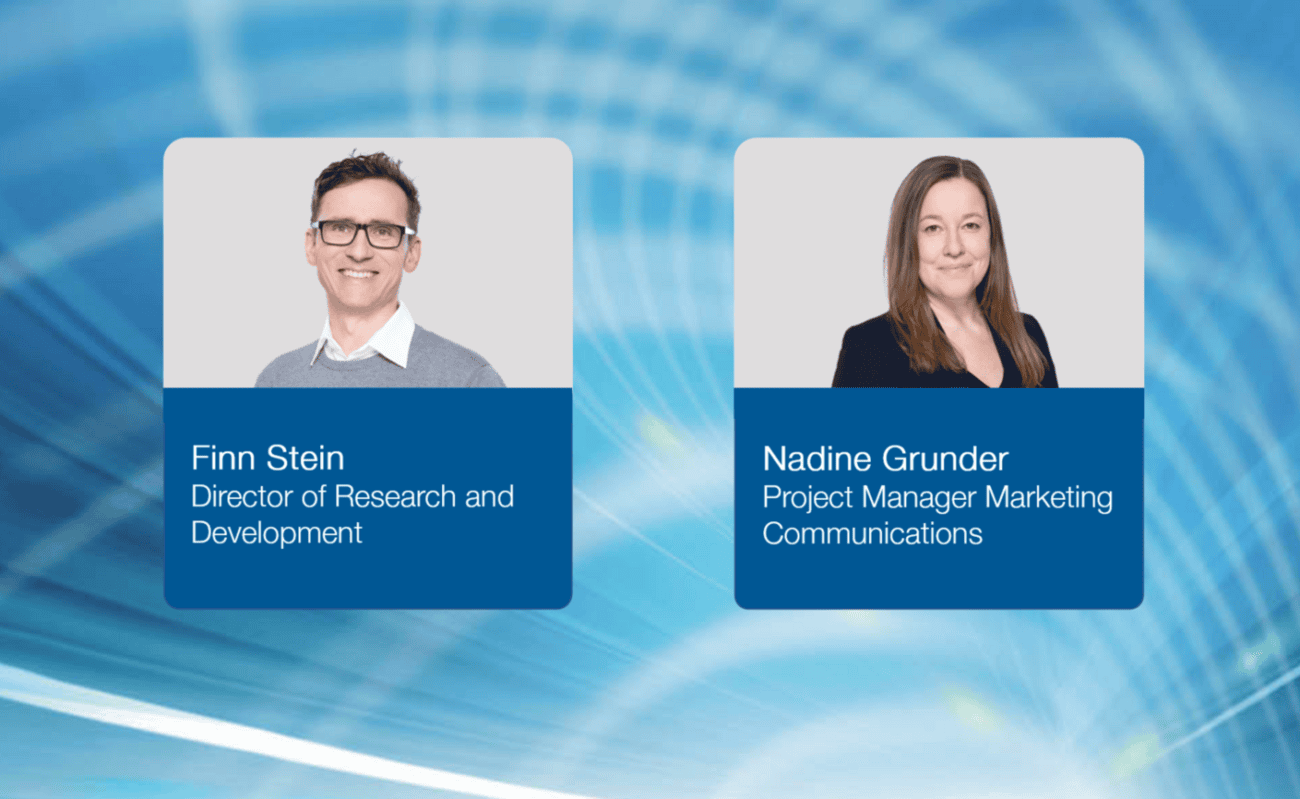
Finn Stein provides information about the new features. Source: zvg
As part of the WEMFacademy, WEMF is hosting a free webinar on the latest updates to the MACH research system. It will take place on Tuesday, November 3, 2026, from 10:00 a.m. to 10:30 a.m. According to the WEMF, the system is continuously being developed to meet the needs of the advertising and media market.
An Overview of the MACH Research System
In the webinar, Finn Stein, Director of Research and Development, will provide an overview of the latest updates. Participants will learn about the new variables and audience characteristics that are now available.
WEMF presents MACH innovations. Source: zvg
A Focus on Media Genres and Consumption Data
Next, we’ll discuss which additional media types the MACH Strategy offers for media planning. The webinar will also provide information on the new consumer data included in MACH Consumer.
The event is aimed at professionals in the advertising and media industries. WEMF notes that the invitation may be forwarded to other interested individuals. Registration for the webinar is free.
]]>
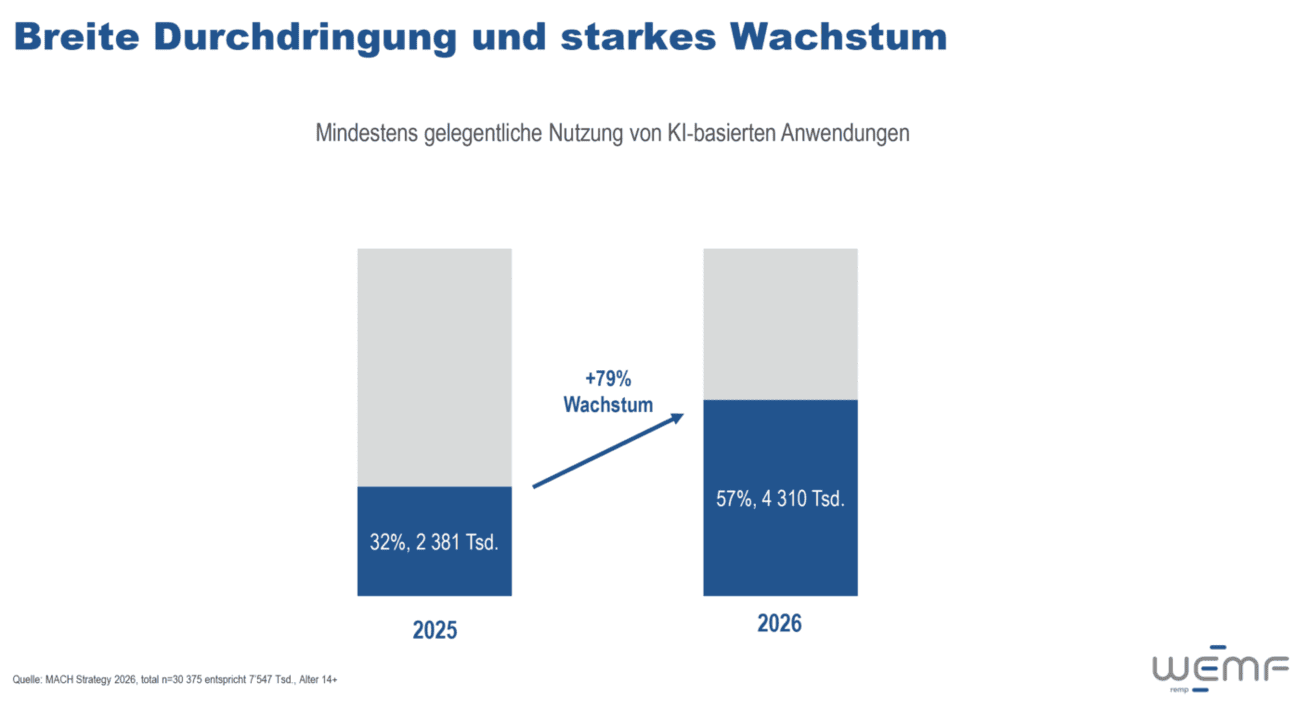
The figures from the latest MACH Strategy survey speak for themselves and mark a historic turning point for media consumption in Switzerland. While last year (2025) about 32 percent of the resident population aged 14 and older reported occasionally using AI-based applications, this figure soared to an impressive 57 percent in 2026. This corresponds to approximately 4.3 million people in absolute terms and a growth of nearly 80 percent in just twelve months. Anna Müller, Director of Product Management at WEMF, describes this finding as follows:
«The data shows a rapid adoption rate: from 32 percent last year to 57 percent today—artificial intelligence is firmly established in the daily lives of the Swiss population.»
A Jungle of Platforms and Clear Market Leaders
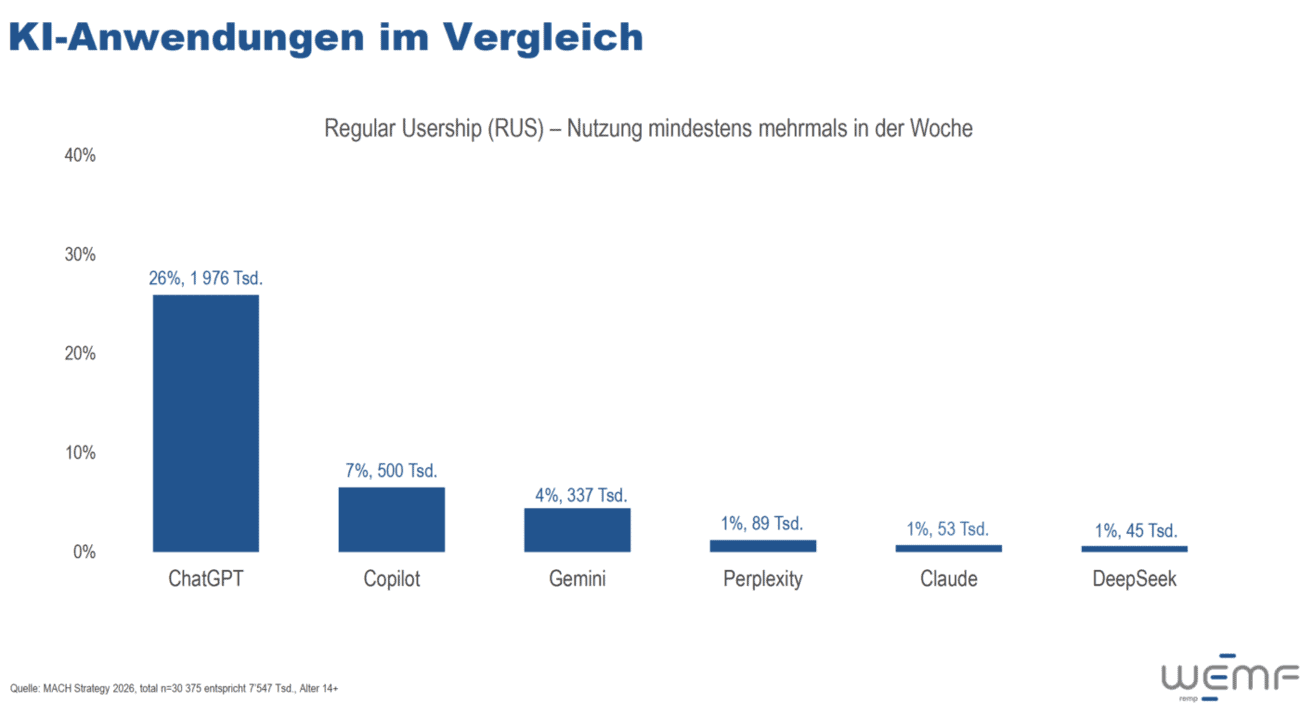
When examining the varied use of individual applications in the context of regular usage, one dominant frontrunner emerges. ChatGPT is the undisputed leader in the Swiss market, with a weekly regular user base of 26 percent, which corresponds to just under two million people. Trailing far behind are Microsoft Copilot, with 7 percent—or about half a million—regular users, and Google Gemini, with 4 percent. Other specialized applications, such as Perplexity, Claude, and DeepSeek, account for a single-digit percentage of the market and serve specific niches. A closer look reveals that the majority of ChatGPT users rely on the free version, while the paid versions are primarily used by heavy power users and professionals.
Demographic Contrasts and Sociocultural Patterns
Upon closer examination, the nuanced picture painted by sociodemographic data reveals fascinating contrasts and clear usage patterns. Although AI permeates all age groups and segments of the population, the extent of its impact varies greatly. Younger age groups, between 14 and 19 years old, use smart assistants most frequently—at over 80 percent—while the usage curve naturally flattens out among older age groups, though it still shows strong growth across all segments. There are also subtle differences based on gender: Men use ChatGPT noticeably more often—about 26 percent—than women, who use it about 17 percent of the time. Nevertheless, it can be said that technology is no longer exclusively a phenomenon of men or young people, but has achieved broad social relevance across the general population.
From an Information Channel to the New Reality of the Advertising Arena
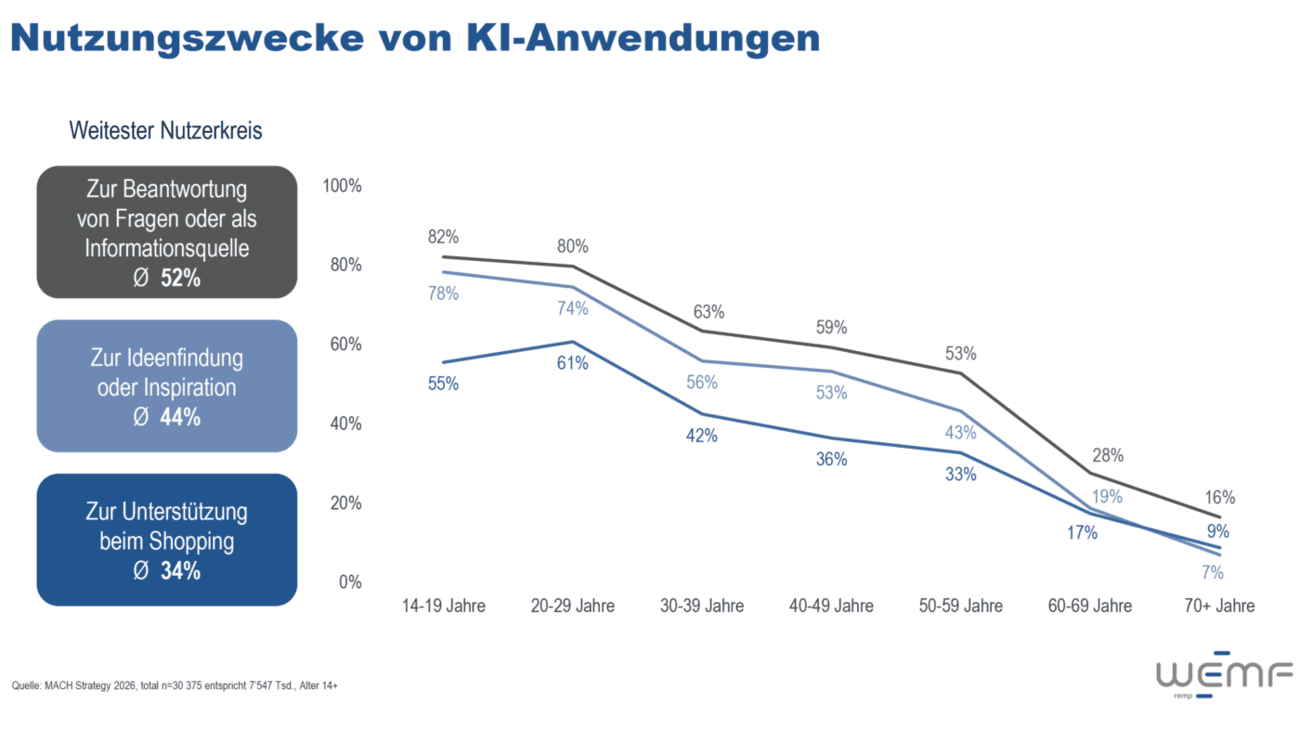
The shift in usage occasions is particularly significant for strategic media planning. The MACH data underscores that AI applications are primarily used to answer questions and as a source of information, with a 52 percent approval rating. Close behind are brainstorming and inspiration at 44 percent, as well as practical assistance with shopping at 34 percent. Topics such as consumer electronics, travel, and continuing education are taking on a completely new form of organic search thanks to AI.
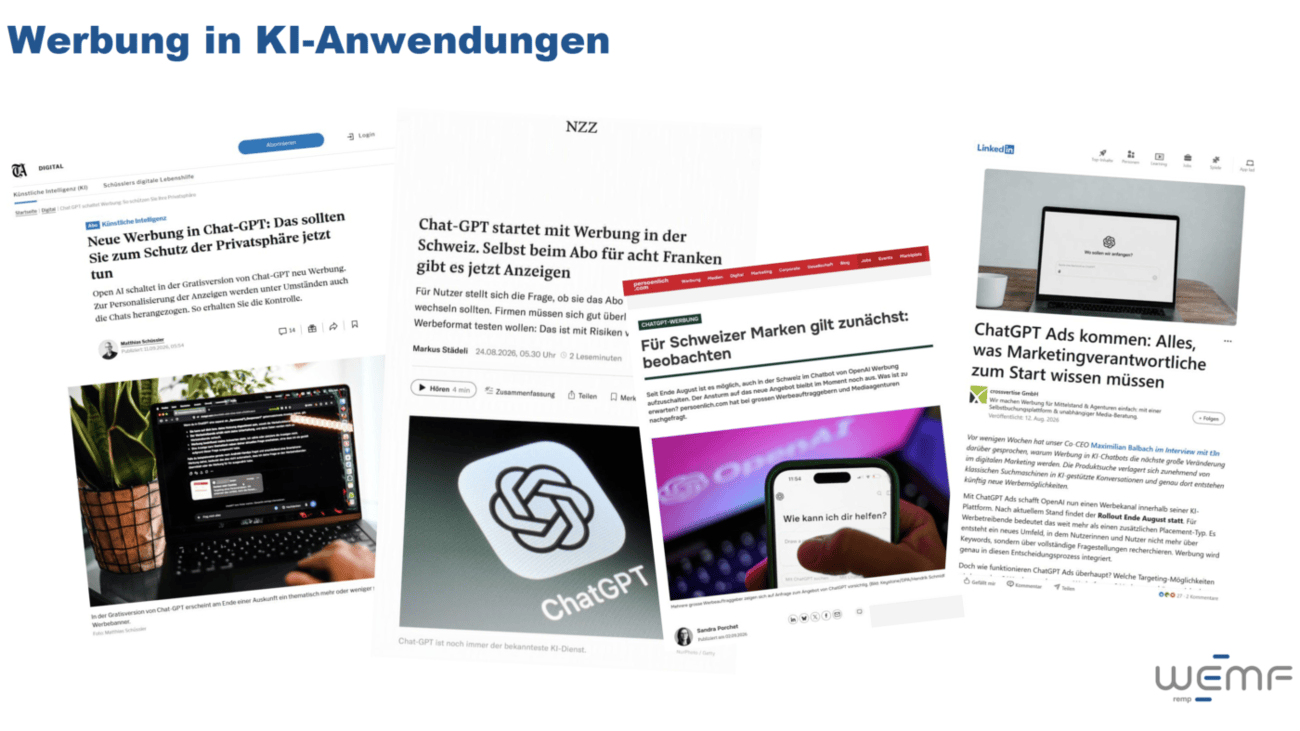
As OpenAI and other providers increasingly display and contextually integrate ads in their free versions, AI is evolving from a mere software application into a full-fledged advertising channel. Anna Müller highlights this paradigm shift:
«Artificial intelligence is no longer a niche topic; rather, it is rapidly evolving into a standalone advertising channel among many others.»
For marketing professionals, this means that future campaigns will no longer be driven solely by traditional keywords, but must be integrated into dialogue-based decision-making processes. This year's MACH Strategy Study thus provides the Swiss communications industry with the essential foundation for guiding this transformation in a data-driven manner and optimizing the media mix.
m&k Data Service: An Overview of the Key MACH Strategy Metrics
-
Total penetration: In 2026, 57 percent of the Swiss resident population aged 14 and older (about 4.3 million people) will use AI applications at least occasionally, representing a massive 79 percent increase compared to the previous year (32 percent / 2.38 million).
-
Platform Ranking (Regular Users): ChatGPT dominates the Swiss market with 26 percent (1.97 million users), followed by Microsoft Copilot with 7 percent (500,000 users) and Google Gemini with 4 percent (337,000 users). Perplexity, Claude, and DeepSeek each account for about 1 percent..
-
Age gap: The highest level of usage is seen among 14- to 19-year-olds, with a penetration rate of over 80 percent. Although older age groups have lower initial adoption rates, they are experiencing strong, steady growth across all age groups..
-
Gender-Specific Use: ChatGPT reveals significant differences between the sexes; about 26 percent of men use it regularly, compared with about 17 percent of women.
-
Paid vs. Free Version: About 16 percent of ChatGPT users in Switzerland use only the paid version, while 83 percent use the free version (which will include ads in the future).
-
Occasions for use: The use of AI focuses primarily on answering questions and gathering information (52 percent), followed by generating ideas and finding inspiration (44 percent) and providing practical assistance with online shopping (34 percent).
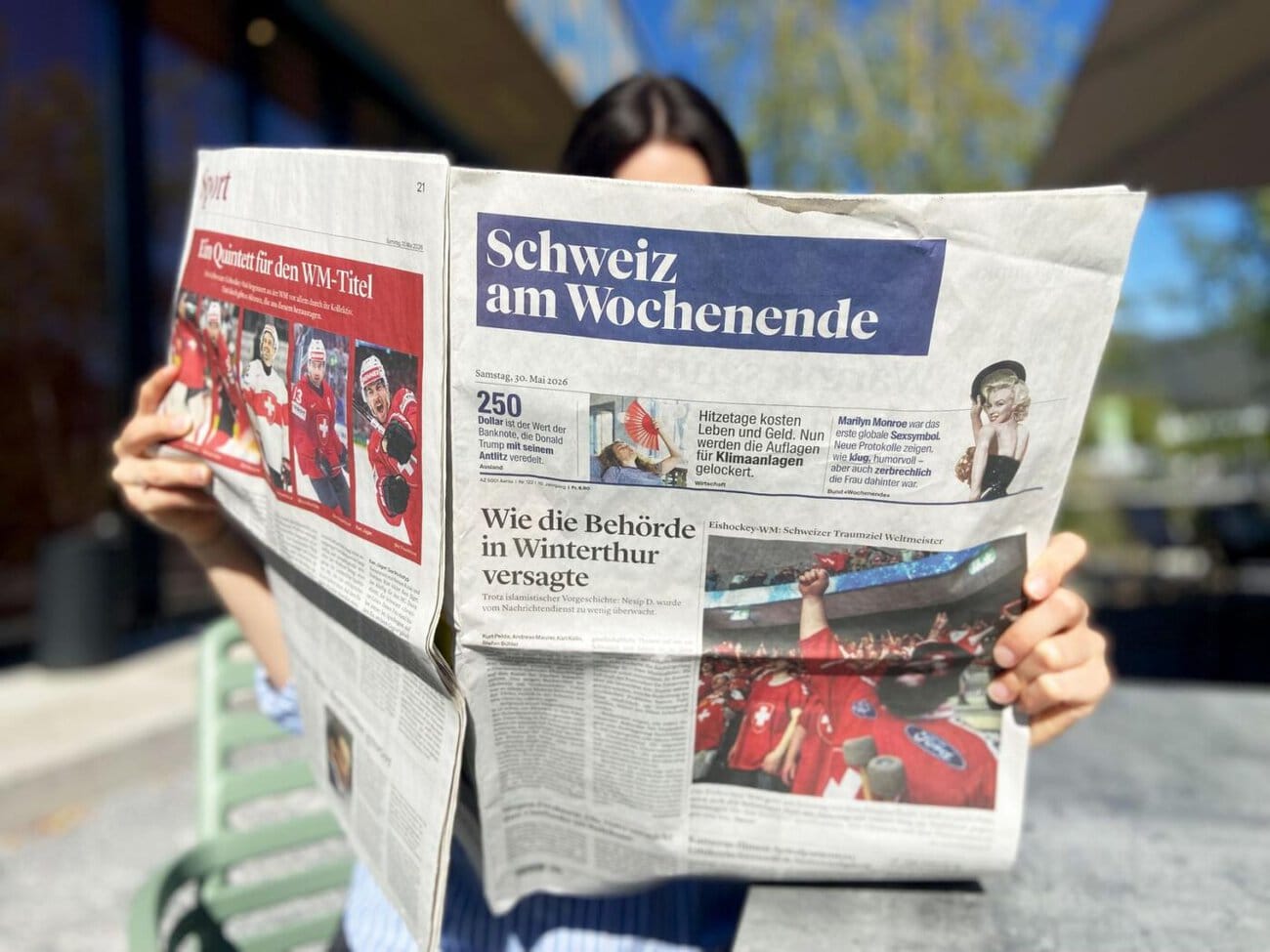
Switzerland Remains Clearly in the Lead This Weekend
With just under one million readers, «Schweiz am Wochenende» remains Switzerland’s largest newspaper. CH Media’s regional networks are once again among the top-ranked daily newspapers in terms of readership.
«Schweiz am Wochenende» reaches 977,000 readers nationwide with each issue. In German-speaking Switzerland, its net reach accounts for 18 percent of the population. This means that the Saturday publication from CH Media and its partners remains by far the most widely read newspaper.
Regional networks once again rank among the top seven
Among daily newspapers, the «Nordwestschweiz» newspaper group ranks second with a readership of 295,000. The groups behind the ’Luzerner Zeitung« (235,000 readers; fifth place) in Central Switzerland and the »St. Galler Tagblatt’ (209,000 readers; seventh place) in Eastern Switzerland are once again among the seven most-read daily newspaper brands.
Data Source for Reach Figures
These reach figures are taken from the latest edition of the Swiss readership study MACH Basic, conducted by the AG für Werbemedienforschung (Wemf). Since 2026, «Der Rheintaler» and the «Rheintalische Volkszeitung» have no longer been part of the «St. Galler Tagblatt» or «Schweiz am Wochenende,» respectively, and are therefore no longer included in the reach figures.
Additional information about the study is available on the CH Media website: https://www.chmedia.ch
]]>
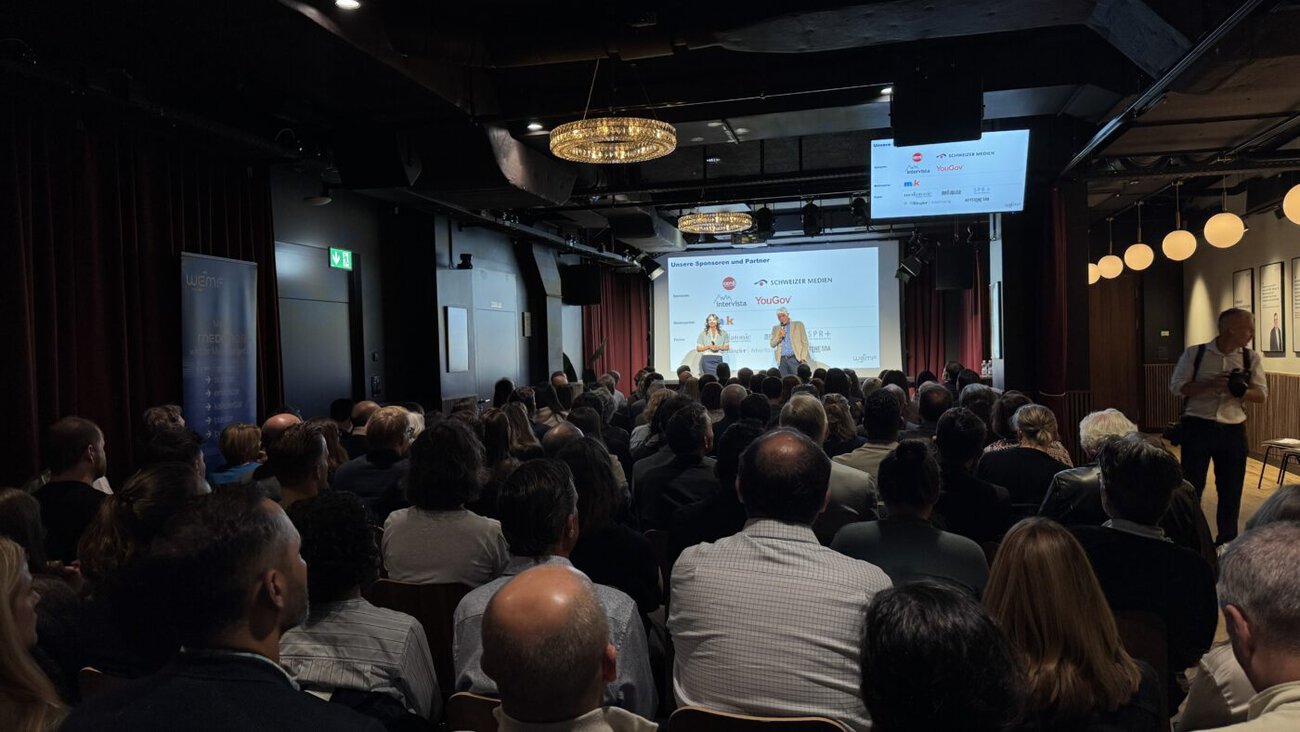
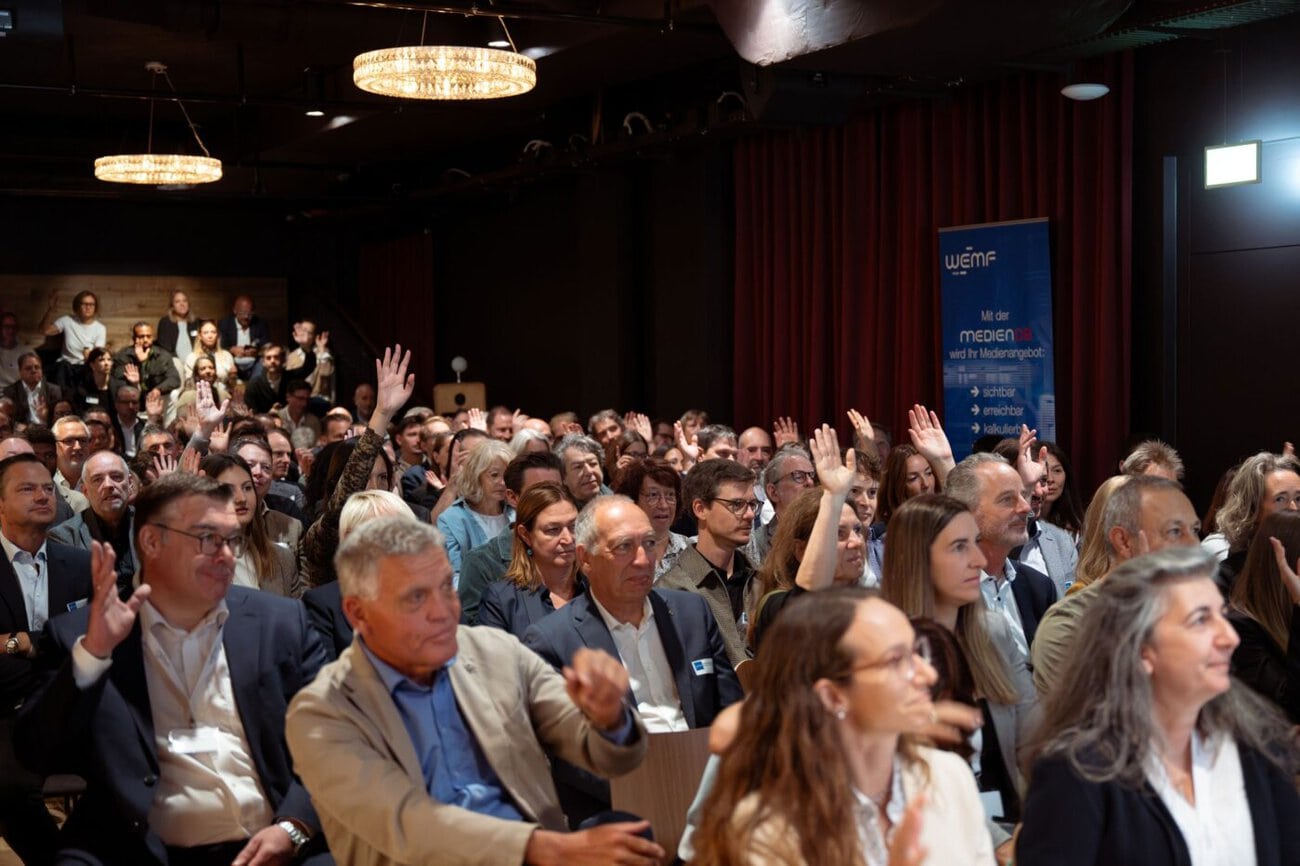
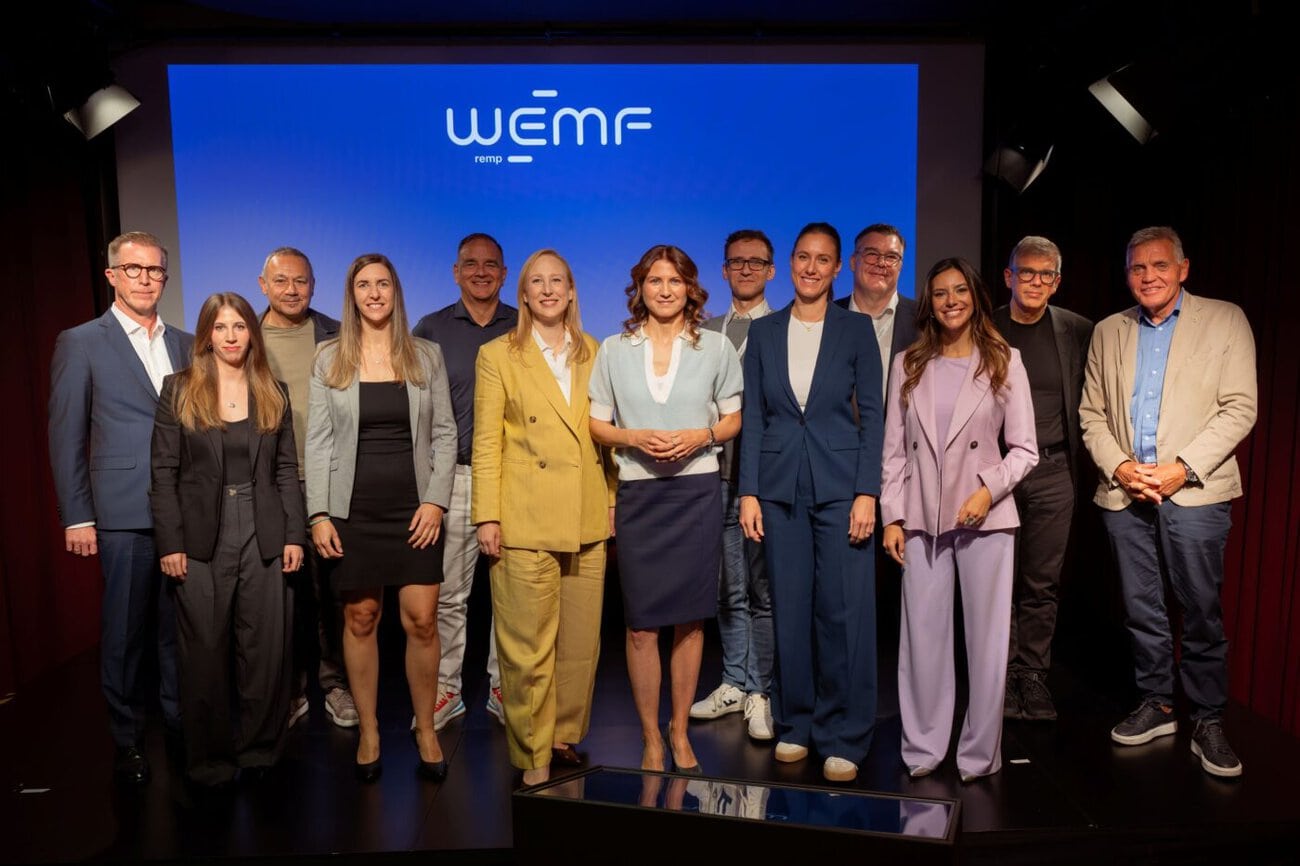
This year's Media Research Day, hosted by WEMF AG in Zurich's trendy Zürich West neighborhood, was marked by a fundamental shift. Under the theme «Real Data. Real Trust. Real Emotions,» journalists, publishers, researchers, and advertising professionals gathered at Westhive.
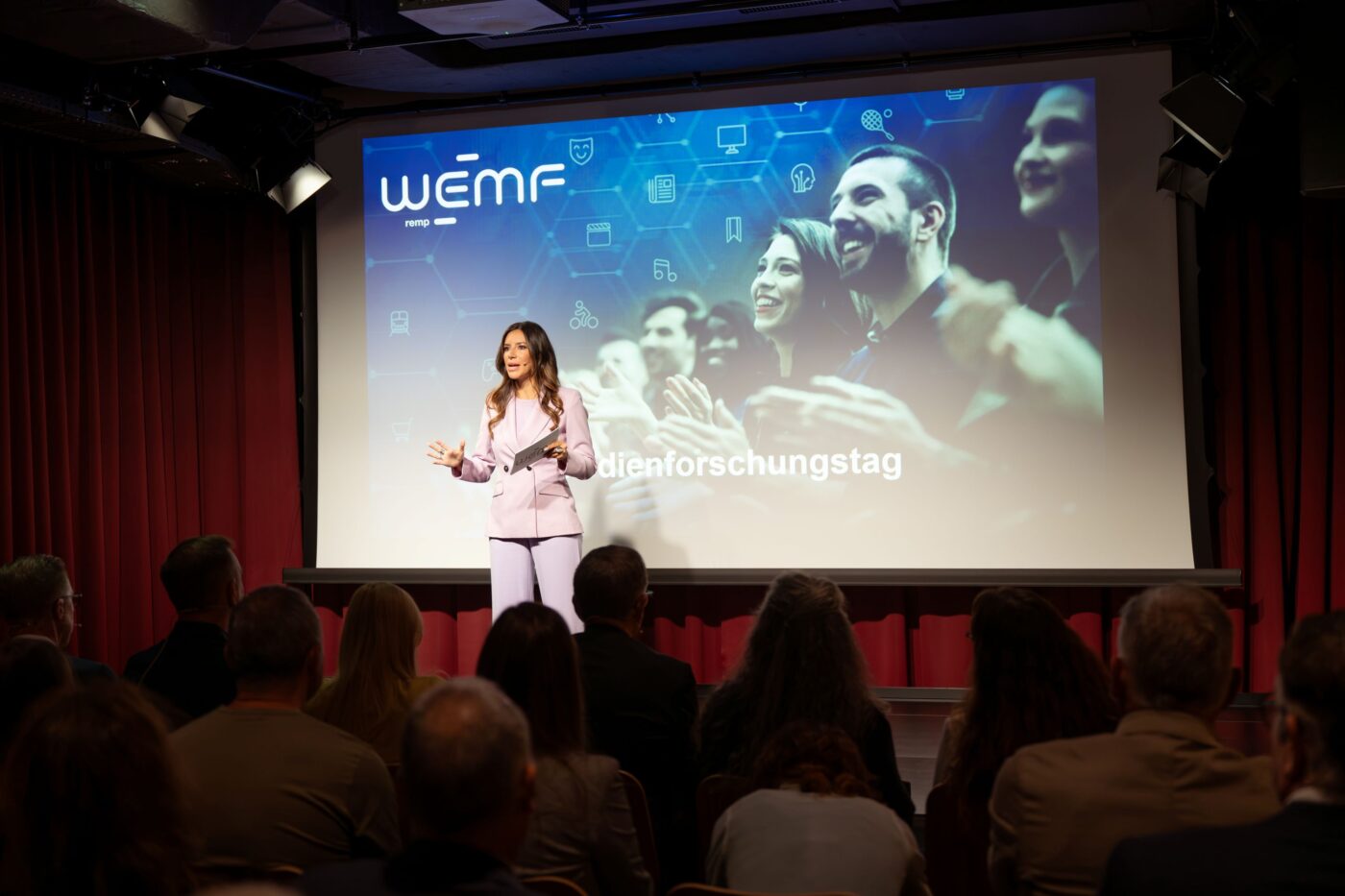
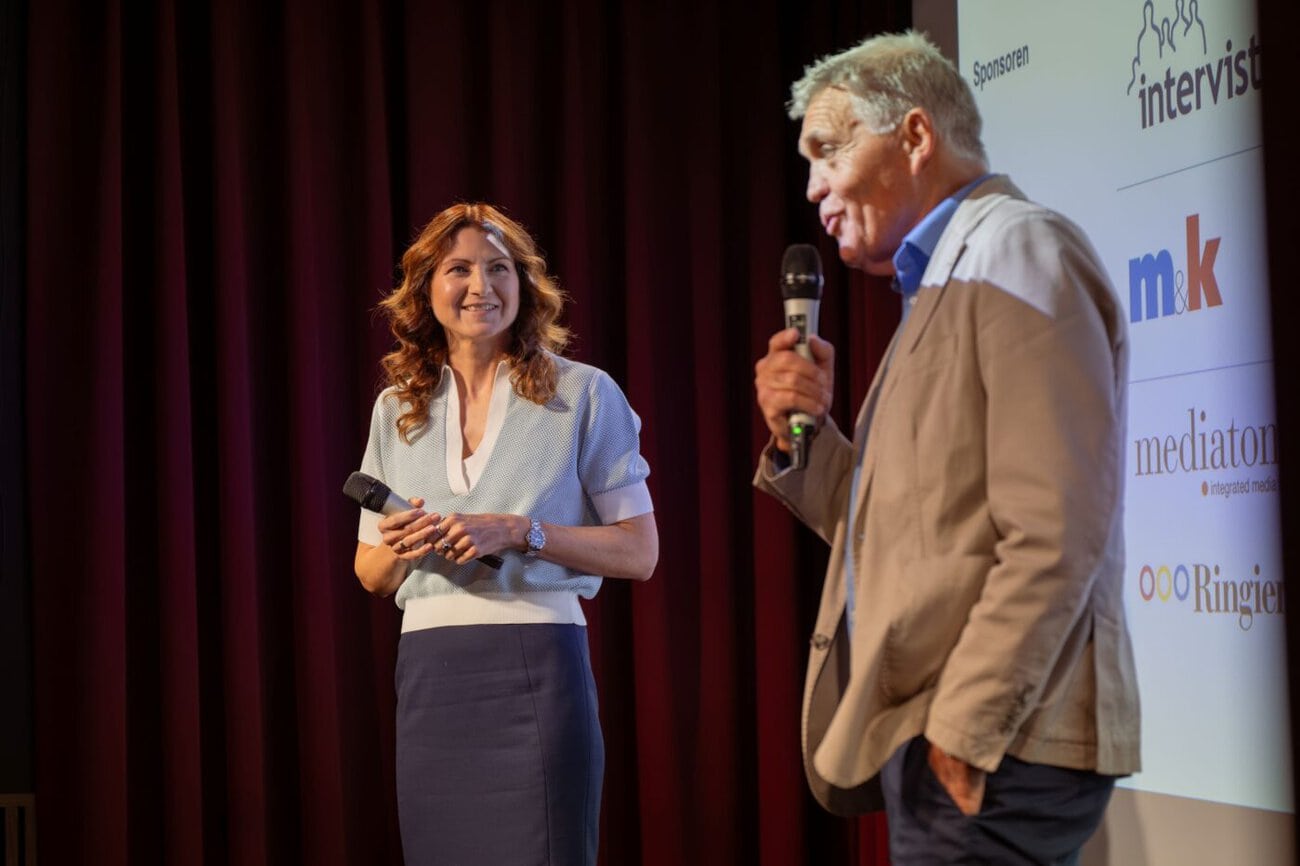
Vanessa Meier from TeleZüri hosted the morning's program with charm and energy. Jella Hoffmann (CEO of WEMF) and Marcel Kohler (Chairman of the WEMF Board of Directors) kicked off the event by welcoming the audience.
Keynote: Attention Is Good, Trust Is Better
Dr. Matthias Zehnder, author and media scholar, delivered an analytical presentation on the “economy of attention” versus the “economy of trust.” He shed light on the fundamental dilemma of the digital age: While text on the Internet can now be produced at virtually no cost and in seemingly endless quantities thanks to artificial intelligence, the costs of reliable, journalistic content are rising dramatically. At the same time, however, users are becoming less willing to pay, and reach is inexorably shifting toward untested search engine algorithms.
Zehnder backed up this trend with striking statistics on AI usage: About 70 percent of people in the U.S. now use search engines that function entirely without clicks or links to the original sources. Globally, AI responses do generate a trust level of about 39 percent, but they suffer from massive quality issues. A staggering 31 to 70 percent of the responses from systems like ChatGPT contain significant issues with sources or content, and yet the traditional click-through rate to the original authors is plummeting.
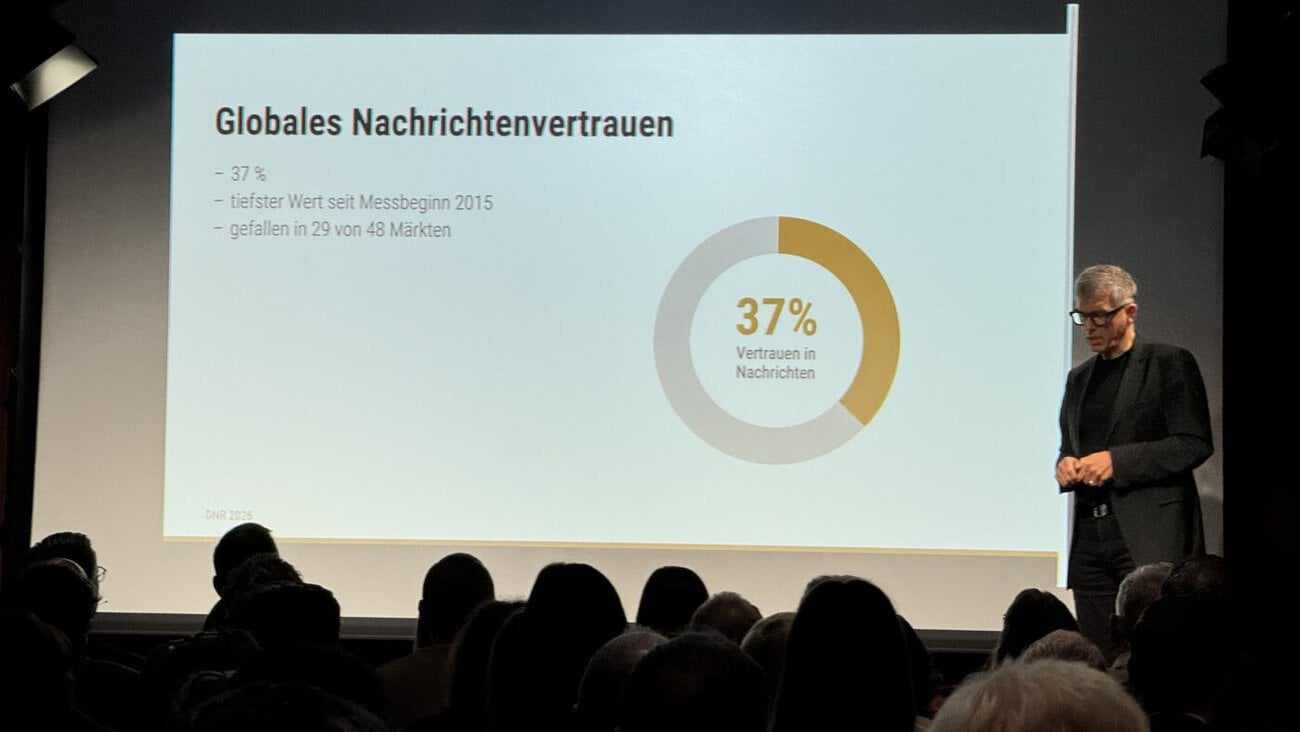
What's particularly troubling is that the audience can barely tell the difference between a text that has been painstakingly researched and written and a response generated by AI. On average, the detection rate is at the level of pure chance—around 50 percent.. However, if three-quarters of the audience blindly trusts an AI-generated false story, media companies face an existential threat. Media outlets can therefore only hold their own in a highly competitive market by establishing themselves as an unshakable «currency of trust,» whose signals—unlike arbitrary algorithms—are costly, verifiable, and absolutely reliable.
WEMF as a Source of Trust
Dr. Marc Sele, Deputy CEO and Executive Director of Data and Tools at WEMF, discussed WEMF’s role as a neutral and industry-independent trust service provider in the Swiss market. He explained how WEMF ensures absolute market transparency through rigorous methods and audits.. He also presented the new Responsible AI Audit, the certification for the responsible use of AI in media companies. The program focuses on seven key aspects and assessment criteria, which are continuously verified by WEMF. Foremost among these is absolute transparency achieved through the disclosure of production and distribution processes for journalistic content within media companies, in order to verify the responsible use of AI. This is accompanied by a clear division of responsibility that ensures the assignment of defined responsibilities within editorial departments for automated content.
«Building trust is embedded in the DNA and structure of WEMF through its governing body, its committees, as well as the procedures we follow and the continuity we ensure.»
- Dr. Marc Sele
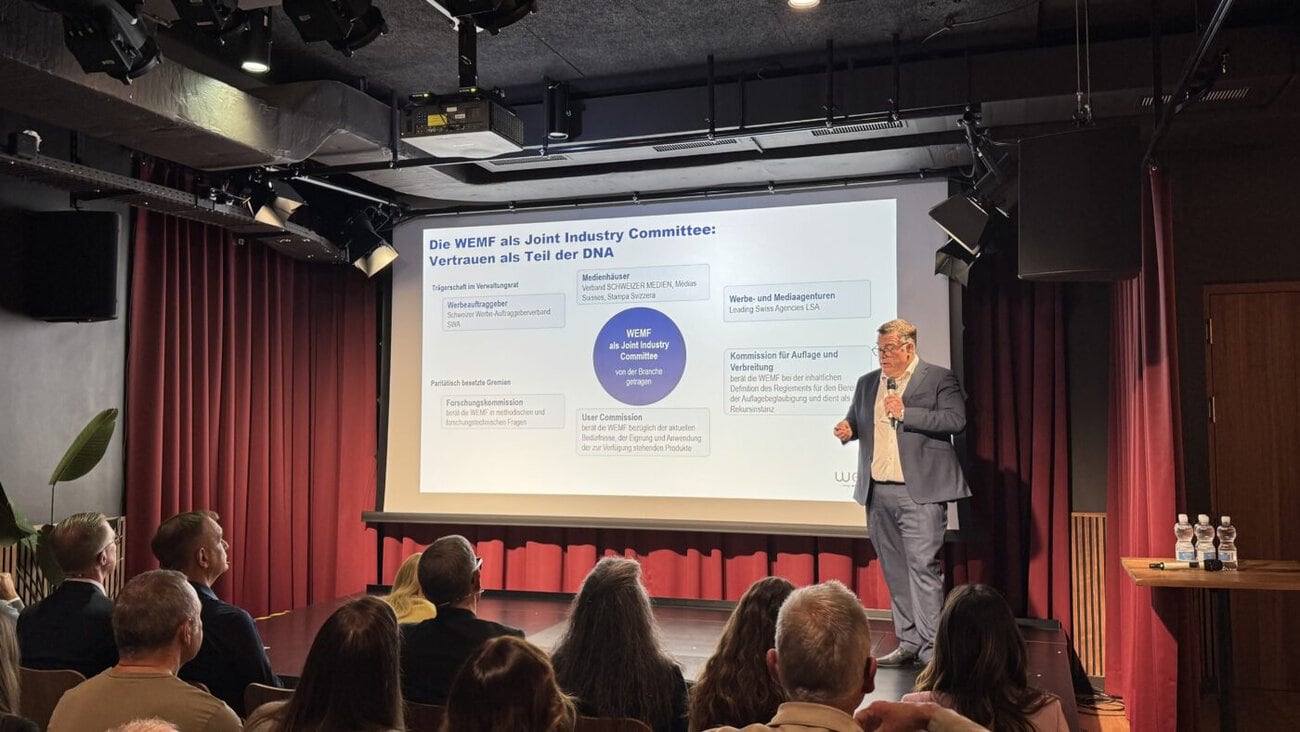
The seven key areas examined in the Responsible AI audit include copyright and usage rights, training, best practices, and risk management processes.
Credibility and AI Governance in Swiss Media
Pia Guggenbühl, director of the Swiss Media Publishers Association (SCHWEIZER MEDIEN), discussed the media policy and business challenges associated with artificial intelligence and presented the new Swiss AI Code of Conduct.
Guggenbühl emphasized that the Publishers« Association and the WEMF are working closely together to establish clear guidelines for the responsible use of AI in publishing houses through tools such as the newly announced »Responsible AI Audit.” The primary focus is on protecting copyrights, ensuring the protection of employees, and providing comprehensive proof of editorial transparency to the public.
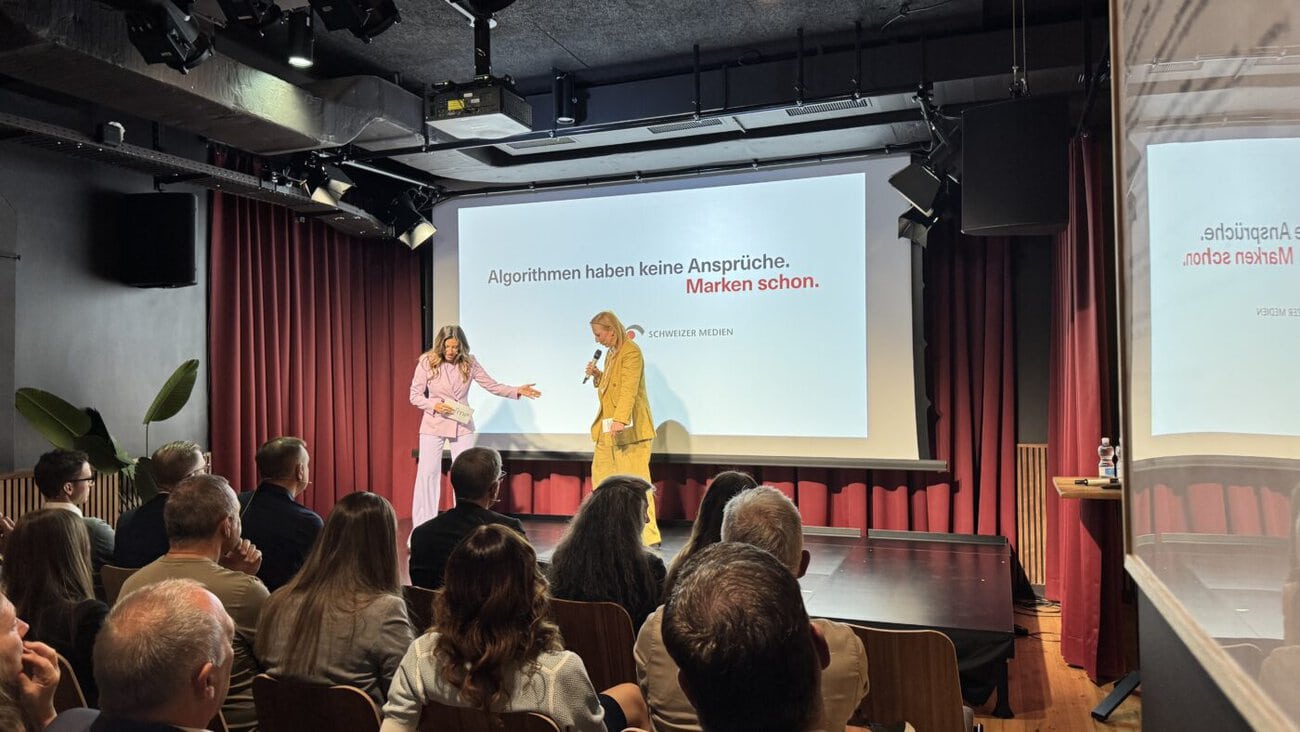
During the presentation, it was particularly emphasized in this context that, unlike global tech platforms, the Swiss media landscape does not rely on blind acceleration, but rather on Commitment and Swiss Quality Standards. While tech giants often release generative models onto the market without regulation, the association is establishing a reliable governance framework that prevents automated content from becoming a black box. The new AI code serves as a reliable compass for publishers, helping them seamlessly combine editorial independence with technological innovation.
Mediapulse and the Future of Video and Radio Research
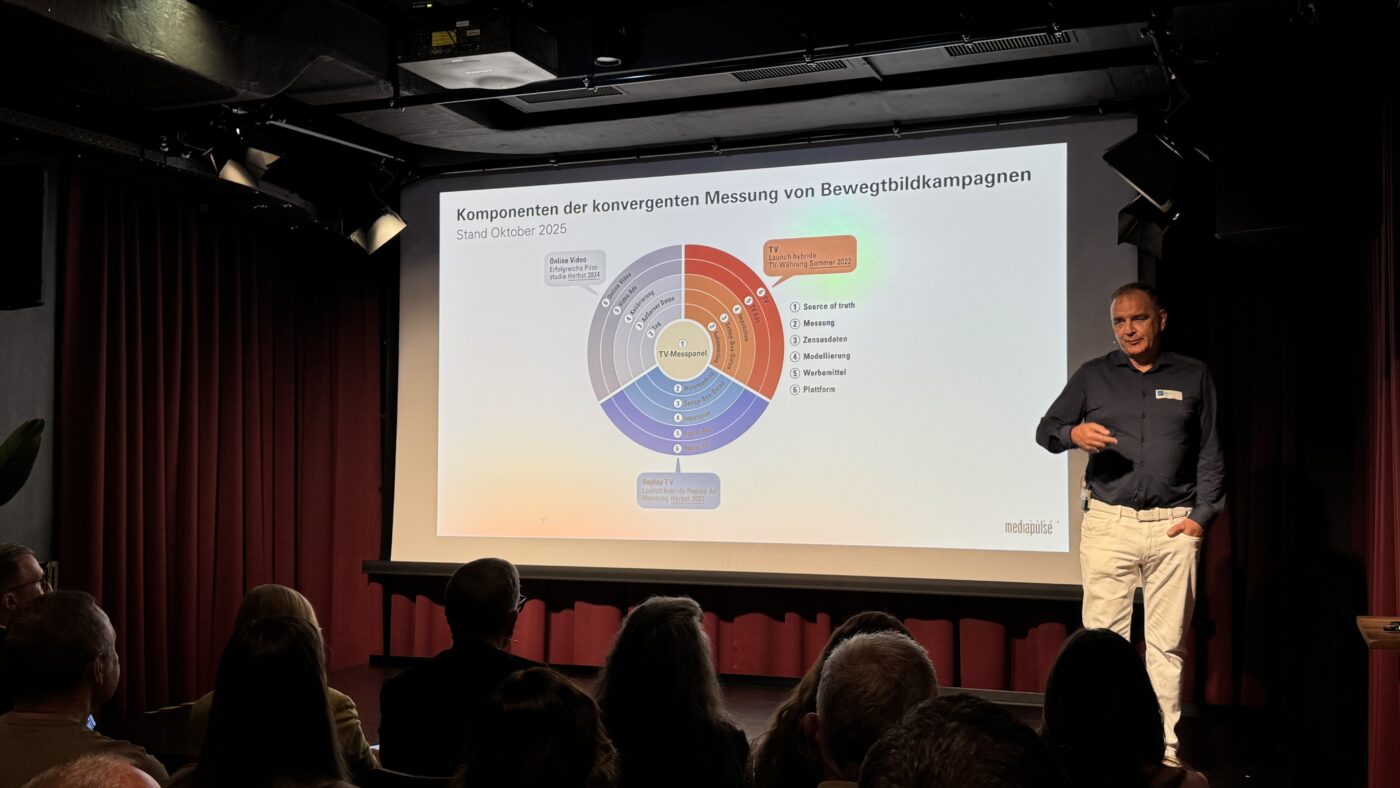
Immediately following the remarks on media policy, Dr. Mirko Marr, Head of Research at Mediapulse AG, took the floor to shed light on current developments in radio and television research. In doing so, he provided deep insights into production and highlighted how significantly measurement methods are changing in the wake of the digital transformation.
Marr structured his assessment around three key areas: the successful convergence in video research, the pressing challenges in the radio market, and the pragmatic use of artificial intelligence in data refinement.
Video Research: From Traditional Set-Top Boxes to CTV and Online Video
In July, Mediapulse began expanding its video ad campaign measurement in collaboration with its research partner 55 Blue, following the establishment of hybrid TV research using set-top box data the previous year. The goal of making video campaigns measurable not only on linear television but also across platforms, including Connected TV (CTV) and online video, is thus taking shape. While replay ads are already successfully established in the TV market, Goldbach became the first major market partner in February to take the lead in analyzing online video inventory using the new joint measurement method.
Radio Research Under Pressure: New Approaches Amid Shrinking Budgets
Given the reduced daily budget for radio research, Mediapulse had to acknowledge that the previous passive measurement method, based on a rotating panel, had reached its financial limits. This trend is being exacerbated by upcoming amendments to the Radio and Television Act, which is why efforts are underway to identify new, more efficient ways to ensure the long-term effectiveness of the measurement system. To ensure up-to-date and meaningful data despite reduced broadcast budgets, Mediapulse is conducting extensive testing of transitional methods and comparing current semester data with historical benchmarks.
Pragmatic Use of AI: From Blind Spots to Enhancement
As Marr pointed out, artificial intelligence in data processing is sometimes prone to "hallucinations" and, when faced with complex queries, often provides ten different answers to ten identical questions—answers that, due to a lack of human resources, can hardly be thoroughly verified. Nevertheless, Mediapulse is specifically relying on AI-powered tools to fill in the gaps in radio usage data—such as streaming data from web players—that previously existed. In addition, a dedicated AI companion was programmed to enable quick queries of annual data. With the help of these external service providers, traditional broadcast logs are linked to the streaming data collected by web players in order to refine the usage data and ultimately enable highly granular analyses for the radio market as well..
Out-of-home advertising is booming: Research in transition at SPR+
Felix H. Mende, CEO of Swiss Poster Research Plus AG (SPR+), provided insights into the rapid boom in outdoor advertising and the methodological advancements in SPR+ research.
Mende explained how out-of-home research is constantly adapting to reflect the changing mobility patterns of the Swiss population and to provide advertisers with precise, multi-source-based performance metrics for billboard and digital OOH campaigns..
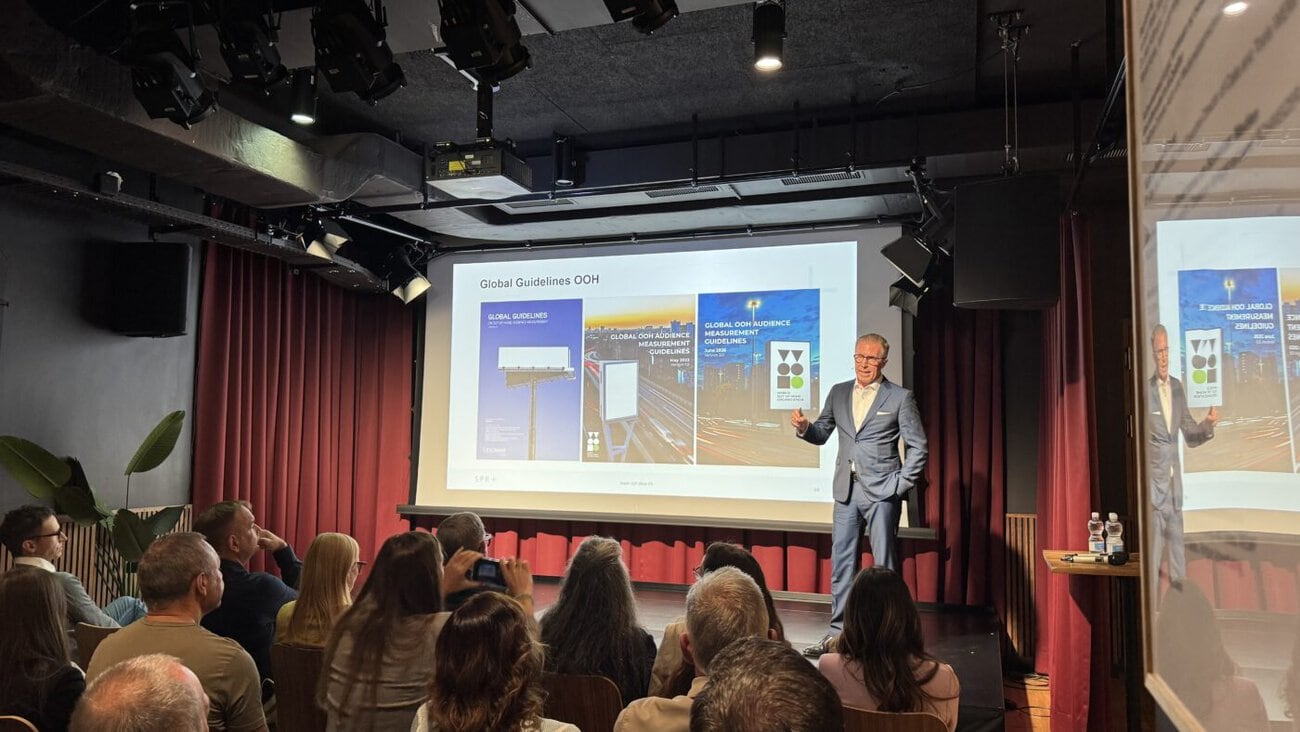
Despite shrinking budgets in traditional sample surveys, SPR+ is able to meet the market’s growing demands and make outdoor advertising transparently measurable through innovative modeling techniques and hybrid measurement approaches..
New Offerings and AI Developments at WEMF: From MACH Strategy to the Modular Future of Data
Finn Stein, Director of Research and Development at WEMF, provided in-depth insights into WEMF’s innovation pipeline during the session on the next steps in media research. The focus was on a consistent emphasis on modular architectures, open API interfaces, and automated data processing, which allows advertisers and agencies to act with even greater precision..
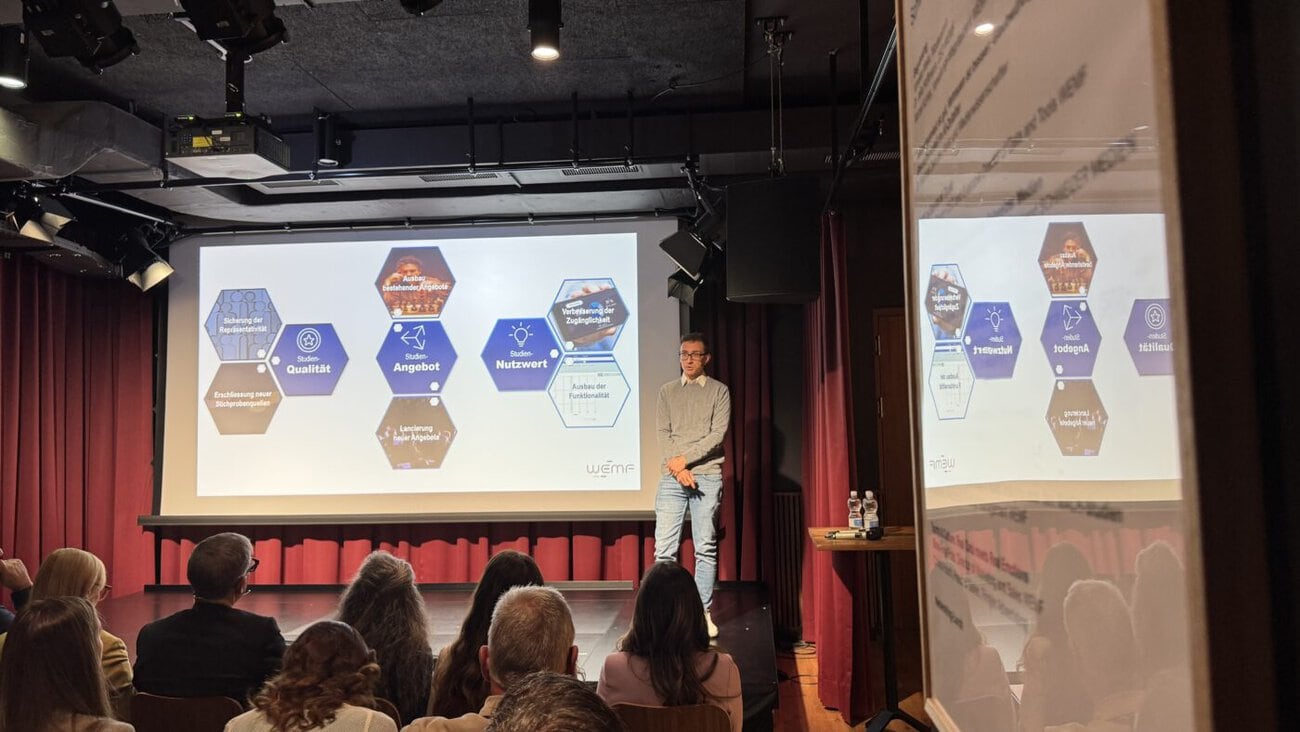
A key component of this development is the further refinement of the MACH Strategy, which enables a comprehensive comparison of media channels. Stein emphasized that WEMF is working intensively on hybrid measurement methods and forward-looking data solutions to bridge the gap between traditional audience research and the dynamic, digitally fragmented distribution channels.. With new projects such as online audience research, standardized interfaces, and highly refined study metrics, WEMF ensures that market partners do not have to play catch-up with the growing complexities of media behavior, but can instead plan ahead based on data.
«With our modular approaches and the MACH Strategy, we seamlessly integrate traditional currency research with digital channels to provide the advertising market with future-proof and comparable foundations.»
- Finn Stein
Stein made it clear that technological modernization is not an end in itself, but directly addresses the needs of the market: By more closely integrating established currency data with modern API access, agencies and publishers are provided with highly granular tools to manage media planning across all channels in a transparent and absolutely reliable manner.
Target Audience Analysis: Is AI the Answer?
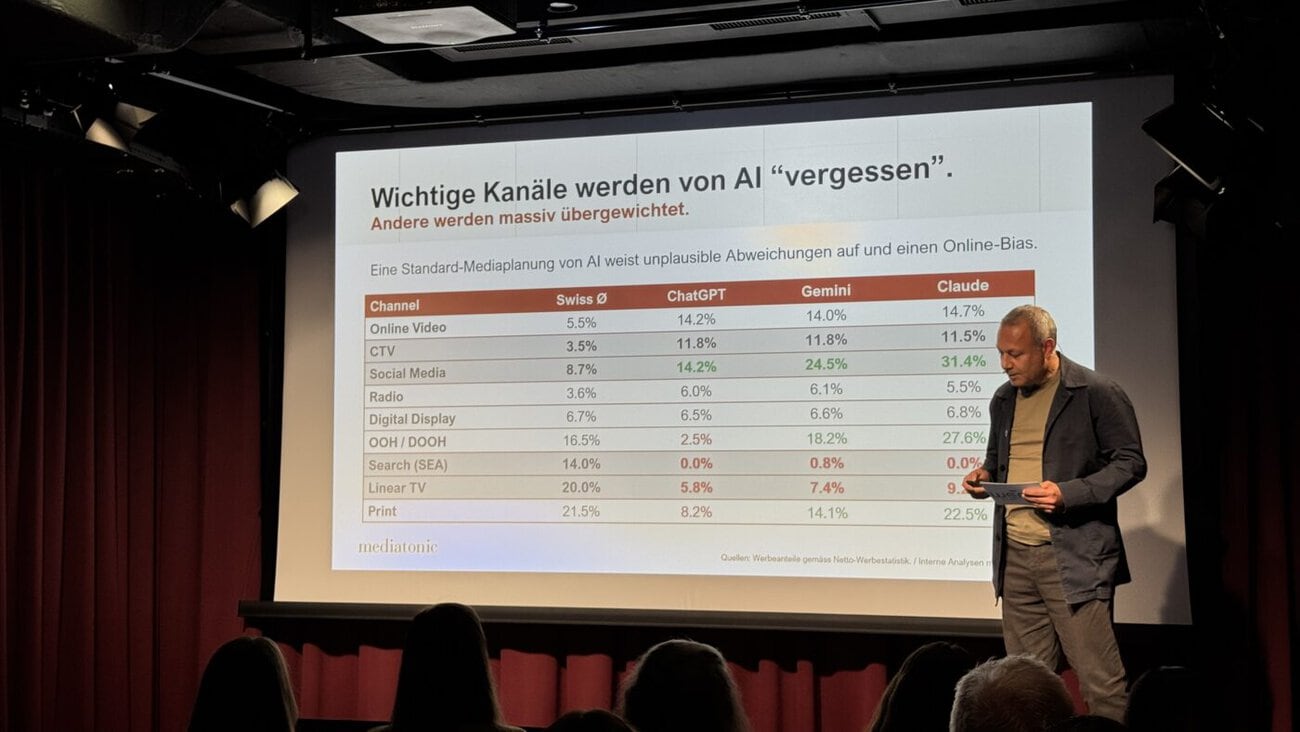
In his presentation, Marco Rose, Managing Partner at mediatonic, analyzed the practical benefits of AI-powered tools in strategic media planning and targeting specific audiences.
Rose pointed out that while AI is ideally suited for automating processes and recognizing patterns, the strategic analysis and creative interpretation of the data must still be left to human professionals in order to avoid mismanagement..
AI offers enormous potential, particularly in the area of granular target audience segmentation, provided that the underlying data has been verified and validated through rigorous audits.
How the Swiss Public Uses AI: Insights from the MACH Studies
Anna Müller, Director of Product Management at WEMF, presented detailed and fascinating insights from the expanded MACH Strategy study, which provides an in-depth look at the specific AI usage patterns of the Swiss resident population. The figures show a rapid adoption process at record speed: While in 2025, about 32 percent of the Swiss population aged 14 and older reported occasionally using AI-based applications, this figure soars to 57 percent in 2026—representing a massive increase of nearly 80 percent within a single year.
«The data shows a rapid adoption rate: from 32 percent last year to 57 percent today—artificial intelligence is firmly established in the daily lives of the Swiss population.»
- Anna Müller
Fascinating contrasts and clear usage patterns become apparent, particularly when the data is broken down by age and gender. When it comes to gender-specific usage, it appears that ChatGPT is used noticeably more frequently by men (about 26 percent) than by women (about 17 percent), while other AI tools show a much more balanced distribution by comparison. The differences in age distribution are even more pronounced: Younger target groups between the ages of 14 and 19 have the highest usage rates by far, at over 80 percent. Although the usage curve naturally declines among older cohorts, it shows strong, steady growth across all age groups.
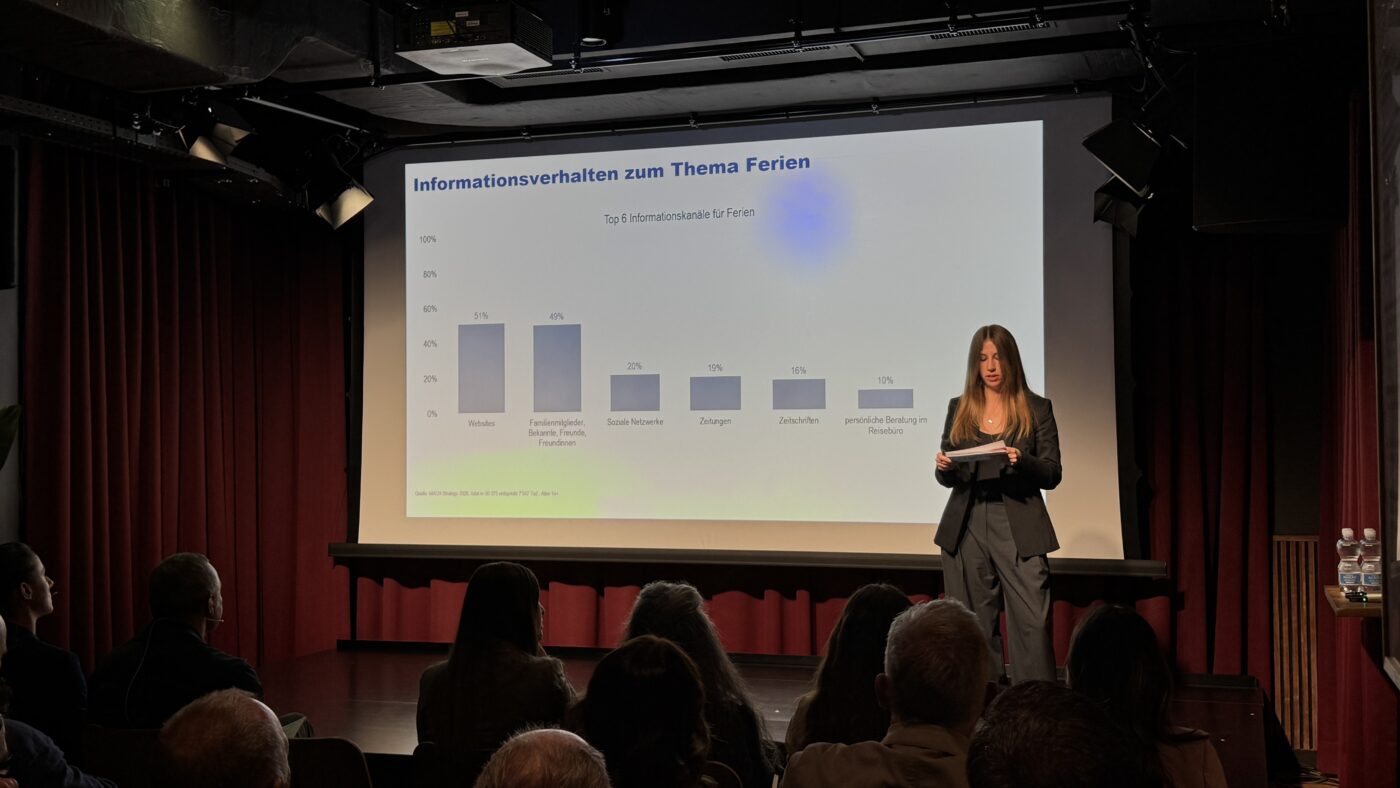
In a comparison of platforms, ChatGPT dominates the Swiss market as the undisputed leader with about 26 percent, while Microsoft Copilot, with 7 percent, and Google Gemini, with 4 percent, trail far behind. These data-driven insights clearly demonstrate that AI is no longer a niche topic, but has become deeply embedded in information and consumer behavior throughout Switzerland.
Sports & Culture: Real Data Meets Real Emotions
Marie-Ange Pittet, Director of Marketing and Sales at WEMF, presented the new, groundbreaking data product «Sports & Culture», which combines hard market data with the deep emotions of sports and cultural events.
«Few things can evoke as many emotions as sports and culture. With this new data product, we're bridging the gap between real data and real emotions.»
- Marie-Ange Pittet
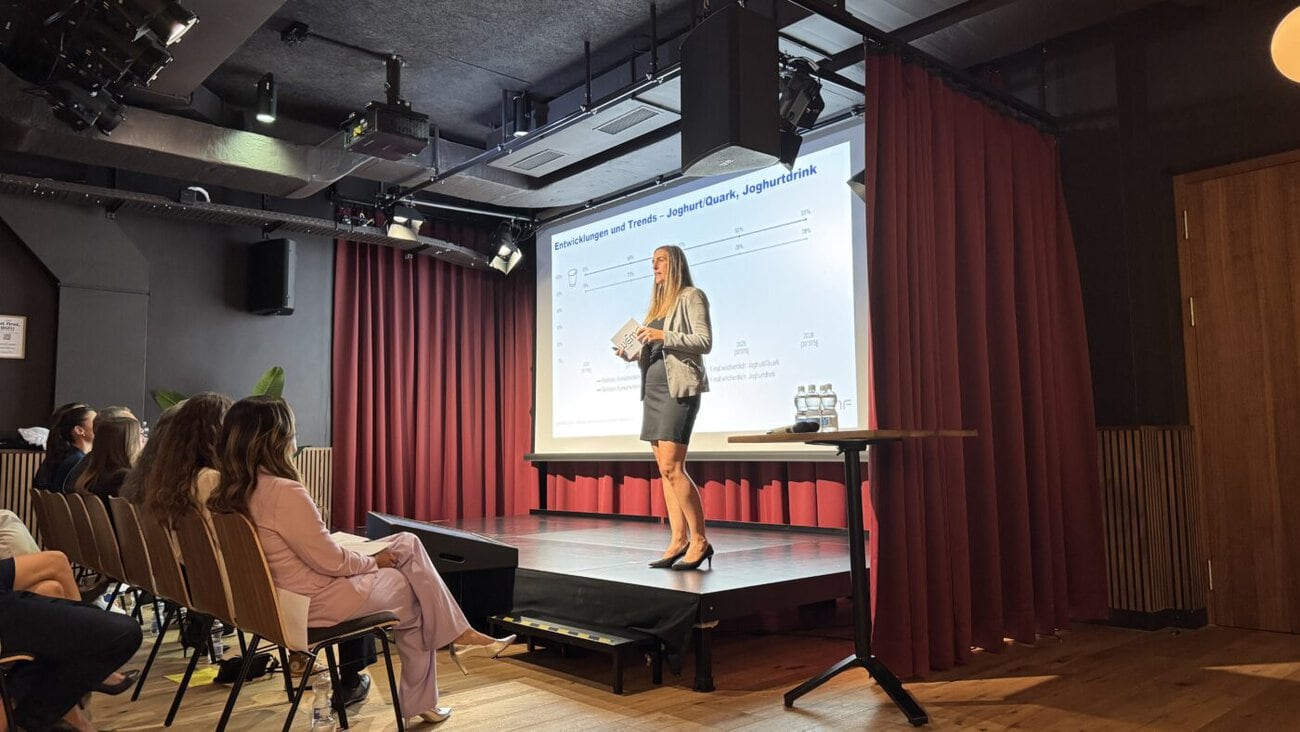
During the presentation, it was particularly emphasized that the volume in the Swiss sponsorship market alone amounts to approximately 1.3 billion Swiss francs —a sum that, until now, has often been invested based purely on «gut feeling.» In contrast, the new tool provides a solid, unbiased data foundation that replaces this gut feeling with hard facts and shows precise target audience reach across all media channels. This allows advertising materials and sponsorship initiatives to be measurably aligned with success and the actual fan base.
Outlook from Ringier Advertising
Chiara Rusch, Head of Sales at Ringier Advertising, discussed the marketing prospects and the importance of trustworthy media environments for brands that advertise.
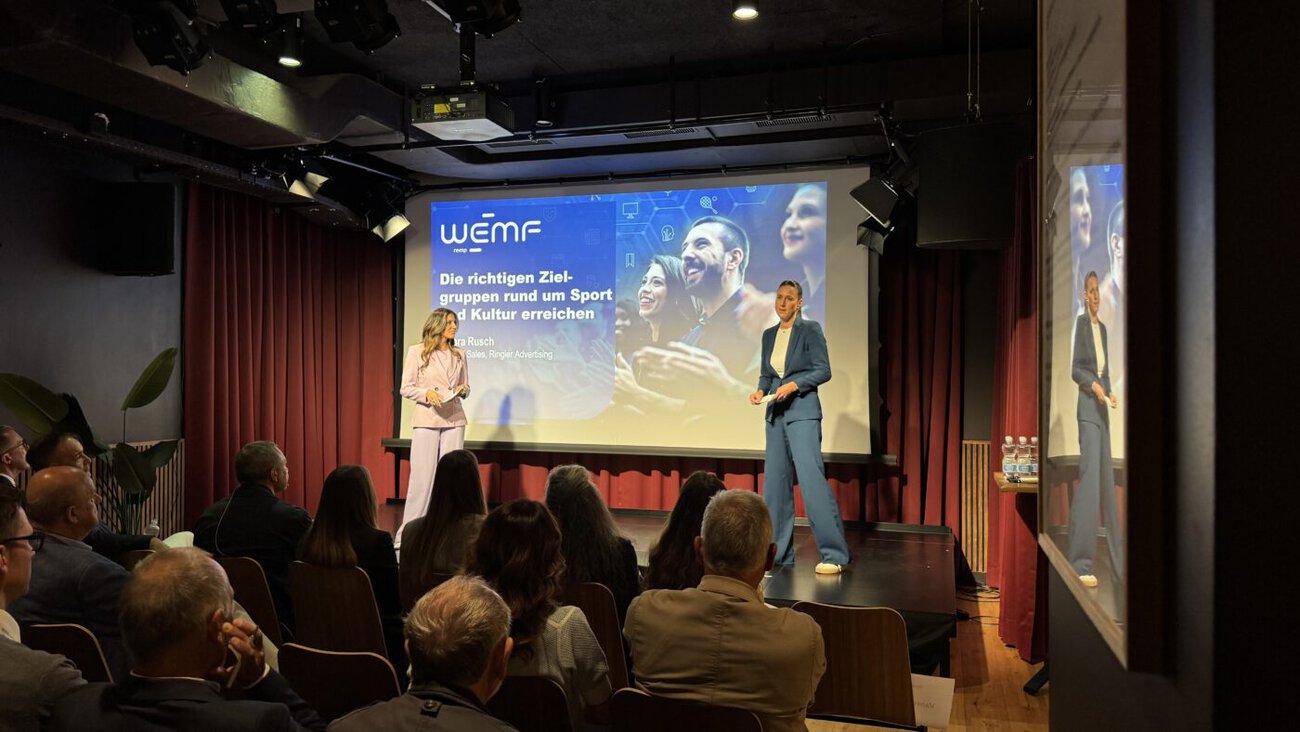
Rusch emphasized that high-quality editorial content, combined with WEMF’s validated data, provides the best foundation for minimizing wasted reach and achieving maximum advertising impact in the digital age. It was highlighted that advertisers are increasingly turning to certified environments to avoid brand risks and benefit from the high credibility of established media companies.
«In today's environment, it is crucial for advertisers to rely on certified and absolutely reliable media in order to minimize brand risks and achieve targeted results.» — Chiara Rusch
Conclusion
With a clear commitment to quality, uncompromising transparency, and continuous innovation, the 2026 Media Research Day came to a close, once again confirming WEMF as an indispensable guide and reliable anchor for the Swiss media and communications industry..
But one thing also became clear during that summery autumn morning: Trust alone won't save the media industry.
After all, as long as media companies primarily react rather than act, they run the risk of falling behind in the face of radically changed media consumption habits. In the face of fierce digital competition, what’s needed—in addition to reliable metrics—are, above all, new, innovative formats that are closely attuned to people’s interests and combine journalistic integrity with genuine technological and narrative progress.. As the officials emphasized in their concluding remarks, while WEMF—with its data, audits, and clear stance on the industry—provides the necessary foundation, media companies must ultimately take the decisive step toward new formats and genuine innovation themselves—and do so with the utmost determination.

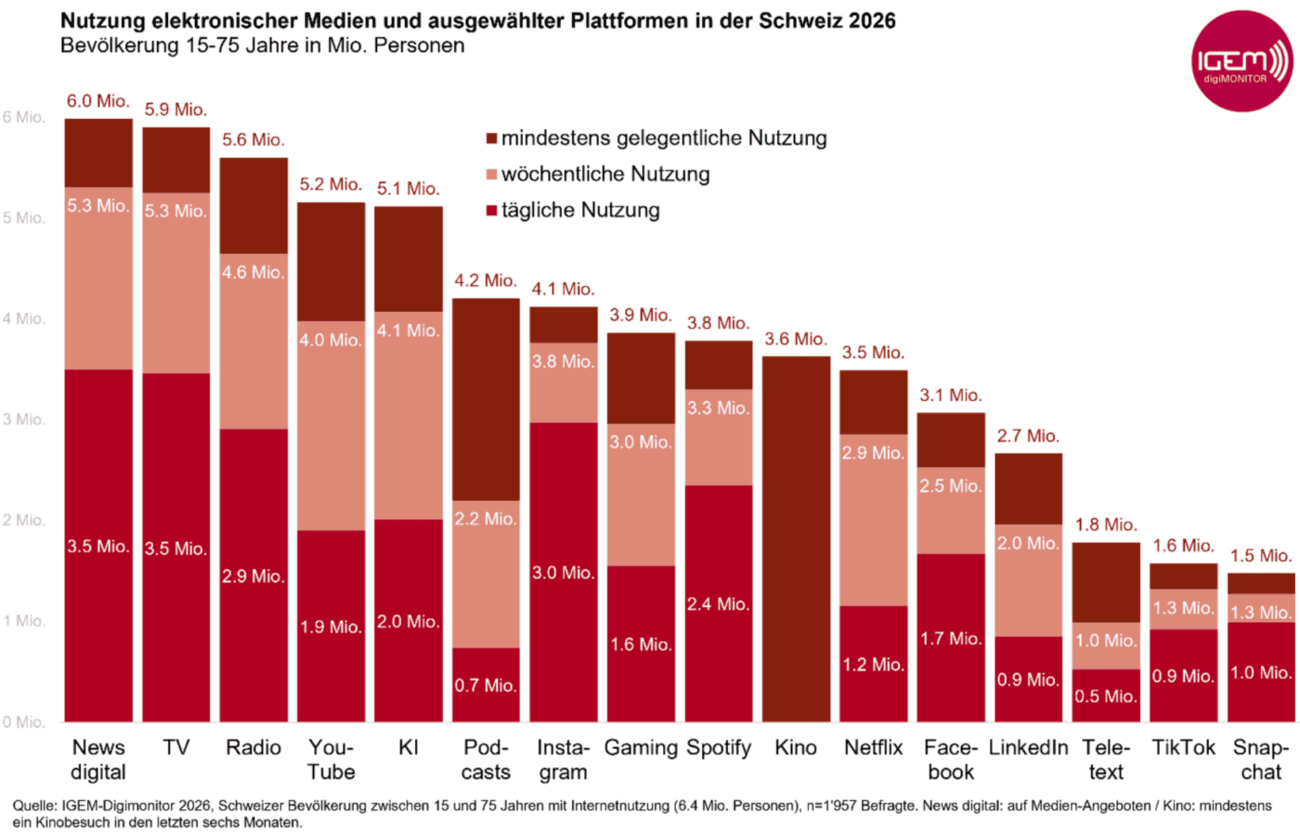
The Swiss media landscape is undergoing rapid change. This is shown by the IGEM Digimonitor 2026, published jointly by the Interest Group for Electronic Media (IGEM) and Wemf AG for Advertising Media Research. The results are representative of the Swiss population aged 15 to 75 who use the internet—a total of 6.4 million people. Particularly striking: AI usage has doubled within two years, audio streaming has overtaken traditional radio, and digital news reaches nearly the entire population.
AI Is Becoming an Everyday Helper for Information, Learning, and Shopping
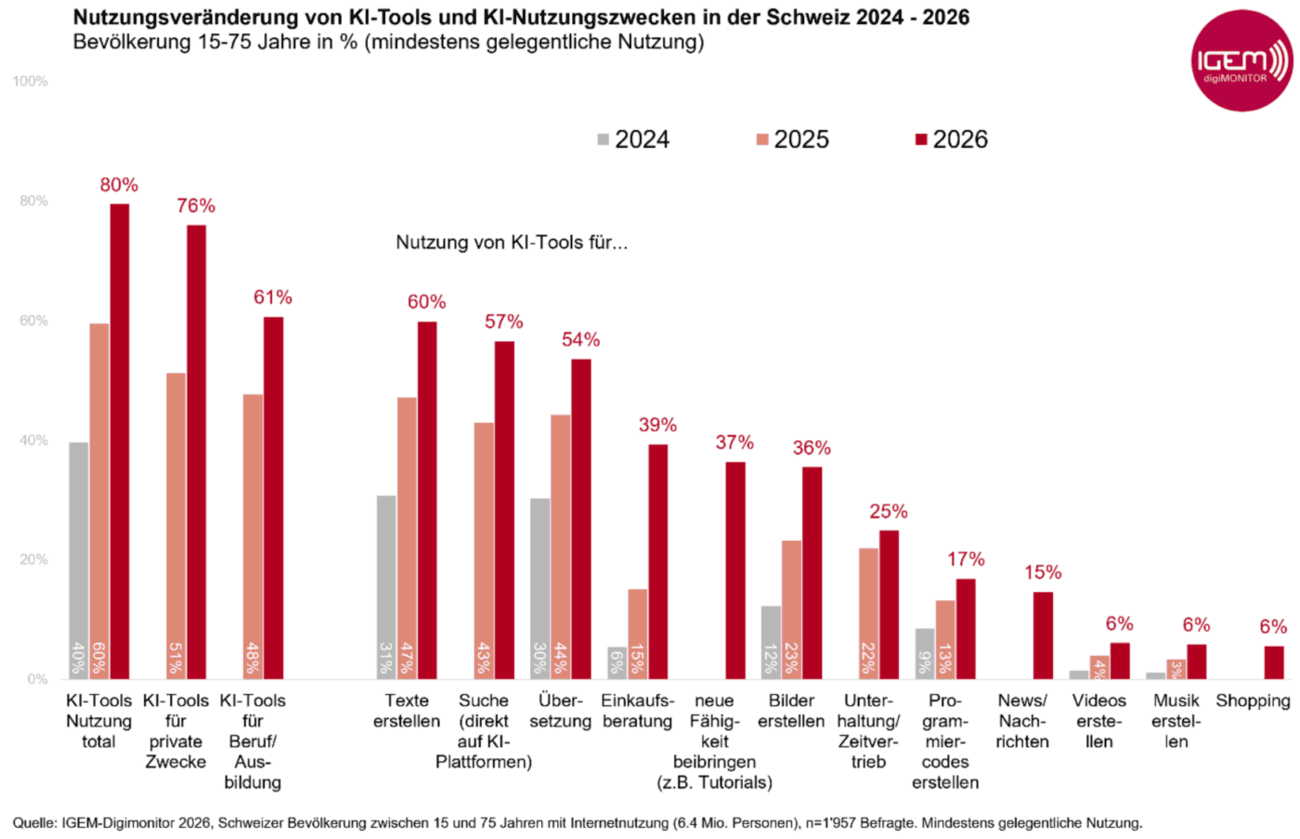
Artificial intelligence has become widespread in record time. Since 2024, AI usage has doubled from 40 percent to 80 percent—nearly one in three people already uses AI tools on a daily basis. Adoption is particularly high among 15- to 34-year-olds: 91 percent use AI occasionally, and 44 percent use it daily. AI is no longer used solely for writing texts or translations. 57 percent use AI for research, and just under 40 percent for shopping advice. AI is also gaining importance for learning through tutorials. With a usage rate of 76 percent, private AI use among the population currently far exceeds its use in the workplace or in education (61 percent).
AI Is Becoming Part of Search
The traditional search engine remains the most widely used tool on the web: 98 percent of the internet-using population uses it at least occasionally, and more than two-thirds use it daily. At the same time, AI is rapidly gaining importance in search: 77 percent already use the AI mode in traditional search engines, and 57 percent conduct targeted searches via AI platforms. This means that AI is used more frequently within established search engines than through standalone AI services. AI platforms are already used more frequently for searches than YouTube (34 percent) or social media (28 percent). Men tend to rely on AI platforms more often, while women search slightly more frequently on social media.
ChatGPT is by far the most widely used AI platform in Switzerland: Two-thirds of the population (67 percent, or 4.3 million people) use the service at least occasionally, and 17 percent use it daily. No other platform has achieved comparable growth in reach since 2024. Gemini (32 percent) and Copilot (30 percent) follow far behind. Other offerings such as Meta AI (13 percent), Claude and Perplexity (10 percent each), and Mistral (3 percent) currently play a much smaller role.

Digital news reaches almost all of Switzerland
Digital news continues to have a wide reach: 93 percent of the population consumes news on media websites or apps, with more than half doing so daily. News offerings from private Swiss media outlets achieve the highest reach. At the same time, the willingness to pay for digital news offerings is declining across all demographic groups, particularly in French-speaking Switzerland, among men, and among younger people. Among 15- to 34-year-olds, social media is increasingly establishing itself as a news channel: 31 percent of this younger age group use it daily to get news on current events. For 13 percent, social networks are their sole news source; another 19 percent combine social media with traditional media outlets, while 24 percent get their news exclusively from traditional media. DOOH (Digital Out of Home) also plays a role in the dissemination of information: 70 percent pay attention to news about current events on screens in public spaces.
TV and video streaming complement traditional television
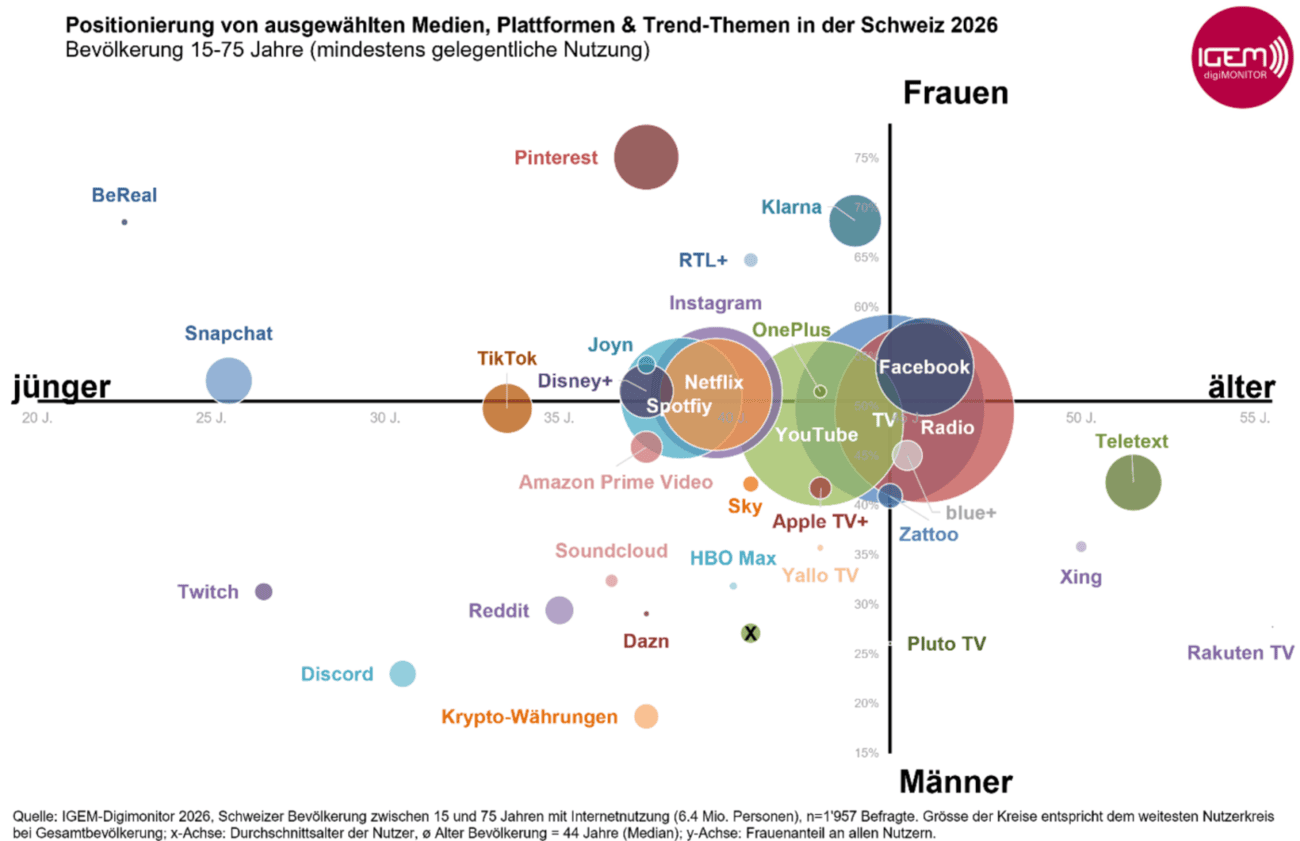
Television remains widely popular in Switzerland: 92 percent of the population watches TV at least occasionally, and 54 percent watches TV daily. At the same time, streaming has also become established: 47 percent of the population streams TV or video content daily. YouTube is by far the most widely used video platform, reaching 80 percent of the population, followed by Play SRF/RTS/RSI (or Play Suisse) at 59 percent and Netflix at 54 percent. Amazon Prime Video has seen the strongest growth over the past three years, with its reach increasing from 11 percent to 16 percent. Among other Swiss video services, blue+ (Super Max/Binge/Sport) reaches 15 percent of the population, Zattoo 12 percent, Joyn 9 percent, OnePlus 6 percent, and YalloTV 4 percent.
More than half of the population (56 percent) went to the movies in the past six months. Movie-going is highest among 15- to 34-year-olds: 63 percent went to the movies at least once during this period. Over a three-year period, movie-going has remained stable overall.
Daily Audio Reach Remains Steady—Streaming Gains Ground, Radio Declines
Audio remains an integral part of everyday media consumption: Across all audio platforms, 80 percent of the population is reached daily. However, usage continues to shift from radio to streaming. Daily radio consumption has declined from 52 percent to 45 percent since 2024. At the same time, audio streaming continues to gain importance: 60 percent of the population listens to music or radio daily via streaming services or radio websites. Spotify is the leading streaming provider; just under one-third of Spotify users listen to the ad-supported free version. Podcasts are used at least occasionally by 65 percent of the population and are listened to frequently, particularly by middle-aged people and in German-speaking Switzerland. However, with 11 percent daily usage, they lag significantly behind radio and streaming.
Gaming Is Becoming Mainstream—Growth Is Particularly Strong Among Older Demographics
Gaming continues to gain prominence in Switzerland: 60 percent of the population plays digital games at least occasionally. This growth is particularly evident in German-speaking Switzerland, among men, and among people aged 55 and older. Daily usage is also on the rise: the trend is particularly noticeable among older women—one in three women between the ages of 55 and 75 now plays digital games every day. Forty-four percent of the population plays on a smartphone, and 28 percent plays on a game console at least occasionally.
The smartphone remains the central digital device in everyday life: 96 percent of the population uses it at least occasionally. Smartwatches, in particular, have gained ground over the past three years, with usage rising from 27 percent to 32 percent, as have headphones and headsets (from 74 percent to 77 percent). AI glasses (also known as smart glasses), on the other hand, remain a niche phenomenon: only 2 percent of the population uses such devices, such as the Ray-Ban Meta Wayfarer. The greatest openness to them is seen among 20- to 24-year-olds.
Instagram Remains at the Top of Social Media Platforms
Two-thirds of the population uses social media daily. While usage is significantly lower in German-speaking Switzerland and among people aged 55 and older, social networks are an integral part of everyday life for younger demographics. Social media is primarily used for entertainment, but more than half of the population also uses it as a news source. 44 percent use social media for e-learning. Social commerce—that is, making direct purchases via social media—remains relatively uncommon, with a usage rate of 18 percent.
Instagram maintains its top position as the most widely used social media platform: 45 percent of the population uses Instagram daily, ahead of Facebook (26 percent), Snapchat (16 percent), and TikTok (14 percent). X (formerly Twitter) has seen a significant decline in reach: Usage has dropped from 17 percent to 10 percent since 2024. Among 15- to 34-year-olds, Instagram is clearly in the lead with 72 percent daily usage, ahead of Snapchat (44 percent) and TikTok (31 percent).
More than a third shop at Temu, Shein, or AliExpress
Online shopping is firmly established and is increasingly taking place on mobile devices: 66 percent shop via smartphone, and 64 percent via PC or laptop. The 30- to 49-year-old age group is particularly active. Online stores are the first port of call for product information: 91 percent check there at least occasionally. When it comes to shopping advice, AI platforms (39 percent) are already on par with YouTube (40 percent) and ahead of social media (36 percent). As direct shopping channels, however, AI platforms (6 percent) and YouTube (2 percent) have so far been used only rarely. The prevalence of Chinese shopping platforms is striking: 36 percent of the population already shops on Temu, Shein, or AliExpress. Usage is particularly high in Ticino (48 percent) and French-speaking Switzerland (43 percent).
About the IGEM-Digimonitor 2026 Study
Since 2014, the IGEM Digimonitor has conducted an annual survey on the use of electronic media and devices in Switzerland. Starting in 2024, the data will be representative of the Swiss population aged 15 to 75 who use the internet (6.4 million people). The online survey took place from March to April 2026. Intervista surveyed 1,957 people on behalf of IGEM and WEMF, including 1,002 in German-speaking Switzerland, 747 in French-speaking Switzerland, and 208 in Italian-speaking Switzerland. The confidence interval is a maximum of +/- 2.2 percentage points. The results are available free of charge to IGEM members. Non-members can purchase the study for CHF 5,000.
For more information on the study, visit www.igem.ch.
]]>
Markus Röösli as Editor-in-Chief of «die grüne»
Swiss Agrarmedien is appointing a new editor-in-chief for the trade magazine «die grüne»: Starting in the fall of 2026, Markus Röösli will assume editorial responsibility for Switzerland’s oldest agricultural magazine. Röösli is regarded as a proven expert in agricultural media and brings with him many years of experience in editorial leadership and media management.
«die grüne» is published monthly and has been providing practical coverage of agricultural technology, crop production, animal husbandry, farm management, and agricultural policy since 1864. The magazine is the highest-circulation subscription-based trade publication in the Swiss agricultural sector and reaches approximately 67,000 readers in Switzerland.
Experienced agricultural journalist and media manager
Markus Röösli is a journalist and a federally certified media manager. For more than ten years, he served as editor-in-chief and publishing director of the agricultural trade magazine *UFA-Revue*. Most recently, he headed corporate communications at fenaco, Switzerland’s leading agricultural cooperative.
Peter Neumann, CEO of Swiss Agrarmedien, commented on the appointment: «With Markus, we are gaining an experienced editor-in-chief and media manager. This puts us in an excellent position for the continued growth of our products and, at the same time, allows us to create even better content integration across our publications.»
Röösli himself says of his move: «The trade magazine *die grüne* and the *BauernZeitung* are among the most important journalistic voices in Swiss agriculture. My goal is to further strengthen this position and to consistently drive forward the next steps in their development together with the editorial teams.»
Dual role: also deputy editor-in-chief of the *BauernZeitung*
In addition to serving as editor-in-chief of *die grüne*, Röösli will take on the role of deputy editor-in-chief of *BauernZeitung*, where he will stand in for Editor-in-Chief Simone Barth. The *BauernZeitung* is Switzerland’s leading agricultural weekly newspaper, reaching 172,000 readers each week. It provides independent coverage of agricultural policy, markets, farm management, and rural life.
Peter Walthard is stepping down from his position as deputy editor-in-chief, but will remain with the *BauernZeitung* as an editor, writer, and distinguished journalist.
For more information about the publications of Schweizer Agrarmedien, visit https://www.agrarmedien.ch to find.
]]>
At the annual general meeting of shareholders of WEMF AG für Werbemedienforschung held on June 5, 2026, in Zurich, Yvonne Baumgartner was elected to the WEMF Board of Directors. She succeeds Roger Harlacher and will represent the Swiss Association of Advertisers (SWA) on this board going forward.
Extensive leadership experience in marketing
According to her own statements, Yvonne Baumgartner has many years of national and international leadership experience in marketing. Starting in January 2027, she is also set to take over as managing director of the Swiss Advertising Clients Association (SWA). With her election to the WEMF Board of Directors, she will assume the role previously held by Roger Harlacher as SWA delegate.
All existing members of the Board of Directors were re-elected at the Annual General Meeting. Following the election, the Board of Directors is composed as follows: Marcel Kohler as President and Delegate of the Swiss Media Association (VSM), Johannes Boege, Christoph Marty, Thomas Passen, and Roberto Rhiner as additional delegates of the Swiss Media Association; Beat Krebs as a delegate of the Leading Swiss Agencies (LSA) Association; Thierry Kunstmann as a delegate of the Médias Suisses Association; and Rocco Salvioni as a delegate of the Stampa Svizzera Association.
WEMF as a neutral authority in the Swiss advertising market
WEMF AG for Advertising Media Research sees itself as a neutral and independent industry research organization that ensures transparency in the media and advertising market. For the press and cinema media sectors, WEMF studies are considered the gold standard. Key publications include the cross-media studies MACH Total Audience and MACH Strategy, as well as MACH Consumer, which is regarded as Switzerland’s largest annual consumer media study. In addition, WEMF conducts circulation audits for Swiss print media, certifies DOOH, and compiles various marketing-relevant statistics. With the MedienDB, it provides the market with a platform for efficient ad planning. On behalf of Online Data Switzerland, WEMF is also responsible for project coordination and quality assurance of Swiss online traffic data.
]]>
She knows everything there is to know about who uses which media today: Jella Hoffmann has been the head of WEMF AG for Advertising Media Research since 2023. She’s the woman with all the data—and she uses it to debunk a few myths. On the ComSumCast hosted by the Zurich Press Association and the Zurich PR Society, she talks with Reto Lipp about how young people use media today, whether subscriptions are now just for older people, and why podcasts are popular among young people—but not the very young. What exactly does WEMF do today? Why are advertisers more reliant on its data than ever before? And to what extent is AI pushing us into a real media crisis?
When Reto Lipp begins his remarks about the WEMF by saying that it used to be «incredibly important,» Jella Hoffmann immediately corrects him: It is still incredibly important. The mission remains the same: to provide neutral, reliable data for a market that needs to accurately allocate advertising spending. What has changed is the scope: The WEMF, which once almost exclusively certified print circulations and collected readership figures, now covers virtually all media formats and employs 24 people in Zurich as well as about ten at its German subsidiary.
Is everything measurable in the digital world? Not at all!
However, transparency ends precisely where advertising dollars are flowing at the fastest rate—to Instagram, TikTok, LinkedIn, and Google. These platforms cannot be audited impartially; instead, they publish only their own figures. «No one from outside can verify the numbers,» says Hoffmann. Added to this is a methodological pitfall that many advertisers underestimate: it’s not people who are being counted, but devices, browsers, or accounts—including company profiles, dog profiles, and historical figures. When LinkedIn reports five million Swiss accounts, there are likely not exactly five million people behind them. The narrative that everything is measurable in the digital world has certainly been «excellently conveyed»—but upon closer inspection, it is «by no means» the case. That is precisely why advertisers today, more than ever, rely on a neutral, comparable database.
In the «Myth Check» segment of the interview, Hoffmann debunks other supposed certainties. Young people don’t watch TV anymore? That’s only significantly less than before if you define it as linear broadcast TV; video content is booming among them via streaming, YouTube, and Netflix. Are newspaper subscriptions now just for older people? Wrong—the «subscription dip» is among 30- to 39-year-olds; before and after that age group, the numbers are rising. Hoffmann finds it fascinating that younger generations have learned to pay for content through Netflix and Spotify—a starting point that could certainly benefit digital newspaper or news subscriptions as well. And the notion that young people only want short videos? “That belongs deep in the myth drawer.” The same young people who scroll through 15-second clips on TikTok also read 800-page Harry Potter books. The picture is similarly nuanced when it comes to podcasts: About 15 percent of the Swiss population listens to podcasts regularly, with the highest usage among 20- to 39-year-olds—not among the very young, as is often assumed.
AI crawlers are scraping content—Jella Hoffmann calls for a level playing field
Hoffmann currently sees the biggest structural change in AI. The so-called «zero-click problem» poses a twofold threat to media companies’ business models: Thanks to generative search, Google provides ready-made answers without users even having to click on Tagi, Blick, or 20 Minuten—and at the same time, AI crawlers are scraping journalistic content without paying for it. Hoffmann isn’t calling for traditional media subsidies here, but rather a “level playing field”—in terms of copyright law, but also regarding the protection of minors, which national media adhere to but global platforms largely do not.
WEMF is also offering support through a new product: the Responsible AI Audit. Media companies can obtain certification from WEMF confirming that they use AI responsibly in their journalistic processes—through policies, training, and controls. When it comes to WEMF’s own audience data, however, Hoffmann remains cautious about the use of AI: «It’s simply not acceptable to say, »Oh, that was just a hallucination.«» And she warns of a structural risk facing the entire industry: AI requires original, accurately collected data. If models were fed only AI-generated content, a degenerative model would emerge—“a bit like if you only married within the same mountain valley for 200 years.”.
In the end, it is precisely this idea that brings everything together for the WEMF director. Reliable media research is important, she says in closing, «because otherwise the market would be making decisions in the dark.».
The podcast episode on Spotify
The full episode of ComSumCast with Jella Hoffmann is available on all major podcast platforms and as a video on YouTube. ComSumCast is a production of the Zurich Press Association and the Zurich PR Society, hosted by Reto Lipp and produced by Christoph Soltmannowski / Castalavista Podcast Factory.
]]>
At the Swiss Media Forum in Zurich on May 7, 2026, the Swiss media industry presented the Swiss Media AI Code. The code establishes common principles for the responsible use of artificial intelligence in Swiss journalism. Numerous media associations and companies are supporting this self-regulatory initiative, including SRG SSR, Keystone-SDA, and the Swiss Media Publishers Association. In addition, WEMF plans to launch an AI audit and a quality label.
A widely adopted industry code of conduct
Andrea Masüger, President of the Swiss Media Publishers Association (VSM), sums up the motivation: «Trust is the media’s most valuable asset. The rapid development of AI presents the media industry with major challenges while also opening up opportunities. To safeguard and strengthen that trust, Swiss media companies have jointly developed an industry-wide AI code of conduct.»
The Swiss Media AI Code is supported by a broad alliance: In addition to the Swiss Media Publishers Association, participants include Médias Suisses, Media Svizzeri, SRG SSR, Keystone-SDA, the Association of Swiss Private Radio Stations (VSP), the Association of Swiss Private Television Stations (VSPF), and the Association of Swiss Regional Television Stations (Telesuisse). The MAZ – Institute for Journalism and Communication – welcomes the initiative.
As a self-regulatory instrument, the Code is based on the Council of Europe’s Convention on Artificial Intelligence, which the Federal Council intends to ratify. A key principle: Media companies and their employees remain responsible at all times for published editorial content—regardless of whether it was created by humans or generated, edited, or distributed with the help of AI systems.
Pia Guggenbühl, director of the VSM, highlights the breadth of support: «The industry’s energy and willingness to find a common solution illustrate that this is a topic of great concern. The fact that the AI Code now before us has such broad support shows that we are on the right track.»
Four Principles and Clear Labeling Requirements
According to Hanspeter Kellermüller, CEO of Keystone-SDA, the AI Code is based on four principles: user awareness, protection of democratic processes, data protection, and transparency. In addition, binding labeling requirements apply. Susanne Wille, Director General of SRG, states: «It is crucial that people in Switzerland can rely on the Swiss media. With the AI Code, we are establishing a common foundation to ensure that the use of artificial intelligence remains transparent and traceable.»
The Code applies to the use of AI systems by media companies that produce, publish, broadcast, or otherwise distribute journalistic content in accordance with journalistic principles—to the extent that such use has a direct impact on journalism as perceived by the public. It is designed as a living document and should be adaptable both periodically and in response to changing circumstances.
Two-tier operational model with an independent ombudsman's office
To ensure compliance, a two-tier reporting and review mechanism is in place: AI reporting offices at the company level serve as the first point of contact for questions or complaints. An independent AI ombudsman’s office acts as the second point of contact for serious cases or those that cannot be resolved amicably. The ombudsman’s office is to publish an annual transparency and implementation report. Participation in the code is open to all stakeholders in the media industry.
WEMF AI Audit and AI Quality Label
At the same time, the independent audit and research organization WEMF has developed the Responsible AI Audit, a new certification and quality label that is intended to be open to all media outlets in Switzerland. Media companies can continuously improve their responsible use of AI through annual audits and demonstrate this to the public and market partners with a certificate and label. WEMF plans to provide more detailed information about this new industry solution in the coming weeks.
Further information on the AI Code of Conduct and the operating model is available from the Swiss Media Publishers Association: https://www.schweizermedien.ch
]]>
Credibility and trust in media offerings are becoming more important than ever - especially in light of the increased use of AI, accelerated information flows and a growing flood of data. In order to create trust and enable well-founded decisions, the market needs neutral and reliable data. WEMF für Werbemedienforschung today published the current contact and title qualities (KTQs) at individual title level as part of the MACH Basic readership study.
Four key figures for sound media planning
With the contact and title qualities, WEMF has been offering a data basis for several years that contains qualitative information in addition to quantitative key figures on the use of print media. The four key figures number of pick-ups, reading volume, reading time per issue and title loyalty show how readers use their press titles and how strongly they feel connected to them. This shows how often an issue is picked up, what proportion of the content is actually read and how long readers spend on average with a print title.
Constant values underline the reliability of print
The evaluations of recent years show that the KTQ values have remained very stable. For example, the daily press titles record an average of 1.9 pick-ups and 79.2 percent of them are read through. The average reading time is 31.3 minutes and 74% of readers would miss their respective daily newspaper if it no longer existed (MACH Basic 2026-1 data). This contrasts with 1.8 pick-ups, 80.5 percent reading volume, 32.3 minutes of reading time and 75.4 percent title loyalty in 2023. This consistency underlines the role of print as a reliable factor in the Swiss media market. This is particularly clear when it comes to title loyalty: readers continue to feel a strong connection with their print titles.
Added value for media companies and the advertising industry
For media companies, these key figures offer the opportunity to make the intensity of use and loyalty of their readership visible and to prove the quality of their contacts to the advertising industry. At the same time, advertising clients and agencies benefit from better comparability of media offerings and can incorporate qualitative usage aspects into their media planning in addition to quantitative reach.
As a neutral and independent industry research organization, WEMF for Advertising Media Research ensures transparency in the media and advertising market. It provides market players with relevant data for smarter decisions. WEMF studies are currency-setting for the press and cinema media categories.
]]>
WEMF is offering a free webinar on strategic intermedia planning on Thursday, March 19, 2026, from 10:00 to 10:40 a.m. The focus will be on the use of MACH studies for the successful planning of advertising campaigns.
Data-based media selection
A WEMF expert will show how the MACH Strategy study can be used for strategic intermedia planning. Participants will learn how to analyze additional reach expansion in the media mix and make optimal media selections for their target group thanks to data-based decisions.

The MACH studies offer valuable insights for analyzing incremental reach in the media mix. The webinar is aimed at anyone interested in planning their advertising campaigns based on data. Participation is free of charge, registration is required.
]]>