Anniversary Edition at LaSalle im Schiffbau in Zurich
The awards ceremony took place on Thursday, August 20, 2026, for the first time at LaSalle in the Schiffbau in Zurich. With this anniversary edition, the event also set a new tone in terms of venue: the unique atmosphere at Schiffbau combined industrial charm with urban elegance, providing the perfect setting for socializing, networking, and honoring the six nominees. Host Vanessa Meier guided the audience through the evening for the fourth time. A highlight of the program was the Spotlight Session featuring Baschi, one of Switzerland’s most popular musicians; DJ Carol Fernandez provided the musical finale.

Especially in this anniversary year, the award underscores just how much the role of the CMO has changed: Today’s marketing leaders are brand leaders, transformation managers, data experts, innovation champions, and corporate strategists all at once. The «CMO of the Year Switzerland» award highlights the role that excellent marketing leadership plays for companies and society.
The «CMO of the Year» is an initiative of the Serviceplan Group Switzerland (Serviceplan Suisse, Mediaplus Suisse, and Plan.Net Suisse) in partnership with Admeira, APG, 20 Minuten, m&k, persönlich, Swiss Marketing, and the Institute for Marketing & Customer Insight at the University of St. Gallen. Since its launch, the award has evolved into an important platform for exchange among marketing executives, the business community, the media, and academia.

Multi-stage selection process for «CMO of the Year»
The award was preceded by a multi-stage selection process. The jury consists of 18 leading representatives from the fields of business, marketing, media, and academia. Their evaluation is based on detailed dossiers compiled by the Institute for Marketing & Customer Insight at the University of St. Gallen. The evaluation considered not only business achievements but also personality, innovative strength, customer focus, sustainability, purpose, and the ability to leave a lasting impact on an organization. The decisive factor, they noted, is not only what a marketing executive has achieved, but also how that person leads, provides direction, and creates a lasting impact.
In addition to Raphael Werner, five other individuals who are shaping modern marketing leadership in Switzerland in various ways were nominated for the «CMO of the Year 2026» award: As CMO of Victorinox, Veronika Elsener leads the long-established Swiss brand with great tact in over 120 markets worldwide. As Head of Marketing at Lindt & Sprüngli Switzerland, Andrea Hänggi keeps the 180-year-old chocolate brand at the cutting edge through innovation and a keen sense of trends. As CMO of AXA Switzerland since 2019, Antonia Lepore has given the brand social relevance through initiatives supporting biodiversity and women’s soccer. As CMO of TWINT, Jens Plath has established the payment app as an indispensable, user-centered everyday solution and national payment infrastructure. As Chief Marketing & Communication Officer, Roman Reichelt is driving the comprehensive rebranding of Brack.Alltron through data-driven storytelling in e-commerce.


Baschi in the Spotlight: «When you buy Baschi, you get Baschi»
Dialect star Baschi provided an inspiring highlight before the main event during the Spotlight Session. After more than 20 years in show business, he spoke about brand identity, relevance, and the ever-present pressure of social media. His message to the CMOs in attendance: Authenticity beats short-lived trends. «You have to know what your strengths are—and what they aren’t. I’d rather rely on 1,000 loyal fans who attend every concert than on 100,000 fleeting followers.’


Career and Role at Denner
Raphael Werner began his career at Lidl in Switzerland and Belgium before moving to Denner. In his current role, he oversees marketing, promotions, digital business, and customer insights, thereby shaping the brand’s strategic development at the central interface with customers. According to the press release, with his keen sense of cultural relevance, data-driven customer engagement, and bold brand communication, he has provided Denner with important momentum for growth and differentiation in recent years.

Among the most recent examples of his work are his sponsorship of the Swiss national ice hockey team and the highly acclaimed World Cup short film «The Socceritos,» featuring Terence Hill and numerous stars of the Swiss national soccer team. Added to this is the spectacular «theft» of the Swiss cross from the Lidl logo—a logo that Werner himself had helped create years earlier. According to the press release, all of these projects exemplify how, under his leadership, Denner creates brand moments that generate public attention and go beyond traditional advertising.
The Laudatory Speech: Between Terence Hill, Swiss Wrestling Champions, and Stolen Hearts
Reto Ruch, who has closely followed Werner’s career for nearly 20 years, delivered an emotional tribute to the winner. Ruch traced the journey of a marketing director who never puts himself in the spotlight but always surprises with bold ideas:
-
The Desert Trial by Fire: For the 16-minute Denner World Cup film «The Socceritos,» the shoot with Terence Hill had to be moved from New Mexico to Spain on short notice. Werner kept his cool amid 120 crew members, soccer stars, and a soccer-playing horse.
-
The Art of Transformation: Even back at Lidl Switzerland, Werner turned the discount chain’s tarnished image around with the «Heart with the Swiss Cross» campaign, featuring the Hunziker family and Swiss wrestling champion Chrigu Stucki, treating them as equals and creating a positive image.
-
The daring coup: At Denner, he used the national ice hockey team sponsorship to create an emotional connection to the brand—and officially «reclaimed» for Denner the heart motif he had originally created for Lidl.
«You don’t become »CMO of the Year« just for creating beautiful campaigns,» Ruch concluded. “You become it when you change perceptions, win people over to ideas, and make brands more relevant.”

«I have to be careful not to run too fast.»
Visibly moved, Raphael Werner accepted the award. In the m&k winner’s interview that followed, he remained humble, immediately credited his success to his team and partner, and offered fascinating insights into his understanding of marketing:
About the victory:
«To be honest, I can’t even put it into words yet. You just don’t expect it. We made some pretty bold claims when we launched at Denner—the great thing is that we very quickly proved we could back up our words with action. With the Ice Hockey World Championship and Terence Hill, we scored two hits that nobody saw coming.»
On Leadership and Pace in Retail:
«I need to work on myself and make sure I don’t move too fast. We’re in an extremely fast-paced industry. My goal is to bring a sportsmanlike spirit to the team: If we think we can run the 100 meters in 15 seconds, then we’ll run it in 13 now and aim for 12 next. But the important thing is: Never just stand on the sidelines as a coach—always run alongside them and show that it can be done.»
On Creativity in the Age of AI:
«Creativity drives innovation. Especially now, when so much is being accelerated by AI and AI is also giving rise to some really cool things, we need to draw even more on human creativity to stand out from the crowd. Creativity will be even more important in the future than it is today.»

For more information about the award winner, all the nominees, the jury, and the selection process, please visit: https://www.cmo-of-the-year.ch
]]>
Helvetia Brand Campaign with a New Brand Essence
With «Sicher geht das,» Serviceplan has developed a new international brand platform for Helvetia, which will go live in Switzerland and Germany on July 1, 2026. The Helvetia brand campaign breaks with the traditional insurance promise: the focus is not on covering claims, but on enabling decisions, progress, and personal courage. For the newly merged company, the launch marks the beginning of a long-term, integrated brand communication strategy.
In a time marked by uncertainty and change, people are finding it increasingly difficult to make decisions. Serviceplan focused on precisely this point when developing the platform: Security no longer means that nothing can happen—but rather that you can still take risks. With this shift in perspective, Helvetia positions itself as a partner that not only provides protection but also actively helps turn personal goals into reality.
Focusing on Life's Big and Small Moments
The campaign centers on moments that people can relate to: moments when they take a risk, make a change, or start something new. Helvetia meets its target audience where they are in life right now. This emotional connection is intended to create relevance and a sense of empowerment. In Germany, the campaign focuses not only on customers but also on sales partners: «Sure, you can do that» becomes the sales partners’ response to their customers’ aspirations.
Markus Bucheli, Head of Marketing & Market Communication at Helvetia, explains: «Our visual diversity reflects the many different life paths our customers take—and embodies an attitude that is deeply rooted in Switzerland: We provide security that inspires courage.»
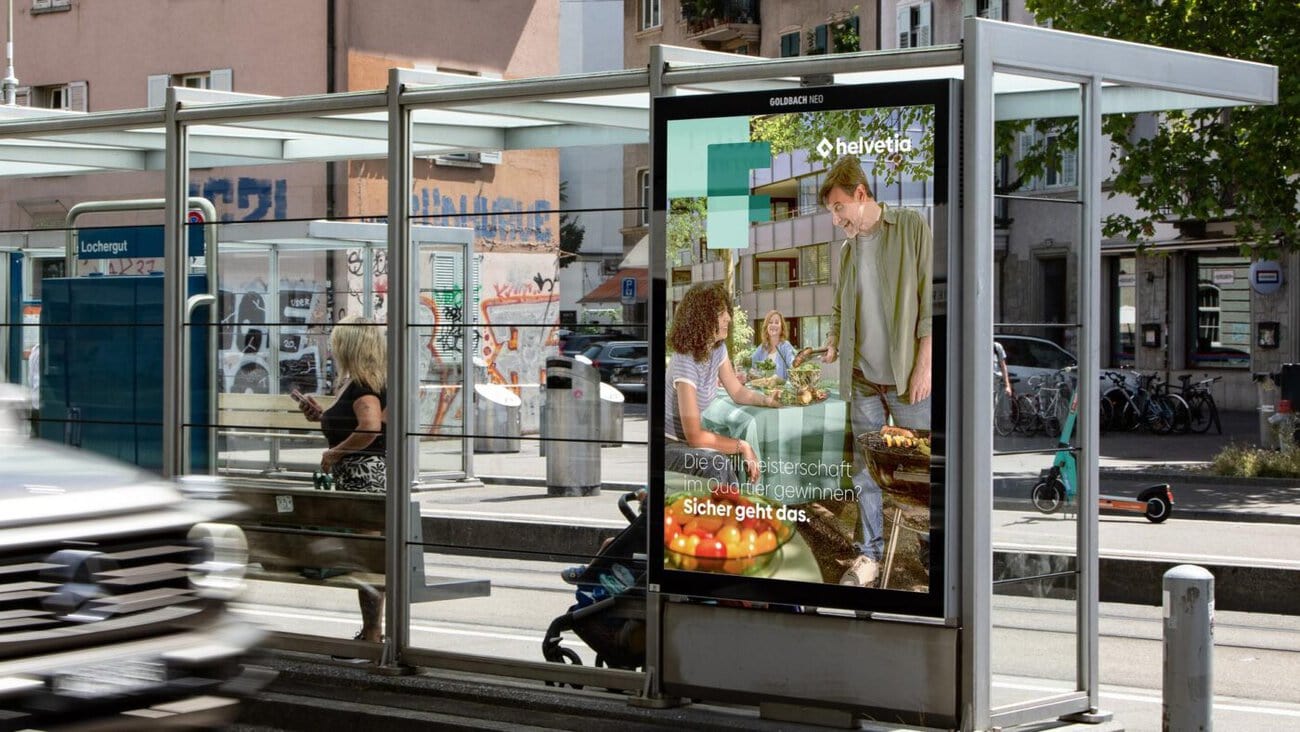
An integrated approach with a multicolor presentation
The new brand features a fresh look with a vibrant color palette. The consistent multicolor approach is intended to highlight its differentiation from the competition. Marc Hallauer, Head of Branding & Advertising at Helvetia, adds: «With this integrated, international approach, we are laying a strong foundation for a strong new brand. The highly adaptable campaign framework allows us to tailor our messaging precisely to different markets while ensuring consistency.»
«According to those involved, »Sicher geht das” is more than just a campaign—it marks the launch of a long-term, internationally oriented brand platform built on the principle of integrated communication. This platform combines eye-catching brand advertising, product communication, employer branding, and sponsorship with a consistent visual and content-based message.
«Sicher geht das» as a Serviceplan platform for Helvetia
The campaign was launched in two phases: First, an unbranded teaser campaign designed to generate attention and curiosity without immediately revealing the source. This was followed on July 1 by the branded image campaign, which established the new brand platform both visually and in terms of content.
Raul Serrat, CCO of Serviceplan, summarizes: «With »Sicher geht das,’ we’ve developed a platform that makes Helvetia’s brand essence simple, adaptable, and sustainable over the long term. The campaign combines the relevant strategic concept of empowerment with a flexible creative framework, giving the new brand a distinct, recognizable voice across all channels.”
In terms of media, the campaign is broad in scope and designed for the long term. Over the summer, the focus will be on a widely distributed image and awareness campaign. Afterward, «Sicher geht das» will continue through an “always-on” approach until the end of 2026. The campaign will utilize TV, OOH, DOOH, print, social media, and online formats, among others.
For more information about the brand platform, visit www.helvetia.com available.
Contact at Helvetia: Markus Bucheli (Head of Marketing & Market Communications), Marc Hallauer (Head of Branding & Advertising), Yves Thiriet (Head of Brand Production & Services), Jean-Claude Gerspacher (Head of Brand Consulting & Media), Jan Schwob (Project Manager, Branding & Advertising)
Responsible at Serviceplan: Carolina Hoffer, Emily Vasholz, Ennio Cadau, Janina Sigmund, Lucas Conte, Micha Seger, Nadja Tandler, Nathalie Diethelm, Pablo Koerfer, Philip Zsifkovits, Raul Serrat, Roxana Hudson, Stéphanie Weber, Tom Zürcher, Yanik Gygax
Photography and moving image: Hillton (Production), Mona Bertschinger (Executive Producer), Sebahat Derdiyok (Agency Producer), Samuel Morris (Director), Jan Mettler (Director of Photography), Cecil Arp (Photographer), Dennis Gnoni (Editor), Alex Gregory (Color Grading), Jingle Jungle (Sound Studio), Gordian Gleiss / EightƧix (Music)
]]>
Swisscom German Brand Award: Three Awards
Swisscom received awards in three categories at the 2026 German Brand Award. The telecommunications company received the top «Best of Best» award in the Excellent Brands – Corporate Brand of the Year category, as well as a «Winner» award in each of the Excellent Brands – Telecommunications & IT and Excellence in Brand Strategy and Creation categories. The Swisscom German Brand Award thus confirms the international appeal of a brand that has been consistently refined.
Focus on Strategic Repositioning
The jury recognized the comprehensive evolution of the Swisscom brand—from its strategic repositioning and refined visual identity to its consistent implementation across all communication and customer experience channels. At the heart of it all is the brand platform «Discover what you can do,» which is designed to help people and businesses take the next step with confidence.
According to Swisscom, its new brand positioning reflects an integrated approach that combines brand strategy, communication, and design across all external and internal touchpoints.
«There are many people behind a successful brand. These awards confirm the outstanding collaboration among numerous teams that have helped shape the strategic development of the Swisscom brand for our customers,» says Olaf Geuer, Head of Brand at Swisscom.
About the German Brand Award
The German Brand Award is one of the most prestigious awards for successful brand management in the German-speaking world. It honors companies that achieve a lasting impact through their brand work and set new standards.
For more information about the Swisscom brand, visit https://www.swisscom.ch/de/about/marke.html available.
Responsible at Swisscom: Olaf Geuer, Head of Brand. Credits: BCG Brighthouse (Brand Strategy), Wolff Olins (Brand Design), Dave Lübke and Marvin Hugentobler (Creative Communications), Serviceplan (Communications Planning), CZAR (Film Production), Mediaschneider (Media).
]]>
Julia Goldin, Chief Product & Marketing Officer of the Lego Group, is the first recipient of the newly created «European CMO of the Year» award. The award was presented on June 22, 2026, as part of the Cannes Lions festival—one of the most important international gatherings for the creative and marketing industries.
Widespread support within the European marketing community
The «European CMO of the Year» award was presented for the first time in 2026. It was initiated by the Serviceplan Group, Samsung Ads, The Trade Desk, Seven.One Media, and the University of St. Gallen. The award is supported by partners such as Euronews, LinkedIn, FEDMA, Horizont, LBBonline, and MarketingDirecto.com. The award honors Chief Marketing Officers who set the standard for cross-border marketing leadership in Europe.
More than 800 marketing executives from 15 European countries and regions initially nominated CMOs who, in their view, embody modern marketing leadership. From the resulting shortlist, the CMOs participating in the «CMO Barometer» ultimately selected Julia Goldin as the first recipient of the award. The selection process is scientifically monitored and validated by the University of St. Gallen.
Prof. Dr. Sven Reinecke, Director of the Institute for Marketing and Customer Insight at the University of St. Gallen and academic partner of the award, explains the selection: «Julia Goldin sets the standard for modern marketing leadership in Europe: strategic, creative, and culturally relevant. She has developed the Lego brand into a cultural icon far beyond its product category, thereby demonstrating how brands today can drive both growth and relevance in equal measure.»
Lego is positioned far beyond the toy category
Under Goldin’s leadership, the Lego Group is said to have consistently expanded its presence in the entertainment, sports, and gaming sectors. Collaborations with brands such as Star Wars, Marvel, Harry Potter, and Fortnite, as well as global campaigns centered on Formula 1 and soccer, have expanded the brand’s reach and appealed to new target audiences, according to the press release. Campaigns such as «She Built That» also exemplify the company’s commitment to combining creativity and inclusion.
Julia Goldin commented on the award, saying, «This award is a wonderful recognition of the brand and its importance in the lives of so many people. My thanks go to the many teams, partners, and everyone involved around the world who help make this possible every day—this award belongs to them just as much.»
Event with more than 100 guests and an AI keynote
The awards ceremony brought together more than 100 leading marketing executives from across Europe, including representatives from business, media, and academia, as well as partners of the awards. Another highlight of the evening was the keynote address by AI strategist and author Nina Schick. The British-German expert is considered one of the world’s leading voices on generative artificial intelligence and spoke about the impact of AI on creativity, brand management, and innovation.
Florian Haller, CEO of the Serviceplan Group, explains the significance of the award: «Marketing is one of the most important drivers of growth and business success. Today, it influences the entire customer journey, from initial awareness to the purchase decision. As a result, marketing contributes more directly and measurably to a company’s business success than ever before. With the European CMO of the Year Award, we want to recognize the achievements of the people who play a key role in shaping this impact.»
The CMO Barometer, which served as the basis for the nominations and the election, is an annual survey of top marketers at leading companies in 14 European countries and the Middle East. In 2026, it was conducted for the seventh time by the Serviceplan Group—in collaboration with the University of St. Gallen and the executive search firm Heidrick & Struggles.
For more information about the Serviceplan Group and the «European CMO of the Year» award, please visit: https://www.serviceplan.com
]]>
Serviceplan Nussbaum Campaign: A Baby with a Press Function
R. Nussbaum AG is expanding its Optipress family—the efficient stainless-steel press system for drinking water, gas, and heating systems—with a new addition: Optipress Industry. To launch the product in the industrial sector, Serviceplan Suisse at the House of Communication Zurich has developed an unconventional campaign that breaks with the conventions of B2B communication. The Serviceplan Nussbaum campaign presents the launch not as a dry product presentation, but as a real birth announcement.
Proud «Parents» Instead of a Traditional Product Presentation
The creative idea behind it is incredibly simple and yet surprising: Nussbaum employees look with pride at the new Optipress Industry—just as new parents marvel at their baby in a crib or stroller. The concept was brought to life as both still and moving images in collaboration with photographer Jonathan Heyer.
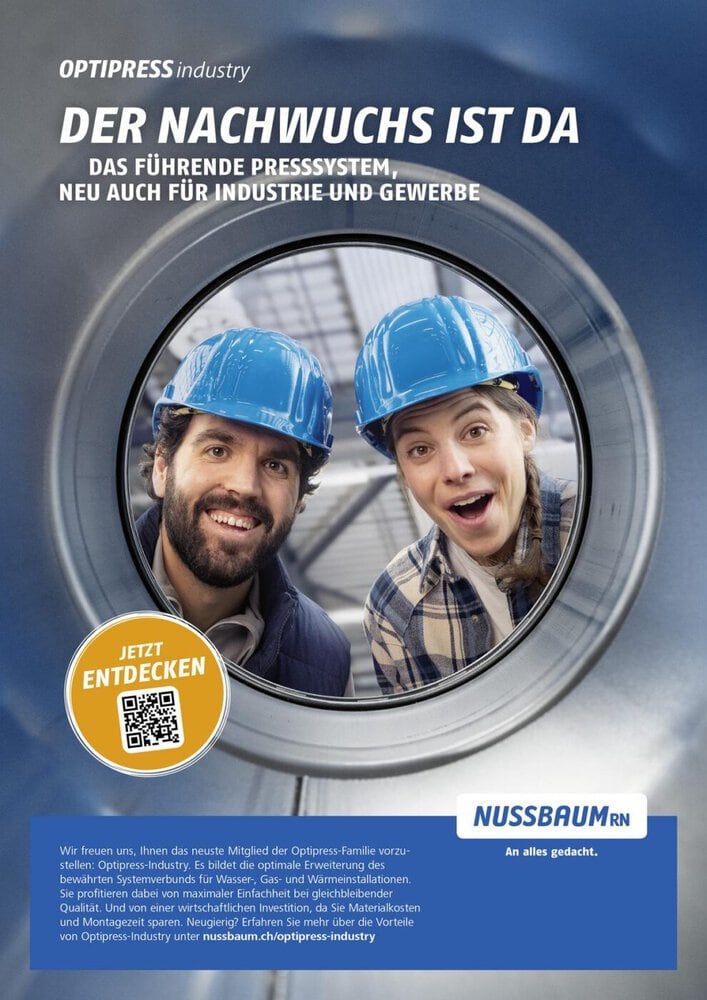
CCO Raul Serrat explains the concept as follows: «We didn’t want to simply announce the launch; we wanted to present it in an emotionally compelling way. The ad is a charming departure from typical B2B communication and shows just how much Nussbaum stands behind its products.»
A Multichannel Presence for the Entire Industry
The campaign is now live across all digital channels, appears at the point of purchase and in print, and is also being sent out via direct mail to existing and potential customers. The goal is to send a clear message to the industry: Here comes a new addition to the family that can do everything—except cry.
For more information about Optipress Industry, visit the Nussbaum product page: https://www.nussbaum.ch
Contact at R. Nussbaum AG: Ivana Covella (Head of Marketing Communications & PR), Claudia Schwarzer (Team Leader, Marketing Communications & PR), Geraldine Cairoli (Project Manager, Marketing Communications & PR), Raphael Suter (Product Manager, Plumbing Installation Technology)
Responsible at the House of Communication Zurich: Nadja Tandler (Art Direction), Michael Winnicki (Graphic Design, Motion Design), Peter Liptak, Thomas Lüber (Copy), Micha Seger (eCD), Sylvia Kohler (Group Account Director), Christoph Bögli (Account Director), Barbara Häne (Print Production), Raul Serrat (CCO), Pablo Koerfer (CEO)
Photography and moving image: Jonathan Heyer. Produced by: Sebahat Film + Photo
]]>
PreZero Website Relaunch: From Waste Management Company to Digital Enabler
The circular economy needs new forms of communication—and that’s exactly where PreZero’s international website relaunch comes in. PreZero, a European circular economy company, has developed a new digital brand platform in collaboration with the Serviceplan Group that brings the brand’s strategic realignment to life. Instead of a purely functional corporate website, the result is a platform that presents complex topics such as recycling and resource management in a contemporary way and clearly positions PreZero as an innovative circular economy company.
The project focused on how PreZero could reposition itself digitally—with a clearer brand identity and a messaging strategy that also reaches younger target audiences. To this end, Plan.Net, in collaboration with Serviceplan and Mediaplus, developed an international platform architecture with a harmonized CI/CD toolkit. This is designed to ensure brand consistency across all countries while providing sufficient flexibility to meet local requirements.
Integrated Project at the House of Communication
The Serviceplan Group oversaw the relaunch as an integrated project within the House of Communication. The tasks were distributed among several units: Plan.Net Germany was responsible for further developing the UX/UI for the international website, including expanding the design system and providing guidance on technical development. Mediaplus Performance was responsible for SEO/SEA, content for the international website, and the development of dashboard and tracking solutions. Serviceplan Make developed a modular template system as well as a cross-channel video concept, including animations and digital video formats. In addition, Serviceplan Make was responsible for creating a central image library with the support of artificial intelligence.
Andreas Scherer, Digital Marketing Manager at PreZero International, explains: «We see the Serviceplan Group as a strong partner with whom we can achieve our digital marketing goals in a targeted manner. By combining our digital innovation capabilities with the comprehensive expertise of Serviceplan, Mediaplus, and Plan.Net, we’re laying the groundwork to rethink digital customer experiences in a data-driven and user-centered way.»
Modular Design System as a Strategic Foundation
Marc Schmitt, Managing Partner at Plan.Net Germany, adds: «The new website combines data-driven user guidance with a modular design system, thereby laying the foundation for a digital experience that works on both a strategic and an emotional level. We specifically developed the content and interfaces to make complex concepts understandable while also bringing PreZero’s technological innovation to life.»
PreZero is one of Europe’s leading partners in the circular economy, headquartered in Neckarsulm. The company employs approximately 30,000 people at 460 locations in ten European countries. Its portfolio covers the entire material cycle—from collection and sorting to recycling and energy recovery, all the way to the supply of high-quality recycled materials.
Contact at PreZero: Andreas Scherer, Digital Marketing Manager at PreZero International. Responsible at Serviceplan Group: Marc Schmitt, Managing Partner at Plan.Net Germany.
]]>
Every brand wants to be relevant—but relevance doesn’t come from reach; it comes from cultural credibility. With the «Measure the Vibe» playbook and its Cultural Relevance Index, Serviceplan Culture and the market research firm Civey are providing, for the first time, a tool that reliably measures a brand’s cultural impact and integrates it with existing dashboards and performance KPIs.
Why Cultural Relevance Is Now Indispensable in Advertising
The fragmentation of the media landscape, the growing power of micro-communities, and rising expectations for authenticity have changed the rules of the game. Brands that are culturally relevant appear in the right contexts, understand the right codes, and make genuine contributions. The effect should be measurable: higher consideration, stronger preference, and deeper loyalty. Culture is not at odds with performance; rather, according to the developers, it is the foundation upon which performance becomes more effective in the long term.
Maurice Endres, Cultural Marketing Director at Serviceplan Culture, sums it up: «Vibe isn’t just a nice-to-have that you can afford in good times. Vibe is what makes brands resilient—against crises, against new competitors, against changing markets. Brands without a cultural foundation are interchangeable. And interchangeability is the most costly thing that can happen to a company.»
The Tool: The Cultural Relevance Index in Detail
Since the agency was founded about two years ago, Serviceplan Culture has focused on the measurability of all cultural initiatives. With Civey, this approach is now being further developed: The Cultural Relevance Index was developed in close collaboration under the leadership of Steffen Braun (Executive Vice President of Consulting at Civey), Sven Labenz (Managing Director of Serviceplan Culture), and Maurice Endres, with input from the Serviceplan Culture Council.
The CRI analyzes brands across four impact dimensions: Awareness Impact, Engagement Impact, Image Impact, and Contribution Impact. The data is based on representative target audience surveys conducted by Civey, as well as data from social listening and media analyses. Evaluation is based on ten defined criteria—ranging from content to communities, cultural fit, and collaboration to cost/return—which allow each cultural initiative to be rated on a scale from zero to ten.
The result is a score that makes a brand’s cultural position and impact transparent and comparable, regardless of whether it is used at the start of a campaign or during it. «The goal is to make initiatives, partnerships, and—above all—ongoing developments even more tangible and to make the »vibe’ measurable,” says Endres.
Qualitative Depth Through the Serviceplan Culture Council
The Cultural Relevance Index is supplemented by a qualitative component: The Serviceplan Culture Council—an independent advisory body composed of representatives from various (sub)cultural communities—evaluates the authenticity, relevance, and cultural fit of each initiative. While data shows that something is happening, the Culture Council provides the explanation for why it is happening and whether it is culturally viable.
Janina Mütze, founder and CEO of Civey, comments on the approach: «The industry has gotten used to measuring only what is easy. But whether a brand has resonated within the cultural contexts of its target audiences, whether it builds trust, and whether it is perceived as authentic can be determined just as precisely. Real-time data also enables analysis over time. So anyone who really wants to know whether the brand is having a lasting cultural impact and whether budgets are being allocated correctly will find a clear answer in the index.»
The CRI can be used as a cultural audit, for campaign measurement, and as a basis for strategic decision-making prior to investments—it is scalable and applicable to a wide variety of cultural fields. The «Measure the Vibe» playbook is now available at www.measure-the-vibe.com ready for download.
]]>
The Art Directors Club of Europe has officially opened the submission period for the 2026 ADCE Awards. The 35th edition of the competition brings significant changes: new rules for participation, a new discipline, and additional categories designed to more broadly reflect the spectrum of European creativity.
ADCE Awards 2026 Open to All Contestants for the First Time
Until now, submissions to the ADCE Awards were reserved exclusively for winners of national and regional competitions. Starting with this year’s edition, a new rule applies: All participants in eligible local and national competitions in Europe can submit their work—regardless of whether they received an award. This is intended to make the competition significantly more accessible and to highlight a broader spectrum of European creative work at the European level.
Entries are accepted from participants in competitions organized by the 25 member clubs of the ADCE, as well as from selected eligible competitions organized by non-member organizations in Europe. The complete list of eligible competitions and the submission guidelines will be available on the official ADCE platform. The final submission deadline is September 25, 2026.
New Category: Creativity by Industry Sector
One of the key innovations of the 2026 ADCE Awards is the introduction of the «Creativity by Industry Sectors» category. This new perspective is designed to evaluate creative work through the lens of industry-specific challenges and opportunities. The discipline comprises 40 categories across eight sectors: Consumer Goods, Health Care, Automotive & Mobility, Finance, Insurance & Retail, Technology & Media, Travel, Leisure, HORECA & Education, Entertainment & Culture, and Sports.
According to the ADCE, the new category takes into account the strategic and cultural context behind each submitted project, thereby adding a cross-sectoral dimension to the existing evaluation criteria.
New Categories in Existing Disciplines
In addition to the new discipline, additional categories have been introduced in several existing categories. In the Interactive & Mobile category, these include Creative Data, Multi-Platform Experience, Innovative Use of Technology, Gaming, and Technological Craft. In the Brand Development & Experience category, the categories Projects, B2B and Collaboration, and Creative Strategy have been added.
In addition, a new «Local Insight» category has been introduced across all existing disciplines. It is intended to recognize projects rooted in local culture, community, and regional context—a commitment by ADCE to the diversity of European creativity.
Jury, Gala, and ADCE Creative Week
The jury for the 2026 ADCE Awards, composed of leading creatives and designers from across Europe, will first meet online for two rounds in October. The third and final round will take place in person at the Disseny Hub Barcelona in November—as part of ADCE Creative Week. This final jury session will once again be open to the public: Visitors will be able to watch the presentation of the Special Awards and the Grand Prix live.
The winners of the 2026 ADCE Awards will be announced at the ADCE Awards Gala on November 20, 2026, the closing event of Creative Week. According to ADCE, the Creative Week program also includes talks, exhibitions, networking events, workshops, and the ADCE Student Awards ceremony.
ADCE Awards and The One Club Global Creative Rankings
All winners of the ADCE Awards contribute points to The One Club for Creativity’s Global Creative Rankings—an internationally recognized ranking system for the advertising and design industries. The rankings compile results from major international competitions, including The One Show, the ADC Annual Awards, the ONE Asia Creative Awards, Type Directors Club competitions, and the ADCE Awards. This provides European agencies, brands, and creatives with international visibility.
More information about the 2026 ADCE Awards is available on the official platform: https://adce.eu
]]>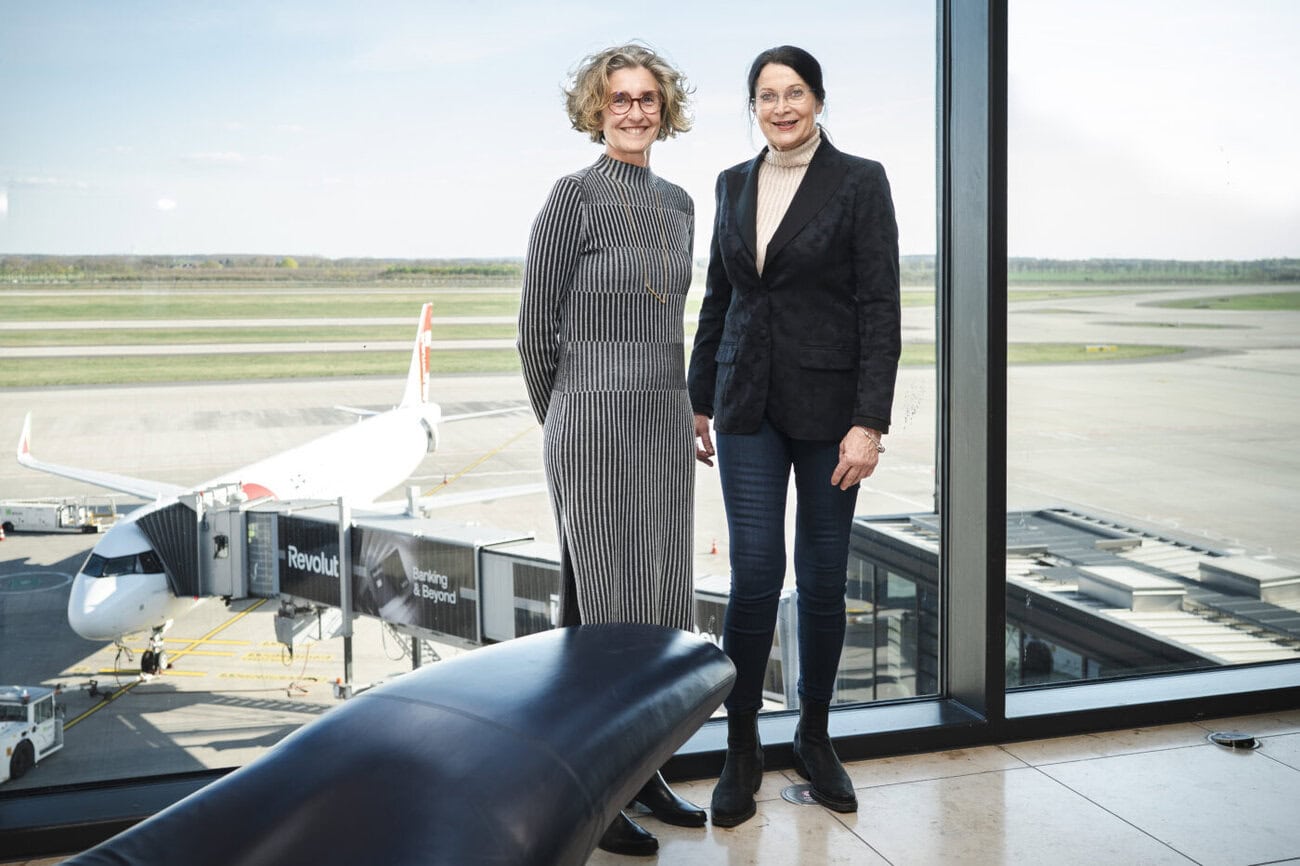
Plan.Net has secured the BER Airport digital account following an EU-wide tender. The agency will play a central role for Flughafen Berlin Brandenburg GmbH (FBB) in providing strategic consulting, implementing technology, and continuously optimizing digital offerings. The collaboration has already begun and is set to last for at least two years.
Focus on Strategy, E-Commerce, and Platform Development
The focus of the collaboration includes the further development of the commercial sales strategy and the expansion of e-commerce offerings. This includes optimizing the airport’s own products—such as the observation deck, lounges, VIP services, and parking—further developing internal systems and interfaces, and designing and implementing digital applications such as websites, microsites, and mobile apps. Plan.Net serves as the technology partner for automation as well as product and platform development.
According to the press release, the goal is to consistently further develop the airport’s digital touchpoints and tailor them more closely to the needs of different target groups.
BER as a Digital Brand – The Vision Behind the BER Airport Digital Budget
Ilona Koch, Head of Commercial & Real Estate Management at Flughafen Berlin Brandenburg GmbH, explains the decision to choose Plan.Net as follows: «With Plan.Net, we have chosen a technology partner that closely integrates strategic consulting with technological implementation and brings a high level of expertise, particularly in the area of user experience.»
Stefanie Krebs, Managing Partner at Plan.Net TechNest, articulates the overarching vision: «For us, digital transformation means more than just technology. It’s about thinking of companies and brands as digital products—and BER has exactly this approach.» Jens-Christian Jensen, Chief Strategy Officer at Plan.Net Group, adds: «BER already thinks in terms of digital products, not just digital activity. This distinction is strategically crucial.»
Flughafen Berlin Brandenburg GmbH operates Berlin Brandenburg Willy Brandt Airport (BER)—Germany’s third-largest airport—with Terminals 1 and 2. In 2025, 26.1 million passengers passed through BER.
For more information about Plan.Net TechNest, visit https://www.house-of-communication.com.
Person in charge at Flughafen Berlin Brandenburg GmbH: Ilona Koch, Head of Commercial & Real Estate Management. Person in charge at Plan.Net TechNest: Stefanie Krebs, Managing Partner. Contact at Plan.Net Group: Jens-Christian Jensen, Chief Strategy Officer.
]]>
MoliCare campaign against bladder weakness: humor as a strategic door opener
Mild bladder weakness in men is widespread - and yet it remains a topic that is rarely talked about. The German Continence Society assumes that around 15 percent of women and ten percent of men across all age groups suffer from incontinence. According to their own figures, only around 15 to 20 percent currently receive appropriate care. With a new MoliCare campaign for bladder weakness, Serviceplan Cologne is breaking this taboo in a surprising way - and positioning the HARTMANN brand MoliCare® as a self-confident answer to an everyday problem that is kept secret by millions.
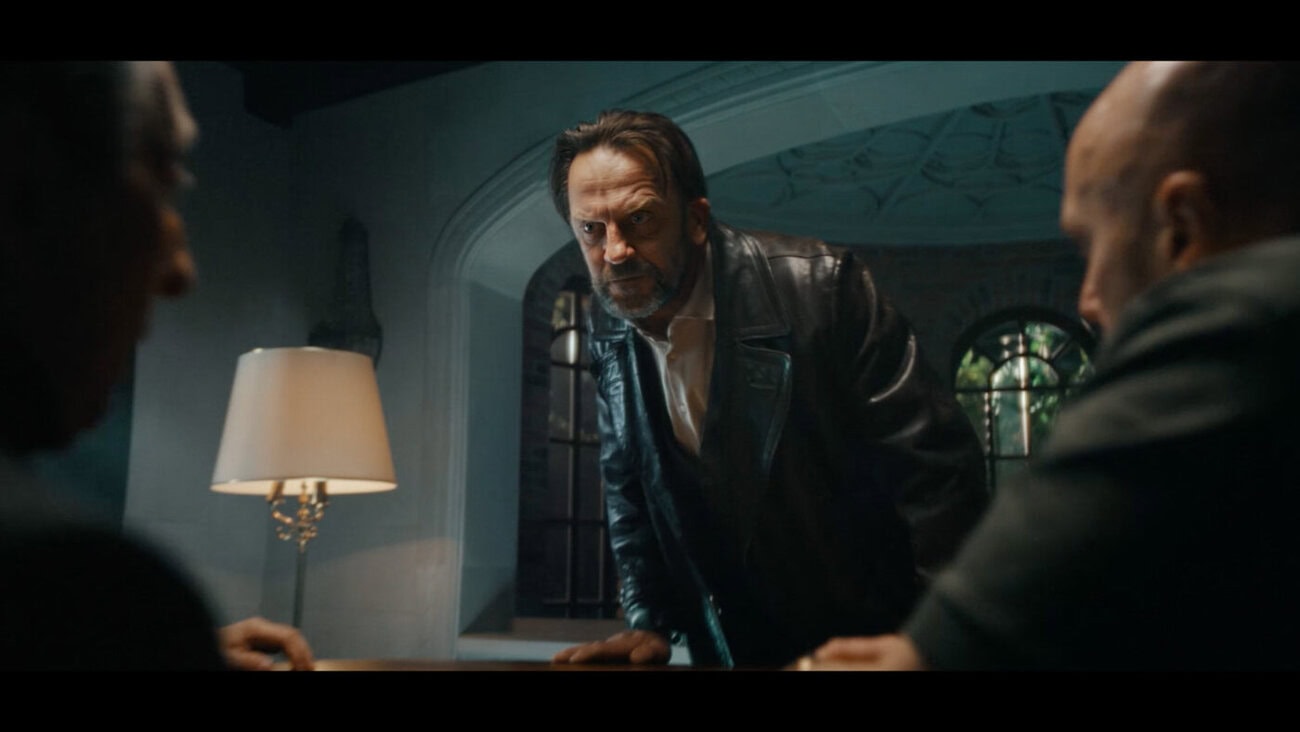
At the heart of the awareness and brand positioning campaign is a 20-second film that plays with familiar genre codes from mafia and spy films. A short, pointed scene condenses the theme into a clear metaphor: stay in control, remain undetected, be confident. The communication is aimed specifically at men aged 45 and over.
Replace shame with humor
The campaign turns dealing with mild bladder weakness into an undercover mission - not as a game of hide-and-seek out of shame, but as an expression of quiet confidence. Humour serves as a strategic door opener: by playing with familiar genre codes, the film surprises its audience, breaks expectations and creates closeness without trivializing the topic.
«Bladder weakness is treated like a secret that nobody is allowed to admit. That's why we told a story about it - about a leak that nobody wants to be responsible for,» says Andy Wyeth, Managing Creative Director at Serviceplan Cologne. «By using a familiar gangster movie world and giving it a creative twist, we replace shame with humor and give men permission to be more relaxed about a topic that affects millions.»
Show product benefits instead of explaining them
Under the claim «Made to make a difference», the campaign also emphasizes the key product benefits of MoliCare®: faster absorption and reliable anti-leakage protection. The film is not intended to explain, but to show with a twinkle in the eye the attitude to life that can arise from using the product.
«We wanted to show MoliCare® as a reliable and innovative brand in everyday life,» says Katrin Royar-Dobirr, Global Director Marketing Communication at HARTMANN. «Instead of classic healthcare communication, we decided to take a creative, surprising approach together with Serviceplan Cologne. Away from health images and towards a creative narrative that deliberately changes the way people talk about bladder weakness.»
Digital First MoliCare campaign in several markets
The digital-first campaign will be played out via YouTube, social media and other digital touchpoints. In addition to Germany, adaptations are being implemented in other markets, including France, Belgium and Spain. Further flights are to follow.
As the creative lead agency for HARTMANN, Serviceplan Cologne was responsible for the strategy, concept and creation of the campaign. Serviceplan Make realized the production. External production partners were Neverest (Poland) for moving images and photography; Mikal Boland directed, Jacek Lukasiewicz was responsible for photography and Mateusz Wiater was responsible for videography.
Further information on the MoliCare® brand and its products can be found on the HARTMANN website: https://www.hartmann.info/de-de/brands/molicare
Responsible at HARTMANN: Katrin Royar-Dobirr, Global Director Marketing Communication. Responsible at Serviceplan Cologne: Andy Wyeth, Managing Creative Director. Production: Serviceplan Make. Moving image and photography: Neverest (Poland); Director: Mikal Boland; Photography: Jacek Lukasiewicz; Videography: Mateusz Wiater.
]]>
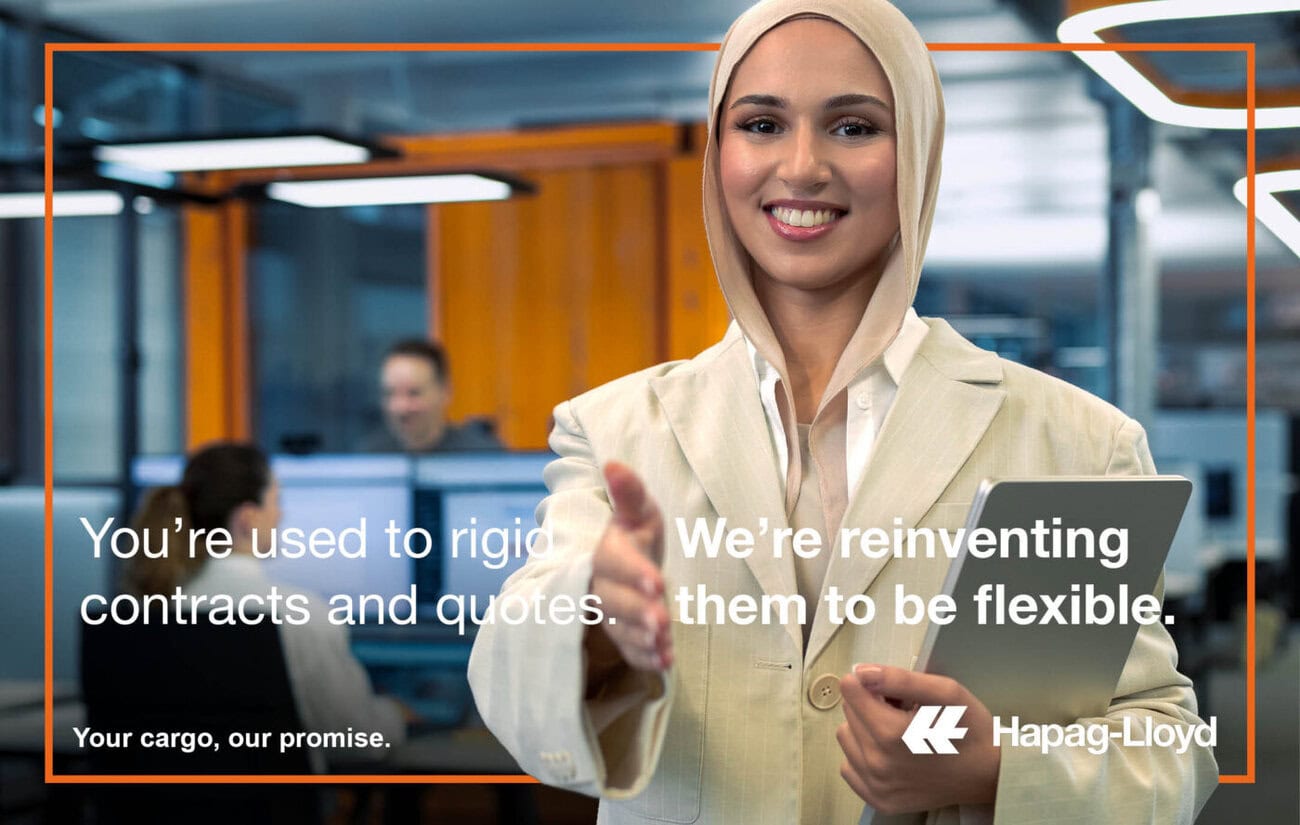
Hapag-Lloyd is opening a new chapter in its brand communication: Under the claim "Your cargo, our promise.", the company's global brand platform is placing its promise of quality at the center of a comprehensive communication strategy for the first time. The aim of the campaign developed by Serviceplan Group is to position Hapag-Lloyd as a preferred partner for new and existing customers and to further strengthen the company's role as a quality leader in the international shipping market.
The new platform combines strategic brand management with a clear, customer-oriented perspective: the focus is on the needs of customers and the responsibility that Hapag-Lloyd assumes for their container shipments across all aspects of shipping - from reliability to digital services. At the same time, the communication ties in with the company's specific quality initiatives and products, such as new partnerships, digital tracking services and sustainable shipping solutions.
Brand film with an emotional story
At the heart of the campaign is a brand film that uses a touching story of a father and his young daughter to focus on the company's five key areas of quality. In addition, several explanatory films, social media assets and digital landing pages were developed to present specific value propositions.
A special feature of the campaign is its authentic perspective: instead of using actors, Hapag-Lloyd deliberately relies on its own employees. They are the recurring protagonists of the communication and embody the company's high quality standards in everyday life.
Trust as the core of the brand
"Our industry thrives on trust. For our customers, every shipment means responsibility - and that's exactly what we stand for with our promise of quality," says Nils Haupt, Head of Corporate Communications at Hapag-Lloyd. "With the new brand platform, we are making this promise clearly visible and showing what Hapag-Lloyd stands for as a partner in global trade."
"Our aim was not to explain quality in technical terms, but to make it a human experience," says Mark Andree, Managing Director Serviceplan Berlin. "That's why the campaign tells a personal story that shows how much trust people place in their shipments. 'Your cargo, our promise' translates this trust into a clear, binding brand promise."
The campaign has already been launched and is being played out via Hapag-Lloyd's own channels, including the website, social media and YouTube.
Responsible at Hapag-Lloyd: Nils Haupt (Head of Corporate Communications). Responsible at Serviceplan Group: Strategy development by Creative Planning of Serviceplan Germany, concept and creation by Serviceplan Berlin, editorial content and texts by Serviceplan Public Relations & Content, Mark Andree (Managing Director Serviceplan Berlin). Direction and production: 27km. Photography: Thies Rätzke. Production support: Serviceplan Make. Website conception: Plan.Net (wireframes). SEO support: Mediaplus Performance.
]]>

At FC Zurich Women's home match against FC Lucerne in the AXA Women's Super League, the highest league in Swiss women's football, the players wore shirts with eye-catching sponsor logos. So far, so ordinary. The logos were professionally designed and placed on the right areas - but a closer look revealed the supposed brands: Night Shift. Extra Hours. Side/Job. Endless Work. Not real companies, but the reality of players who finance their professional sport on the side and are now wearing this on their jerseys for the first time.
The idea came from the creative agencies Serviceplan Suisse, Serviceplan Hamburg and Serviceplan Culture in close collaboration with FC Zurich and its women's soccer team. It is simple, precise - and at first glance it works exactly as sponsorship should: As an image you won't forget.
Sponsorship aesthetics as a weapon
The creative foundation of the campaign make-football-my-only-job.com is an alienation that is self-explanatory. The jersey logos look like real sponsors - because that's how they were designed and placed. Night Shift could be an energy drink brand. Side/Job sounds like a fintech startup. Endless Work sounds like a productivity tool. At second glance, the picture changes: these "brands" are fictitious, they describe the everyday life of female footballers who work (night) shifts after training to make their world-class performance on the pitch financially possible.
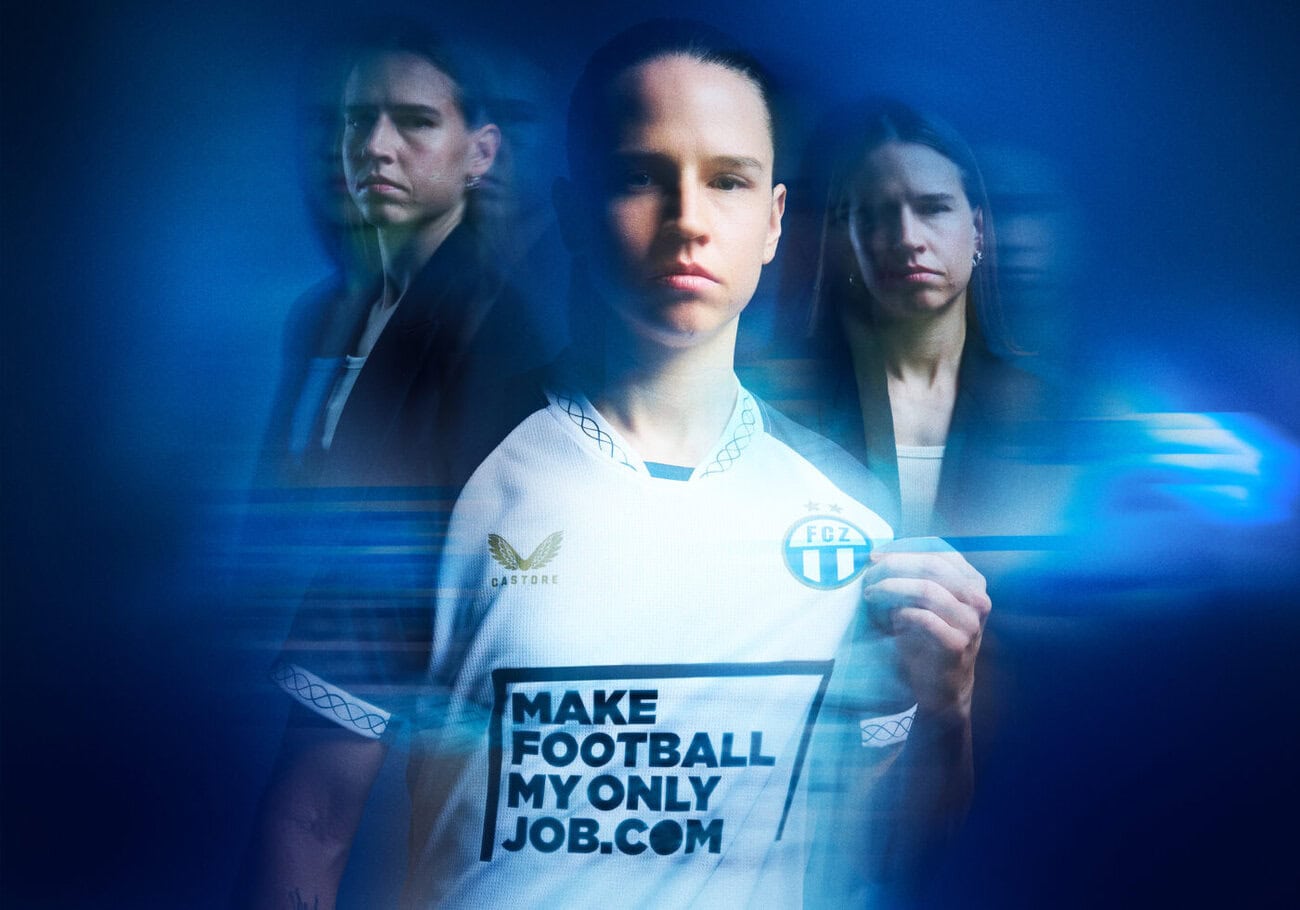
The effect is calculated: If you look from a distance, you see supposedly normal jersey sponsorship. Anyone who reads understands the structural problem. And if you put the two together, you have a story that you want to tell.
The figures behind the campaign
The figures behind the campaign are concrete: almost every player in the AXA Women's Super League does not earn enough money from her performance on the football pitch to focus fully on it. 7 out of 10 players in the league work 20 to 40 hours a week in a part-time job - often for less than 1,000 francs a month - while training up to 25 hours a week. The consequences are measurable: less sleep, shorter recovery times, limited cognitive availability for the things that make the difference between winning and losing in competitive sport.
The fictitious logos on the jersey translate these figures into a visual language that no diagram or economic analysis could achieve.
The picture that co-writes the article
The jersey promotion is embedded in a multi-stage campaign strategy: digital out-of-home (DOOH) motifs, traditional outdoor advertising around the stadium and social media ads will attract attention in the run-up to the match. On match day itself, the campaign is reinforced by perimeter advertising in the stadium and reaches its creative climax with the jerseys on the pitch.
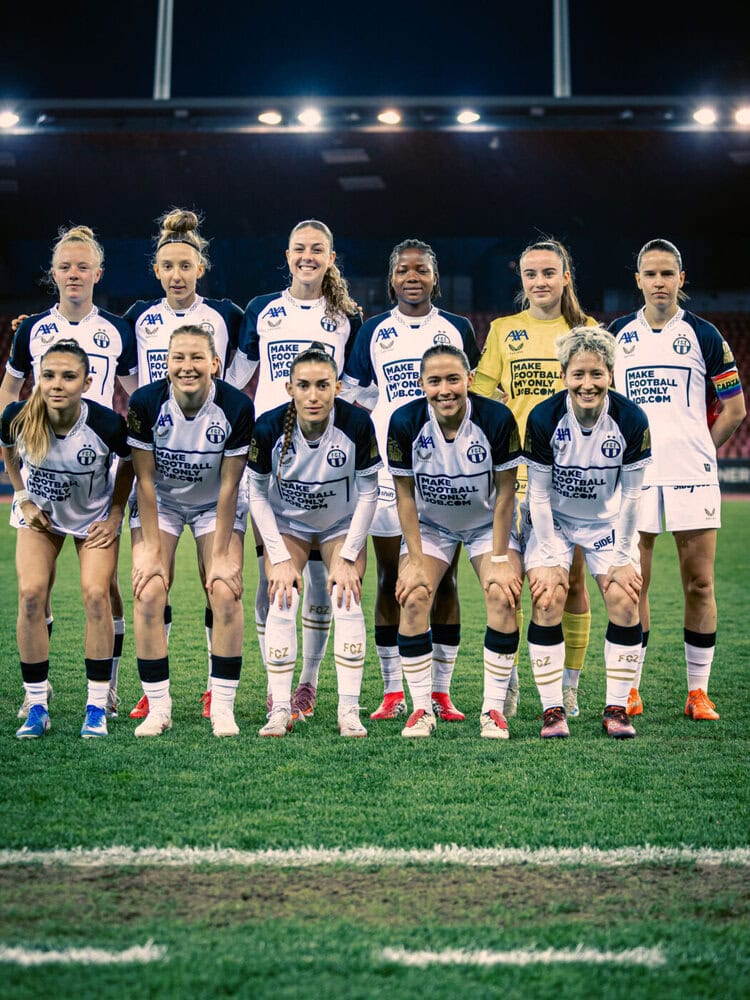
The accompanying microsite MakeFootballMyOnlyJob.com provides long-form content - personal insights and portraits of the players involved - and contains a direct call-to-action for potential sponsors who would like to support FC Zurich and women's football.
The argument to potential sponsors
"The crucial thing is that we haven't simply developed a campaign, but that we are reflecting reality. The jersey is not the solution - the jersey is the problem. And that's exactly why it's the solution. The logos are professionally designed because they are professional sportswomen, but they are under double pressure. What is written on the jersey is not a criticism. It's an invitation to all the brands that should actually be there," say Jakob Eckstein, Managing Director Creative at Serviceplan Hamburg, and Raul Serrat, Chief Creative Officer & Partner Serviceplan Suisse.
The growth potential of the field is documented: Women's football is booming. The UEFA Women's EURO is setting new spectator records from tournament to tournament. Those who enter today are occupying an area that will be competitive tomorrow. MakeFootballMyOnlyJob.com is not a classic awareness campaign. It is an argument in the language that attention understands best: the image.
About the initiative
MakeFootballMyOnlyJob.com is an initiative of FC Zurich Women in collaboration with the Serviceplan Group. It is aimed at sponsors, associations and media partners with the aim of establishing professional structures in women's football as the standard - not the exception.
Responsible at Serviceplan Suisse: Concept & Creation, Responsible at Serviceplan Hamburg: Design & Creation, Responsible at Serviceplan Culture: Brand & Culture PR, Client: FC Zurich
]]>