Der globale Tourismus boomt wie nie zuvor, doch wer glaubt, mit glänzenden Postkartenmotiven und austauschbaren Werbespots im Rennen um die Gunst von morgen noch zu bestehen, verkennt die Zeichen der Zeit. Eine neue, in Zusammenarbeit von TOURISE und LIONS Advisory veröffentlichte globale Studie mit dem Titel «Ideas that Travel» blickt tief hinter die Kulissen der Cannes Lions und seziert den Zustand der internationalen Tourismusbranche. Die Botschaft der Autoren und Branchenschwergewichte ist unmissverständlich: Wir erleben eine Zeitenwende, in der klassische Destination-Promotion ausgedient hat.
Besonders für die Schweiz fällt dieser Befund in eine historische Zäsur. Nach fünf äusserst erfolgreichen Jahren geht eine goldene Epoche zu Ende – die Zusammenarbeit mit dem globalen Aufmerksamkeitsgaranten Roger Federer ist beendet.
Was bleibt, ist eine glänzende Ausgangslage, unterstrichen durch Meilensteine wie den YouTube-Gold-Button für über eine Million Abonnenten. Doch die Post-Federer-Ära verlangt nach neuen Antworten. Die Studie zeigt auf, dass der künftige Erfolg nicht mehr von isolierten Kampagnen abhängt, sondern von agilen, kulturell verankerten Systemen, die flexibel auf den Puls der Zeit reagieren und kulturell stark verankert sind.
Das Ende der Beliebigkeit: Wenn Experten Klartext reden
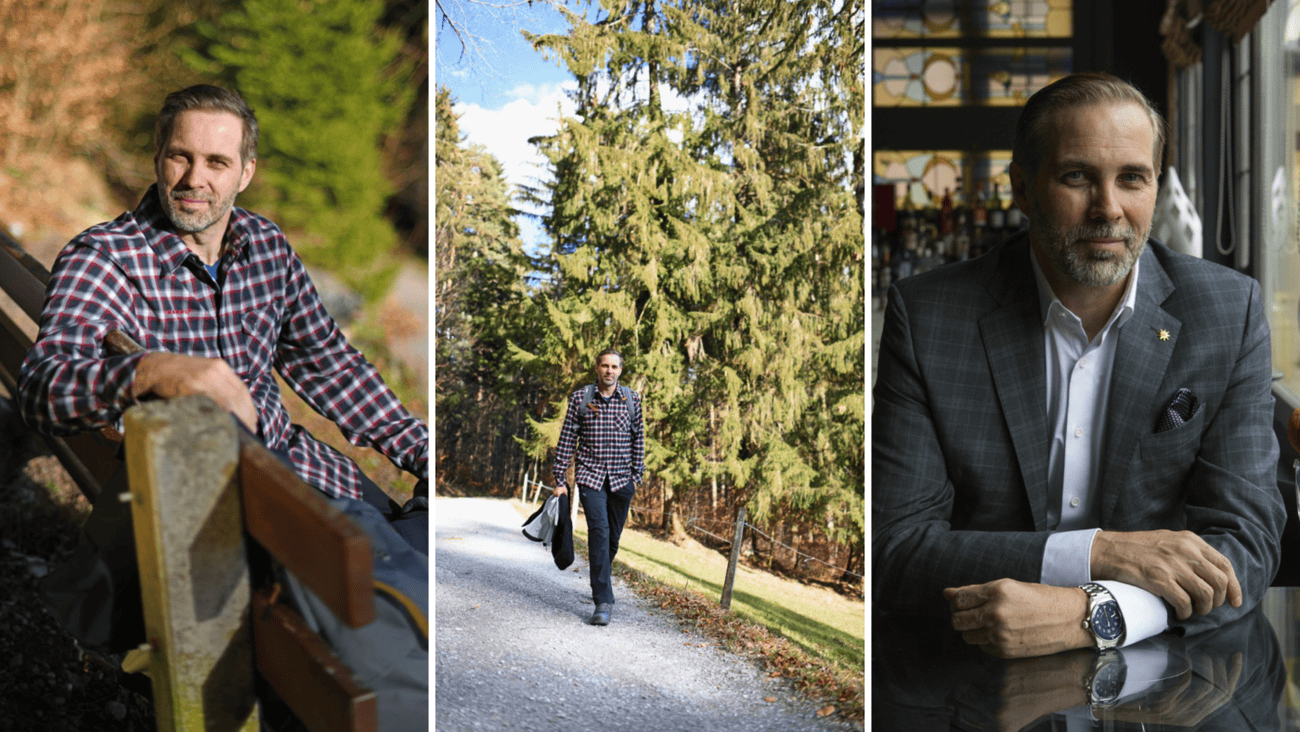
Der globale Report untermauert den Handlungsbedarf mit harten Zahlen. So geben 60 Prozent der befragten Reisenden an, dass sich Tourismus-Ads stark ähneln, während 43 Prozent verschiedene Marken kaum noch voneinander unterscheiden können. Ein vernichtendes Zeugnis für den «Sea of Sameness», den auch Martin Nydegger, CEO von Switzerland Tourism, im Rahmen der Studie kritisiert:
«Wir leiden immer noch darunter, hübsch sein zu wollen und eine perfekte Welt zu zeigen… Wenn wir ehrlich sind, könnte man bei vielen Werbespots die Logos austauschen, und die Kunden würden es nicht einmal merken.» — Martin Nydegger, CEO Switzerland Tourism
Hier schliesst David Droga, Vice Chair von Accenture und einer der am häufigsten ausgezeichneten Kreativköpfe der Werbehistoriografie, nahtlos an und verleiht der Debatte eine radikale Dringlichkeit. Social Media habe das Spiel so drastisch verändert, dass die offizielle Tourismuswerbung schlicht abgehängt worden sei. Der Sektor müsse sein kreatives Niveau massiv anheben. Droga fordert eine kompromisslose Fokussierung auf das Eigene: Marken müssten sich intensiv mit ihrer echten Einzigartigkeit auseinandersetzen und verstehen, wie diese mit den Sehnsüchten der Menschen im wirklichen Leben korreliert. Statt für alle alles sein zu wollen, brauche es messerscharfe Positionierung und erzählerische Tiefe.
Wer als Destination überleben will, darf laut Droga nicht länger versuchen, gefällig zu sein, sondern muss radikal an der eigenen DNA anknüpfen:
«What’s unique about your destination, your culture? Get into that uniqueness and how it connects to what people are looking for in their lives. That’s the way to create something memorable.» — David Droga, Vice Chair, Accenture

Agilität, Kultur und der Beat des Augenblicks
Genau an diesem Punkt zeigt sich, warum starre, monatelang vorgeplante Kampagnenstrukturen ins Leere laufen. Die Kultur des Reisens wird heute in Echtzeit verhandelt. Dass Kreativität und agile Reaktionsfähigkeit Hand in Hand gehen müssen, beweist nicht zuletzt das Schweizer Marketing-Masterclass-Beispiel von Nestlé mit dem gefeierten «KitKat Heist», der bei den Cannes Lions 2026 international abgeräumt und den Grand Prix geholt hat. Es sind solche Geistesblitze und mutigen Interventionen, die zeigen, wie Marken im globalen Strom mitschwimmen, indem sie kulturelle Relevanz über starre Media-Pläne stellen.
Die Stimmen aus den Plattform-Ökosystemen im Report spiegeln diesen Wandel wider. Caspar Lee, Co-Founder und CVO von Influencer.com, betont, dass man das Publikum heute täglich aufs Neue mit frischen Ideen fesseln muss, da Algorithmen gnadenlos nur das Interessanteste servieren.
«You have to come up with new ways to engage audiences every day. They’re used to very high-quality content on TikTok and Instagram. The algorithm only serves them interesting stuff, so brands have to be equally interesting.» — Caspar Lee, Co-founder and CVO, Influencer.com
Joanne Chehab von ByteDance und TikTok unterstreicht, dass die Reise längst im Kopf und im virtuellen Raum beginnt, bevor der Koffer gepackt wird. Die grösste Chance liege darin, von einer einseitigen Broadcast-Kommunikation in einen echten Dialog zu treten, der nahbar bleibt und Emotionen von echten Menschen und Reisenden transportiert.
«The biggest shift is that people are travelling before they travel: The first journey is virtual, the second is physical. The next wave of tourism will belong to those who master the full journey.» — Joanne Chehab, Head of MENA Global Business Solutions, ByteDance / TikTok
Ergänzend dazu erinnert Christie Travers-Smith von Google daran, dass die Frage des Vertrauens das absolute Fundament bildet. Bricht die Glaubwürdigkeit im digitalen Funnel von der ersten Inspiration bis zum Klick ein, kollabiert das gesamte System.
«Die Frage des Vertrauens ist fundamental. Wenn Reisende nicht glauben können, was sie sehen, bricht der gesamte digitale Reisefunnel – von der Inspiration bis zur Buchung – zusammen.» — Christie Travers-Smith, Director of EMEA Strategic Partnerships, Google
Vom Prospekt zum lebendigen Ökosystem: Das IDEAS-Playbook
Um diesen Herausforderungen zu begegnen, liefert der Report das sogenannte IDEAS-Framework als strategischen Kompass. Es verlangt von Tourismusmarken Investitionen in eine nachhaltige Präsenz, die Schärfung echter Unverwechselbarkeit, hochemotionales Storytelling für echtes Engagement, kompromisslose Authentizität sowie eine nahtlose Verzahnung von menschlicher Relevanz und maschinenlesbarer Präsenz für KI-Agenten.
Am Ende schliesst sich der Kreis zur Schweiz und ihrer Vorreiterrolle auf Plattformen wie YouTube, wo Martin Nydegger und sein Team den Anspruch pflegen, nicht nur unter den Top 3, sondern die unangefochtene Nummer 1 unter den nationalen Tourismusorganisationen zu sein. Die Epoche der grossen, reinen Testimonial-Schauen mag vorüber sein, doch die Zukunft gehört jenen, die Kultur verstehen, agil agieren und den Mut haben, die Sehnsucht der Menschen in echte, unvergessliche Erlebnisse zu übersetzen.
m&k-Service: Das IDEAS-Playbook für die Praxis
Als konkreter, umfassender Fahrplan für Tourismusverantwortliche fasst das im Report entworfene Framework die fünf zentralen Hebel für künftige Wirksamkeit zusammen. Es dient als strategischer Leitfaden, um die Transformation von klassischer Destination-Promotion hin zu integrierten Erfahrungssystemen erfolgreich zu meistern:
-
Investment – Nachhaltige Sichtbarkeit sichern: Die Studie zeigt, dass die Tourismusbranche nach wie vor mit einer erheblichen Investitionslücke kämpft. Um das historische Share-of-Voice-Niveau wiederzuerlangen, müssen Marken gezielt dort präsent sein, wo die Intentionsbildung stattfindet. Das bedeutet konkret: Budgets müssen von klassischer Print- und Linearwerbung stärker dorthin verlagert werden, wo moderne Entdeckung stattfindet – in Social-, Creator-, Video- und Unterhaltungsumgebungen.
-
Distinctiveness – Unverwechselbarkeit als Markenzeichen: Angesichts eines Marktes, in dem sich Werbebotschaften stark ähneln, ist Differenzierung überlebenswichtig. Statt genereller Postkartenmotive und austauschbarer Versprechen müssen Tourismusmarken scharfe, wiedererkennbare Identitäten aufbauen, die eng mit der kulturellen Identität und spezifischen Erlebnissen verknüpft sind, um im Gedächtnis zu bleiben.
-
Engagement – Vom Broadcast zum kulturellen Dialog: Passive Werbeformen verlieren an Zugkraft. Gefragt ist emotionales, tiefgreifendes Storytelling, das von den Zielgruppen aktiv wahrgenommen, gefühlt und geteilt wird. Der Schlüssel liegt darin, Inhalte zu schaffen, die echten kulturellen Buzz erzeugen und Communities über verschiedene Kanäle hinweg einbinden.
-
Authenticity – Glaubwürdigkeit als Wachstumsfaktor: Das im Marketing geschaffene Versprechen muss sich nahtlos mit der Realität vor Ort decken. Da Reisende zunehmend auf Bewertungen, Creator-Perspektiven und authentische Berichte vertrauen, wird Glaubwürdigkeit zu einem der wichtigsten ökonomischen Treiber für die langfristige Reputation und Buchungswahrscheinlichkeit.
-
Seamlessness – Die Dualität von Mensch und KI: In einer zunehmend KI-gesteuerten Customer Journey müssen Tourismusmarken zweigleisig denken und agieren. Einerseits gilt es, für Menschen emotional berührende, reibungslose Erlebnisse über alle Berührungspunkte hinweg zu schaffen. Andrerseits müssen Kerninformationen – wie Infrastruktur, Angebote und Verfügbarkeiten – für automatisierte KI-Agenten und Large Language Models (LLMs) strukturiert, maschinenlesbar und transparent aufbereitet sein, um in Empfehlungsalgorithmen optimal zu ranken.
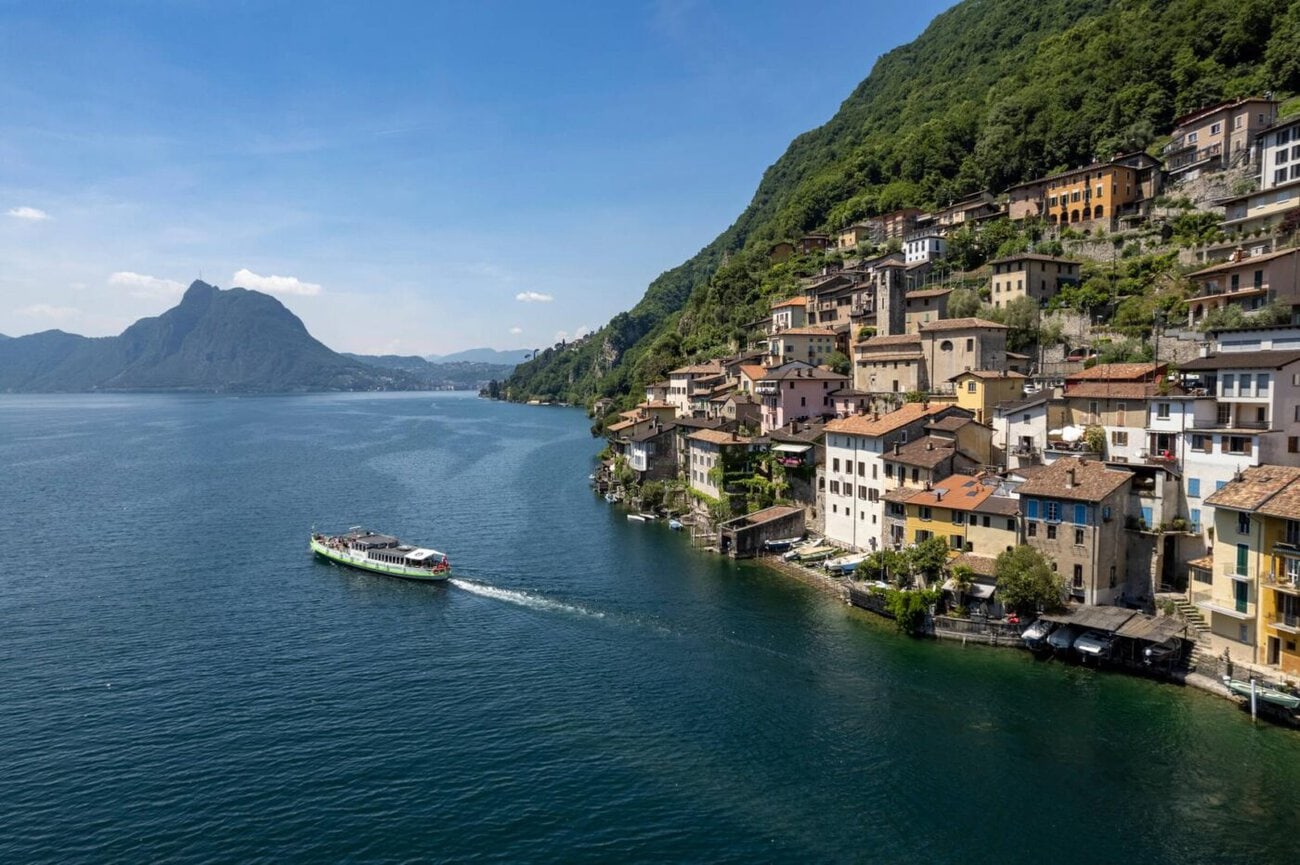
Primcom, a PR agency specializing in the tourism sector, is further expanding its market position in Switzerland as a vacation destination. With Primcom Lugano Region, another Swiss destination has been added to the agency’s portfolio, which already includes Engelberg-Titlis, Made in Bern, Pontresina, Rigi, Silvaplana, and Zug Tourism, among others.
Primcom Takes Over Communications for the Lugano Region
The PR agency Primus Communications GmbH, or Primcom for short, has expanded its portfolio to include another Swiss vacation region: Primcom is now supporting the Lugano Region team with communications in German-speaking Switzerland and southern Germany. Lugano Region is responsible for promoting and marketing the tourism offerings of the Lugano region, which includes not only Lugano itself but also the regions of Capriasca, Ceresio, Malcantone, and Vedeggio.
«As a public institution, Lugano Region—the regional tourism organization for the greater Lugano area—has put the PR contract for the Lugano region out to bid again. We look forward to working with Primcom in Zurich and Berlin over the next four years,» says Mattia Bertoli, deputy director and interim director. «The domestic market, which ranks first in terms of the number of overnight stays, remains a priority for us and requires a sustained commitment to communication.»
Cooperation Between Zurich and Berlin
«We, too, are very pleased to be able to support the Lugano Region effective immediately and to bring even more media attention to this beautiful region,» says Stephanie Günzler, a consultant at Primcom in Zurich, who is managing the account together with Nina Aryapour of Primcom Germany.
According to its own information, the Lugano Region, with a team of more than 50 employees, is responsible for promoting and marketing the Lugano region’s tourism offerings, developing ad hoc regional products for visitors, providing support and information to tourists, maintaining the region’s network of hiking and mountain biking trails, financing events, and administering the visitor’s tax.
Primus Communications GmbH has been operating in the Swiss market since 2005. In 2012, Primcom opened a branch in Vienna, followed by another in Berlin in 2015. According to the agency, it offers its clients a full range of services in the areas of internal and external communications with a focus on the travel industry—from comprehensive PR consulting and marketing support to corporate communications.
For more information about Primcom, visit https://www.primcom.com.
]]>
Claudio Zemp Takes Over Switzerland Tourism's Most Important International Market
Switzerland Tourism (ST) has appointed Claudio Zemp as its new Market Director for Germany. Zemp will assume his new role on September 1, 2026, and will be based in Frankfurt, where he will be responsible for the strategic marketing of Switzerland in the organization’s most important international market. He succeeds Jörg Peter Krebs, who returned to ST headquarters in Zurich in May to assume the newly created position of Head of Transformation.
A tourism professional with more than 15 years of ST experience
Zemp brings extensive expertise in tourism as well as in-depth knowledge of international markets. He has been with Switzerland Tourism for more than 15 years: For the past seven years, he served as Market Group Leader for the Americas and, based in New York, was responsible for Switzerland Tourism’s activities across the entire North and South American continents. Prior to that, he spent four years as Market Manager for India in Mumbai. He joined Switzerland Tourism as Manager for the UK and Ireland at the Switzerland Convention & Incentive Bureau, based in London.
Before joining ST, the Glarus native had gained extensive knowledge of the tourism industry over the course of 18 years through various professional positions at travel companies in Switzerland, the United States, New Zealand, and England.
Germany: A Strategic Priority for Claudio Zemp and Switzerland Tourism
In Germany, Zemp will lead a team of 15 people, divided between offices in Frankfurt and Berlin. Germany has traditionally been considered the largest foreign market for Swiss tourism and is therefore a high strategic priority for ST.
Simon Bosshart, ST’s Chief Markets Officer for Eastern Europe in Zurich and a member of ST’s Executive Board, explains: «With Claudio, we are gaining a proven expert who will further develop the German market with his experience, vision, and keen understanding of our target audiences.»
Claudio Zemp himself had this to say about his new role: «I am extremely excited about this new challenge. Germany is a dynamic market with great potential for Switzerland. Together with our partners, I would like to further develop our market strategy in a targeted manner, reach new target groups, and further establish Switzerland as the preferred travel destination for German guests.»
Switzerland Tourism is represented worldwide by approximately 280 employees in 21 markets and has one of the highest self-financing ratios among national tourism marketing organizations worldwide.
Learn more about Switzerland Tourism's activities and strategy: https://www.myswitzerland.com
]]>
When «Maybe» Turns Into «Why Not?»
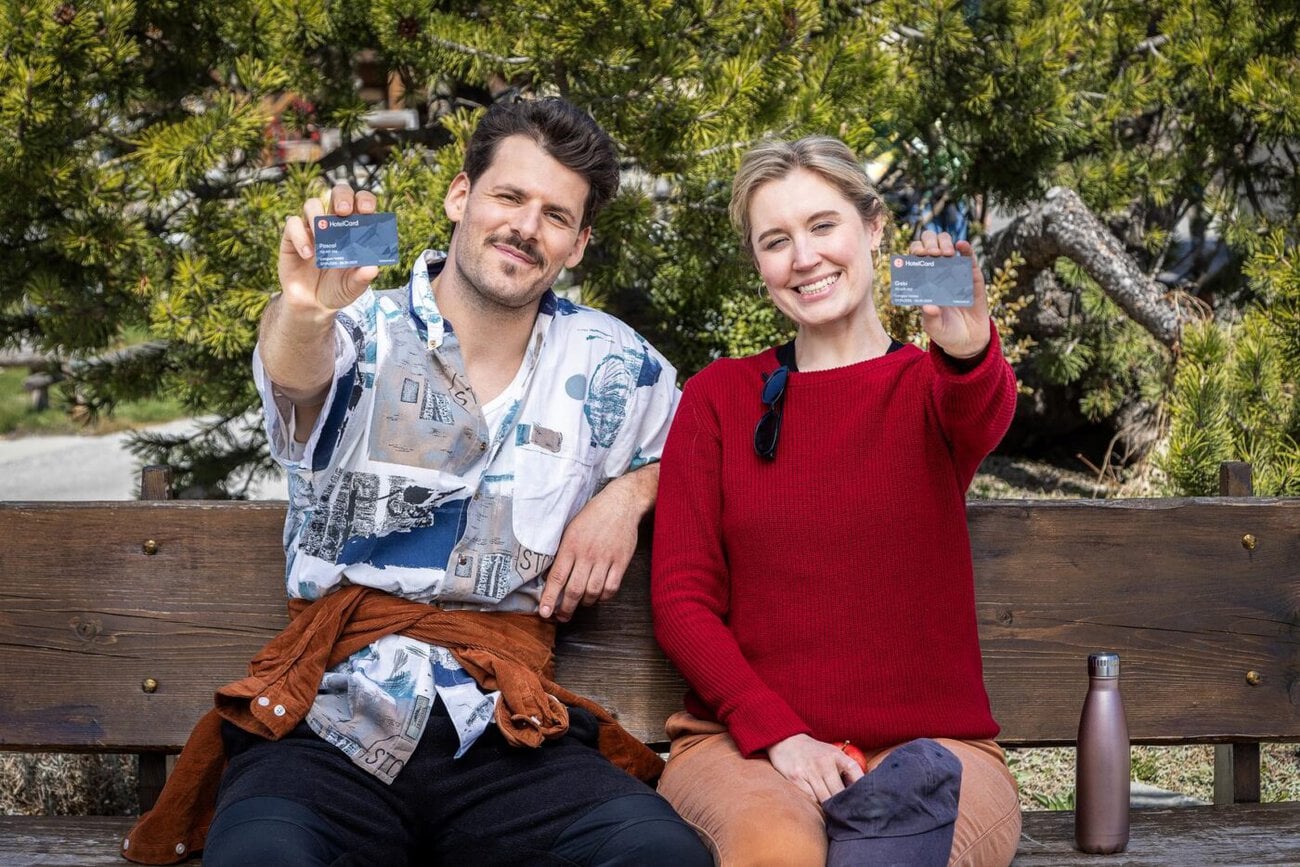
HotelCard, the «Halbtax» for hotels, is launching a new campaign in collaboration with the creative agency alpstudios. The HotelCard campaign is titled “Why Not?” and focuses on spontaneous getaways. It highlights those everyday moments when a fleeting idea suddenly turns into a concrete plan—and the desire for a little break becomes a real experience.
It all starts with situations many of us are familiar with: looking forward to the upcoming weekend, talking about a change of scenery, the desire for some wellness, good food, or a day of hiking in the mountains. Often, such thoughts remain just that—thoughts. But what happens when a hotel stay suddenly costs only half as much? This is exactly where «Why not?» comes in. The campaign capitalizes on the moment when the usual hesitation gives way to a spontaneous «Why not?» instead of a «Maybe.».
The HotelCard's price advantage isn't presented as a discount, but rather as a catalyst for decisions that one might not otherwise have treated oneself to.
Pascal and Gabi as the new brand ambassadors
This idea is embodied by the new brand ambassadors, Pascal and Gabi. The charming Swiss couple finds themselves in situations that many people can relate to—and when asked whether they should treat themselves to that little break, the nicer room, or a spontaneous overnight stay, they always come up with the same answer: «Why not?»
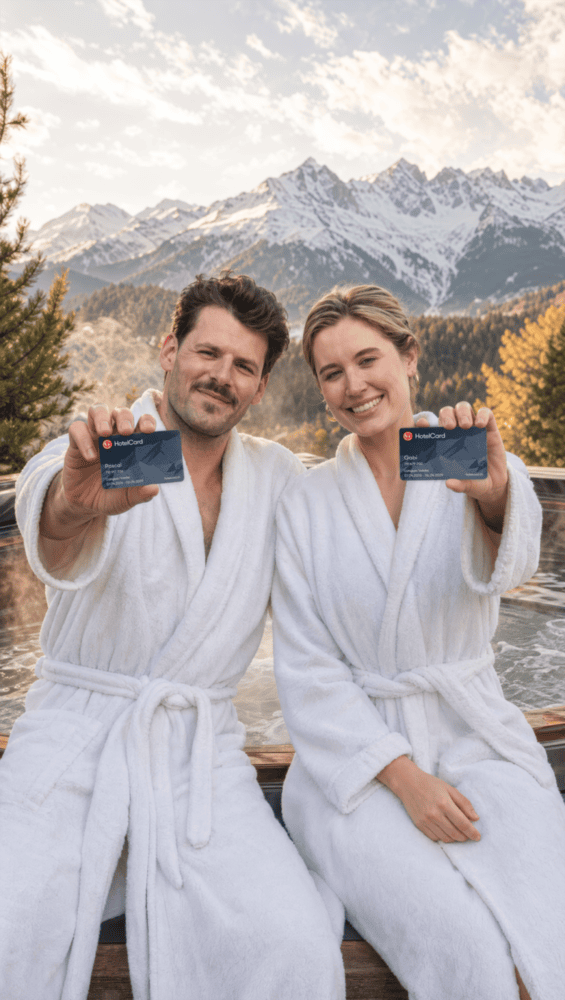
The HotelCard campaign was filmed at the Maiensässhotel Guarda Val in Lenzerheide. The setting symbolizes what the campaign aims to convey: Swiss hospitality, authentic experiences, and the chance to easily escape the daily grind for a moment.
From strategy to production: alpstudios is in charge
The campaign was conceived and executed by the creative agency alpstudios in Cham. The agency was responsible for the entire process, from the strategic concept through the creative development to production. «We were fascinated by the simplicity of the idea. That’s exactly why it works so well. It reminds us that sometimes all it takes is a single decision to turn a spontaneous idea into a wonderful experience,» says Kerim Alp, Art Director at alpstudios.
The campaign will be rolled out across multiple channels and will include social media content, digital advertising materials, and various video formats. The goal is to inspire people to stop putting off spontaneous ideas—and instead act on them with a simple «Why not?».
Learn more about HotelCard and its offerings at https://www.hotelcard.com.
Person in charge at HotelCard: Aline Niggli (Media Contact) Contact person at alpstudios: Kerim Alp, Art Director
]]>
Gemmi Website: A Plateau as a Destination in Its Own Right
The Gemmi, the plateau at 2,350 meters above Leukerbad, has launched a new website. The Winterthur-based agency Partner & Partner was responsible for the concept, design, and implementation of the platform—with the goal of bringing the alpine destination’s diversity to life and clearly positioning it as a distinct destination in the digital space.
Gemmi Holding, with Roger Büchel as Chairman of the Board, is driving the strategic development of the plateau—respecting what already exists while also bringing new ideas to the table. The plateau is just a few minutes away by cable car from Leukerbad or can be reached on foot via the spectacular historic Gemmi Trail.

Hiking, Climbing, and Bearded Vultures—What’s on Offer Clearly Communicated
The new website provides direct access to the wide range of activities offered by the Gemmi: hiking, climbing, bearded vulture watching, hotel packages with spa facilities, as well as seminars and retreats in a high-Alpine setting. A clearly structured navigation system ensures that visitors can find what they’re looking for quickly and easily. The site’s content and structure reinforce the Gemmi’s positioning as a high plateau in the Swiss Alps.
Generous visuals define the site’s design and convey the plateau’s striking landscape and atmosphere. The focus is on a clear user experience and language tailored to the target audience. The platform integrates live weather data and features a built-in booking tool for the hotel.
Subtle Branding as the Foundation of Gemmi's New Website
In parallel with the development of the website, Partner & Partner also carefully refined Gemmi’s branding. Building on the few existing elements, they created a clear and consistent visual foundation that, for the first time, enables the destination to communicate in a unified manner.
]]>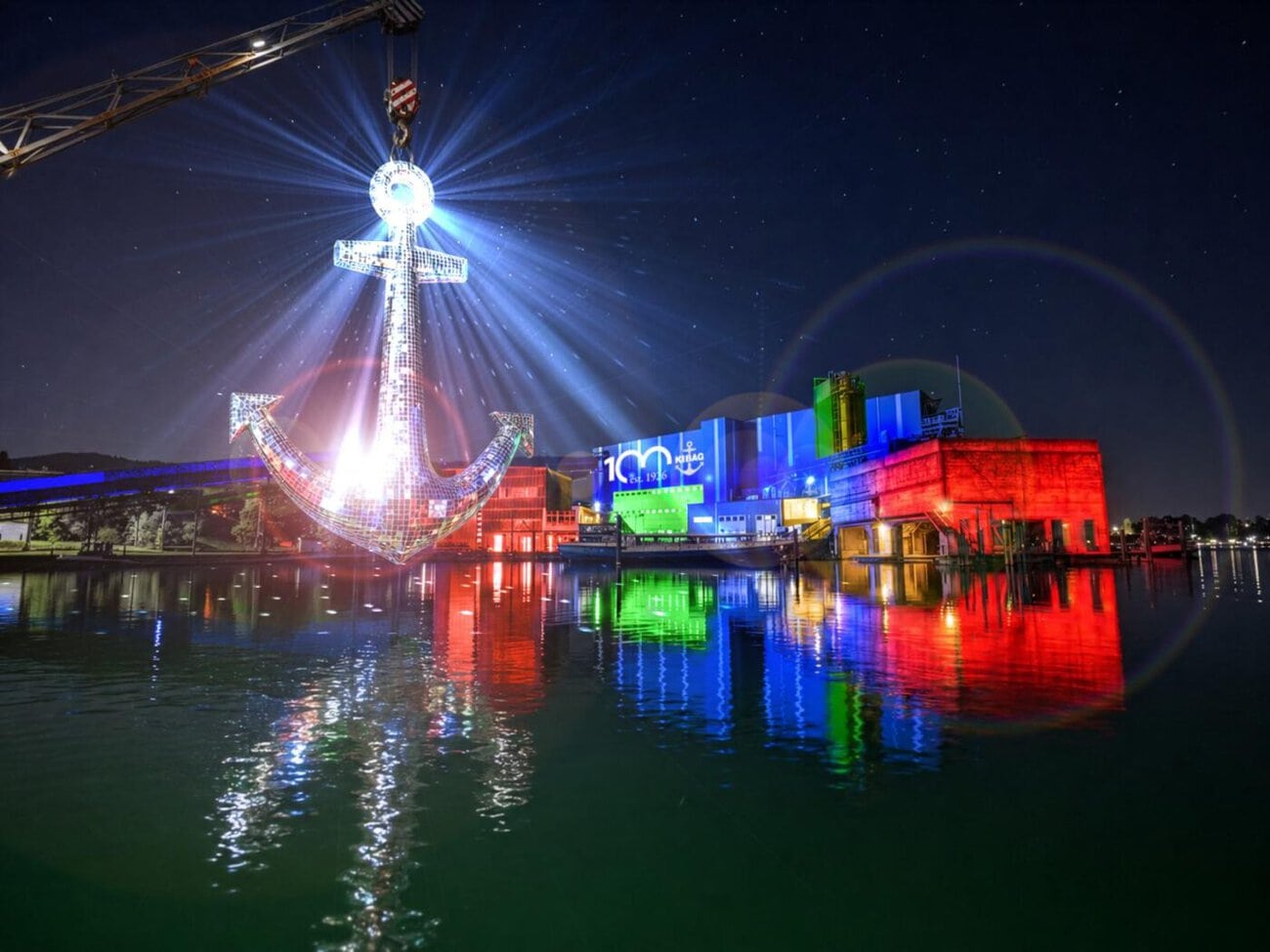
A century of gravel extraction and dredging, a museum island on Lake Zurich, and a 15-meter-high anchor made of mirrors: Aroma is staging the KIBAG anniversary as a multifaceted celebration. The Zurich-based creative agency is taking overall responsibility—from concept and scenography to event execution. On Sunday, June 14, 2026, KIBAG will open the approximately 20,000 m² festival grounds in Nuolen, SZ, to the general public.
The Birthplace of KIBAG—Open to the Public for the First Time
The history of KIBAG begins on the island of Bätzimatt in Lake Zurich—a private historic site that the company has preserved for decades. The island is home to the original founding shipyard: a workshop with a wheelwright’s shop and a blacksmith’s forge, where leather boats, dredgers, and company equipment were maintained until 1971. As part of the anniversary celebrations, this historic site is now being opened to the general public for the first time. Visitors can explore the island and its history by boat from Nuolen every half hour.
A World of Experiences on Land and Water at the KIBAG Anniversary Celebration
Through June 14, Nuolener Bay will host an interactive experience that showcases the essence of KIBAG. At Skillspark, children of all ages can operate excavators or wheel loaders themselves, control pipe-laying robots, and try out other attractions. A walkable, floating pier leads past a 20-meter-high waterfall across the bay, where pedal boats invite guests to take a ride. In the central plaza stands the Employee Tower, whose observation deck offers a panoramic view of the bay created by KIBAG—complete with its own lagoon—as well as the mini-golf course built specifically for the anniversary in the shape of the KIBAG logo.
The gravel washing and loading facility, which covers approximately 1,000 m², will open its doors to the anniversary celebration audience for a one-time event, offering an immersive journey through 100 years of KIBAG’s success story.
The Anchor—the centerpiece of the anniversary
The true centerpiece of the event is the disco mirror anchor: 15 meters high, produced specifically for this anniversary, and, according to the company, the largest of its kind in the world. The anchor also serves as KIBAG’s logo, making it a visible symbol of the celebration.
Michael Hollstein, Creative Director at Aroma, describes the conceptual approach as follows: «KIBAG’s roots lie in Lake Zurich. It’s no coincidence that the slogan is: KIBAG – For Good Reason. And that’s exactly how we’re celebrating this milestone anniversary: on water, on land, and in the air. A celebration for everyone, a celebration centered on shared experiences.»
Three events—one open house
In addition to an event for customers and suppliers and a full day for employees and their families, the anniversary program also includes an open house: On Sunday, June 14, 2026, from 10 a.m. to 4 p.m., KIBAG will open the festival grounds in Nuolen, SZ, to anyone interested. The venue is accessible by public transportation; a shuttle service will run from the Siebnen-Wangen train station. More than 7,000 people are expected to attend over the three days of the event.
For more information about Aroma, visit https://www.aroma.ch.
Responsible at Aroma: Michael Hollstein, Creative Director
]]>
Zermatt Tourism's Summer Campaign Focuses on Closeness Rather Than Wanderlust
In light of geopolitical uncertainties and a volatile travel market, Zermatt Tourism is deliberately focusing its 2026 summer campaign on the Swiss market. This national campaign is specifically aimed at Swiss residents and invites them to spend their summer vacations in their own country—in one of Switzerland’s most striking and diverse mountain destinations. The Statue of Liberty in New York, the Eiffel Tower in Paris, the Burj Al Arab in Dubai, the beaches of the Maldives—they can all wait.
The shadow of the Matterhorn as a visual motif
The campaign centers on the Matterhorn, Switzerland’s iconic landmark. The visual concept plays on its symbolic power: The Matterhorn «casts everything in its shadow»—both literally and figuratively. Eye-catching visuals depict world-famous places and landmarks overlaid with the Matterhorn’s distinctive shadow. The visual concept is deliberately minimalist and striking, making its impact without any explanatory text—the visual experience is clearly the main focus.
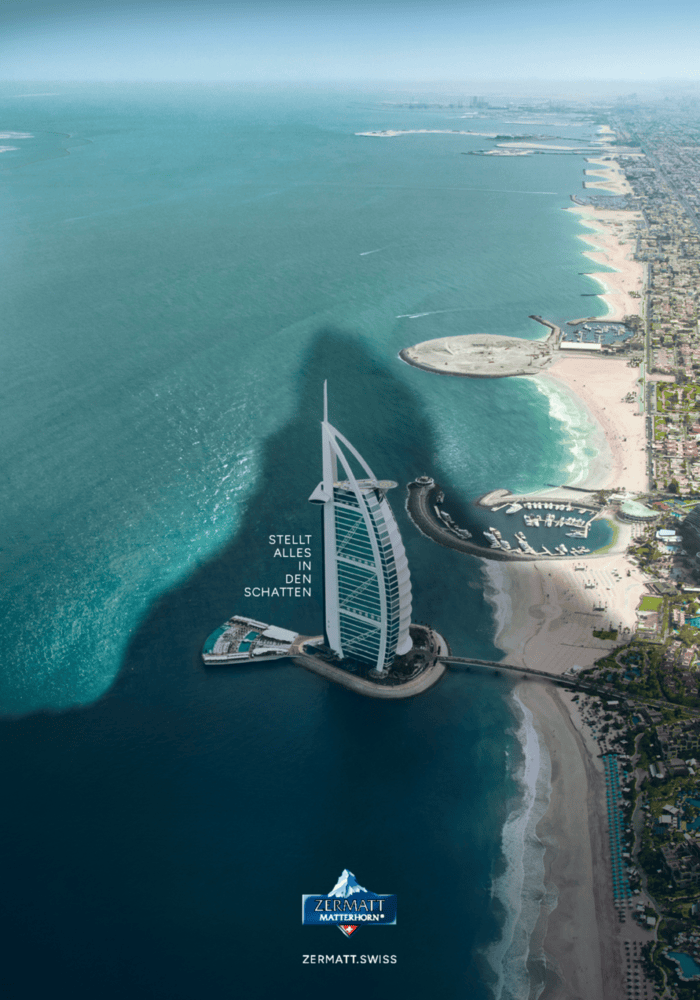
The underlying creative concept was developed by the Basel-based advertising agency Kreisvier Communications and follows a clear communicative approach: the less that is explained, the more powerful the image becomes. The shadow of the Matterhorn serves as the unifying element—a symbol of uniqueness, recognizability, and Alpine quality.
Alpine Strengths as a Response to Planning Uncertainties
The goal of the campaign is to position Zermatt as an attractive, safe, and high-quality alternative to international travel destinations. At a time when many travelers are rethinking their vacation plans, Zermatt is focusing on its core strengths: alpine scenery, fresh mountain air, first-class infrastructure, a wide range of outdoor activities, and a high degree of planning certainty. According to the press release, summer in Zermatt stands for relaxation, adventure, and enjoying nature—without a long journey and without any uncertainties.
In terms of content, Zermatt Tourism is deliberately focusing on summer as a travel season. Hiking, biking, mountain rail experiences, culinary delights, cool temperatures, and stunning natural scenery define the summer offerings. At the same time, the destination positions itself as a place of tranquility and mindful experiences—a counterpoint to overcrowded hotspots and hectic long-haul destinations.
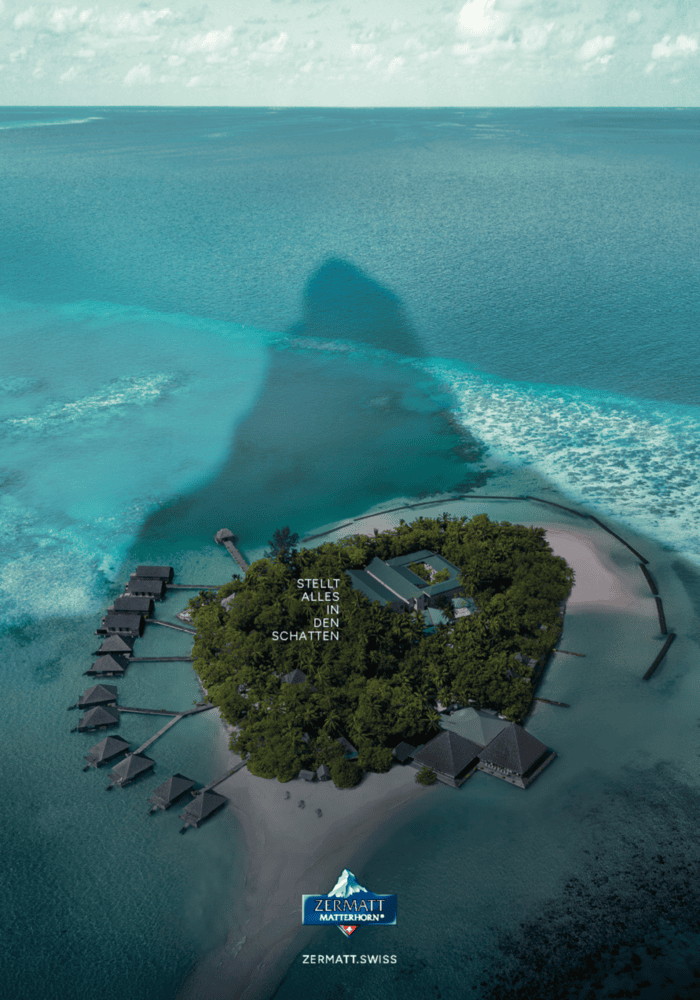
Focus on Posters and Digital Out-of-Home Media
The campaign will be rolled out primarily nationwide, but also in neighboring markets. At its heart are several key visuals designed to attract attention on posters and digital out-of-home displays. With this campaign, Zermatt Tourism aims not only to increase visibility but also to spark conversation. Tourism Director Daniel Luggen says: «Zermatt Tourism is proactively addressing the changing market conditions and, with this playful campaign, wants to highlight that the good things in life are so close by—especially right now.»
Responsible at Zermatt Tourism: Daniel Luggen, Festival Director; David Taugwalder, Head of Cultural Programs & PR/Communications. Creation: Kreisvier Communications, Basel.
]]>
The summer campaign «Engadin Samnaun Val Müstair» follows the successful winter campaign “Three Valleys. Three Faces,” the vacation region’s next signature campaign—and it’s a real showstopper: Set against the backdrop of the National Park, the Inn River, and mountain villages, the summer of 2026 will become a laboratory for immersive vacation experiences.
Field research instead of glossy advertising
The campaign deliberately uses scientific terms as creative stylistic devices. From «natural concentrate» to «field research in the mountains»—sometimes surprisingly direct, sometimes with a subtle wink. The basic idea behind it is clear: the Engadin Samnaun Val Müstair vacation region should not come across as just another interchangeable vacation product, but rather as a place you simply have to experience for yourself. Mineral water straight from the spring instead of detox promises. Hiking trails that sound more like freedom than a fitness program.
Zoe Dürr, the region’s marketing manager, sums up the concept: «We didn’t want to do traditional summer advertising with generic mountain images. The Lower Engadine has character. The campaign embodies precisely this intense and authentic feeling.»
Nature in High Doses – Powerful Images, Minimalist Language
The visual style of the Engadin Samnaun summer campaign combines striking nature shots with short headlines and a deliberately minimalist design. The campaign copy is used sparingly—which enhances the impact of the visuals. Whitewater, sweeping views, and mineral springs take center stage, conveying why summer in this region is meant to feel more intense than anywhere else.
From inspiration straight to the experience
The campaign leads from eye-catching visuals directly to specific summer offers and experiences. On the landing page, guests will find inspiration, bookable offers, and tips for active and enjoyable summer days in the region. The content ranges from whitewater adventures and family activities to cultural discoveries in the Engadin villages.
The conclusion reached by those in charge is already clear: the Lower Engadine, Samnaun, and Val Müstair are making an impact—and, according to the press release, this impact will last well beyond the vacation season.
For more information about the region and summer activities, visit: https://www.engadin.com
Person in charge at Engadin Samnaun Val Müstair: Zoe Dürr, Marketing Manager
]]>
In early April 2026, the second Funifor cable car between Birg and the Schilthorn opened—marking the successful completion of the multi-year SCHILTHORNBAHN 20XX expansion project. According to the company, the project also included the world’s steepest cable car. To mark this milestone, the Schilthornbahn launched a new brand identity for the Schilthorn, developed by Stämpfli Kommunikation and the Biel-based copywriting agency textatelier.ch. At its heart is the tagline «Legendary Moments.».
«Legendary Moments» as the brand's core value
The Schilthorn combines nature, history, and technology: spectacular views of the Eiger, Mönch, and Jungfrau; the first revolving restaurant in the Alps; a unique cable car system; and its history as a filming location for the James Bond classic *On Her Majesty’s Secret Service*. Visitors experience legendary moments there and, at the same time, become part of history. The new brand identity captures exactly that.
Christoph Egger, director of the Schilthornbahn, is pleased with the result: «It perfectly showcases our unique mountain landscape and makes the intense moments you can experience on the Schilthorn both visible and tangible.»
From Magenta to a Distinctive Color System
Working closely together, the project teams collaborated with the Schilthornbahn to develop the brand foundation, including a messaging framework, brand claim, target audience definition, and visual identity. «The goal was to create a brand universe that was emotionally resonant and universally understood,» explains Beatrix Imhof, strategic consultant and co-agency director at Stämpfli Kommunikation. «We wanted to build seamlessly on the old brand while also taking a big step forward.»
In terms of visual identity, the established brand color magenta was retained and complemented with a warm purple. Other colors, such as smoky blue, were removed from the corporate design. «This allows us to further establish the color as a defining differentiator,» explains Ben Scheurer, Creative Director and Co-Managing Partner at Stämpfli Kommunikation.
In the logo, “Piz Gloria” is now capitalized just like “Schilthorn”—because the name of the revolving restaurant is easier to pronounce, especially for international visitors. It is well known from the classic James Bond film and is often used as a synonym for the Schilthorn.
Mystical Visual Language for the Schilthorn's New Brand Identity
The word mark is now complemented by a figurative mark: an abstract «S» shaped like a mountain. The typeface used is ES Klarheit from Extraset Typefoundry. “The typeface reflects the angular and rugged topography of the Schilthorn region,” says Ben Scheurer.
This mystique—shaped by rapidly changing weather conditions—is also reflected in the visual language. The new visual identity was developed by Stämpfli Kommunikation and brought to life by documentary and portrait photographer Dominik Baur. It plays on the contrast between majestic landscapes and close-ups of visitors—whose glasses reflect the unique panorama. The aim is to give visitors an immediate sense of what there is to experience on the Schilthorn: «Legendary Moments.».
Further information on the reference: https://staempfli.com/de/referenzen/detail/schilthorn
Responsible at Stämpfli Kommunikation: Ben Scheurer – Creative Director / Co-Director of the Communications Agency; Melina Bärtschi – Art Director / Designer; Beatrix Imhof – Strategic Consultant / Co-Director of the Communications Agency; Adriana Siragusano – Consultant / Project Manager. Tagline and text: Thorsten Kaletsch, Mia Hofmann (textatelier.ch). Photography: Dominik Baur, Maison Créative. Social Media and Content: Marco Zurschmiede and Hidde Hagemann (PeakZ.ch). Logo Animation: Mario Buholzer (chemicalbox.ch). Person in charge at the Schilthornbahn: Christoph Egger – Director; Conny Keppler – Print and E-Marketing; Michelle Wyss – Media and Promotion Manager.
]]>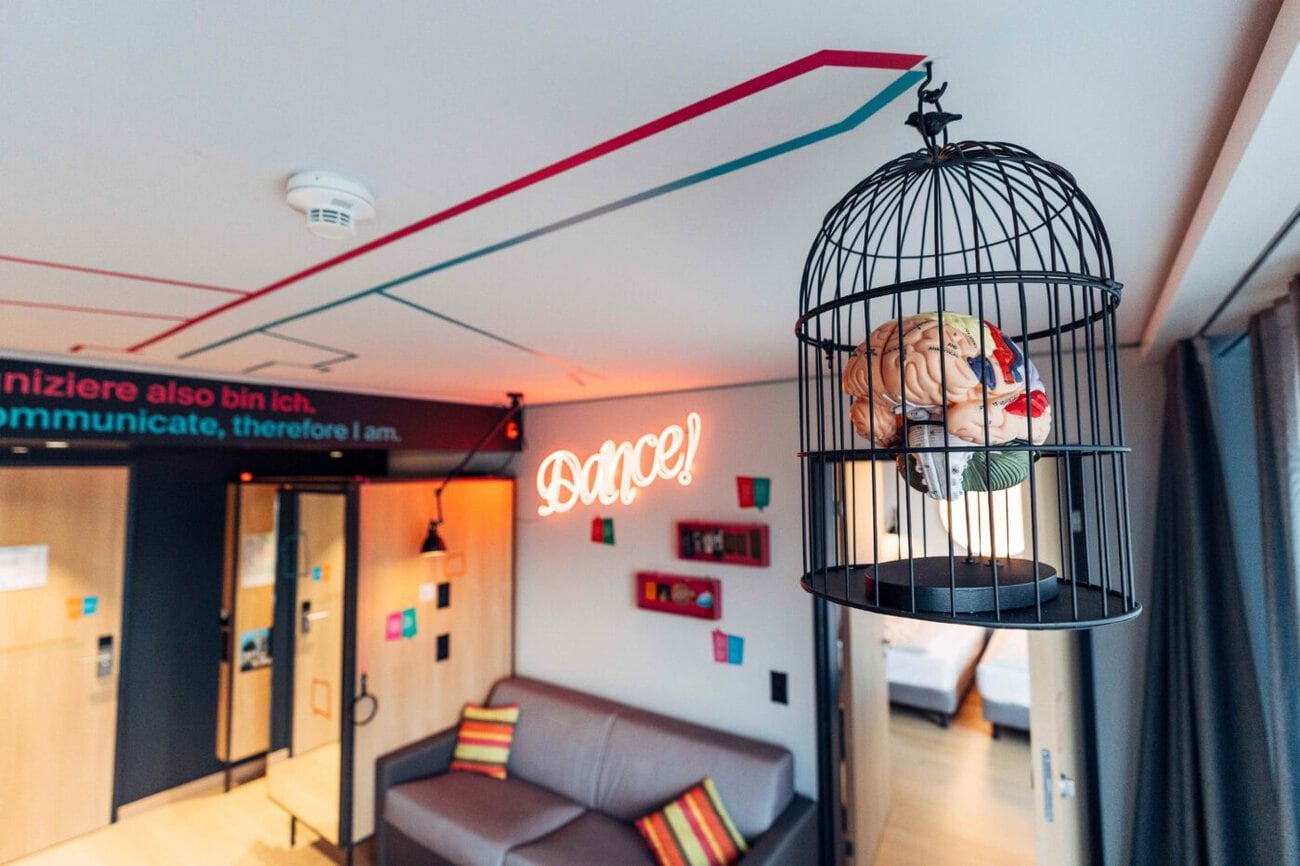
In the BäreTower in Ostermundigen near Bern - the tallest building in the canton - two classic hotel rooms have been transformed into something unusual: the Museum Room Bern. harry's home Bern-Ostermundigen and the Museum of Communication Bern have transformed rooms 104 and 105 into an interactive experience space that allows guests to immerse themselves directly in the history of human communication. The concept is unique in the Swiss hotel industry.
From hotel room to the smallest museum in Switzerland
A curated overall experience with around 15 selected exhibits and numerous interactive elements unfolds over 64 square meters in harry's home. Hat boxes with historical letters, postcards and stamps show communication before the digital era. An original uniform from the Swiss postal, telephone and telegraph company (PTT) represents a formative profession. A collection of cell phones, from the early Nokia to the current smartphone, illustrates technological change. Photographs and everyday objects provide surprising insights into the history of communication.
The experience is complemented by playful knowledge installations, hidden details and quotes on communication, relationships and social change. A diary on the bedside table invites guests to become part of the story themselves.
The centerpiece: a «brain in a cage»
The focal point of the room is a colorful «brain in a cage» - an iconic object based on the permanent exhibition at the Museum of Communication in Bern. It symbolizes the central question of communication: how we think, feel and connect with each other. At the same time, it is intended to build a direct bridge between the hotel room and the museum.
The concept comes from the multi-award-winning Museum of Communication, which has won the Council of Europe Museum Prize and is one of the most innovative museums in Europe. Bernese scenographer Heidy-Jo Wenger was responsible for the scenographic realization. The project manager on the hotel side was hotel director Laura Canelli, while Nico Gurtner, Head of Marketing & Communication, was responsible for the museum.
«A hotel room can be much more than just a place to spend the night. It can arouse emotions, inspire reflection and create real »aha' moments. This is exactly what we have achieved together with the Museum of Communication," explains Laura Canelli.
Nico Gurtner adds: «We bring our museum directly to the people. The museum room is an appetizer that whets the appetite for more and gets guests excited about communication.»
Museum Room Bern as a boost for Swiss tourism
The project sees itself as a contribution to a new generation of tourist offers: Experiences that combine overnight stays and culture. For the destination of Bern, it represents an innovative expansion of the tourism offering that specifically appeals to guests interested in culture, families and international travelers looking for authentic and meaningful experiences, according to the press release.
The museum room has been bookable since April 2026 and is deliberately offered at no extra charge. Guests also receive discounted admission to the Museum of Communication Bern. The cooperation is planned for at least one year; further development or expansion will be based on guest feedback.
harry's home Bern-Ostermundigen offers a total of 116 rooms and is part of a family-run hotel group with 16 hotels in Austria, Germany and Switzerland and more than 1,550 rooms.
Further information on the offer can be found at: https://www.harrys-home.com
]]>It's just a plate - golden, heavy, iconic. And yet it tells more than "just" a number. After all, anyone who reaches the million mark on YouTube has not simply collected reach, but has built up a channel that is regularly revisited. It is precisely this moment that m&k captured: the award ceremony, the conversation - and in the B-roll, the Swiss tourism content that shows how a colorful and intelligent mix of content has carried the community over the threshold.

A milestone that is intended as a beginning
For André Hefti, the million is not an end point, but a visible signal that the course he has set is working - and should be continued. Target image: YouTube as Switzerland's largest "window" to the world and as a platform that gives the industry additional visibility.

YouTube: From mobile clip to cultural and living room medium
Debbie Weinstein describes YouTube as a cultural epicenter where creators and content take center stage - whether from individuals, media or brands. The decisive factor is the extent to which user behavior has expanded: YouTube has long been used not only on mobile, but massively on connected TVs. People stream, scroll, search and buy - all within an ecosystem that bundles more and more functions.

The strategy behind growth: 3H instead of "just advertising"
The core of the success lies in a clear content architecture: Switzerland Tourism does not use YouTube primarily as an advertising platform, but acts as its own creator channel - with best practices and the 3H model:
-
Help/Hygiene: Search-optimized how-to's and planning content
-
Stroke: Recurring series and formats to build community loyalty
-
Hero: Emotional campaigns with international reach (e.g. Federer, sports and event moments)
The result is a mix that provides both inspiration and concrete orientation - and thus always creates new entry points for different target groups.
Content breadth as a strength: from Federer to "Culinary"
In the interview, Weinstein makes it clear how much the content covers different travel motives and mindsets: from "I'm looking for an idea" to very practical questions about transportation, procedures or timing. It becomes particularly clear that the spectrum ranges from large images to very specific assistance - and thus not only generates attention, but also recurring use.
Brand becomes "Creative Brand": Creator Residency as the next step
With the million, the role shifts: Switzerland Tourism is not just a sender on YouTube, but a channel that has to be managed like a media format - with production logic, timing and signature. A lot of content is created internally, while the creator ecosystem is being expanded. A new addition is the Creator Residency: international creators are to produce independent formats for Switzerland Tourism for at least one year and bring in new perspectives. The aim behind this: Storytelling, creativity - and content that remains approachable.
AI in practice for processes, not for the Matterhorn
AI also plays a role - especially when it comes to efficiency and performance: analysis, distribution, editing, format adaptations. At the same time, the line is clearly drawn: The authenticity of Switzerland in the image should not become "synthetic". The deal is simple: optimize yes - but Switzerland remains recognizable and genuine.
Three YouTube tips from Google for marketers
From Google's perspective, three strategic levers can be summarized:
-
YouTube as a bundle of different behaviors think (streaming, scrolling, searching, buying)
-
Use AIto better target groups and situations instead of anticipating everything manually
-
Creator collaboration because authenticity and loyalty are particularly strong there

Ending with ambition: "model example" - and looking ahead
In the end, it becomes almost pointed: When asked about the relationship between Google/YouTube and Switzerland Tourism, both sides use the same term: "role model". Hefti formulates the claim for the future unequivocally - not top 3, but number 1 among the national tourism organizations on YouTube. And Weinstein drops a sentence that functions as a nice echo of this award: The next vacation could be to Switzerland. Hefti and his crew are delighted.

About the YouTube Creators Awards
The YouTube Creator Awards - often called "Play Buttons" or "Plaques" - are awards from YouTube for channels that reach certain subscriber milestones. YouTube decides whether a channel receives the award after a review: Before the award is presented, YouTube checks whether the channel complies with the community guidelines. YouTube can also refuse to award an award.
The most important stages at a glance:
-
Silver Play Button: from 100,000 subscribers
-
Gold Play Button: from 1'000'000 subscribers
-
Diamond Play Button: from 10'000'000 subscribers
The Gold Play Button is made of gold-plated brass and is presented as a flat trophy in a metal frame. The Creator Awards are produced by Society Awards (New York).
]]>
In four episodes, French filmmaker Pauline Simon and German visual storyteller Dennis Schmelz travel along the Grand Tour of Switzerland. Conceived and produced by Switzerland Tourism in collaboration with Stories AG / Jonas Bayona, this YouTube series offers a glimpse into Switzerland’s contrasts—always accompanied by creative challenges that bring the creators into contact with the country and its people in a playful way.
Authentic encounters instead of glossy advertising
Each episode takes the creators to a new regional host, where they tackle a video challenge and capture their unique perspective on Switzerland on film. Whether it’s a perfect shot on Lake Constance, an encounter with Swiss culture, or unusual places to sleep in the mountains—the series thrives on authenticity, emotion, and visual impact. It takes viewers to places like Lake Constance in Thurgau, Bern, Fribourg, Murten, Gruyères, and the Gastlosen mountain region in Jaun, deliberately shining a spotlight on the off-season and lesser-known destinations. In this way, Switzerland is presented not merely as a backdrop, but as a stage for experiences.
Strategically focused on YouTube
As the largest video search engine, YouTube is a central component of Switzerland Tourism’s content strategy. With „Creators Cut Switzerland,“ the organization is strengthening its presence on the platform and fostering engagement with international, digitally savvy target audiences.
The content produced by the creators during filming was already posted on their own channels while they were traveling. A second wave will follow the official launch of the YouTube series: The protagonists will share their personal highlights in the form of a vlog on their own channels. This creates a powerful social media multiplier effect.
]]>