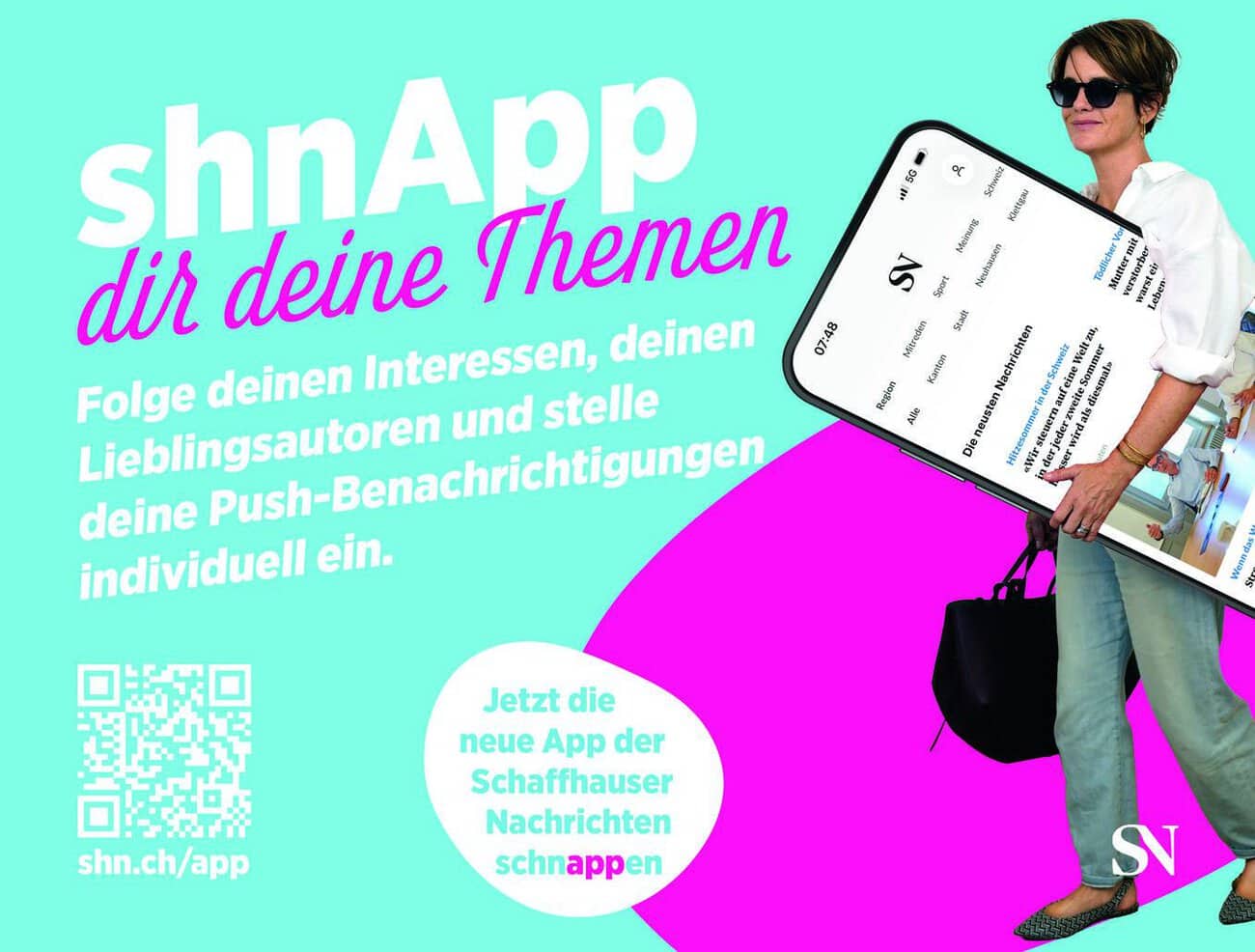
Die «Schaffhauser Nachrichten» (SN) haben ihre neue App lanciert. Die Schaffhauser Nachrichten App umfasst personalisierte Benachrichtigungen, eine Follow-Funktion, neue Möglichkeiten zum Mitdiskutieren sowie ein erweitertes Audio- und Videoangebot. Gleichzeitig soll sie zusätzliche Möglichkeiten für Werbung schaffen.
«Ab sofort erhalten unsere Nutzerinnen und Nutzer einfacheren Zugang zu allen unseren Inhalten und können sich direkt über die Kommentarfunktion an aktuellen Debatten beteiligen», sagt SN-Chefredaktor Robin Blanck, «das ist ein weiterer Meilenstein auf dem Weg zum digitalen Medienhaus.»
Schaffhauser Nachrichten App: Themen nach Mass
Die neue App ist nach Angaben der SN individueller. Per Klick kann man seinen Lieblingsautorinnen und -autoren sowie bestimmten Themen folgen. Push-Benachrichtigungen lassen sich nach persönlichen Interessen festlegen. Zudem können Nutzer:innen Artikel kommentieren und an moderierten Online-Debatten teilnehmen.
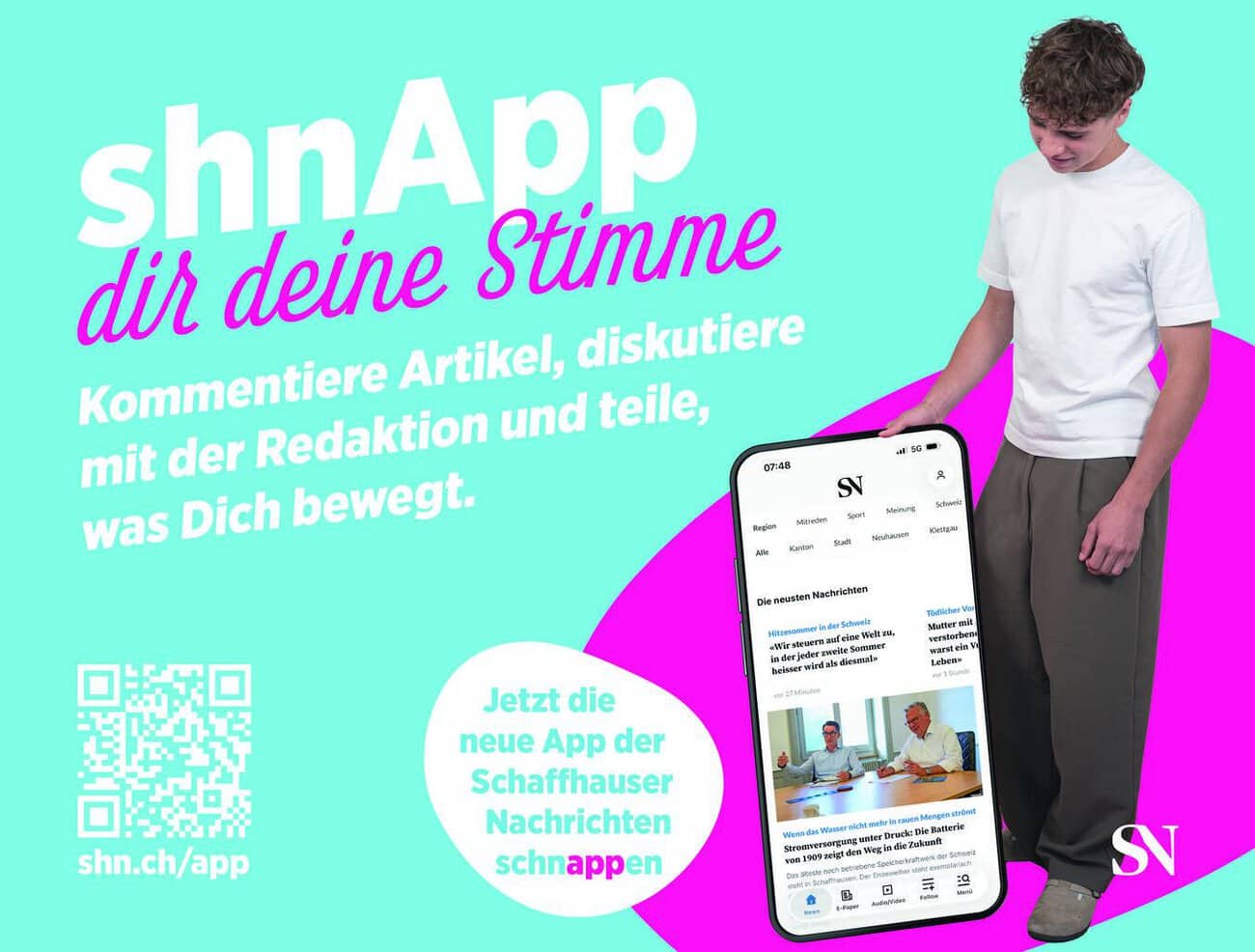
Neben den redaktionellen Artikeln sind sämtliche SN-Podcasts und Videos sowie Beiträge des «Schaffhauser Fernsehens» direkt verfügbar. Die App bündelt damit die verschiedenen Angebote der SN an einem Ort.
Neue Werbeplätze in der App
Auch für Anzeigekunden entstehen laut Mitteilung neue Möglichkeiten. Werbung lässt sich direkt auf der Startseite, in den Ressorts oder in Artikeln platzieren. Damit schaffe die SN zusätzliche Kontaktpunkte mit ihrer digitalen Leserschaft. «Die neuen Werbeformate sorgen für eine Überraschung beim Zielpublikum», sagt Susanne Scholpp vom Werbemarkt und Anzeigensupport.
]]>
The latest episode of the HWZ podcast «stefanundstefan live» features Dorothee Auwärter, Chair of the Board of Directors at Kuhn Rikon. The HWZ podcast on Kuhn Rikon focuses on the question of how a family-owned company with a long tradition can preserve its history while continually reinventing itself.
Family Businesses: Between Tradition and Innovation
Stefan Eggenberger and Stefan Vogler speak with Auwärter about the management of the family-owned business. According to the company, Kuhn Rikon has been combining tradition and innovation since 1899.
Swissness, Innovation, and Brand Strength
Other topics covered in this episode include "Swissness" and innovation. It also explores how much change a strong brand can withstand.
Click here to listen to the episode: stefanundstefan | Tradition & Innovation at Kuhn Rikon
]]>Reto Lipp and Sandra Studer met at Radio Z, the Zurich-based local station now known as Energy. There, in the early 1990s, Studer hosted a show in which she had to drive guests, listeners, music, and commercials herself. She did it exactly once. «That was pure horror for me.» At the time, she was studying German language and literature and musicology and wanted to become an opera dramaturg. Music was just a side project. It ended up taking her quite far.
Last, then fifth
In 1990, Studer competed in the Swiss preliminary round and came in last. She said she approached it «in a very competitive spirit,» as a contest. Family and friends advised her against trying again. In 1991, she won the preliminary round with «Canzone per te.» In Rome, the contest took place in a small theater at the Cinecittà Studios—a «cardboard box» with a large orchestra. She placed fifth. Afterward, German record labels wanted to pigeonhole her into the schlager genre. She refused: «I often wasn’t sure what I wanted, but I was always very clear about what I didn’t want.»
A postcard from Marco Rima
Marco Rima had seen her at the Eurovision Song Contest and sent her a postcard: She had to star in his musical. At home, Studer had application forms for musical theater schools in Hamburg—forms she’d never sent in. She agreed. «Keep Cool» became a hit in 1992 and is returning this fall—without her. The show is a product of its time, she says, including its portrayals of women and men. She hopes the new version will keep up with the times.
«The days are numbered»
After 1991 came TV shows like «Traumziel» and the «Swiss Award,» followed later by cultural projects such as «La Traviata» at Zurich’s main train station. Studer sees herself as a bridge between high culture and entertainment: «There’s nothing easy about entertainment.» She hasn’t hosted anything on Swiss television for years. Nostalgia doesn’t get you anywhere. The days of linear television are numbered, big shows are expensive, and if too few people watch, the math quickly becomes simple.
«They know where I am, after all.»
When Nemo won the Eurovision Song Contest in 2024, Studer was sitting in front of the TV with 17 people. The kids immediately said, «Mom, you’re going to do that next year.» She didn’t call anyone. Her attitude was that the people in charge already knew her name. The first call from SRF was a simple question: Would she be interested? Then came a «chemistry meeting» with Hazel Brugger, somewhere in Germany. Both wore glasses and no makeup; by the second sentence, the conversation turned to children. Studer passes the credit on: to head writer Nicole Simmen, as well as to Lukas Hobi and Christian Knecht for the mini-musical «Made in Switzerland.» “There was such energy—I hadn’t felt that in a very long time.”
«We're way funnier than the original.»
Eight years ago in Thun, Studer first doubted that «Mamma Mia!» would work in Swiss German—but then experienced it firsthand in the theater. This past spring, she played Donna at the MAAG Halle. The dialect adds a comedic layer that the original doesn’t have. Starting November 11, she’ll be appearing as Mother Superior in «Sister Äct,» the second revival. Theater en suite wasn’t an option for a long time, with four young children. The youngest turned 18 this year. «That gives me a lot more freedom.»
The conversation also touches on how Studer learns her lines (in the car and in 18 minutes around the dining table), her Mani Matter production at the Rigiblick Theater, and the stage. The stage only means something to her if she has something to say there.
The podcast episode with Sandra Studer on Spotify
ComSumCast is funded by the Zurich Press Association and the Zurich Public Relations Association, hosted by Reto Lipp, and recorded and produced at Castalavista by Christoph Soltmannowski. The episode is available on Apple Podcasts and as a videocast on YouTube and Spotify.
]]>
The interview took place at a party. Monique Fischer hardly knew anyone there. When asked what she did for a living, she said, «I’m a saleswoman.» The response was, «Ah, interesting,» and then the conversation was over. She’s convinced that if she’d introduced herself as a lifestyle consultant or styling coach, the conversation would have continued. «Oh, that’s interesting, too. What would look good on me?»
For Fischer, this scene highlights a problem in her industry. The fashion retail sector faces a shortage of sales professionals; the job is poorly paid and holds little prestige. Yet good saleswomen are «real sales machines.» They determine whether a product succeeds at the point of sale.
Fischer herself has three decades of sales experience. She served as Vice President of International Sales and Sales Director at Willy Bogner in Munich, Strenesse, Gerry Weber, the Paris-based Vivarte Group, Luisa Cerano, and Zimmerli of Switzerland. She has opened over 300 franchise stores and 300 shop-in-shops and introduced brands to new markets on three continents. In 2012/2013, the British trade magazine Drapers named her one of the 100 most influential people in the fashion retail industry. Today, she is self-employed, advises brands on international distribution, and serves on boards as a certified supervisory board member.
From the order pad to the scan
When she started at Bogner, she still wrote up orders by hand. Her handwriting wasn’t always easy to read, so in the evenings the team would go through the orders to find mistakes, such as incorrectly noted color codes. After the sales days, they would sit there for hours adjusting the collections. Today, you hold a scanner up to an item, and a photo appears on the screen—and with some ordering tools, even a video. The time that used to be spent on administrative tasks is now dedicated to serving customers.
Looking back, AI provides reliable analysis: What sold well, which dress didn’t sell well last year, and why. This helps prevent overproduction and brings purchasing closer to actual demand. But the machine doesn’t take the place of brands when it comes to looking ahead. Trend researchers might say that blue is the next big color. «But the question is: How can I convey that to my target audience?»
Shein and Temu operate differently. There, the process is «100 percent» AI-driven, says Fischer: testing trends on social media, producing small quantities, measuring how quickly they sell out, and automatically sending reorder requests to manufacturers.
The sleeve is too short
In the high-end segment, that’s not enough. Fischer often doesn’t realize why a piece didn’t sell until she holds it in her hands again: «It was actually a good piece, but the sleeve was too short.’ That’s why she also advises top management to visit the stores regularly themselves. There, you can see who’s buying your products and what’s missing. Her favorite example is the sleeveless dress for a customer over 50 who would need short sleeves or a matching jacket.
Many brands don't even want the customers they have. Top management often dreams of a customer with model-like measurements, even if their actual customer base is 50+. It’s important to use fresh faces in external advertising to appeal to all age groups, but internally, you need to understand your actual customers and their needs and meet them. «The customers you already have are responsible for generating revenue; those you don’t yet have must be strategically cultivated.»
«Can I help you?»
Fischer would ban this phrase from every store. In 99.9 percent of cases, it’s followed by a «no,» and that first “no” creates a barrier between the sales associate and the customer. A simple “It’s nice to have you here,” accompanied by eye contact and a smile, is better. She sees salespeople as hosts in the future. The more digital business becomes, the more important personal contact will be.
She sees the difference when comparing the two countries. She notes that Swiss stores have a higher staff-to-customer ratio than those in Germany, provide more personalized service, and that stores with skilled sales staff generate significantly higher sales per square meter. She regrets, however, that Jelmoli has nevertheless disappeared from Zurich. Foot traffic has declined everywhere, «we can’t sugarcoat that.».
If a customer tries on an item in the store and then says she plans to order it online, Fischer responds with a question: «How much is advice worth to you?»
Where AI Gets in the Way
Fischer sees a lot of value in apps and social media. A major Swiss retailer suggested items that matched her last purchase in its new app. «That was really helpful.» It becomes uncomfortable, however, when customers feel like they’re being watched: an item you looked at in the store pops up on your phone afterward, or after searching for information about illnesses, you see related offers. «It’s a balancing act.»
She considers chatbots that lead customers into endless loops when handling complaints and returns to be a customer service problem. When customers can no longer reach a human representative, they eventually give up because their time is worth more than the 300 euros they want back—which results in losing good customers forever.
Fischer is currently helping the founder of a sports fashion brand set up a social selling strategy. The brand is sold at select retailers and is also recommended by people who have their own communities. They’re looking for people who believe in the product and would recommend it to their best friends—ideally with a personal story to share. At a retreat focused on health and fitness, the brand was able to win over customers who then recommended it to others. AI helps with newsletters and social media. Fischer rejects standardized, AI-generated responses to the community.
Leading Like in the Tango
Her leadership concept is called Mindstep and is rooted in Argentine tango. When she was learning tango, she realized that the dance involves communication on multiple levels: physical, emotional, and mental. Anyone who thinks one thing but leads another won’t get very far. After just a few steps, the leader can sense whether his partner has understood him. If not, he must give clearer cues or choose simpler steps. Fischer compares the music to the market: Anyone who ignores the beat won’t succeed.
In her booklet *Why Executives Should Dance the Tango*, she argues that every executive should take at least one tango class in order to gain a holistic understanding of communication.
She has experienced many different leadership cultures. In Germany, where she lived for nearly 30 years, instructions were given clearly and directly. At a French corporation, decisions were made before and after meetings, not during the meetings themselves. In Japan, where she frequently presented collections between 2004 and 2013, she once saw a high-ranking manager sleeping in his office. She was told to be quiet—he was thinking for the company.
The Master Plan for the Ruins
Fischer uses AI every day as an assistant: for workshop summaries, cover letters, and analyses that used to take hours. She invests the time she saves into her concepts. She advises a company planning to invest 100,000 francs in AI not to develop anything in-house. Instead, she says, the money should go toward systems that track inventory and sales, a robust CRM, and consistent brand communication.
And what’s the fastest way to ruin a fashion company with AI? «Let AI handle 100 percent of your buying or design, and fire all your buyers and designers immediately.» Most companies that fail, however, fail for several reasons: collections that miss the mark with their own customers, poor leadership that drives away good people, and positions that are given to cronies instead of the right people.
She advises young people who want to enter the fashion industry to start by learning the basics of AI tools. After that, other things matter: networking, attending events, being reliable, and not promising anything you can’t deliver. «At the end of the day, this industry is all about people.»
About the person
Monique Fischer is Swiss and has served as international sales director at companies including Willy Bogner, Strenesse, Gerry Weber, the Vivarte Group, Luisa Cerano, and Zimmerli of Switzerland. Through Monique Fischer Consulting, she advises companies in the textile, fashion, and luxury goods industries on sales, brand positioning, and interim management. She is a DVCT-certified business coach as well as a certified supervisory board member and offers training for executives and sales professionals under the name Mindstep. moniquefischer-consulting.ch
The entire conversation on Spotify
]]>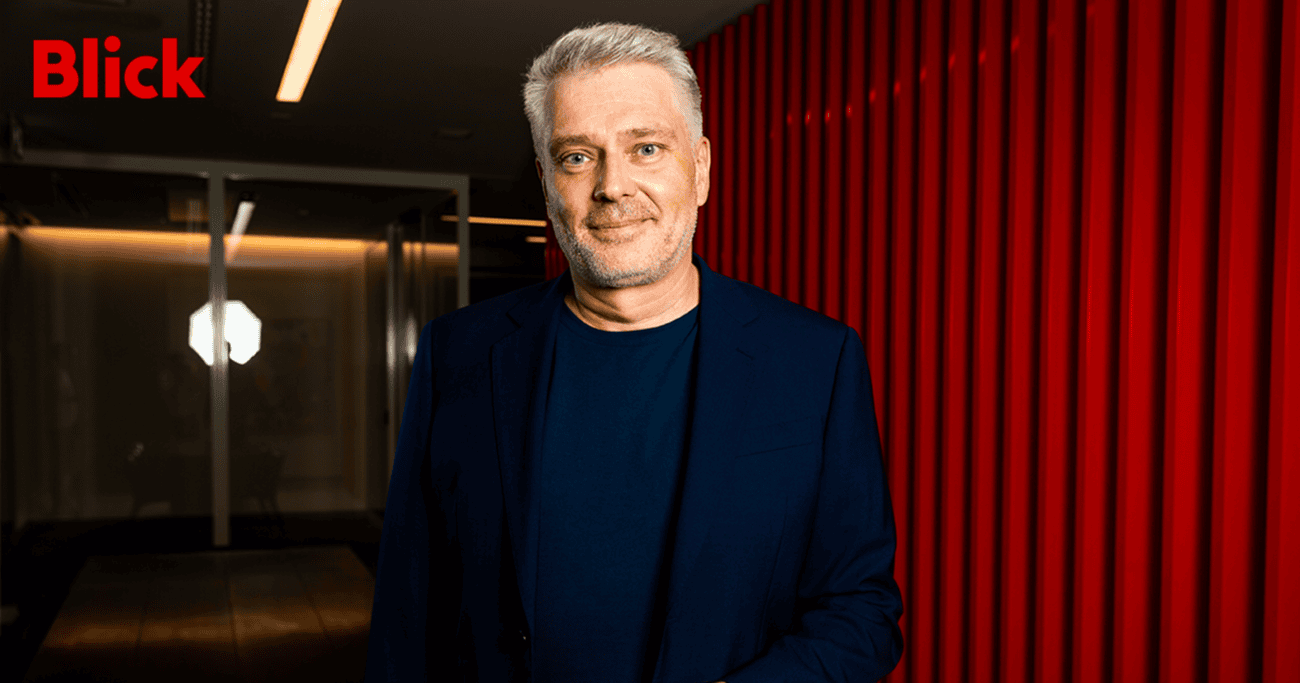
Sandro Brotz’s move to Blick is causing a stir in the Swiss media landscape. The longtime host of SRF’s «Arena» will become a permanent member of the Blick newsroom in February 2027, where he will launch a new video podcast in collaboration with the editorial team.
A New Format for Politics, Business, and Society
Up-to-the-minute, opinionated, and multimedia-rich: that’s how Sandro Brotz’s new format at *Blick* is set to present itself. In it, he says he takes viewers behind the scenes of politics, business, and society, and several times a week provides context on the most important issues affecting Switzerland and the world. According to the press release, Brotz takes the audience wherever debates are taking place and asks key figures and decision-makers the relevant—and, above all, uncomfortable—questions.
The podcast is designed as a multimedia video podcast. The episodes are streamed on all Blick channels and optimized for popular podcast, social media, and video platforms.
Cavalli: «It goes perfectly with Blick»
Blick Editor-in-Chief Rolf Cavalli comments on the appointment: «Sandro Brotz is one of the most influential and prominent figures in Swiss journalism. His ability to sharpen debates and get to the heart of the matter is a perfect fit for Blick. With this new video podcast, we’re adding another key element to our video and cross-media strategy. And on a personal note, I’m also delighted to be working with Sandro again at Blick.»
From SonntagsBlick to Radio 1 to SRF
Sandro Brotz began his journalistic career in 1988 and, in the years that followed, worked as a reporter, news director, and deputy editor-in-chief at SonntagsBlick, as well as editor-in-chief at Radio 1. In 2012, he moved to SRF, where he became one of the country’s most prominent political journalists as a host and deputy editor-in-chief of Rundschau and, since 2019, as the anchor of «Arena.» In 2022, the Zurich native was named «Political Journalist of the Year» for his work.
Commenting on his move, Brotz says: «Blick is an incredibly strong brand that sets the pace in the digital media world. After 14 wonderful years at SRF, I’m looking forward to becoming part of this strategy and working with my new colleagues to launch a premium video podcast. For me, relevance and context are key, combined with the goal of surprising the audience, especially in the crucial election year of 2027.»
For more information about Blick, visit https://www.blick.ch available.
Responsible at Ringier: Rolf Cavalli, Editor-in-Chief of *Blick*
]]>
Podcasts have long since become more than just audio files. Worldwide, 1.77 billion people now listen to podcasts every week—seven percent more than a year ago. To mark International Podcast Day, Acast is releasing new data for Germany from its international Acast podcast study, «Podcast Pulse 2026.» The study shows that the medium is expanding beyond its original boundaries. Video, social media, and live formats are creating new touchpoints between creators, communities, and brands.
«Podcasts are »audio first,« but they’re no longer just »audio only,’” says Nina Wüst, Country Manager for DACH at Acast. “Audio remains the medium’s particular strength. At the same time, new opportunities for discovery, community, and creative brand communication are emerging around this core.”
### Attention Is Becoming the Key Currency
In honor of International Podcast Day, the study examines the evolution of the medium and the listening habits of podcast listeners. It shows that while digital media consumption is becoming increasingly fragmented—with social media feeds and short-form videos competing for every second of attention—podcasts, according to the study, continue to create moments of intense engagement.
In Germany, 80 percent of listeners are fully or mostly attentive when listening to podcasts. 77 percent of podcast sessions begin as a result of a conscious decision.
«Attention is one of the scarcest resources in today’s media landscape,» says Wüst. «Podcasts have a particular strength in this regard: People make very conscious decisions about who and what topics they choose to devote their time to. This is precisely what creates a sense of connection that is just as valuable to creators as it is to brands.»
### Video complements the podcast—without replacing the audio
According to the study, the medium is also growing visually. Social clips, YouTube, and video episodes are increasingly serving as gateways to new formats. Users don’t think in rigid categories: 81 percent consume audio and video simultaneously, and 65 percent switch between formats or platforms during an episode.
That's why an open, cross-platform podcast ecosystem is crucial for Acast: creators should be able to distribute and monetize their content via audio, video, social media, and other channels.
### Trust Makes a Difference
As the volume of AI-generated content grows, personality and credibility are becoming even more important. According to Acast’s «Podcast Pulse 2026» study, 54 percent of respondents say that podcasts are among the few media platforms that still feel thoroughly human.
This is also reflected in the impact of advertising: 89 percent of listeners report that they have already taken a specific action as a result of podcast advertising, and 53 percent have made a purchase.
«It’s no longer just about reaching the right target audience,» explains Wüst. «It’s about delivering the right message in the right context and at the right moment. To do this, brands no longer need to think in terms of individual channels, but rather in terms of moments of use. And the podcast ecosystem isn’t just growing in terms of reach. Podcasting is growing in every direction.»
Over the past twenty years, podcasts have evolved from a niche format into a global medium for creators, without losing their greatest strength: the connection between people. Especially in a media world shaped by artificial intelligence, algorithms, and ever-shorter attention spans, trust, authentic voices, and intentional breaks are becoming more valuable. The future of the podcast, therefore, lies not solely in audio or video, but in a human medium that reaches people everywhere and at every moment of their daily lives.
Learn more about the Acast podcast study «Podcast Pulse 2026» and the company’s offerings at https://www.acast.com
]]>
Politbüro.ch: Podcast Becomes a Paid Service
With Politbüro.ch, Tamedia is launching an independent paid service focused on Swiss politics. The established Politbüro podcast is thus evolving into a more comprehensive digital product that brings together in-depth analysis of Swiss politics through a weekly podcast, an exclusive newsletter, articles on domestic policy topics, as well as referendum specials and events. Following the gaming app, this is the second new digital product that Tamedia has launched within twelve months.
The subscription combines the weekly Politbüro podcast with an exclusive newsletter, access to articles on other political topics and in-depth pieces on the topics covered in the podcast, as well as election specials and events. According to the announcement, subscribers receive context and analysis designed to help them gain a more informed understanding of political issues and debates.
Marc Isler, Managing Director of Premium Digital, puts this move in perspective: «With Politbüro.ch, we are launching our second digital product within 12 months, following the games app. We have a very loyal audience for our political podcasts and our numerous live panel discussions. We’ve now created a dedicated, attractive digital offering specifically for this target audience. This allows us to specifically target people who are willing to pay for our content, thereby opening up a new customer segment for us.»
Raphaela Birrer, editor-in-chief of the *Tages-Anzeiger*, describes the format: «On *Politbüro*, we discuss current political developments in Switzerland and shed light on the background. In a relaxed, conversational atmosphere, we introduce our listeners to different perspectives on ongoing political debates. Anyone who listens to the Politbüro stays informed about Swiss politics and gains a better understanding of it.»
Political Analysis Based on Experience
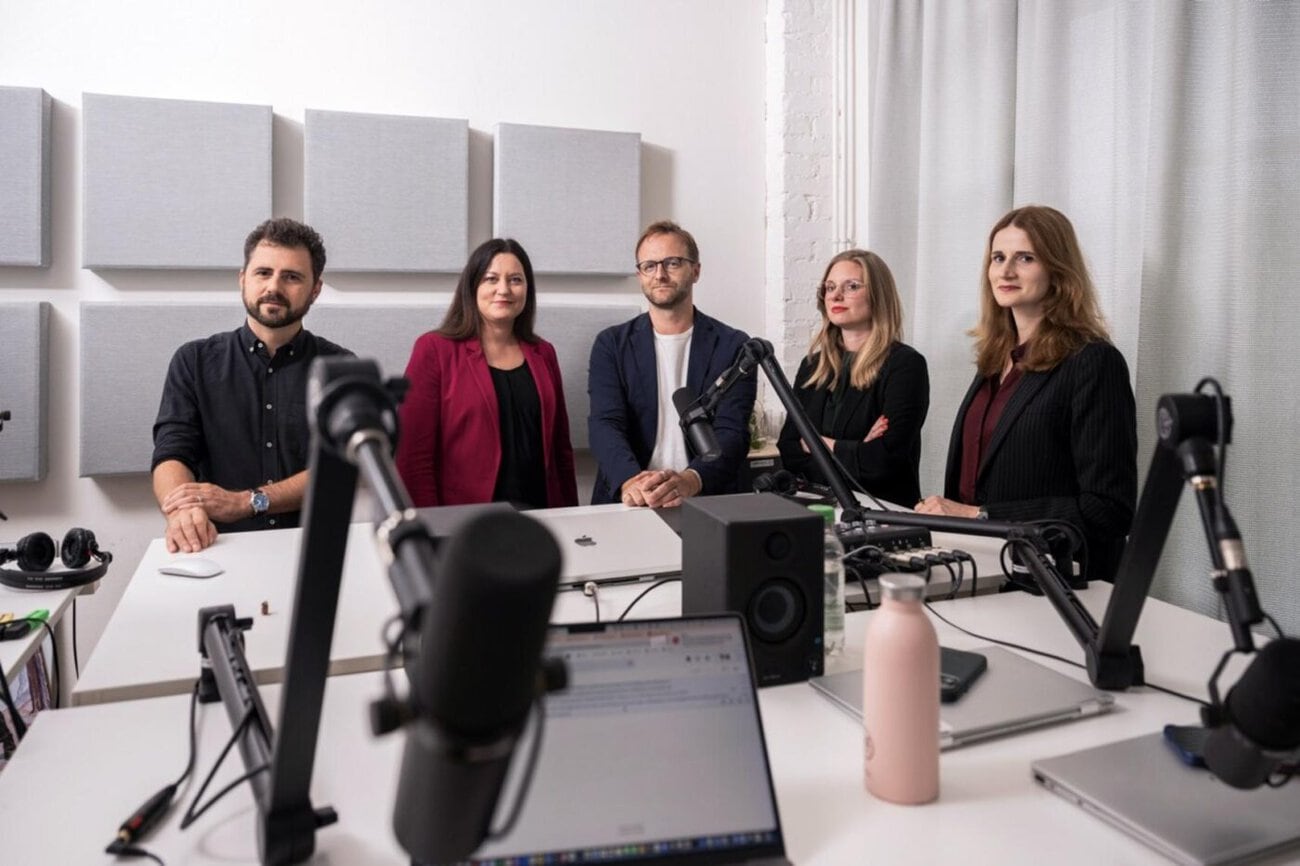
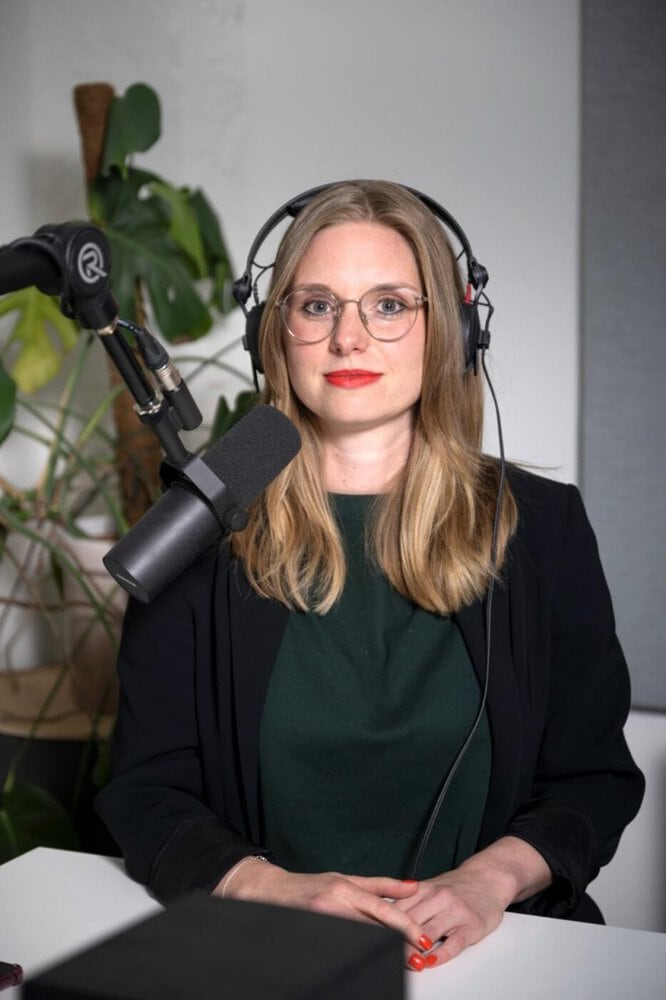
The weekly podcast remains the centerpiece of the offering. The Politbüro team includes Philipp Loser as host and writer, Raphaela Birrer as editor-in-chief of the Tages-Anzeiger, Mario Stäuble as head of the Politics and Economy department, Jacqueline Büchi as head of the Reporting and Storytelling department, and Larissa Rhyn as head of the Federal Parliament editorial office. The show is produced by Noah Fend, Head of Podcasts.
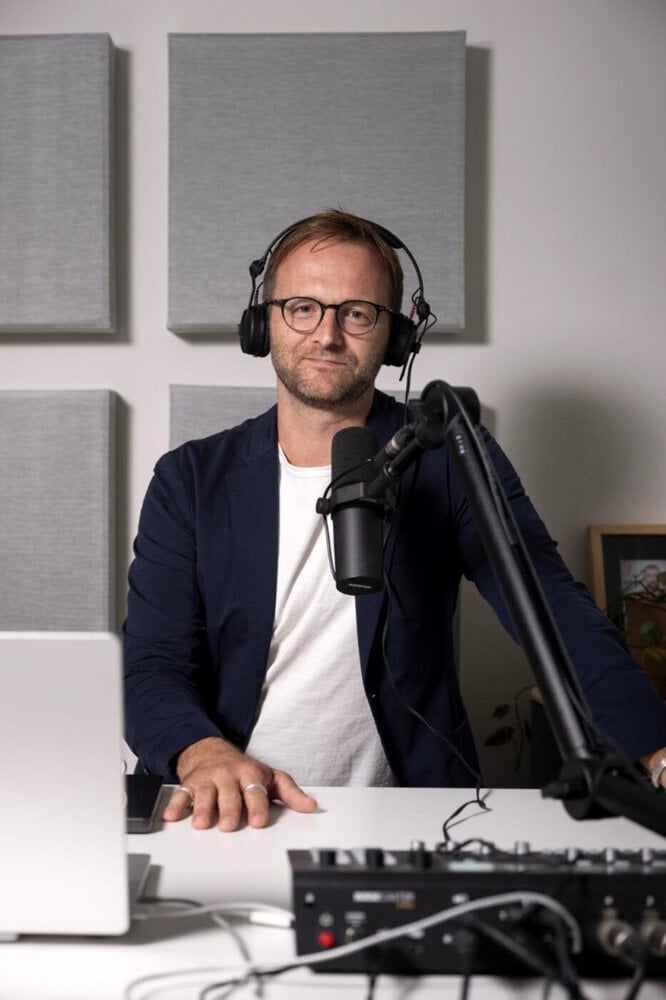
Together, the team analyzes current developments involving the Federal Council, political parties, and referendums. Political contexts are explained in an accessible way, and different perspectives are highlighted. In addition, in-depth analyses, commentaries, and background articles enrich the political coverage.

Between episodes, selected articles and a weekly newsletter guide subscribers through the political week and deliver the most important developments straight to their inboxes. According to the Politbüro team, they combine many years of experience and journalistic independence with a broad network in federal politics. At exclusive events, subscribers also have the opportunity to engage directly with politicians and experts. According to Tamedia, the Politbüro podcast already reaches around 9,000 listeners each week.

Annual subscription at an introductory price
To kick things off, we’re offering an annual subscription to Politbüro.ch at an introductory price, plus an exclusive Politbüro Sigg bottle as a thank-you gift. Politbüro.ch will be available starting September 16, 2026.
Those interested can find more information about the service and subscription at www.politbuero.ch.
]]>Anyone setting up a campaign in Meta Ads Manager can filter audiences by Mustang fans or governments in Asia. Anyone who follows wedding planners is considered engaged. With «Advantage+ Audience,» the algorithm doesn’t even need input anymore. This is how it’s described in the book «Unlock your [ai]dentity» by Céleste and Marinko Spahić. The logic behind it: More time on the platform means more ads, and more ads mean more money.
Céleste Spahić founded the startup «Mindzeit,» a mental health app; she was named Female Founder of the Year in 2023 and calls herself a tech philosopher: she reflects on technology and builds it herself. In the new episode of the podcast «AI and Society,» she explains why she doesn’t demonize AI despite all this. «Technology is, after all, a tool, and a tool can amplify effects in both directions.» To Kant’s «Sapere aude» we can now add «Conscius esse aude»: have the courage to be conscious. In other words, to be aware of what technology does to you.
Discussing with AI as if with philosophers
She sees the most common mistake in working with AI as using the language model as an answer machine. She demonstrates it: «Write this email for me.» «Okay, done.» «I’ll send it out.» If you stop checking the output, you’re giving up the thinking. She sees working with AI as a loop: «It’s a dialogue. It’s a constant back-and-forth between the large language model and the human.» In the book, this is called a Socratic dialogue partner: the AI asks questions, and the human thinks.
Many copywriters and creative professionals see AI as a threat. Spahić distinguishes between two separate debates. The creative community faces real problems, such as those related to copyright. Separate from that is the question of whether to outsource or enhance one’s creativity. «Creativity is the ability to combine things in ways that haven’t been combined before.» The first step remains with humans. Only then does the language model come into play.
«Generation AI—that's all of us»
The prompts in the book encourage readers to share personal information with the AI. This data ends up with U.S. corporations. Spahić’s advice: «You should always keep in mind that there might be someone reading or listening in.» Real names, addresses, and bank account information don’t belong in the chat. That’s why she’s calling for data-sovereign solutions from Europe, including Switzerland.
Instead of bans, Spahić advocates for regulation and education. At phil.cologne, she led a panel discussion in which more than 400 students were surveyed about their use of AI. The result: Nearly 90 percent said they use ChatGPT for their homework. This makes it all the more important to specifically prepare young people for working with AI. The seven «Future Skills» outlined in her book should therefore be firmly integrated into the school curriculum. “We are all the AI generation,” says Spahić.
The podcast episode on Spotify
The episode featuring Céleste Spahić is part of the video series «AI and Society—Paths to a New World,» produced by the Swiss Text Academy Foundation, the Swiss Prompt Engineering Academy, Science City Davos, and Lab42 Davos. It is available at YouTube, Spotify and available on all major podcast platforms. Hosted by Christoph Soltmannowski, produced by castalavista.com
]]>

Combating counterfeiting has long since become a key strategic priority for many companies. What used to affect primarily luxury goods manufacturers has evolved into a global digital challenge that impacts industries of all kinds. Online stores, social media, and artificial intelligence make it easier to produce, market, and distribute counterfeit goods worldwide.
Counterfeits Beyond Luxury Goods
In the latest episode of the HWZ live podcast «stefanundstefan,» the two hosts, Stefan Eggenberger and Stefan Vogler, join forces with trademark attorney Marc Wullschleger to explore the mechanisms behind the counterfeit goods trade. It quickly becomes clear that the problem is no longer limited to designer products. Medications, machine parts, and other safety-critical goods are now also being counterfeited—with potentially serious consequences for consumers and businesses alike.
The discussion focuses on questions that are increasingly on the minds of brand managers: Why do people buy counterfeit products? What impact do influencers and social media have on the spread of counterfeits? And how can brands effectively enforce their rights?
AI as a Tool—on Both Sides
The discussion focuses particularly on the role of artificial intelligence. According to the program, AI-based technologies are said to open up new possibilities for counterfeiters while also helping companies detect suspicious listings on platforms. This dual nature of AI makes the fight against brand piracy a constantly evolving battle of wits.
Marc Wullschleger, a partner at Isler & Pedrazzini and president of Stop Piracy since 2023, offers both legal and practical insights. His key message: Companies must secure their intellectual property rights early on, consistently monitor markets and platforms, and respond quickly in the event of an emergency.
Combating brand piracy requires strategy and speed
The series of episodes in «stefanundstefan» illustrates that effective measures against product piracy must be proactive, not reactive. Companies that fail to adapt their protection strategies to the pace of the digital world risk not only financial losses but also damage to their reputation.
Click here to listen to the episode: stefanundstefan | Brand Piracy in the Digital Age
]]>Pia Guggenbühl has been leading the Swiss Media Publishers Association for a year and a half. She represents Ringier, TX Group, CH Media, and the NZZ, as well as about 60 smaller publishers. She knows the situation inside and out: In 2010, the print advertising market in Switzerland was still worth 3 billion francs; today, it stands at 650 million. That’s a 78 percent decline.
«Unsolicited, Unpaid»
The most pressing topic of this episode is artificial intelligence. AI providers like Google and OpenAI scrape journalistic content and present it as their own answers—«unasked, unpaid,» as Guggenbühl puts it. Clicks on publishers’ websites are drying up. What began with the zero-click rate in traditional search is now intensifying dramatically with AI-generated answers.
Guggenbühl quotes the publisher of The New York Times, whom she met at the International Publishers Association conference in Marseille: When AI providers need chips, they buy them. Engineers are paid good wages, and electricity bills are paid. Only the content is taken for free. Ringier CEO Marc Walder calls this «the greatest theft of all time»—and rightly so, says Guggenbühl.
A Milestone Victory with the Gössi Motion
Other countries are taking the legal route; the New York Times is filing lawsuits costing millions in the U.S. Switzerland is opting for measured regulation. Parliament has approved a motion by Council of States member Petra Gössi that calls for the protection of intellectual property rights, including against AI providers—and this motion is now being implemented. The opposition was considerable: committee members told Guggenbühl that they had never experienced such intense lobbying.
The association is not fighting this battle alone. In the Creative Industries AI Alliance, the music, literature, and film industries stand alongside publishers. Internationally, there is ongoing dialogue with the European News Publishers Association and the World Association of Newspapers and News Publishers (WAN-IFRA). Guggenbühl also points to Germany, where Google was held accountable for AI-generated responses that damaged reputations. And she welcomes the fact that SRG intends to block its content from AI providers.
Walders« prediction: »unrealistic”
Marc Walder, CEO of Ringier, recently predicted that in the digital world, only *20 Minuten*, *Blick*, and *NZZ* would survive economically. Pia Guggenbühl understands Walder’s prediction but disagrees: Switzerland, with its direct democracy and federalism, needs media diversity—especially the roughly 60 small publishers in the association—and the association will work to ensure that this prediction does not come true.
This is because the VOX post-vote surveys, in particular, consistently show that voters still rely primarily on the voting booklet and printed publications as their first sources of information before referendums. She considers it «unrealistic» that in ten years there will be only three major private media outlets left.
Potential in the Advertising Market
The interview also covers the advertising campaign «Credibility Works Better,» developed with Jung von Matt, the 46 percent of the Swiss population who are news-deprived, media literacy in schools, and Guggenbühl’s dual political role as a municipal council member and head of finance in Küsnacht.
ComSumCast is funded by the Zurich Press Association and the Zurich Public Relations Association—recorded and produced at Castalavista by Christoph Soltmannowski. The episode is available on Apple Podcasts and as a videocast on YouTube and Spotify.
]]>
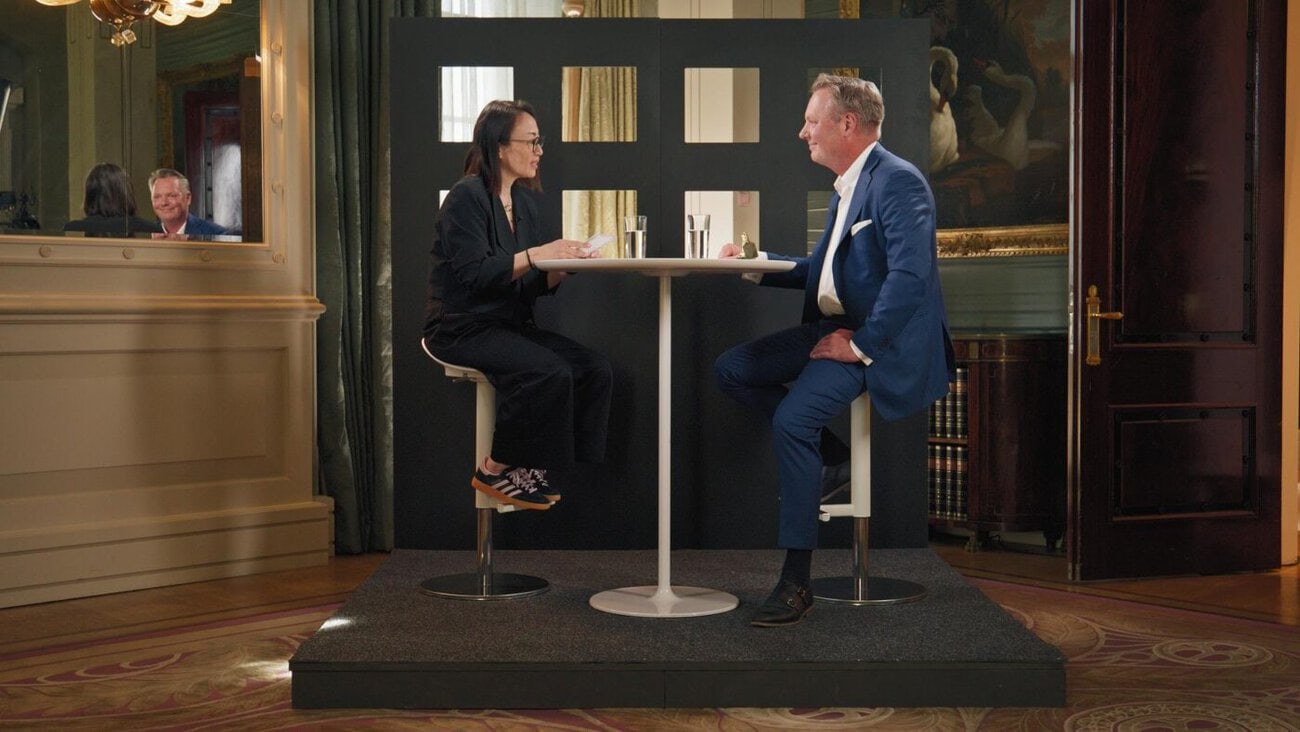
Architecture Meets Personal History: The NUZ Video Podcast Enters Its Second Season
In the heart of the Dolder Grand’s library—where loud conversation is usually frowned upon—profound discussions about spaces, people, and what connects them have recently begun to take place. Fanzun, the Swiss company specializing in comprehensive construction management and headquartered in Chur, is producing the second season of its video podcast, NUZ, there. The choice of filming location is no coincidence: as the client’s representative, Fanzun has been working with the Zurich luxury hotel for more than 20 years.
The show was created in collaboration with the Festland agency, is hosted by Hanbekks (Rebekka Allemann), and is produced by Yesss Film. As in the first season, the focus is on people—those who design spaces or make their mark in them.
Three Guests, Three Perspectives on People and Space
Markus Granelli, General Manager of the Dolder Grand, kicks off the new season. In a conversation with Hanbekks, he talks about hotel architecture, his personal favorite spaces, and the challenge of finding the right match between people and spaces—from his own staff to VIP guests like Mick Jagger and Rihanna.
The second guest is Roland Obrist, a technology entrepreneur and self-proclaimed repeat offender when it comes to building projects. In the third episode, Hanbekks speaks with Maria Luisa Fuchs, an expert in entrepreneurship, a hair care entrepreneur, and a member of Fanzun’s board of directors.
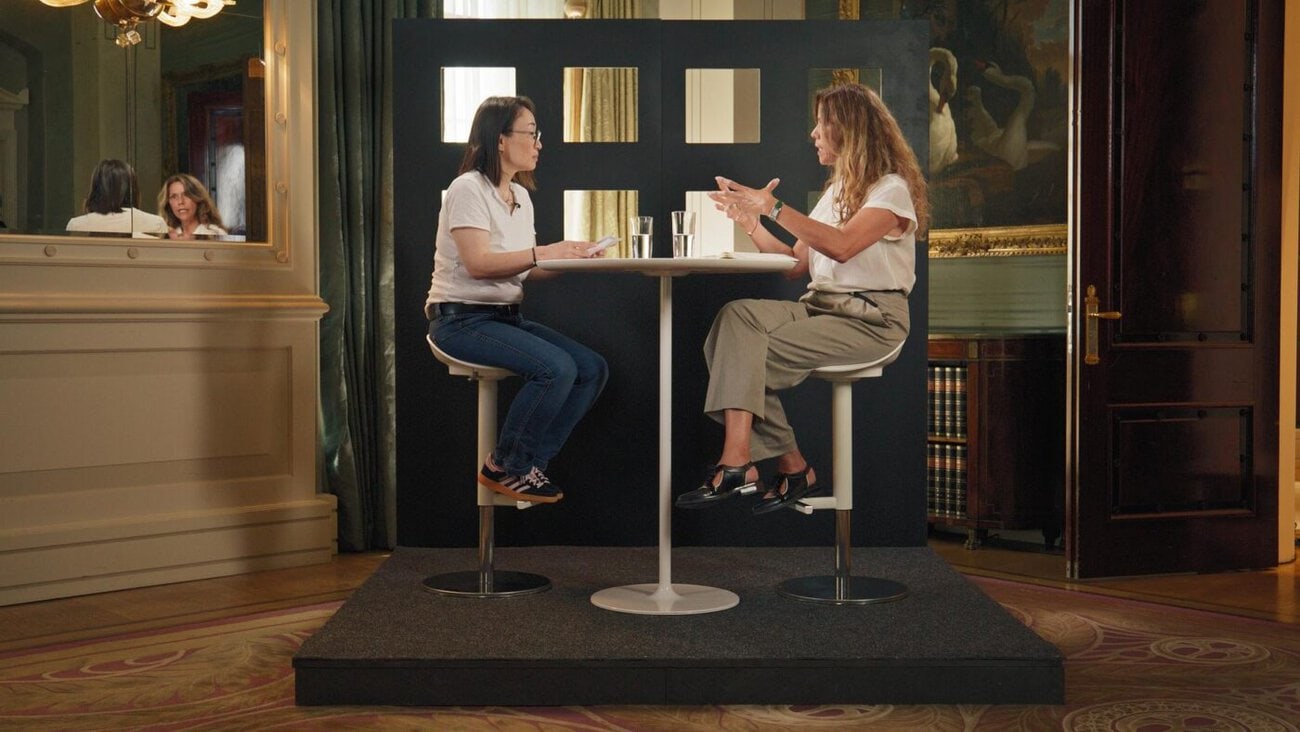
Resonance Even Outside the Industry
Fanzun itself was pleasantly surprised that the format has had an impact beyond the traditional construction industry. «We were pleasantly surprised that so many people were moved by the conversations, even outside our industry,» says Dario Geisseler, CEO of Fanzun. «This shows that we’ve struck the right note with this format.»
All episodes of the NUZ video podcast are available at https://fanzun.swiss/nuz and available on popular podcast platforms.
Person in charge at Fanzun: Jessica Kessler (Head of Marketing & Communications), Urs Simeon (Overall Responsibility). Moderation: Hanbekks (Rebekka Allemann). Mainland Concept: Marco Casile (Project Manager), Christian Sidow (Editor). Yesss Film Production: Paddy Rubin (Production Manager), Dario Grasso (Technical Director), Martin Rickenmann, Roger Brülisauer (Post-Production).
]]>
Naomi Gregoris is taking over as head of the feature department at annabelle. The 38-year-old journalist, podcaster, and host is joining the editorial team of the Swiss women’s magazine, which will soon celebrate its 90th anniversary, and will work with the team to further expand the magazine’s feature journalism capabilities. In her new role, she will develop topics, mentor writers, and be responsible for the journalistic quality of the department.
Gregoris brings a wealth of editorial experience to the table: She has worked for *TagesWoche*, *bz Basel*, *Bajour*, and *WOZ*, and has contributed as a freelancer to national and international publications such as *Die Zeit*, SRF 2, and *NZZ am Sonntag*. As a journalist, she approaches sociopolitical and feminist topics with great openness and journalistic curiosity. In clear, accessible language, she writes about people and developments that shed light on social change.
The «Untenrum» podcast reached a wide audience
Through her podcast «Untenrum,» Gregoris has reached a wide audience and brought attention to topics related to the body, sexuality, and what it means to be a woman. Through various media platforms, she has sparked important debates—such as the societal response to miscarriages. Her journalistic work has won awards and been nominated for prestigious journalism prizes.
Editor-in-Chief Barbara Loop is delighted with the new addition to the team: «I’m very pleased that we’ve been able to bring Naomi Gregoris on board as a journalist for annabelle—she brings a unique perspective, journalistic curiosity, and a great passion for storytelling. She knows how to make socially relevant topics accessible through people and their stories. We want to further strengthen this blend of perspective, empathy, and quality journalism at annabelle.»
Gregoris herself is looking forward to her new role: «For me, *annabelle* is a place where intelligent debates, compelling reporting, fashion, and entertainment come together in a unique way. I’m looking forward to working with the team to tell great stories, take on new challenges, and help shape the socio-political discourse.»
Successor to Stephanie Hess
Gregoris succeeds Stephanie Hess, who has left a lasting mark on *annabelle* far beyond her department—with her journalistic expertise, her ideas, and her personal greatness. The *annabelle* editorial team and the publisher Medienart would like to thank Stephanie Hess for her dedication and the time we spent together.
Annabelle is Switzerland’s leading women’s magazine and has stood for high-quality journalism, compelling stories, and an independent perspective on society, politics, culture, fashion, and women’s lives since 1938. It is published by Medienart, which reaches more than 403,000 readers monthly with its titles (MACH-Basic 2026-1).
]]>