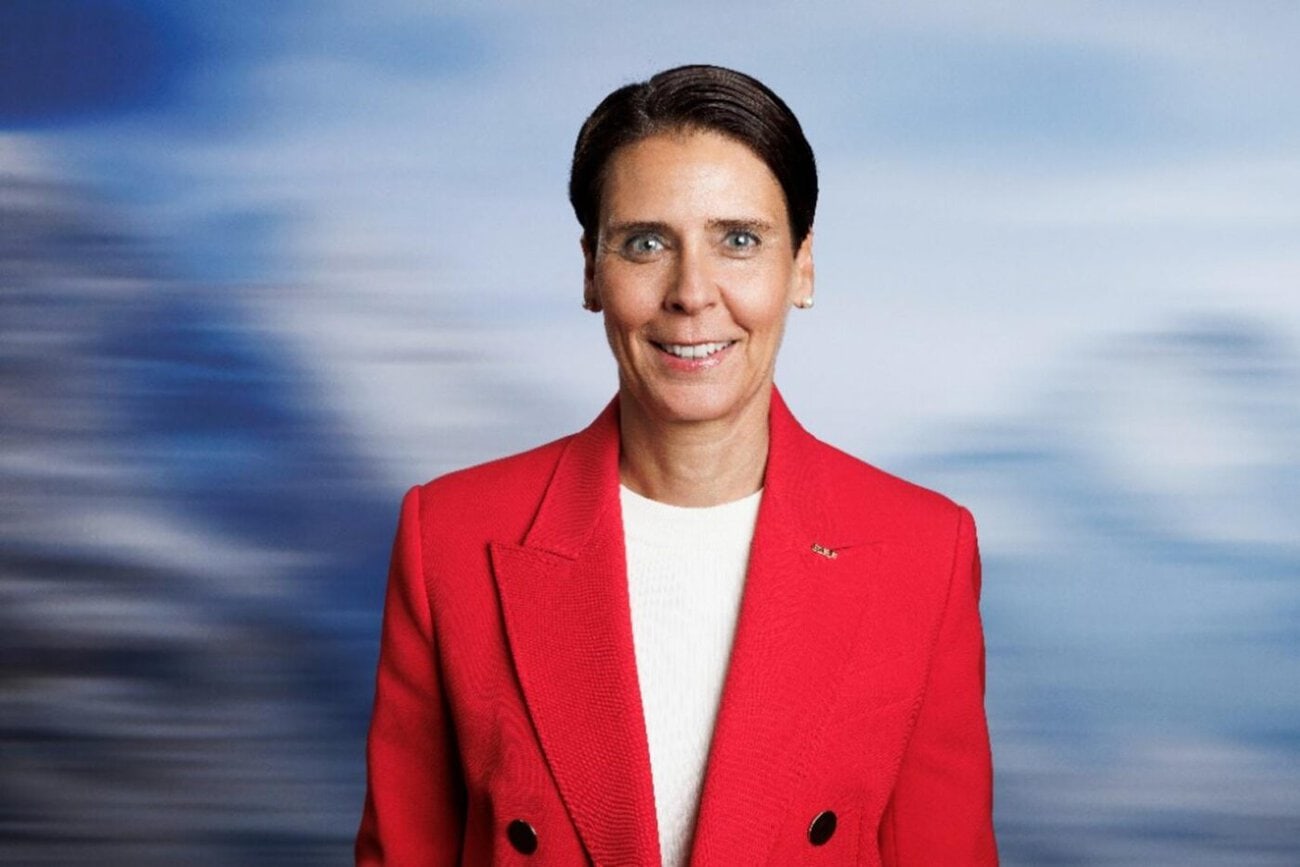
The Neue Zürcher Zeitung is restructuring its commercial operations. At the center of the reorganization is NZZ Experience’s Corine Blesi: The former managing director of NZZ Connect will take over as head of the newly created NZZ Experience division effective October 1, 2026, and will simultaneously join the executive board.
Two independent business segments
Going forward, the user market will be managed independently as a subscription business, while the advertising market, events, partnerships, and other commercial offerings will be consolidated under the NZZ Experience division. Both divisions are represented directly on the Executive Board. According to the NZZ, the new structure allows the company to address the different requirements and growth opportunities in both business areas. In the user market, the focus is on further developing the subscription business in Switzerland and Germany. Through NZZ Experience, the NZZ aims to better leverage the potential of its brand and platforms for advertisers, partners, and communities.
Many years of experience in the conference industry
Corine Blesi has been responsible for the NZZ’s conference business and the Swiss Economic Forum (SEF) since August 2019. Since 2021, these activities have been consolidated under NZZ Connect, which now includes economic conferences, community events, and various business awards. Blesi has been a member of the extended executive board since March 2021. In her new role, she is responsible not only for NZZ Connect and the NZZ Academy but also for NZZ Live, audienzz, NZZone, strategic partnerships, and additional commercial ventures.
Felix Graf, CEO of the NZZ, comments on the reorganization: «With this new structure, we are establishing a clear focus for both divisions and creating the conditions to better leverage their respective potential. Corine Blesi knows the NZZ and our business very well and brings a wealth of experience in building and developing commercial offerings. I am very pleased that she will be responsible for the NZZ Experience division on the Executive Board going forward.»
Search for New Leadership for the Consumer Market
The NZZ is conducting an internal and external selection process to fill the leadership position for the user market. The company is seeking an experienced leader with a proven track record in the subscription business. Until a new head is appointed, the division will continue to be led on an interim basis by Roman Bretschger, Secretary General and Deputy CEO.
]]>

NZZ Bellevue is celebrating its tenth anniversary. The editorial team is using this milestone to further develop its brand: Through journalistic content, events, and select partnerships, NZZ Bellevue is creating new touchpoints with its community beyond digital channels.
For ten years, NZZ Bellevue has been curating the good life—stylishly, inspiringly, and with a distinct voice. With a keen sense for trends and developments, the editorial team selects relevant stories from the worlds of fashion, design, beauty, cuisine, and travel and presents them in a journalistic context. Thanks to this positioning, the brand has, according to its own statements, grown steadily.
The brand is expanding beyond digital channels
«NZZ Bellevue stands for stories that inspire, surprise, and open up new perspectives. That’s exactly what we’re building on as we continue to develop the brand step by step—with new ways to experience our content beyond digital channels,» says Kerstin Netsch, editor-in-chief of NZZ Bellevue.
«As part of the »NZZ am Sonntag,« NZZ Bellevue has evolved over the past ten years into a key reach-building product for the NZZ. The publication reaches target audiences that we would not be able to reach with our paid offerings alone, thereby strengthening the NZZ brand even beyond our core readership,» says Beat Balzli, editor-in-chief of “NZZ am Sonntag.”.
Events and Partnerships: A New Chapter
To mark its anniversary, NZZ Bellevue is turning the page to the next chapter: The brand is consistently expanding its thematic universe and bringing it to life not only through editorial content but also through events, personal experiences, and select partnerships—wherever its community seeks inspiration. A visible manifestation of this evolution is the anniversary event. Together with the creative agency Villa Nomad, the NZZ Bellevue editorial team and NZZ Live are bringing their community together in the heart of Zurich’s Kreis 5 for an evening full of inspiration, personal encounters, and conversation.
At the anniversary event and beyond, NZZ Bellevue is stepping up its collaboration with select local partners, brands, and creatives. Together with the NZZ Shop, this collaboration also resulted in an exclusive anniversary collection, which, according to the company, sold out within a short time.
Journalism Remains at the Core
Journalism remains at the heart of NZZ Bellevue. In addition to its digital portal, NZZ Bellevue also appears weekly in the *NZZ am Sonntag Magazin*. The NZZ Bellevue anniversary issue of the magazine, published on September 20, exemplifies its journalistic standards: It is dedicated to the 100 most pressing questions about the art of living well. The answers come from Swiss creatives, thinkers, and contributors, as well as the editorial team.
More information about NZZ Bellevue: https://www.nzz.ch/bellevue
Editor-in-Chief at NZZ Bellevue: Kerstin Netsch, Editor-in-Chief of NZZ Bellevue. Editor in charge at NZZ am Sonntag: Beat Balzli, Editor-in-Chief of *NZZ am Sonntag*.
]]>
What does a media brand sound like that has stood for independent analysis and journalistic quality for generations—while continuously evolving? This very question was at the heart of the NZZ’s new sound identity. In collaboration with TONIQ, an acoustic brand system was developed that centers on a shift in perspective and can be flexibly applied across a wide variety of applications.
This approach has now also won over the jury of the International Sound Awards, which is composed of top-tier audio and digital experts from around the world. In its statement, the jury praised the work as «a carefully researched, high-quality, and flexible sound identity that harmonizes consistency and adaptability for a renowned newspaper brand.» They also specifically highlighted «the strategic rigor, the comprehensive toolkit, and the well-balanced blend of modern and classic sounds.».
«For a brand like the NZZ, it’s crucial to respect what has been tried and true while also creating space for new formats and perspectives—and thereby reaching across the broad target audience,» says Ina Bauspiess, Head of Partnerships, Live Events & Branding at the NZZ. «We’re very pleased that the jury recognizes precisely this combination of consistency and the ability to adapt to the times, and it’s a wonderful affirmation of our collaboration with TONIQ.»
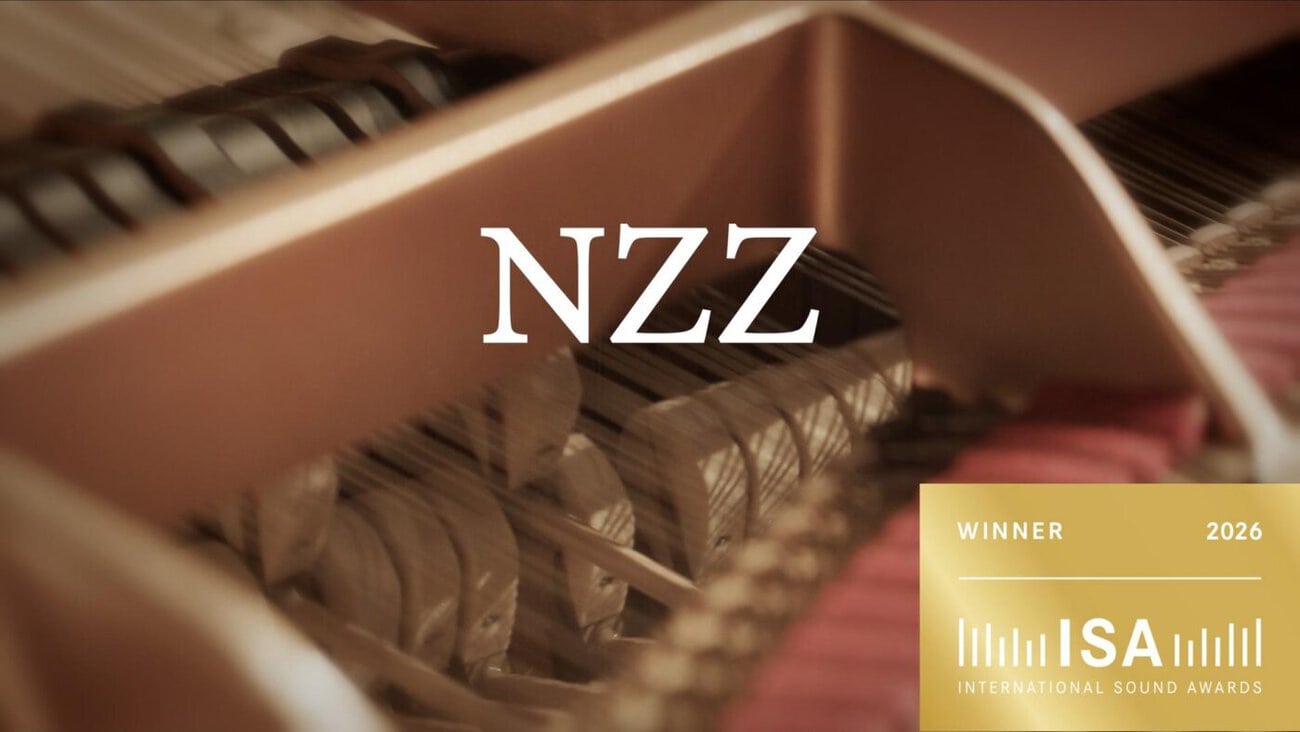
The award-winning brand sound system was developed for the entire NZZ portfolio: as a subtle cinematic backdrop for brand communication, as a distinctive framework for podcast formats, in spatial form for live events, and as a short, recognizable signature for social media and editorial applications. The system also includes the strategic foundation for the NZZ’s brand voice.
The International Sound Awards In Hamburg, outstanding projects in the fields of sound, music, and audio communication are recognized annually, with a special focus on applications of sound that are strategically, creatively, and technologically compelling.
Responsible at NZZ: Ina Bauspiess (Head of Partnerships, Live Events & Branding), Nina Hildebrand, Olivia Blum (NZZ Brand & Creation Team), Sarah Ziegler (Podcast Manager), Guy Papstein (Senior Product Designer). Person in charge at TONIQ: Ph!L!pp Schweidler (Director of Strategy), Alexandra Salomão (Consultant), Florian Goetze (Creative Director), Dominique Dreier and Kilian Spinnler (Creative Producers), Yves Gerber (Head of MeloMetriq)
]]>
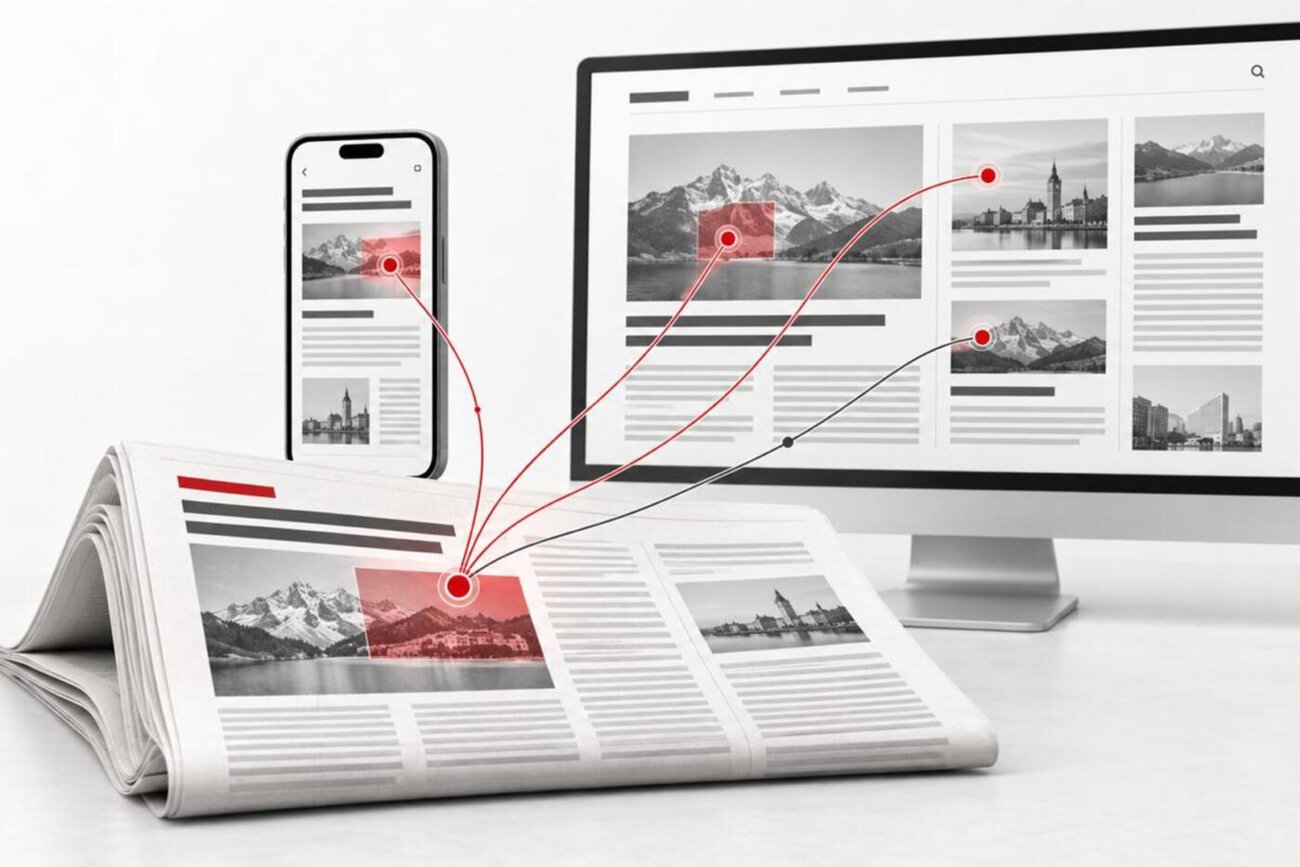
On September 9, 2026, the Swiss Media Publishers Association (VSM) launched a Memorandum of Understanding regarding the use of journalistic content. The guidelines define common principles for citing sources, providing links, and the secondary use of third-party journalistic content. The first signatories to this voluntary commitment are Ringier Medien Schweiz, the NZZ, CH Media, Somedia, the Freiburger Nachrichten, and Gammeter Media. The Conference of Editors-in-Chief also supports the agreement.
Journalistic content can be shared quickly and easily in the digital space today. This makes clear rules all the more important, according to the statement: They help the public understand where information comes from, strengthen the credibility of journalistic reporting, and ensure fair treatment of the work produced by other newsrooms. With the Memorandum of Understanding titled «Transparency and Fair Reuse of Journalistic Content,» the participating media companies say they are creating a common framework that enhances transparency, respects the original journalistic work, and at the same time safeguards editorial independence.
Clearly cite sources and provide links to the originals
The memorandum stipulates: Anyone who reproduces journalistic content from another media outlet must clearly and prominently cite the original source. The source must be cited no later than the first relevant reference to the content and must be repeated in longer articles or when there are multiple references. Online, a direct hyperlink to the original article must also be provided—regardless of whether it is freely accessible or behind a paywall.
According to the Memorandum of Understanding, special care should be taken with regard to exclusive research, interviews, revelations, and comparable original contributions. In such cases, the original journalistic work should remain clearly identifiable through prominent and timely attribution of the source. This transparent attribution acknowledges the research effort invested and prevents the public from getting the impression that the content is the media outlet’s own original work.
The secondary use of journalistic content remains the exception
The memorandum distinguishes between journalistic reworking involving substantial original work and mere secondary use. Anyone who contributes new facts through their own research, draws on additional independent sources, verifies source material, or provides substantial contextualization of their own is producing an independent journalistic work—though the obligation to transparently cite sources remains.
More stringent rules apply to pure secondary use: Paraphrasing or reproducing entire articles or substantial portions thereof is not permitted. Furthermore, secondary use should remain sporadic; systematic use of third-party journalistic content is prohibited.
Journalism competition remains unrestricted
The memorandum explicitly states that journalistic competition should not be restricted. Critical reporting, the verification or refutation of statements, and independent follow-up investigations must neither be prevented nor delayed. In this way, the voluntary commitment combines fair recognition of original journalistic work with the freedom and responsibility of independent newsrooms.
The participating media companies will establish a point of contact through which potential violations can be promptly addressed and resolved. In the event of conflicts, a tiered procedure applies: First, direct contact is made; then, if necessary, the matter is resolved between the editorial leadership of the media companies involved. Consultation at the VSM level is envisaged only in cases of persistent disagreement or repeated, systematic misconduct. At the same time, the participating companies commit to communicating the principles of the memorandum internally and coordinating compliance with them across their editorial channels.
Open to the entire media industry
The Conference of Editors-in-Chief supports the agreement to protect journalistic work and raise awareness of the ethical issues surrounding «plagiarism.» The memorandum is intended to be a dynamic set of guidelines and is to be reviewed at least every two years in collaboration with the participating media companies and, if necessary, adapted to technological developments and new journalistic standards.
Participation is open to all media companies that are committed to the established principles of journalistic integrity and fairness—regardless of whether they are members of the VSM. Membership is granted upon submission of an informal declaration to the VSM office.
More information about the Memorandum of Understanding is available on the Publishers Association's website: https://www.schweizermedien.ch
]]>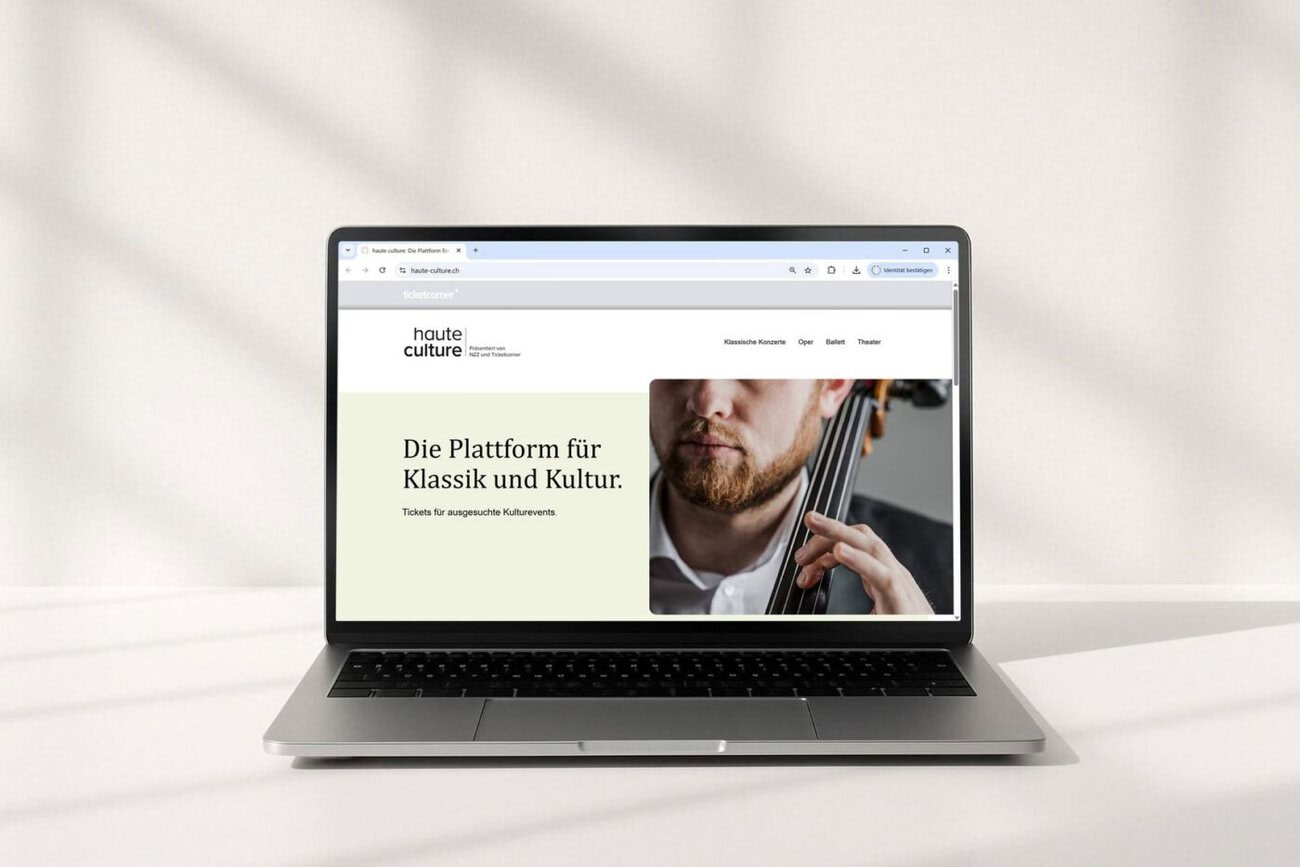
"haute culture" cultural platform: Swiss cultural offerings all in one place
Switzerland boasts an exceptionally diverse cultural landscape—but until now, anyone wanting to get an overview or buy tickets had to search through the offerings of individual organizers separately. The NZZ and Ticketcorner are now jointly launching the cultural platform «haute culture,» which, for the first time, brings together events from renowned cultural institutions in one place and aims to simplify access to high-quality cultural experiences. The platform is available now at haute-culture.ch available.
Two partners, a clear division of responsibilities
The new platform is designed to combine the expertise of both partners: Ticketcorner will provide the technical infrastructure and be responsible for recruiting participating cultural institutions. The NZZ is supporting the launch with a national communications campaign in print and online, as well as a special supplement in the «NZZ am Sonntag» on October 18, 2026.
Ina Bauspiess, Head of Partnerships at the NZZ, states: «A well-informed and independent exploration of culture is an integral part of the NZZ’s journalistic identity. With »haute culture,’ we are expanding this commitment to include a concrete service: We are creating a platform that provides guidance, inspires, and simplifies access to cultural experiences.”
Oliver Niedermann, CEO of Ticketcorner, adds: «With »haute culture,’ we offer a central gateway to Switzerland’s most important cultural events. This benefits cultural institutions as well as visitors. The platform increases the visibility of event organizers and makes it easier to find cultural offerings.”
Renowned cultural institutions and stars mark the launch of the "haute culture" cultural platform
Right from its launch, «haute culture» will feature renowned cultural institutions and ensembles, including the Zurich Opera House, the Zurich Chamber Orchestra, Lugano Arte e Cultura (LAC), and the Béjart Ballet Lausanne. The program features performances by Plácido Domingo, Anne-Sophie Mutter, and Anna Netrebko, as well as exhibitions of works by Picasso, Miró, and Dalí. Additional organizers are expected to continually expand the lineup.
Responsible at NZZ: Ina Bauspiess, Head of Partnerships. Responsible at Ticketcorner: Oliver Niedermann, CEO.
For more information about the "haute culture" cultural platform: https://haute-culture.ch
]]>
NZZ Art Edition: When Painting and Photography Meet
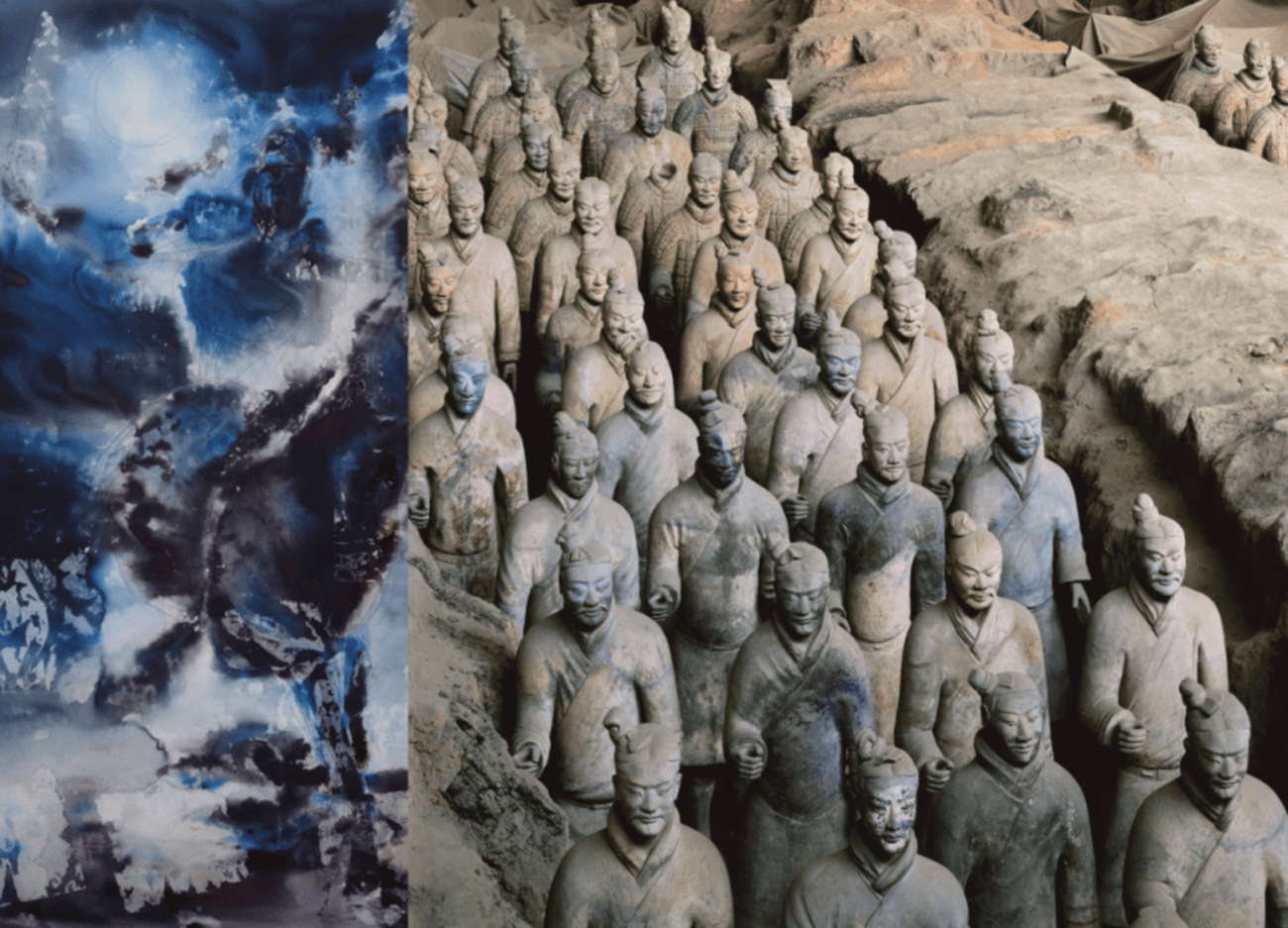
On Saturday, September 5, 2026, the NZZ Art Edition of the *Neue Zürcher Zeitung* will be published featuring an unusual collaboration: painter Rebekka Steiger and photographer Daniel Schwartz are co-creating the issue—and in doing so, engaging in a dynamic artistic dialogue. Two fundamentally different artistic visions come together to form a unified composition that is far greater than the sum of its parts.
Rebekka Steiger works with mythical forms and poetic colors, guided by her intuition. Daniel Schwartz, on the other hand, takes a documentary approach to his subjects and views photography first and foremost as a craft. It is these differing approaches that give their collaboration its special appeal. «Photography depicts reality, while painting creates an image from the imagination. This creates a dialogue,» says Schwartz in an NZZ interview with Roman Bucheli. Steiger adds: «We’re vying for attention. But not with the intention of crowding each other out; rather, a tension arises at the edges of the images.»
Thirty Dreams and Five Glaciers
Rebekka Steiger created the series «Dreams,» consisting of thirty small-format paintings, exclusively for the NZZ. Each painting stands on its own. At the same time, when viewed as a group, the series forms a carefully constructed overall composition in which animals, landscapes, and human figures appear and then fade away.
Daniel Schwartz selected five glacier images from his global long-term project «While the Fires Burn. A Glacier Odyssey» for the NZZ edition «theatrum Alpinum.» For this edition, the images were produced as photogravures for the first time. The double interview by Roman Bucheli complements the issue’s content and gives the two artists space to explain their perspectives.
Exhibition at the Urs Meile Gallery in Zurich
From September 4 to 7, 2026, the Urs Meile Gallery in Zurich will present one-of-a-kind works and editions by Rebekka Steiger and Daniel Schwartz. The exhibition «I rode to meet you» invites visitors to discover the works in person. Starting September 10, 2026, Steiger’s works will continue to be on display at the same gallery.
Rebekka Steiger and Daniel Schwartz
Rebekka Steiger, born in Zurich in 1993, completed her art studies at the Lucerne University of Applied Sciences and Arts in 2016. In her large-format paintings, she combines abstract and figurative painting with an expressive style. Studio residencies in Beijing (2018) and Vietnam (2022) had a formative influence on her work. Her work has been exhibited at venues including the Kunstmuseum Thun, where the exhibition «Bīngfēng» took place in 2025; a monograph was published by Hatje Cantz to accompany the exhibition.
Daniel Schwartz, born in Olten in 1955, graduated from the photography program at the Zurich School of Applied Arts (now ZHdK) in 1980. In 1987 and 1988, he documented the Great Wall of China; since the 1990s, he has documented the environment and conflicts in the deltas of Asia, in Central Asia, and in Afghanistan. Major photo essays have been published in the cultural magazine «Du» and in the «Neue Zürcher Zeitung.» In 2010, he received the Culture Prize of the Canton of Zurich, and in 2019, the Art Prize of the Canton of Solothurn.
More information about the works and the artists is available on the NZZ Art website: https://www.nzz.ch/nzz-art
]]>
STUIQ's iWay campaign says what many are thinking
No. No. Not again … «Damn Internet!»—Who hasn’t been there? The Zurich-based creative agency STUIQ uses this very frustration as the starting point for the new iWay campaign. With a striking TV commercial, digitally enhanced visuals, and out-of-home (OOH) advertising, STUIQ’s iWay campaign positions the telecommunications provider as an honest alternative in a market environment marked by frustration.
It’s a familiar scenario: You’re sitting at home, ready to watch your favorite show on Netflix—but just then, the internet goes down or the router crashes. That would be bad enough, if it weren’t for the annoying budgie. STUIQ has turned this everyday disconnect between expectations and reality into the core of a short, humorous TV commercial. The commercial exemplifies a campaign that deliberately doesn’t mince words.
Humor Meets Authenticity: The STUIQ Strategy for iWay
According to the company, IWay has always stood for fair Internet, TV, and mobile services. Authenticity, humanity, and transparency are intended to shape not only the company’s product offerings but also its personalized customer service. It is precisely this approach that is reflected in the company’s communication strategy: direct, honest, and closely aligned with the customer experience.
STUIQ handled the entire campaign and film production in-house. The agency also leveraged its AI expertise to portray the budgie and its movements in a lifelike yet slightly «cartoonish» way. The goal is to generate brand recognition, a smile, and goodwill—and to strengthen iWay’s image as a likable and honest telecommunications specialist.
In addition to the TV commercial, other assets were produced for digital channels, DOOH, and an NZZ branding page. According to the press release, the multimedia campaign is entirely focused on raising awareness.
Fabienne Ita, Deputy Head of Marketing at iWay, comments on the collaboration: «I think it’s great when you can find simple messages that you can package just as simply, but with a lot of entertainment. STUIQ never ceases to surprise us in this regard.»
Responsible at iWay: Francesco Caiafa (Head of Marketing and Product Management), Fabienne Ita (Deputy Head of Marketing, Marketing Coordinator), Amanda Fuchs (Senior Designer). Campaigning/Film: STUIQ. Cast: Fisar Sefa. Sound Design: DubDub Studios. Grading: Davide Greco.
]]>
NZZ Federal Parliament Editorial Office with New Leadership and an Expanded Team
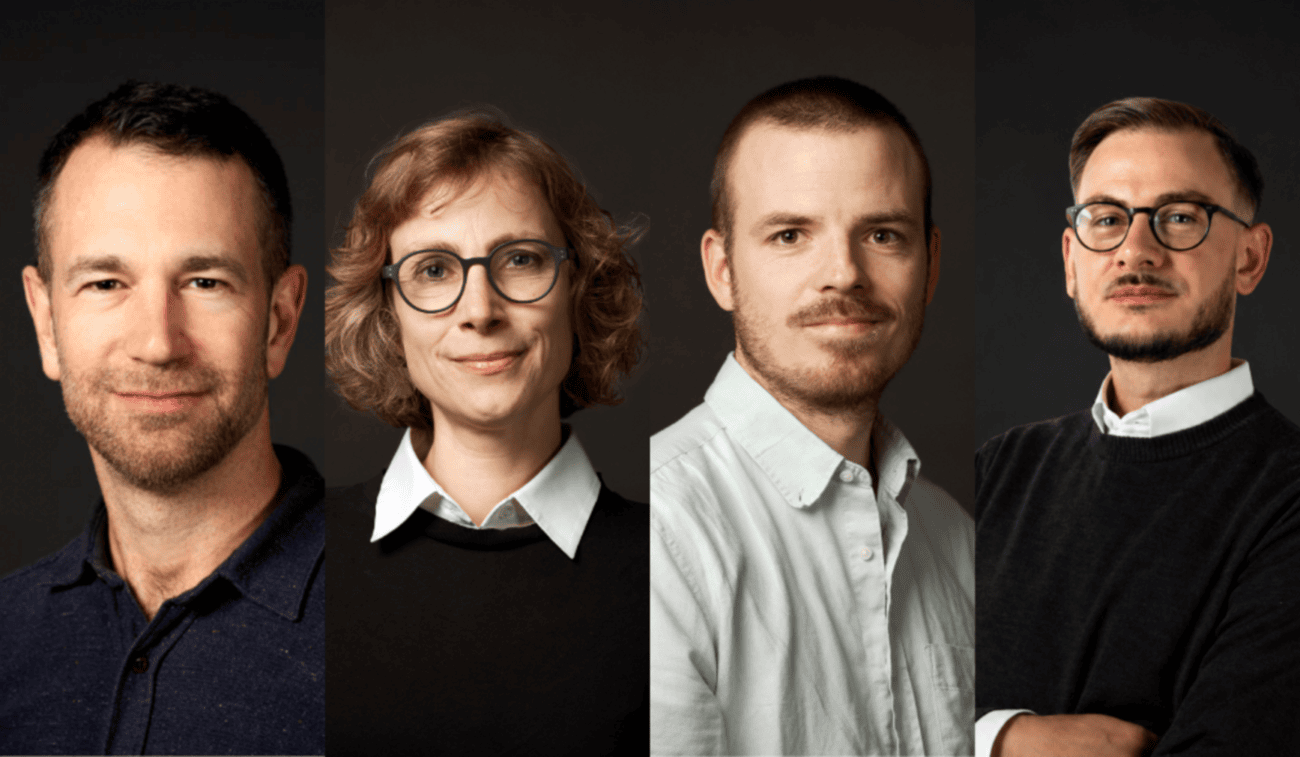
The NZZ is restructuring its Federal Parliament editorial team, thereby strengthening its political coverage from Bern. Effective October 1, 2026, Niklaus Nuspliger will take over as head of the NZZ’s Federal Parliament editorial team. He has been with the NZZ since 2007 and previously served as a Federal Parliament correspondent in Bern from 2008 to 2011. He subsequently served as a foreign correspondent in New York, Brussels, and most recently London. Drawing on his many years of experience in Swiss and international political reporting, he will now assume the role of department head.
At the same time, the deputy leadership of the Domestic Affairs Division will be expanded: In addition to Andri Rostetter, Nuspliger will also assume this role in the future.
Two new faces are joining the team
Effective September 1, two more journalists will be joining the editorial team. Adrien Woeffray is moving from the *Freiburger Nachrichten* to the NZZ; previously, he served as politics editor at the *Walliser Bote*, among other roles. Beatrice Bösiger will take on the role of economic correspondent at the Federal Parliament. The former NZZ business editor and banking specialist will now report from Bern on economic and financial policy. Organizationally, she will remain part of the economics department and will work closely with the Federal Parliament editorial team on content—a model that deliberately promotes the integration of political and economic reporting.
The newly formed NZZ Federal Parliament editorial team also includes Katharina Fontana, Selina Berner, Matthias Venetz, and Renato Schatz, who joined in May 2026. Schatz gained his first experience in political reporting at the «St. Galler Tagblatt» and subsequently worked in the NZZ’s newsroom before transferring from the NZZ headquarters in Zurich to Bern on May 1.
Experience and Networking as the Foundation
NZZ Editor-in-Chief Eric Gujer summarizes the approach: «Good political journalism thrives on experience, proximity, strong networks, and in-depth knowledge of the issues. That’s what we’re focusing on with our new structure.»
]]>
Johannes Boege, NZZ: Departure After Seven Years at the Helm
Johannes Boege, Deputy CEO and Chief Commercial Officer of the NZZ, will leave the company at the end of 2026. The long-time member of the Executive Board will take on the role of Chairman of the Executive Board at the Frankfurter Allgemeine Zeitung (FAZ) effective January 1, 2027. The NZZ announced this on July 6, 2026.
Boege has been a member of the NZZ Executive Board since 2019. He is responsible for the company’s revenue and earnings performance and has served as Deputy CEO to Felix Graf since July 2022. Over the past seven years, he and his team are said to have driven the digital transformation of the NZZ, further developed the product portfolio, and had a significant impact on the reader and advertising markets. According to the press release, through a consistent premium strategy, he has significantly increased the profitability of the digital reader market and expanded the German business into an important growth market.
Felix Graf pays tribute to Johannes Boege's contribution in the NZZ
CEO Felix Graf commented on the departure of his longtime deputy: «Johannes Boege has had a decisive influence on the NZZ’s development in recent years. We sincerely thank him for his extraordinary dedication and his contribution to the NZZ’s success. We regret his decision to leave the company. Together with his team, Johannes Boege has laid a strong foundation for the NZZ’s next steps in its development. We wish him every success in his new role and all the best personally.»
Roman Bretschger Assumes the Role of Deputy with Immediate Effect
Until his departure at the end of the year, Johannes Boege will ensure an orderly transition. Roman Bretschger, Secretary General and member of the NZZ Executive Board, will assume his role as Deputy CEO effective immediately. According to the company, the succession planning process has already begun.
For more information about the NZZ and its management, visit https://www.nzz.ch retrievable.
]]>
NZZ Games: Brain Teasers Meet Journalistic Standards
With «NZZ Spiele,» the NZZ is expanding its app to include four daily brain teasers and word games. The new feature combines intellectual challenges with a playful approach to the NZZ’s journalistic content—and is intended to create an additional reason for existing users to engage with the app.
Four games, different preferences
According to the press release, in our information-rich daily lives, taking conscious breaks is more important than ever. «NZZ Spiele» is designed to offer users a space for a brief pause to reflect, with intellectual depth. The games are modeled after internationally successful examples but have a distinctive character thanks to their thematic focus and the integration of NZZ content.
Specifically, the offering includes four formats: The Japanese logic puzzle «Arukone» invites users to put their minds to the test. «Zeitlupe» challenges users to place images from the NZZ archive in their historical context. «Wortschatz» and «Wörtli» test linguistic creativity, vocabulary, and the ability to make connections. In addition, users receive personalized statistics, can build winning streaks («Streaks»), and share their results. These features are being continuously developed, the announcement adds.
Developed with Blindflug Studios
The new games were developed in collaboration with Zurich-based game developer Blindflug Studios, which specializes in sophisticated digital gaming experiences. Andreas Gysler, Head of Revenue at NZZ, explains the goal behind this: «The games invite users to explore our app not only for editorial content but also for short intellectual challenges. This creates an additional reason to use the app and establishes the NZZ as a daily companion, even during brief breaks.»
Part of the NZZ's digital strategy
The launch of «NZZ Games» in the app is part of the NZZ’s digital strategy. Johannes Boege, Chief Commercial Officer at the NZZ, also sees potential here for reaching new audiences: «With »NZZ Games,’ we’re creating added value for our existing user base while also reaching new audiences. For younger users in particular, the games can serve as a first point of contact with the NZZ—through brain teasers that reflect the brand’s journalistic standards and intellectual curiosity.”
«NZZ Games» are now available in the latest version of the NZZ app.
More information: https://unternehmen.nzz.ch
Responsible at NZZ: Andreas Gysler, Head of Revenue; Johannes Boege, Chief Commercial Officer. Game Development: Blindflug Studios, Zurich.
]]>
Netpoint Media Becomes audienzz Germany
In early 2023, the Swiss digital advertising specialist audienzz acquired the Berlin-based company Netpoint Media. This move is now also reflected in the company’s brand identity: Netpoint Media will operate under the name audienzz Germany effective immediately. According to the company, the name change marks the final milestone in the integration process and is also a strategically important step in expanding its business in the DACH region.
Remo Baumeler, CEO of audienzz, commented on the move: «As audienzz Germany, we are now present in the German market not only as a separate company but also under the audienzz brand. The name change was the final milestone in the integration of Netpoint Media into audienzz and also marks another strategically important step in the expansion of our business in the DACH region.»
Added Value for Publishers: Technology and Reach
For publishers, integration with audienzz is expected to bring concrete benefits. Connecting to the ad network could potentially increase demand for ad inventory. The combination of AI-powered data analysis and automated yield optimization is intended to ensure stable revenue structures and optimize the monetization of digital content. Publishers retain full control over the process: they set the prices and determine the strategy for their ad spaces.
audienzz Germany Strengthens Its Position in the Programmatic Market
For advertisers—including agencies and brands—the new structure shortens the path to their target audiences. Direct, exclusive access to ad placements in high-quality environments is complemented by the company’s proprietary semantic technology, SemantIQ, which uses AI to place campaigns in thematically relevant contexts. The Ad Console, a central AI-based tool, is used for campaign management and analysis. In addition, the audienzz technology is said to offer virtually unlimited scalability: campaigns can be flexibly expanded across different markets and formats—while maintaining full control over budget and performance.
Sven Heller, Managing Director of audienzz Germany, explains: «Under the audienzz umbrella, we have substantially expanded our range of services and strengthened our position as an independent technology and marketing partner in the German programmatic and digital advertising market. With the new name audienzz Germany, we are now clearly showcasing our refined profile.»
Audienzz was founded in 2016 as a spin-off of the NZZ and now employs more than 120 people in the DACH region. Its technology ecosystem includes, among others, the audienzz AdStack, the AdConsole, Zulu5, and Yaleo.
For more information about audienzz Germany, visit audienzz.com available.
]]>
CH Media is expanding its digital news offerings: With the new news portal «Schweiz heute,» the company is creating a national platform for German-speaking Switzerland that focuses on national and international topics and combines them with the most compelling stories from the regions. The portal is now available at schweizheute.ch and as an app.
«Schweiz heute» News Portal Consolidates Editorial Resources
Behind the new portal lies the combined journalistic strength of the entire editorial network of CH Media’s daily newspapers—approximately 350 journalists. With this launch, CH Media is deliberately focusing on close collaboration between national and regional editorial teams. CEO Michael Wanner explains the approach: «Quality journalism today requires both a national perspective and regional proximity. With the new portal, we are combining these two elements even more closely and creating a new and attractive digital offering for all of Switzerland.»
To further enhance the editorial team’s impact, the domestic news desk has been reorganized in recent months. Lea Hartmann and Michael Graber are jointly taking over as editors-in-chief. Anna Wanner and Doris Kleck are focusing on new journalistic assignments. In addition, the editorial team has been strengthened by Fabian Schäfer from the «NZZ» and Céline Zahno from «Blick.».

New Subscription Model: Access to All Titles for the Same Price
Alongside the launch of the news portal, CH Media is introducing a new digital subscription model. Anyone who already subscribes to a CH Media daily newspaper will, in the future, have access to the digital content of all the company’s daily newspapers at no extra charge. Thomas Wegmann, Head of Publishing at CH Media, describes the model: «With the GA model, our readers can explore the entire universe of our newspaper titles across all of German-speaking Switzerland.»
Editor-in-Chief Patrik Müller highlights the added value of the content for users: «Our readers are increasingly interested in topics that extend far beyond their own region. With this new model, we offer them easy and appealing access to all relevant content from CH Media: national, international, and regional.»
Sharing and Further Development During Live Operations
Since this spring, users have also been able to share up to ten articles per month and easily share content with their friends and family. CH Media says it is optimizing the new platform as it rolls out and gradually developing it into a central digital news platform for Switzerland.
For more information about the news portal, visit schweizheute.ch available.
]]>