Nach einem positiven Auftakt ins Quartal konnte der Schweizer Werbemarkt den Aufschwung nach der Sommerpause nicht fortsetzen. Wie Media Focus im Werbemarkt Trend September 2026 mitteilt, belief sich der Werbedruck im September auf 370.7 Millionen Franken. Das sind 1.8 Prozent weniger als im Vorjahr. In der kumulierten Betrachtung (YTD) zeigt sich weiterhin eine leicht positive Entwicklung: Mit insgesamt 2’768.0 Millionen Franken liegt der Werbedruck 0.7 Prozent über dem Vorjahreswert.
Schweizer Werbemarkt: Out-of-Home als einziger Gewinner
Bei den klassischen Mediengruppen überwiegt im September die rückläufige Entwicklung. Einzig Out-of-Home wuchs um 13.0 Prozent. Den stärksten Rückgang verzeichnete Kino mit minus 28.3 Prozent, gefolgt von Print (minus 8.1 Prozent), Radio (minus 6.7 Prozent) und TV (minus 6.1 Prozent). Auch kumuliert weisen vier der fünf klassischen Mediengruppen Rückgänge aus. Out-of-Home liegt hier mit einem Plus von 17.0 Prozent vorne.
Digitaler Werbedruck durch Datenerhebung geprägt
Im digitalen Werbemarkt beträgt der Brutto-Werbedruck im September 171.0 Millionen Franken, was minus 28.9 Prozent gegenüber dem Vorjahr entspricht. Dieser Rückgang sei jedoch nicht als organische Marktentwicklung zu interpretieren, sondern wesentlich durch externe technische Einflüsse auf die Datenerhebung geprägt. Im September hat Google laut Mitteilung weltweit ein weiteres Sicherheitsupdate durchgeführt, was zu höherer Volatilität in der Datenerhebung führte. Der Vorjahresvergleich bleibt vor allem bei Search und YouTube eingeschränkt. Search hat einen Anteil von 58.9 Prozent, Display von 32.7 Prozent und YouTube von 8.4 Prozent.
Fahrzeugbranche legt zu, Tabakwaren brechen ein
Nur neun Branchen verzeichnen im September eine positive Entwicklung. Die Fahrzeugbranche wächst mit plus 26.2 Prozent prozentual am stärksten, was vor allem auf die OOH-Kampagne für den Volvo EX60 zurückzuführen sei. Die Nahrungsmittelbranche führt die Tabelle mit plus 1.6 Prozent an. Zugenommen haben zudem Verkehrsbetriebe (plus 21.0 Prozent), Telekommunikation (plus 17.4 Prozent), Bauen, Industrie, Einrichtung (plus 10.5 Prozent), Energie (plus 10.0 Prozent), Finanzen (plus 5.0 Prozent), Veranstaltungen (plus 0.6 Prozent) sowie Freizeit, Gastronomie, Tourismus (plus 0.1 Prozent).
Zwölf Branchen weisen einen Rückgang aus. Am deutlichsten fällt er bei Tabakwaren mit minus 89.0 Prozent aus, gefolgt von Dienstleistungen (minus 24.0 Prozent), Persönlicher Bedarf (minus 22.3 Prozent), Reinigen (minus 16.4 Prozent), Kosmetik & Körperpflege (minus 14.8 Prozent) und Initiativen & Kampagnen (minus 13.7 Prozent). Der Detailhandel hält sich trotz minus 5.1 Prozent auf Rang zwei.
Rankings in Search, Display und YouTube
Im klassischen Markt behauptet die Nahrungsmittelbranche kumuliert die Spitze, gefolgt von Detailhandel und Finanzbranche. Digital führt Freizeit, Gastronomie und Tourismus das YTD-Ranking an. Die Fahrzeugbranche liegt in beiden Märkten auf Rang sieben.
Bei Search belegt Booking.com unverändert Rang eins, gefolgt von Trivago.ch. Edreams.ch verdrängt Swisscom.ch auf Rang drei, Swisscom.ch fällt auf Rang fünf. Bei Display verteidigt Spusu.ch die Spitze vor dem Schweizer Obstverband und McDonald’s Restaurants. Bei YouTube übernimmt die YouTube Music Mobile App die Führung vor Pepsi Zero und Die Post My Post 24. McDonald’s ist das einzige Produkt, das bei Display und YouTube unter den Top zehn vertreten ist.
]]>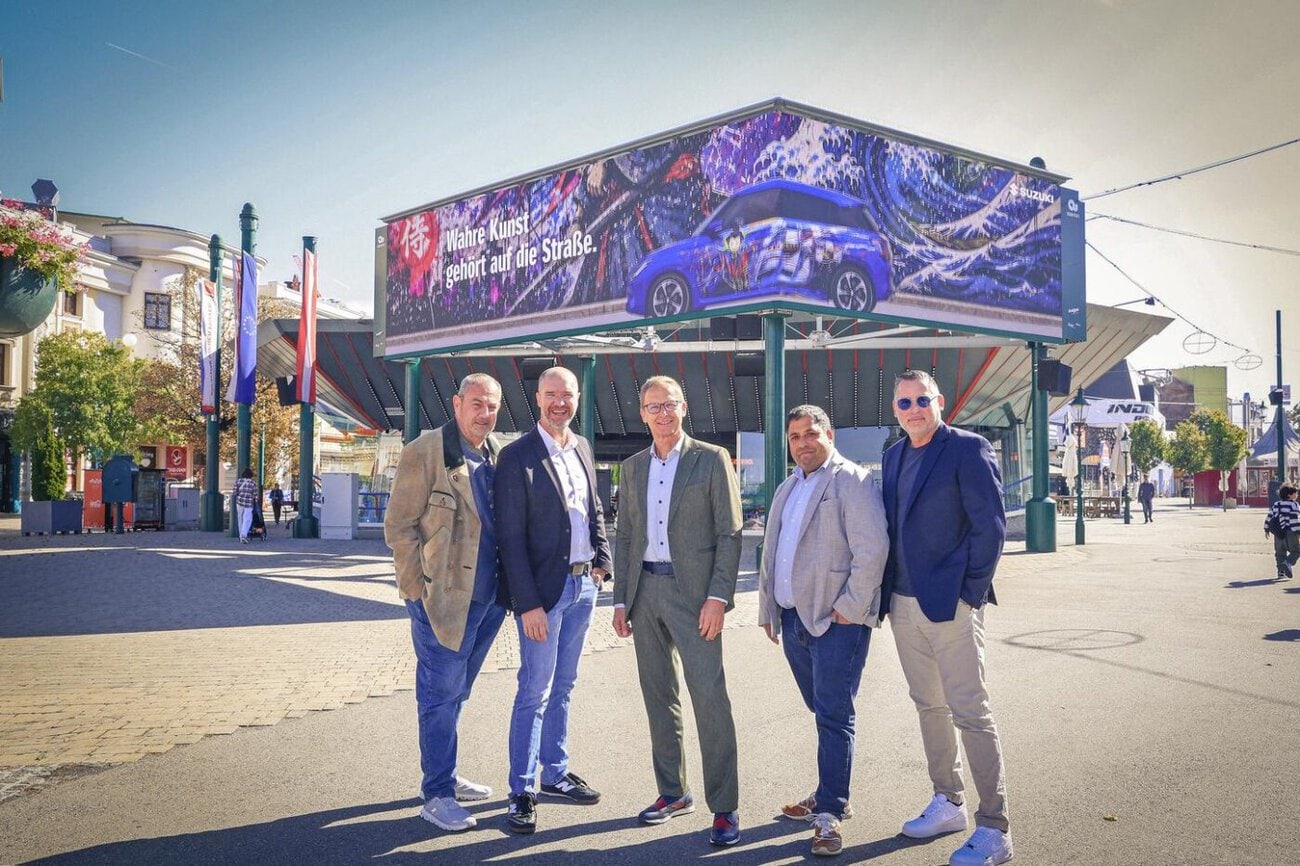
Suzuki Austria has been promoting the Suzuki Swift ART Edition since September 24 via Azerion Austria’s nationwide DOOH network. At the heart of the media campaign are the two ICONIC billboards in southern Vienna and at the Vienna Prater, which, according to the press release, showcase the vehicle on a particularly large scale.
From the streets to the screen: the Suzuki Swift ART Edition
The centerpiece is an exclusively customized Suzuki Swift featuring a design by artist Knud Tiroch, who is known, among other things, for his work with Red Bull and Toro Rosso. This one-of-a-kind vehicle has been on Austria’s roads since May. Now the campaign is extending into the digital realm: Through Azerion Austria’s DOOH inventory, the vehicle will continue to maintain a presence in public spaces.
«We’re actually a little proud to be showcasing Knud Tiroch’s artwork to a wide audience and giving the Swift so much space,» says Marcus Zinn, Sales Director at Azerion. «On an advertising space of this size, a vehicle becomes a statement, and art becomes something everyone can experience.»
Who is behind the campaign?
The campaign was created jointly by Suzuki, gekko communications, and the Rahofer advertising agency. The art project itself was developed through direct collaboration between Suzuki Austria and the art of cart platform.
«The Swift project came to life this year through close collaboration between art of cart and Suzuki Austria. With its premium advertising spaces, Azerion now offers us the ideal platform to showcase the vehicle to an even wider audience,» explains Peter Saliger, managing director at gekko communications.
For Suzuki, the focus is not only on the vehicle itself but, above all, on impact and reach. Roland Pfeiffenberger, Managing Director at Suzuki Austria, says: «A great campaign, excellent visibility, and outstanding DOOH locations create the perfect setting to showcase the Swift.»
By extending the «Roadshow» into the digital space, the project partners aim to demonstrate how the use of digital-out-of-home can create cross-channel synergies for brand communication.
]]>
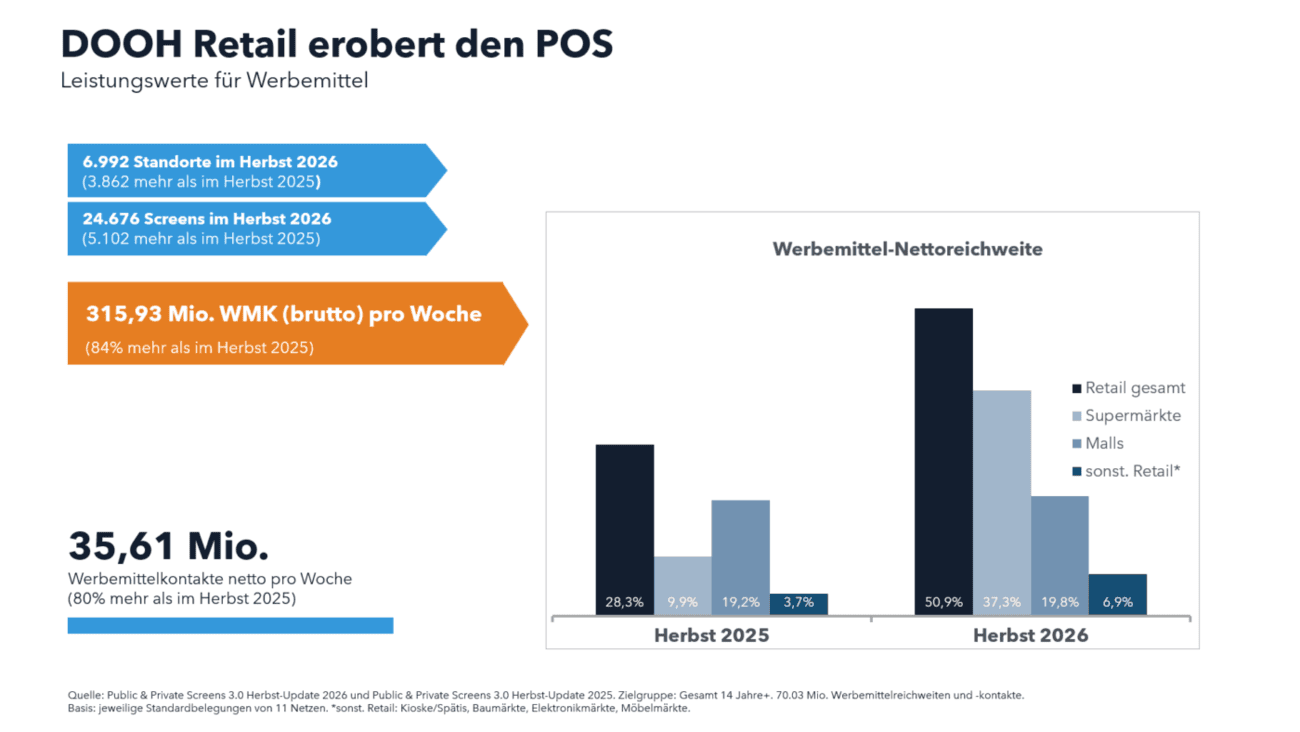
Retail DOOH is growing: The fall update of the market media study «IDOOH Public & Private Screens 3.0» (P&PS 3.0) shows how digital out-of-home advertising is evolving at the physical point of sale. The study is published by the Institute for Digital Out of Home Media (IDOOH) in Munich. Since fall 2025, the number of retail DOOH locations tracked has increased by 120 percent.
More Screens, Greater Reach in Retail DOOH
The number of screens increased by more than 25 percent, from more than 19,500 to nearly 25,000. According to the study, the reach of retail DOOH increased by 80 percent, and the number of ad impressions rose by as much as 84 percent.
The number of retail DOOH advertisers represented has also risen from eight to eleven within a year. New additions include the networks of Kaufland, Ocean Outdoor, and Rewe. Together with the portfolios of Cittadino, eisbach.media, and Ströer, as well as other POS networks in grocery retail, kiosks, late-night stores, and home improvement, electronics, and furniture stores, advertisers and agencies now have a comprehensive portfolio to choose from.
Branding and Engagement All the Way to the Checkout Counter
Digital screens reach consumers in parking lots, at the entrance to a shopping center, inside the mall, or right in the supermarket. According to the announcement, this medium is suitable not only for short-term purchase activation but also for traditional branding campaigns. Brands can showcase their messages on large-format screens and guide shoppers all the way to the checkout.
Frank Goldberg, CEO of IDOOH, says: «Retail DOOH combines the reach and branding power of a mass medium with immediate proximity to the point of purchase.»
Overall, the range is stable
Even beyond the retail sector, the update confirms the effectiveness of Digital Out of Home. Within a week, DOOH reaches 74.1 percent of the German population aged 14 and older with light inventory utilization. With full inventory utilization, approximately ten billion impressions could be delivered per week.
P&PS 3.0 is based on a big-data-driven bottom-up model that uses mobility data from approximately one million smartphones, supplemented by surveys on contacts, duration of stays, and usage patterns. The study is available free of charge in the mediMACH planning tool via the IDOOH website: https://idooh.media/marktforschung/. Anyone already using mediMACH for other studies will automatically be granted access through their existing account.
More information: https://idooh.media/
]]>
The Swiss advertising market continues its recovery following the summer break. In August, traditional advertising spend reached 262.0 million Swiss francs, up 1 percent from the previous year. Year-to-date (YTD), total advertising spending amounts to 2,395.9 million Swiss francs, representing a 1.1 percent increase compared to the previous year. This is according to the latest figures from Media Focus.
A Mixed Picture Among Traditional Media Groups
Among traditional media groups, the picture in August was mixed. Print saw a decline of 12.5 percent, while TV was down 8.5 percent from the previous year. In contrast, radio (up 6.4 percent) and movie theaters (up 5.8 percent) posted gains. Out-of-home advertising showed particularly strong growth, up 22.0 percent. According to Media Focus, in addition to the neutrality campaign by Pro Schweiz, campaigns by Galaxus, IKEA, and McDonald’s also contributed to significantly higher out-of-home advertising volume compared to August 2025.
Looking at the performance of media groups since the beginning of the year, all media groups are showing a decline, with the exception of out-of-home (up 17.5 percent). Out-of-home is thus a major driver of overall growth in the Swiss advertising market.
Digital Market Experiences a Decline Due to Technical Factors
In the digital market, gross advertising spending in August totaled just 114.5 million Swiss francs, marking the first time this year that it has fallen below the previous year’s figure—down 33.9 percent. According to Media Focus, however, this decline should not be interpreted as an organic market trend but is largely attributable to external technical factors affecting data collection. In early July, Google implemented a security update, which led to greater volatility in data collection. The report adds that the situation improved again as the month progressed. Year-over-year comparisons remain limited, particularly for Search and YouTube.
Search dominates the digital media mix with a 50.1 percent share, followed by display at 36.4 percent and YouTube at 13.5 percent.
Eleven sectors are growing, ten are in decline
In August, the Personal Care sector posted the strongest percentage growth at 32.2 percent, primarily due to the out-of-home campaign by Fielmann Optik Image and the TV campaign for Purina Pro Plan pet food and care products by Nestlé. Nevertheless, the sector ranks in the bottom third of the table. Construction, Industry, and Home Furnishings recorded the second-highest growth at 30.1 percent and ranks in the top third of the list. These are followed by Digital & Household (up 28.7 percent), Initiatives & Campaigns (up 25.2 percent), and Telecommunications (up 22.9 percent).
Despite a negative year-to-date performance, the food industry is at the top of the rankings this month with a 13.1 percent increase. The finance sector (up 18.6 percent) rounds out the top three. Transportation, fashion & sports, and services are also showing year-over-year increases.
In contrast, ten sectors have seen significant declines. The tobacco products sector has been particularly hard hit, with a 63.8 percent drop, followed by vehicles (down 35.1 percent), cosmetics and personal care (down 28.6 percent), energy (down 28.1 percent), and cleaning supplies (down 21.8 percent). Despite a 20.6 percent decline, the retail sector, as in the previous month, remains in second place in the table.
Food Industry Leads YTD Rankings in the Swiss Advertising Market
As of August, the food industry continues to lead the rankings in the traditional advertising market, followed by retail and finance in second and third place. This ranking has remained unchanged since June. The digital advertising market presents a similar picture: the financial sector and retail also hold second and third place, while the food industry ranks only twelfth here. Leisure, food service, and tourism clearly lead the digital ranking year-to-date (YTD); in August, the sector ranked second behind retail. In the traditional market, the sector grew by 17.5 percent, placing it in fourth position.
In both markets, the automotive industry ranks seventh. Pharmaceuticals & Healthcare, Fashion & Sports, and Beverages are in the middle third in both markets, while the Media, Energy, Cleaning, and Tobacco industries are in the bottom third.
Booking.com Remains at the Top in Search
Despite the technical difficulties mentioned in the survey, search continues to dominate the digital media mix with a 50.1 percent share. As in previous months, the advertising landscape is primarily shaped by travel, comparison, and financial services. Booking.com has remained at the top since the beginning of the year, followed by Trivago.ch and Swisscom.ch. Trivago.ch moved up from third to second place compared to the previous month.
Display and YouTube show a broader mix of telecommunications, consumer goods, entertainment, and tourism. The mobile carrier Spusu.ch tops the Display ranking, as it has since February, followed by Pet Recycling Schweiz in second place and Ricola herbal candies in third. On YouTube, the e-commerce company Digitec.ch ranks first, followed by Disney+ and the YouTube Music mobile app. Neither a product nor a service managed to stay in the top ten across multiple channels.
Further information on advertising market trends is provided by Media Focus.
]]>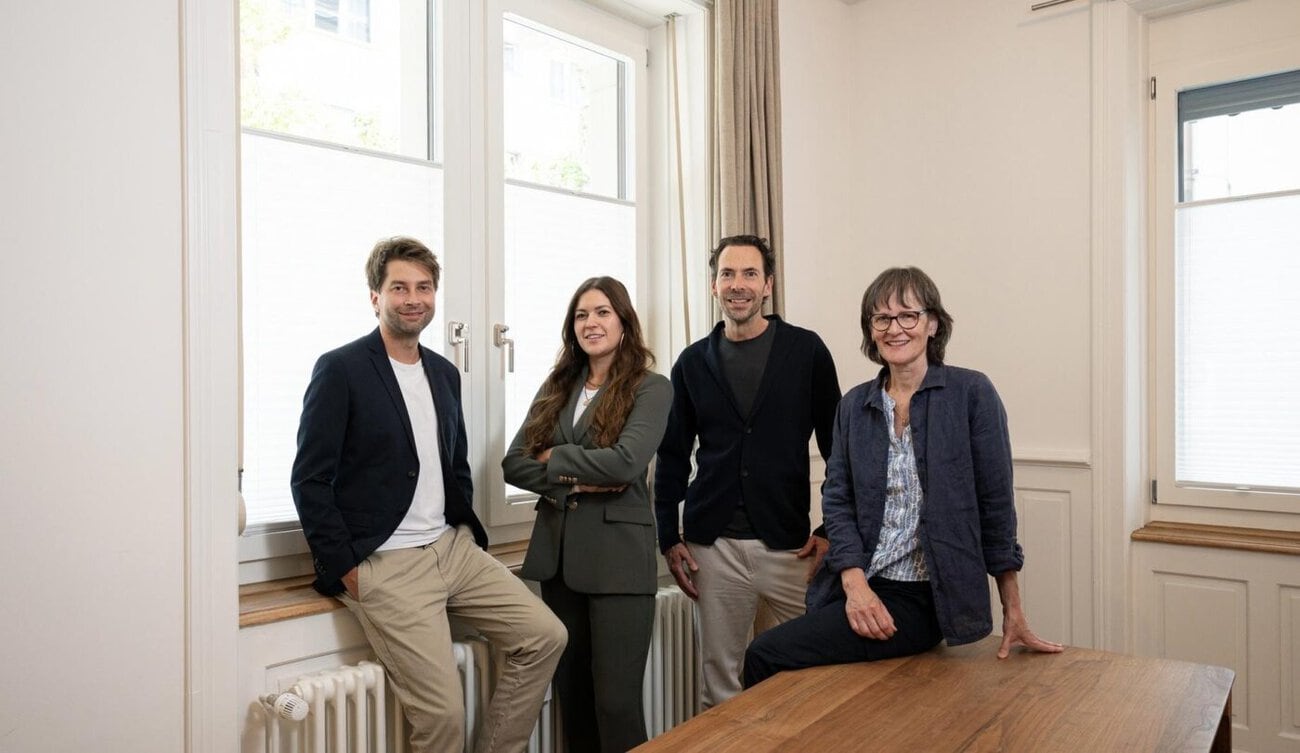
ZipMedia's Executive Board Now Consists of Four Members
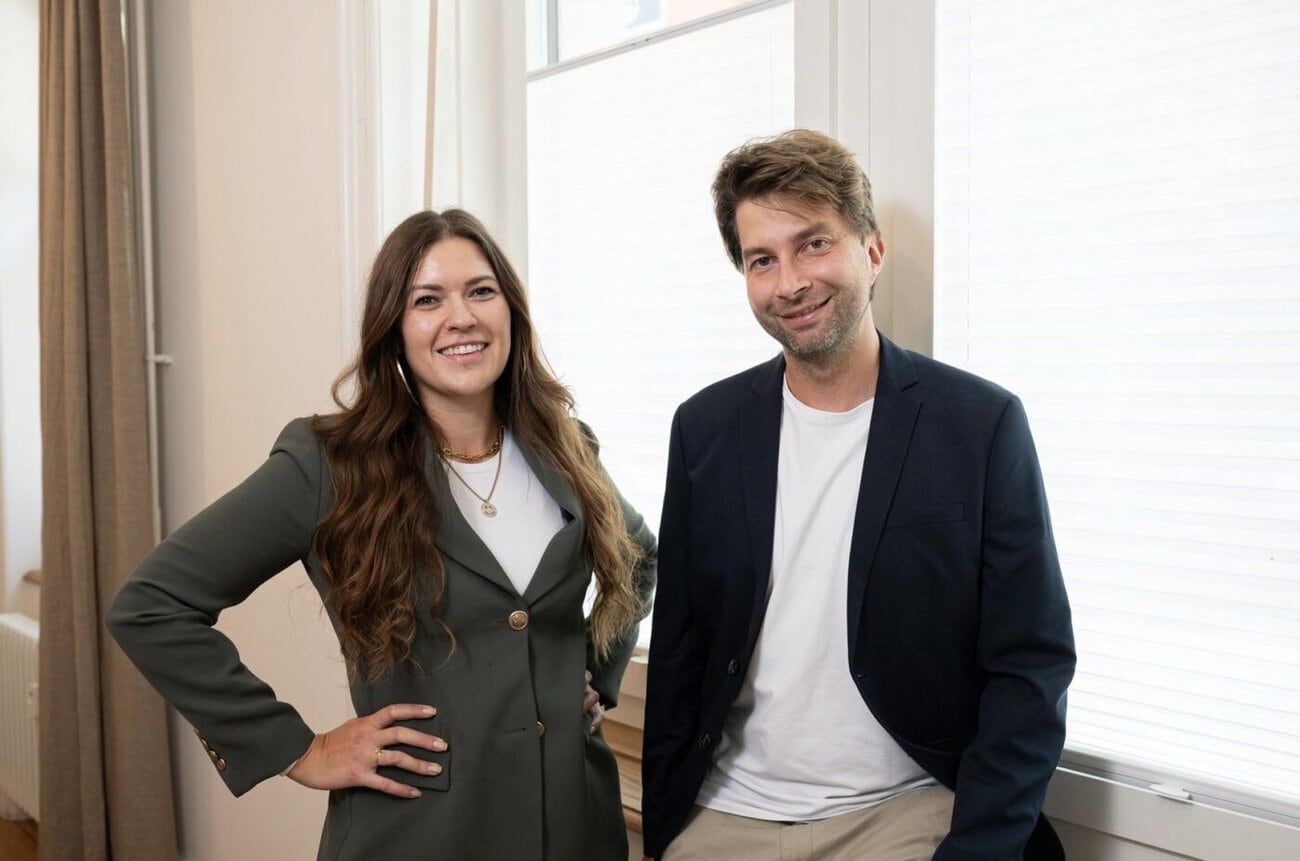
ZipMedia, an owner-managed and independent Swiss media agency, is strengthening its executive team with two experienced media professionals. Pascal Fröhli joined ZipMedia as Managing Director at the beginning of August. He previously served as Co-CEO at Mediaplus. At the same time, Natascha Widmer, Head of Online and a member of the full-service media agency’s team since 2018, was promoted to Managing Director.
Together with the two founding partners, Caroline Nünlist and Thomas Rüttimann, Fröhli and Widmer now make up ZipMedia’s four-member executive team. The company, founded in 2003 in Zurich’s Seefeld district, employs 15 media specialists.
Strategic and Operational Leadership Strengthened
According to the company, the expanded ZipMedia executive team will strengthen its strategic and operational leadership. In doing so, ZipMedia is laying the groundwork to ensure the company’s long-term success and maintain its independence in the future. The press release states that customers will continue to be offered first-class consulting and services.
]]>

OMD Switzerland and Notino Embark on Their Next Phase of Growth
Notino, the European leader in beauty e-commerce, will be relying on the media expertise of OMD Switzerland moving forward. Effective immediately, the agency will take over responsibility for media strategy, planning, and buying. Through this new partnership, Notino and OMD Switzerland aim to actively shape the brand’s next phase of growth in the Swiss market.
An integrated communications strategy aims to further increase Notino’s brand awareness, enhance its relevance among Swiss consumers, and sustainably strengthen its market position. The first joint campaign will launch in calendar week 38.
Integrated Communication at the Heart of Collaboration
OMD is recognized worldwide as an innovator in the field of communications planning and media buying. The agency’s comprehensive range of services includes strategy, communications, media planning and buying, optimization, and research. OMD is part of Omnicom, one of the world’s leading communications networks.
Nannette Passberg, CCO of Omnicom Media Switzerland, commented on the new partnership: «We are very pleased to provide strategic support to Notino as it continues to grow in Switzerland and to further expand its brand presence. Together, we aim to develop effective communication solutions and drive sustainable growth.»
For more information about OMD Switzerland, visit https://www.omd.com/ch.
Responsible at OMD Switzerland: Nannette Passberg, CCO of Omnicom Media Switzerland
]]>
Swiss Post Relys on Employer Branding to Recruit Delivery Personnel
According to its own statements, Swiss Post is pursuing a targeted employer branding campaign to attract employees for its delivery and logistics divisions. Through a campaign that includes large-scale advertisements at train stations, Swiss Post aims to raise awareness of itself as an employer and highlight the wide range of career opportunities the company offers.
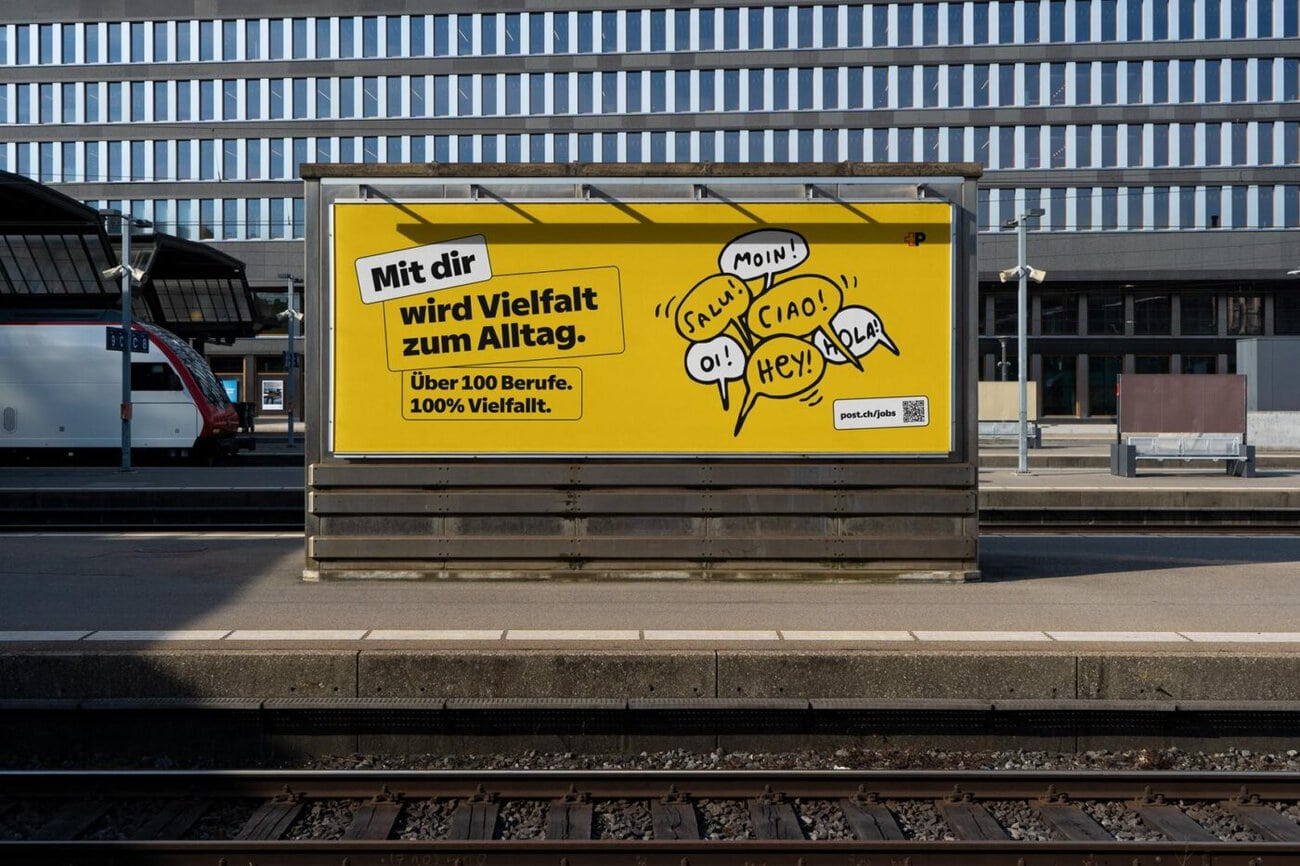
Swiss Post Highlights More Than 100 Occupations
According to its own information, Swiss Post offers more than 100 different career paths. The campaign is therefore not only aimed at traditional mail carriers but also appeals to a broad audience of potential applicants—ranging from logistics to other areas of work within the company. By placing billboard advertisements in high-traffic locations such as train stations, the campaign aims to achieve the widest possible reach.
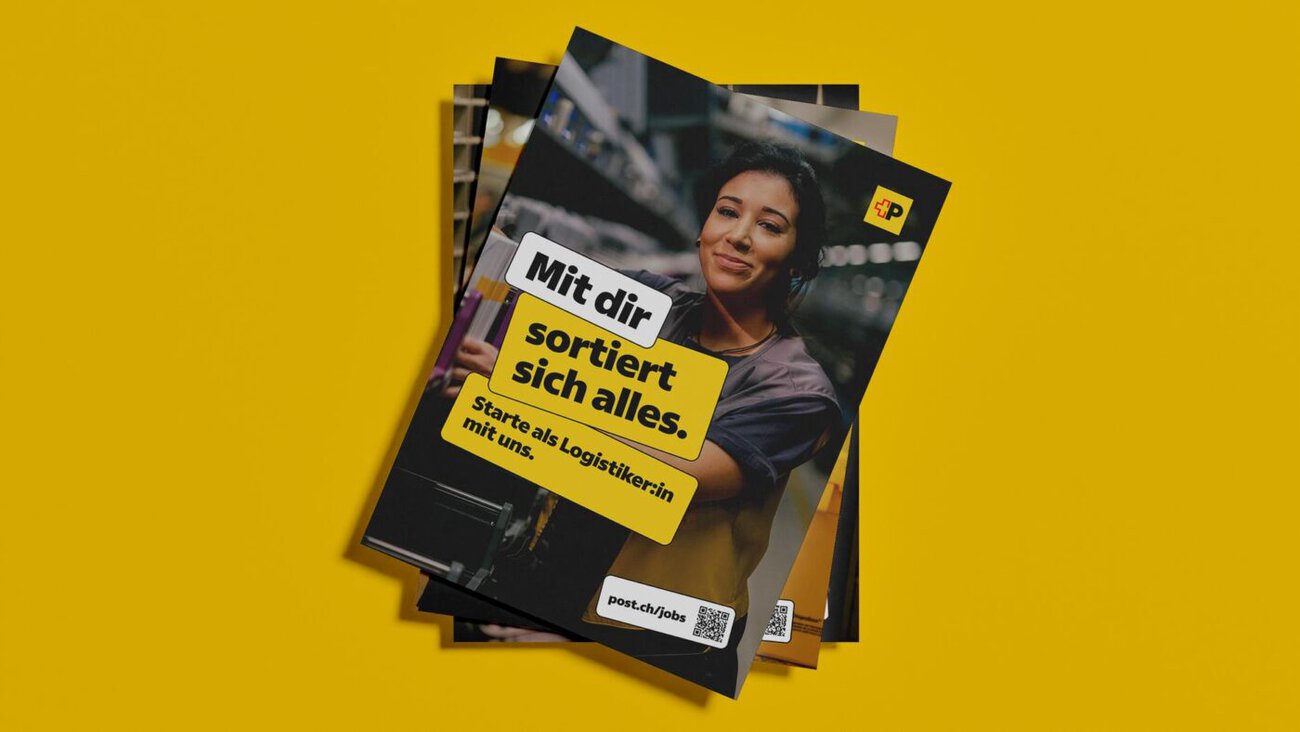
Flyers and print advertising materials complement the campaign
In addition to outdoor advertising, Swiss Post is also relying on traditional print media such as flyers to directly reach logistics professionals. This multi-channel approach is intended to ensure that the message reaches various target groups—both in public spaces and through direct contact. According to the press release, the combination of traditional and visually striking advertising underscores the importance Swiss Post places on recruiting staff in the logistics sector.
More information about Swiss Post as an employer is available on the official careers page: https://www.post.ch/de/ueber-uns/karriere
]]>
Azerion Austria is fundamentally restructuring its sales operations. With an integrated, cross-channel sales team, the company is moving away from its previous organizational structure, which was divided by media type. Going forward, Azerion Austria’s sales department will consolidate its expertise into a unified structure—under the overall leadership of Sales Director Marcus Zinn.
Integrated Azerion Austria Sales: Two Divisions, One Strategy
According to the company, this realignment is a direct response to the growing importance of holistic digital campaign management and data-driven marketing solutions across all channels. The new structure is divided into two key areas: Agency Sales and Direct Sales. Alexandra Hofer and Christopher Miesbauer, both of whom have been with the company for four years, have been appointed as Heads of Sales. Alexandra Hofer is responsible for strategic collaboration with media agencies, while Christopher Miesbauer focuses on direct client consulting and developing new business areas.
As Sales Director, Marcus Zinn assumes overall responsibility for the sales strategy and is driving the integration of the various sales units. He explains the realignment as follows: «Today, our partners no longer expect silos, but rather integrated, end-to-end solutions. With the new structure, we are now consistently reflecting our digital portfolio organizationally as »One Face to the Customer,’ creating shorter decision-making paths and significantly faster implementation of complex campaigns.”
This consolidation is intended to provide customers with a single point of contact for their entire portfolio in the future. According to the press release, this organizational structure directly reflects the technological integration of data and channels.
A strong key account team with extensive experience
In addition to its revised management structure, Azerion Austria is relying on an expanded key account team that combines long-standing experience with new talent. Gabriela Nimmervoll brings more than eight years of experience in digital outdoor advertising and is considered a key pillar of the team. Carolina Rollinger, who joined the company last August, has experience on both the media and agency sides and focuses on operational excellence. As Key Account Manager and Lead Regional Sales, Michael Riekhoff is responsible for expanding regional client and state-level activities; the business administration graduate can look back on a ten-year career in media sales. Melanie Ammer brings 13 years of experience in media sales and focuses on strategic client development and data-driven campaign planning. Jens Lederle focuses on building new client relationships and developing existing accounts in the digital space; he also has editorial experience on the media side. As a Junior Account Manager, Anna Pabi supports the team in day-to-day operations and already brings extensive experience in the tourism sector as well as in the DOOH field.
Consistently Further Develop the Digital Ecosystem
With its new staffing and organizational structure, Azerion Austria is underscoring its commitment to helping shape the Austrian market as a full-service partner for scalable, cross-channel digital advertising solutions. The company markets offerings in the areas of CTV, video, display, digital audio, gaming, and digital out-of-home, and is part of the publicly traded Azerion Group (Euronext: AZRN).
For more information about Azerion Austria: https://www.azerion.at
]]>
Coop «Splash» Summer Promotion: Swimming, the Garden, and Beach Vacations
With its «Splash» summer promotion, Coop invites its customers to enjoy warm afternoons at the pool, in the garden, or on a beach vacation. The family-friendly collection campaign features items such as diving rings and sticks, an XL swim ring filled with glitter, and soft boccia for fun in the water—complemented by a beach towel, a bowl set, and a cooler bag for a sunny picnic. Valencia Kommunikation handled the communications for the campaign.
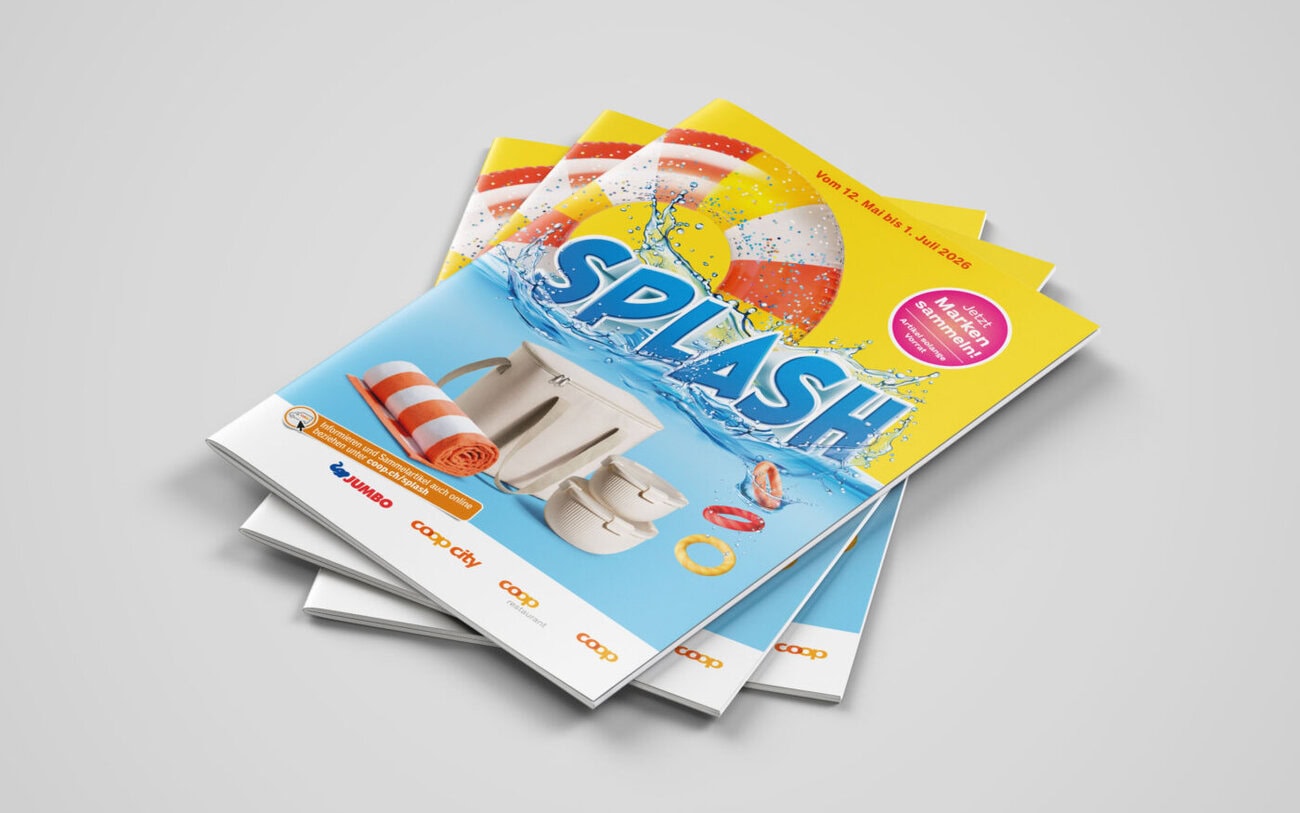
360-Degree Summer Vibes
Valencia Kommunikation took on the campaign concept in a fully integrated manner—including naming and visual design—and implemented the communication across all touchpoints: from online and POS materials to print communications. The TV commercial, produced by Shining Film, features a dynamic camera pan through a garden pool, with the focus shifting repeatedly to a different collectible item, thereby showcasing all the items in a short amount of time. In parallel with the shoot, the content team produced short social media clips on-site that explain the product benefits of the collectible items in an entertaining way.
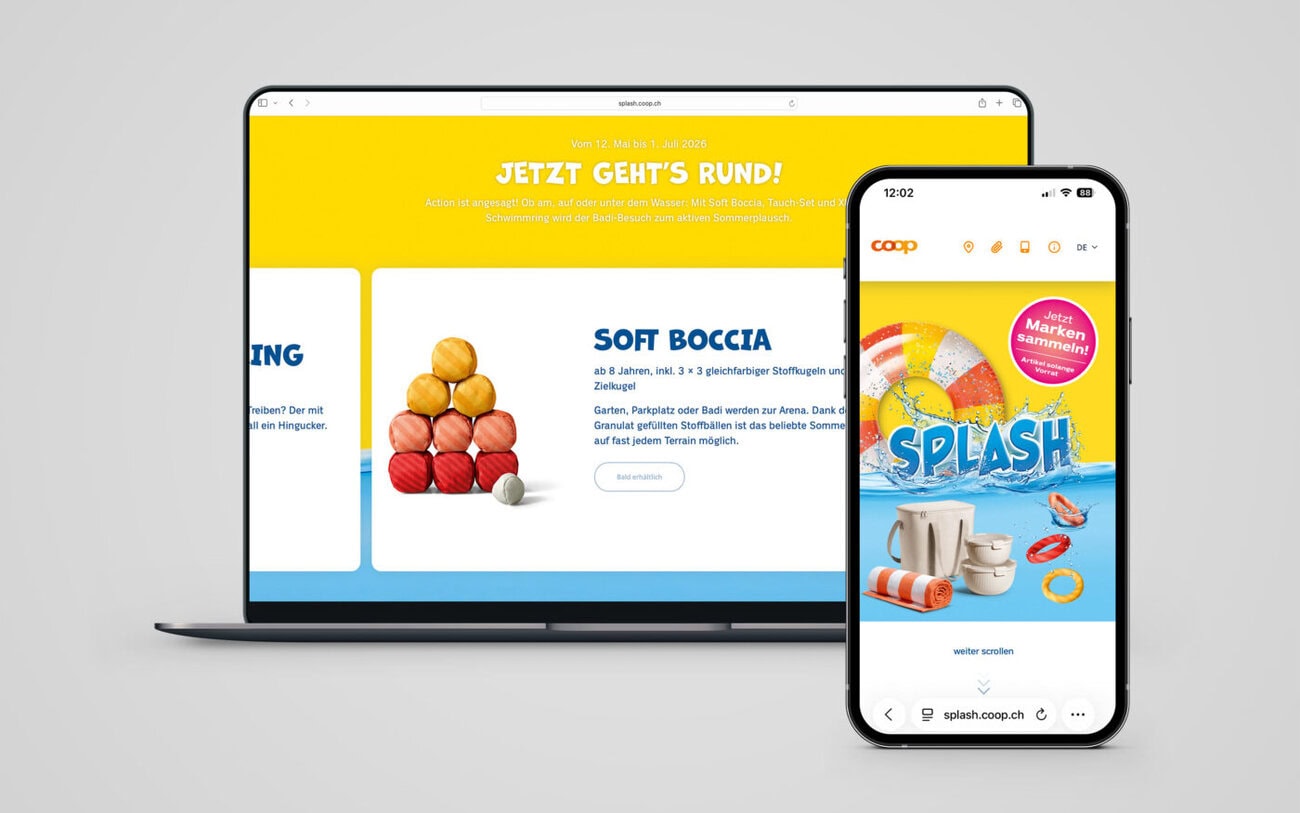
Coop «Splash» Summer Promotion: Duration and Availability
Coop's «Splash» family collection campaign runs from May 12 to July 1, 2026. TWMedia handled the media planning, and the music was provided by HitMill.
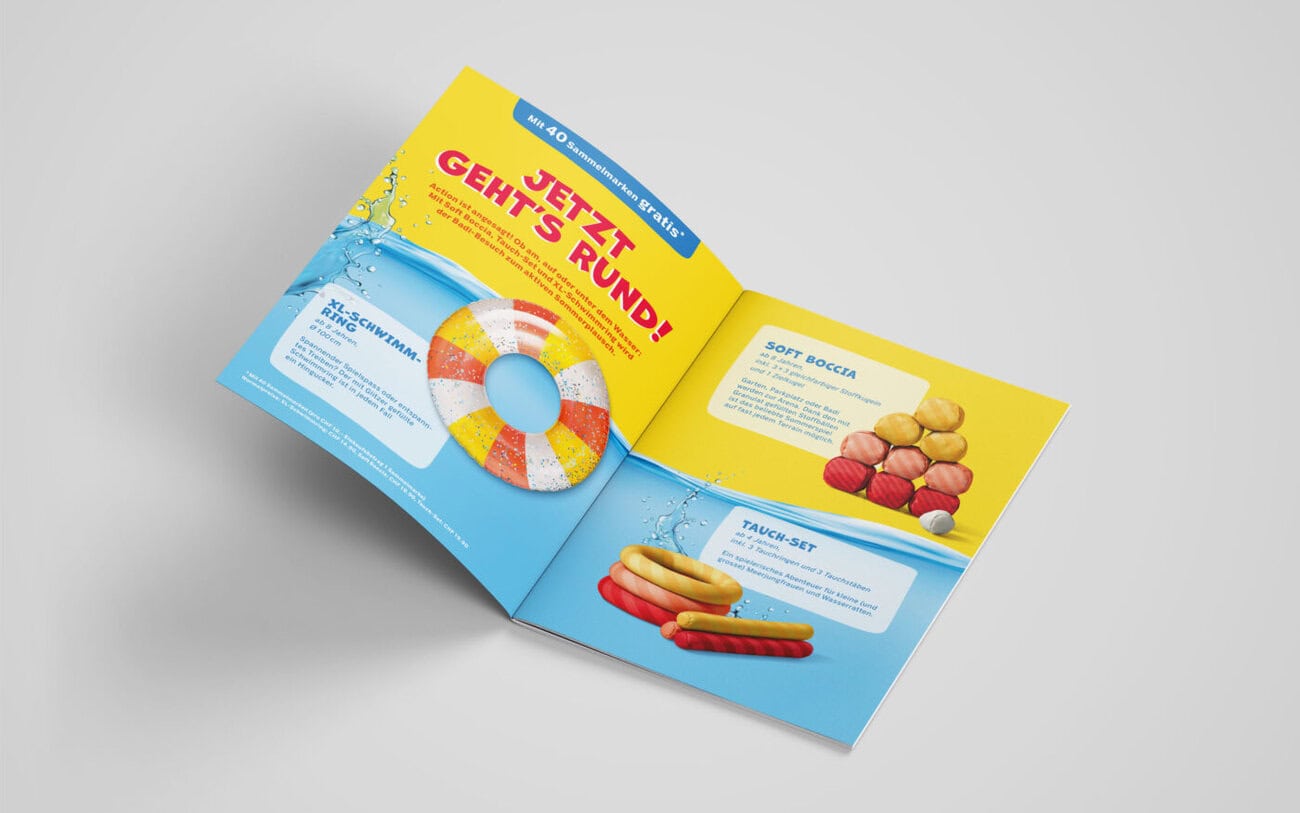
For more information about the work of Valencia Kommunikation, visit https://www.valencia.ch available.
Responsible at Coop: Coop Cooperative (Client). Campaign conception and implementation: Valencia Communication. Moving image production: Shining Film. Media Planning: TWMedia. Music: HitMill.
]]>A full house at the HWZ, tense industry, coffee in hand, a check on the market. The Media Focus Brand Breakfast begins with figures, charts and forecasts. It's all about advertising pressure, platforms, social ads, mobile usage, benchmarks and budget shifts. In other words, everything that the communications industry loves, needs and misses today in ever finer resolution.

But beneath the surface of this morning was a bigger story. It is about an advertising market that is increasingly shifting towards mobile, platforms and data-driven optimization. New panel data shows how deeply anchored the smartphone is in the everyday lives of the Swiss population, how dominantly YouTube is now used and how strongly advertising is pushing its way into the most subtle routines of media consumption. Everything competes with everything else: advertising with content, journalism with platform logic, brands with memes. And in the middle of it all, the smartphone as a permanent portal into a world that never stands still.

This is precisely why this event took on its real poignancy. Media Focus not only showed new data, but also how brutal the hyper-competition for attention has become. And this is precisely where the most important counterpoint of the morning came in. Anyone who only sees attention as a number, target value or technical discipline is misjudging people. Prof. Dr. Philipp Bachmann reminded the industry that in this intensified competition, it is not just data, but above all ideas that make the difference.
The market is under pressure - and remains on the move
To kick things off, Ueli Weber from Media Focus takes a broad view of the market. The advertising year 2025 in Switzerland will end at around six billion Swiss francs, slightly below the previous year. Traditional media will generate around 3.9 billion, while the digital sector will generate around 2.1 billion. The first half of the year was weaker before the situation stabilized in the third and fourth quarters. The fact that the digital figures were distorted in the first half of the year is also due to global Google Core updates, which necessitated adjustments to the recording process.


The mix is interesting: Out of Home remains on course for growth, cinema is up slightly, display is developing positively and YouTube is holding steady. Print continues to lose ground, albeit somewhat less dramatically than in previous phases. In a DACH comparison, Switzerland remains far ahead in terms of gross advertising pressure per capita. So it is not the case that too little advertising is being done in this country. But the distribution battle is getting tougher. And it is becoming more fragmented.

This is the backdrop against which the rest of the morning really comes into focus. Because figures alone describe the market. But they do not explain how attention is really generated today.
Philipp Bachmann: People are not just targets, they are artists of life
The intellectual highlight of the morning will be delivered by Prof. Dr. Philipp Bachmann from the Lucerne University of Applied Sciences and Arts. His topic is broad, as is his approach: "Why we are not zombies in digital attention markets despite sophisticated algorithmic manipulation attempts". The title alone provides a counterpoint to the current digital narrative in which platforms know everything, algorithms control everything and people are merely remote-controlled beings.
Bachmann does not disagree with this reduction head-on, but he does disagree firmly. Yes, he says, the possibilities for manipulation are real. Yes, digital systems are sophisticated. Yes, AI, platform logic and new optimization techniques are shifting the balance of power. But anyone who deduces from this that people are merely will-less recipients is only telling half the truth.

His crucial point is an anthropological one. The human brain is old, the media world is new. Information has been scarce for almost the entire history of mankind, today attention is scarce. That is why marketing, PR and advertising have long since become part of a circular arms race: Systems learn, people react, systems adapt, people adapt. Advertising interruptions lead to evasion strategies. Attempts at manipulation generate counter-reflections. Platforms entice, users develop distance, multiple identities, detox rituals or simply new habits.
This is precisely why, according to Bachmann, creativity remains central. Not as a pretty ingredient, but as an actual form of survival in an over-optimized world of communication. He states unequivocally what often gets lost in the series of numbers: creative thinking cannot replace numbers, but neither can numbers replace creative thinking.
His example of El Tony Mate is particularly strong in this context. Bachmann shows how native advertising and AI systems can intertwine. A supposedly editorial article about the health benefits of Mate is picked up by AI response systems as a source. The content therefore not only lives on in the medium itself, but also migrates into the logic of ChatGPT, Gemini or Perplexity. Advertising is therefore not just played out, but integrated into new response architectures. For Bachmann, this is more than just a clever case. It is an indication that classic PR work, editorial credibility spaces and creative topic management could become more important again in an AI-driven media world.


His appeal to the industry is correspondingly clear: don't treat people cynically. Take them seriously in their world. And to retain a love of creativity despite all the data fixation.
The real game changer is in the smartphone
If Bachmann provides the theory of the battle for attention, then Moritz Schneider and Andreas Weiss from Mediaschneider provide perhaps the most practical data set of the morning. At the center is the new Mobile Panel from Media Focus, which measures smartphone usage passively via an app. The panel includes 1000 people and records interactions, usage times, app behavior and - on selected platforms - even delivered social ads.

The difference to previous studies is fundamental. Until now, much of the research was based on interviews, memory logs and self-reporting. Now we have real behavioral data. Not estimated, not remembered retrospectively, but technically measured. This is precisely where the disruptive potential of this new data basis lies.
The figures are impressive. On average, the Swiss population spends 3 hours and 22 minutes a day on their smartphones. It is not the youngest, but the 30 to 64-year-olds who lead the way. Even the 65+ age group still spends almost three hours a day on it. The smartphone is therefore definitely no longer a youth phenomenon, but everyday infrastructure.
Over the course of the day, there is no spectacular midday slump, but a clear peak in the late afternoon between 5 and 6 pm. Anyone who wants to know when attention is particularly concentrated in everyday mobile life will get a much more precise answer here for the first time.
The apps are even more exciting. YouTube is the frontrunner in terms of daily usage time. In the overall population, the platform is used for just under 14 minutes per day, although its daily reach is significantly lower than WhatsApp. Among 16 to 29-year-olds, the findings are downright massive: a good 27 minutes of YouTube usage per day. Almost half an hour. Every day. Instagram follows closely behind, WhatsApp remains unchallenged in terms of reach, TikTok is smaller in terms of breadth but relevant in terms of intensity.

This constellation in particular is highly interesting for the advertising industry. Because it shifts the focus away from the mere logic of reach. Reach remains important. But duration of use, reception situation and time of day are becoming more important. In other words, it is not just the question "How many?" that counts, but increasingly also "How long?" and "At what moment?".
Moritz Schneider gets to the heart of the matter in the discussion after the presentation: the great innovation of this data is that media usage time can now be measured in real terms. And this is precisely what is likely to become central to media planning in the future.
YouTube goes from channel to habit
The fact that YouTube appears several times this morning is no coincidence. Looking back at the advertising year 2025, the platform has already remained stable in terms of gross advertising revenue. In the mobile panel, it dominates usage time. And in the social ad context, it is one of the most important places where advertising and attention come together.
What is visible here is more than just another platform ranking. YouTube seems to be becoming increasingly established as a habitual medium: between entertainment, learning, music, shorts, background use and targeted searches. The platform is not just social media, not just streaming, not just a video archive. It is a bit of everything - and that is precisely why it is so deeply anchored in everyday life.
For brands, this means that YouTube is no longer a side vegetable in media planning. The platform has become a central attention space. One that not only provides reach, but also reception time.
Retail apps, overlaps and the Röstigraben in cell phones
The deep dive into food retailer apps also shows how granular this new generation of data allows us to think. 79% of people in the panel have installed at least one such app, but only 2.8% have installed all of them. This speaks for clear preferences and against the idea that users are indiscriminately stocking up on brand apps.
It is also exciting to look at usage patterns: Sunday peaks at Coop, different usage durations between Coop and Lidl Plus, functional logics that are directly reflected in behavior. There is also a rösti divide in gender distribution, which raises further questions. This may all seem like a special case. In fact, it shows where media research is heading: away from the broad overall picture and towards detailed behavioral archaeology.
Tina Fixle opens the "Walled Gardens" a crack wide
Tina Fixle from Media Focus shows how relevant the new panel is for the advertising data itself. It is well known that the major platforms do not voluntarily supply their data to Swiss advertising research. So you have to take a different technological approach. This is exactly where in-app tracking comes into play.
Fixle shows how Media Focus makes social ads on Facebook, Instagram, TikTok, YouTube, Pinterest and LinkedIn visible. For the first time, this brings more transparency to spaces that were previously largely black boxes. It is not only the platform distribution that is particularly revealing, but also the long tail: many brands that are hardly prominent in the traditional advertising market appear on social media with a relevant advertising presence. Facebook in particular clearly demonstrates this broad advertising landscape.
In a brief interview, Fixle says she was particularly surprised by the long tail. And something else: how much time the smartphone actually takes up. Seeing three to three and a half hours a day in black and white has its own impact.


Data is powerful when it changes decisions
Mitja Ruggle from the TX Group adds an important operational level to this perspective. Swiss Ad Impact, developed together with Media Focus, not only aims to measure advertising impact, but also to translate it into comparative values. The trick lies in benchmarking: an advertising recall of 30 percent is of little value without comparison. It can only be interpreted in an industry context.

This sounds sober, but it is crucial. Because it shifts the discussion from "The campaign feels good" to "The campaign performs in relation to its market environment". Ruggle's example from the financial sector shows this vividly: high advertising recall, but weak brand exposure. Only the adaptation of the branding in the second wave improved the effect. Data therefore becomes valuable when it makes creation and media planning more precise.

2026: cautious, more digital, but not without hope
Roland Ehrler from the SWA concludes by painting a broader picture of the industry. Despite geopolitical uncertainties, advertising clients are not pessimistic, but cautious about 2026. The majority of turnover and profit expectations remain stable to slightly positive. Budgets are dominated by continuity. Digital continues to grow, offline is coming under greater pressure. The ratio is now 57 to 43 in favor of digital channels.

In the offline sector, TV and Out of Home remain robust, while print remains under pressure. In digital, video and search are gaining weight, while native is losing some ground. Clients cite AI and machine learning as the biggest challenge. At the same time, there is a growing need for partners who reduce complexity, provide ideas and create orientation.
In the concluding panel, a common wish list for the advertising year 2026 emerged: more quality instead of quantity, more transparency, more curiosity, less uniformity and, above all, more courage.

The real signal of this morning
The Brand Breakfast 2026 was therefore more than just a data event. It was a reflection of the mood of an industry that is acutely aware that it is on a threshold. Never before has it been possible to measure so much. Never before has usage data been so granularly available. Never before has it been so tempting to view media planning, creation and communication solely as an optimization problem.
And yet perhaps the most important sentence of the morning did not come from Excel logic, but from a media-sociological attitude: people are not just zombies, they are artists of life.
This is precisely the point of this morning. The new Mobile Panel from Media Focus is undoubtedly a major step forward. It shows when people look at their cell phones, how long they stay there, which apps they use and where they encounter advertising. It opens up walled gardens, creates new transparency and should be enormously valuable for agencies, marketers and clients.
But perhaps the best insight of this morning is another: The more precise the data becomes, the less ideas can become impoverished. Or to put it more bluntly: precisely because everything is becoming more measurable, creativity is once again becoming the hardest currency in the battle for attention. The mood at the concluding stand-up dinner was correspondingly positive.


Media Focus now supplements the unique sponsorship statistics in Switzerland, which were introduced in January 2024, with comprehensive target group and consumer insights from WEMF's MACH Consumer. The expansion enables sponsors, clubs and event organizers to understand their target groups much better and manage investments in a more targeted manner.
The sponsorship statistics cover over 160 sponsors in more than 330 sporting events in 23 sports and 28 entertainment events in Switzerland. By integrating relevant data from WEMF's MACH consumer study - including media use, socio-demographics, psychographics, perception, brand affinity and interest in sports - sponsorship can be measured and evaluated holistically for the first time.
Sound answers to key questions
The WEMF add-on provides well-founded answers to key questions: Who are sports-interested Instagram users? What are their values and socio-demographic characteristics? How do they perceive sponsorship advertising and which brands are of above-average relevance to them?
"Our aim was to work with the WEMF to provide additional target group insights so that sponsors, clubs and event organizers gain a better understanding of their target groups - for example in terms of socio-demographics, values or brand affinity. In combination with the media value of sponsorship statistics, this creates a much broader data basis for well-founded decisions. Anyone investing strategically in sponsorship today needs transparency - and that's exactly what we provide," says Ueli Weber, CEO of Media Focus.
Transparency for strategic decisions
Sponsors can manage and optimize their investments in a more targeted manner, while clubs and event organizers can further develop their offers based on data and argue for new partnerships based on facts. The combination of Media Value and the new target group insights creates a comprehensive database for strategic sponsorship decisions in the Swiss market.
Media Focus stands for transparency and orientation in the Swiss communications market. As an independent competence center for advertising, media and sponsorship measurement, the company offers comprehensive, cross-channel monitoring - from traditional media to digital and social platforms.
]]>
The traditional Swiss advertising market shows a robust picture in 2025 despite a slight decline. With gross advertising expenditure of CHF 3,930.8 million, it is down CHF 1.7% on the previous year. However, the course of the year shows a gradual stabilization: after a weak first quarter (-4.2%) and a likewise declining second quarter (-2.9%), the market is approaching the previous year's level again in the second half of the year. In the third quarter, the decline was only 0.2%, and in the fourth quarter the market even turned slightly positive (+0.1%).
TV delivered the only quarterly boost to growth in the third quarter (+0.8%), driven by campaigns in the sports environment surrounding the Women's European Championship 2025. Out-of-Home grew consistently throughout the year, achieving growth of 4.4%.
Digital advertising market: total advertising pressure at over CHF 6 billion
If we expand the view to include the display delivery statistics, the total value pressure is CHF 4,481.1 million, which corresponds to a decline of 1.4%. The turnaround is even more visible at quarterly level: the first quarter is -4.9%, the second -2.8%, while the third quarter shows growth again at +0.6% and the fourth quarter at +0.9%. With YouTube, the picture changes only marginally: classic plus display delivery statistics plus YouTube reach CHF 4,688.5 million, also a minus of 1.4%.
The entire digital advertising market - including search - results in a total advertising pressure of CHF 6,007.5 million (-2.4%). In the case of Search, it should be noted that there were strong fluctuations in the recording in 2025, particularly in the first half of the year, due to Google updates, which limited the comparability of the gross advertising pressure with the previous year.
Media mix: out-of-home continues to gain in importance
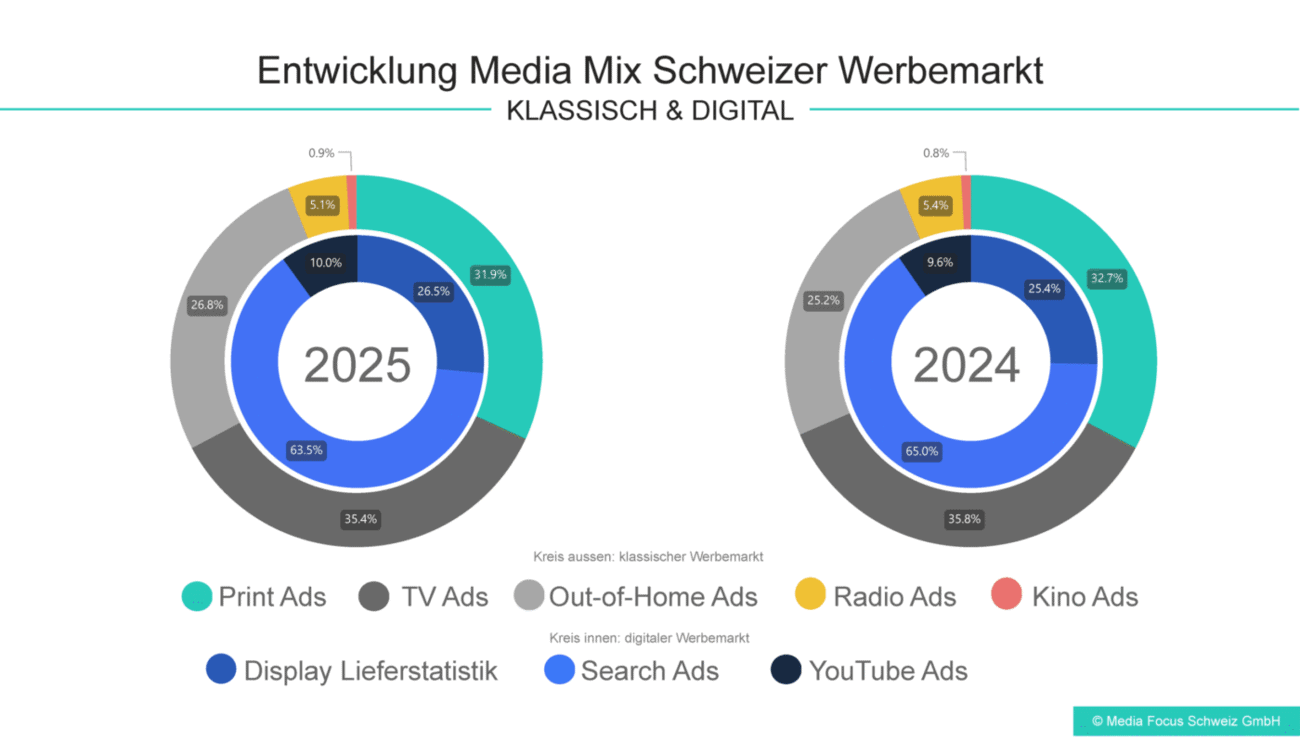
The media mix shows a further shift in favor of out-of-home in the traditional advertising market in 2025. Out-of-home advertising will increase its share from 25.2% in 2024 to 26.8% in 2025, gaining 1.6 percentage points. At the same time, print will fall from 32.7% to 31.9%, a decrease of 0.9 percentage points. TV remains largely stable as the largest media group, but is down slightly: from 35.8% to 35.4%, which corresponds to a decline of 0.4 percentage points. Radio is also down slightly, falling from 5.4% to 5.1% (-0.3 percentage points). Cinema increased slightly (from 0.8% to 0.9%), confirming its stable role as an attention-grabbing supplementary medium.
In the digital advertising market, search remains clearly dominant with 63.5%, despite volatility in the recording. Display accounts for 26.5% of advertising pressure, the channel can increase marginally (+0.6%). YouTube accounts for 10% of advertising pressure. However, the increase cannot be explained by growth within the measured values, but by the fact that less search advertising pressure could be measured.
Top advertisers: Coop and Migros remain in the lead, Swisscom and Nestlé make strong gains
At the top of the advertising client ranking, the ranking remains stable: Coop and Migros continue to occupy first and second place. Coop has a share of advertising (SoA) of 24.0% and is slightly below the previous year (-2.5%), while Migros has increased significantly with a SoA of 16.2% (+20.9%). Procter & Gamble is again in third place with an SoA of 7.7%, albeit with a decline of 19.0% compared to the previous year. The consumer goods giant has significantly reduced TV advertising pressure across several product segments.
Behind the top 3, the dynamism of individual advertisers is particularly striking: Denner grows by 20.9% and improves from 6th to 4th place, driven by a strong presence in Migros Magazin and two out-of-home campaigns at the beginning of the year and around WEURO in July. Swisscom even gains 54.5% and rises significantly from 12th place. The telecommunications provider is noticeably increasing its advertising pressure in 2025, particularly in out-of-home, but also in TV and radio. McDonald's is also growing (+7.8%).
On the opposite side, several brand players are under pressure: L'Oréal loses 25.9%, Henkel 18.2%, Beiersdorf 7.2%, Aldi 7.9% and Ikea 6.6%. The composition of the top 20 provides additional movement: Nestlé is new to the top 20 with TV Offensive and makes it straight to 11th place (previous year 23rd place), accompanied by very strong growth (+91.7%). However, Möbel Pfister, Swisslos Interkant and Verfora are no longer in the top 20.
Top products: Fast food, diapers and vacations dominate
McDonald's restaurants and Pampers diapers once again lead the ranking of the most advertised products, closely followed by trivago.ch in third place. NZZ Shop and brack.ch, two e-commerce offerings, make it into the top 10. The list is completed by other travel providers (car-tours.ch, Thurgau Travel), a credit provider (Credit Now personal loan), Poltronesofa living room furniture and Ariel All in 1 Pods.
The top new products in 2025 are dominated by technology and consumer goods: the Apple iPhone 17 Pro tops the list, followed by the Samsung Galaxy S25 Ultra. There are also strong innovations from the FMCG and beauty sectors - from Ariel with Lenor Unstoppable and Nivea Cellular Epigenetics Serum to Schwarzkopf Creme Supreme Coloration. A health product is also represented with Vicks Angimed lozenges, while Bilz Stellare 0.0, Super Bock Unfiltered and Birra Moretti Sale di Mare show that beverage innovations, especially non-alcoholic alternatives, are also being visibly pushed. Swisscom Blue Security + Service rounds off the top 10 as a service innovation.
Display, YouTube and Search: Different industry profiles per channel
The retail trade remains the clear leader in the display sector: with Coop, Migros, Aldi, Lidl and now Denner, five retailers are represented in the top 10. Behind them, the list is much broader: VW brings automotive power to the ranking, while Spusu, a price challenger from the telco environment, makes it into the top 10. With UBS and Bitpanda, both an established financial giant and a fintech are represented in the top 10. Philip Morris completes the field and illustrates that digital channels are particularly attractive for highly regulated categories.
On YouTube, a mix of entertainment and strong consumer goods brands is at the top: Nintendo leads the ranking, followed by Beiersdorf and PepsiCo. With Coop in fourth place, a retailer is once again prominently represented, while The Walt Disney Company strengthens its entertainment presence in the top 10. This shows how widely YouTube is used as a brand platform: Philip Morris enters in 6th place, Ferrero follows in 7th place and international e-commerce giant Temu has to settle for 8th place (last year 4th place). McDonald's (9th place) and L'Oréal (10th place) complete the top 10.
The comparison with TV is exciting. Only 3 of the top 10 YouTube advertisers are also represented in the top 10 on TV: Coop rank 5, Ferrero rank 3 and McDonald's rank 8. Beiersdorf (11) and L'Oréal (12) just miss out on the top 10. Others, such as frontrunner Nintendo (48th), third-placed Pepsi (60th) and fifth-placed Disney (186th), are much less visible on TV. And still others - namely Temu and Philip Morris - do not appear on TV at all.
In 2025, the topic of travel and comparison is particularly clearly reflected in Search: With booking.com at the top and other travel offers such as Skyscanner, Trivago, Opodo, eDreams as well as ab-in-den-urlaub.ch and ab-ins-blaue.ch, travel providers dominate the top ranks. As many as 7 of the top 10 advertisers are travel platforms. Comparis.ch in second place underlines the continuing high level of information and price awareness, while non-travel-related players remain visible with axa.ch (insurance) and yallo.ch (telco).
Sectors: Retail trade strengthens leading position, vehicles still under pressure
In the traditional advertising market, the vehicle sector remains under clear pressure in 2025: at -8.5%, it closed significantly below the previous year, but remains in 7th place. However, the picture behind the decline is not uniform: several brands have noticeably increased their traditional advertising pressure, including Volvo, Mercedes, BMW, Polestar and Fiat. At the same time, the decline is largely due to significant reductions by individual major players, above all VW and Cupra.
Initiatives & Campaigns (-9.8%, rank 3), Beverages (-6.6%, rank 10) and Pharma & Health (-5.7%, rank 12) are also in decline. However, there will also be winners in 2025: Retail will continue to expand its leading position and grow by 13.3%. Services also increased (+6.4%) and gained one rank (now rank 11). The growth in Personal Supplies is also striking (+10.6%), also gaining one rank (now rank 16). Telecommunications also grew significantly (+13.3%), not least due to Swisscom's advertising campaign, and is now ranked 15th.
A comparison of the industry rankings shows clear shifts between the traditional and digital advertising market in 2025. As the traditional digital frontrunner, retail remains dominant, particularly in display (rank 1), but loses significant weight in search (rank 12) and YouTube (rank 10). Food is also widely visible, but stands out above all in YouTube (rank 3), while Display (rank 10) and Search (rank 15) are clearly behind.
Conversely, other sectors have a much stronger digital impact: Telecommunications is ranked 15th in the traditional ranking, but is ranked 4th (Display) and 6th (Search) digitally. Digital & household (classic rank 14) is particularly present online - with rank 2 for YouTube and rank 4 for search. The financial sector is ranked 4th in traditional terms, but is even better positioned digitally in 2025: It retains 2nd place in Display and Search, and improves from 3rd to 1st place in YouTube, thanks in part to the YouTube campaigns of Migros Bank and Axa.
Outlook 2026: Uncertain environment and new challenges
In 2025, the Swiss advertising market shows an overall robust picture in the traditional segment: at CHF 3,930.8 million, gross advertising pressure is only slightly below the previous year (-1.7%). What is striking is the annual trend, which is gradually stabilizing on a quarterly basis. If the digital channels Display Delivery Statistics and YouTube are included, the decline in advertising pressure weakens slightly (from -1.7% to -1.4%).
One trend is clearly continuing in the traditional media mix: out-of-home continues to gain in importance and is once again increasing its share of the traditional market. Out-of-home also developed particularly consistently throughout the year, confirming its role as a stable growth driver in the Swiss advertising market. However, the ongoing discussions about a possible ban on out-of-home advertising continue to sow uncertainty. A ban could further encourage the shift of advertising budgets to international platforms - with negative effects on value creation in Switzerland.
TV remains the strongest media group despite the decline. Only in the third quarter did campaigns in the sports environment surrounding the WEURO provide a noticeable boost, while TV declined in the other quarters. Print and radio, on the other hand, remain under structural pressure, while cinema confirms its role as an attention-grabbing supplementary medium.
2026 will be particularly exciting against the backdrop of a persistently uncertain environment: geopolitical tensions, times of punitive tariffs and a global economy that is difficult to plan are increasing the pressure on budgets and making flexibility the key currency in media planning. Added to this is politics: possible advertising bans and, above all, the halving initiative are creating uncertainty. At the same time, consolidation in the media landscape is accelerating - with effects on reach, pricing logic and the availability of high-quality environments.
Last but not least, social media has become a key addition to the media mix and the migration of advertising money to the major tech platforms is continuing, albeit only partially measurable statistically to date. As in 2025, 2026 is therefore likely to be a year in which advertisers, agencies and media companies will face new challenges in equal measure. It will be all the more exciting to see how budgets continue to shift in the area of conflict between traditional reach media, digital platforms and new AI-driven opportunities.
]]>