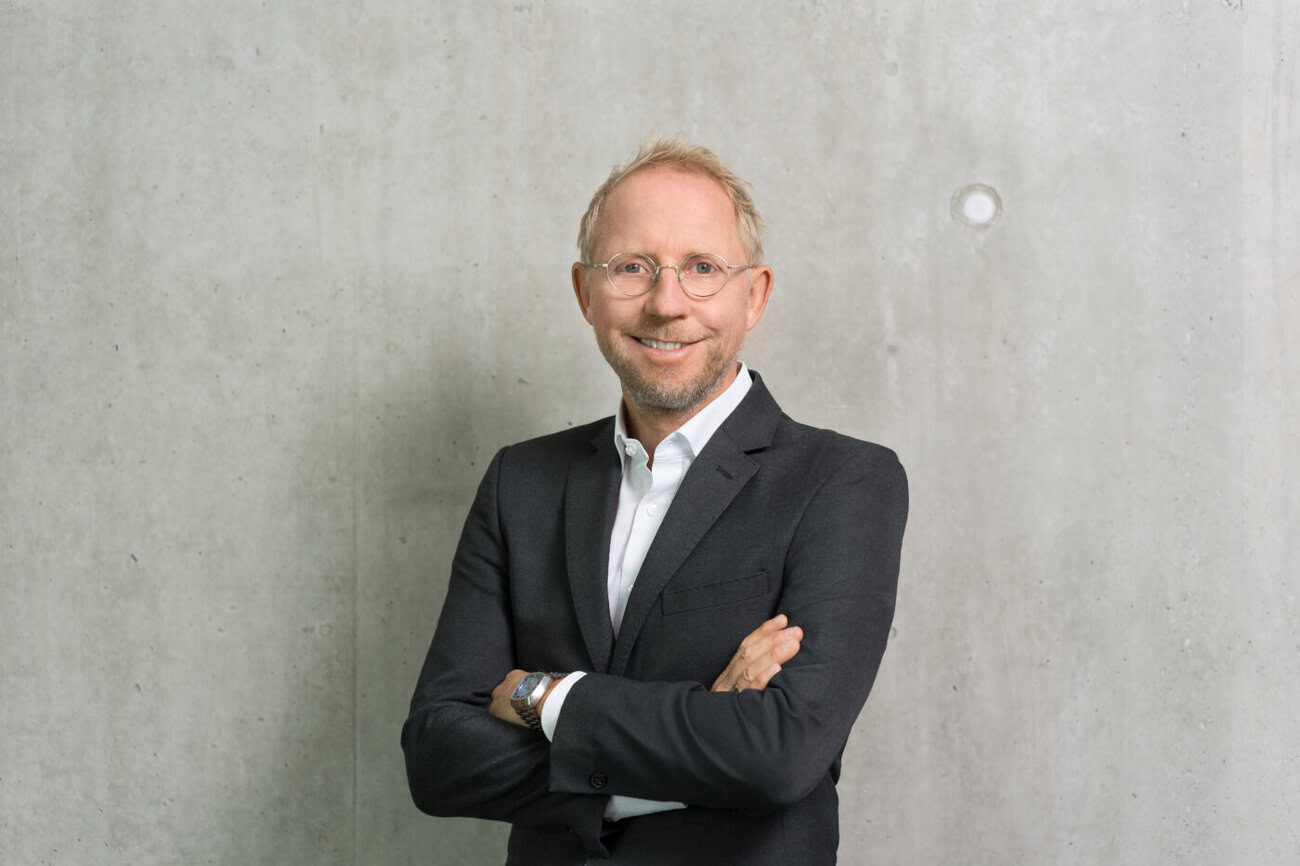
Today, Kärcher doesn't just sell appliances—it sells «solutions for everyday life and well-being.» Many people even say that cleaning reduces stress. How do such insights specifically change your brand communication?
Bernd Rützler: We’ve come to understand that cleaning isn’t an end in itself, but rather something that enhances quality of life. Our market research has identified very distinct “cleaning types”: For some, it’s a relaxing ritual; for others, it’s a necessary evil that needs to be gotten over with quickly.
Specifically, we translate this into communication through what are known as «category entry points.» One example is our current indoor campaign, “Don’t let cleaning make you crazy.” Here, we specifically focus on emotional relief. We’re no longer just selling the steam cleaner or the vacuum mop—we’re selling the good feeling of regaining control over your environment—efficiently, sustainably, and stress-free.
The market is getting tougher: price pressure, new competition, and cautious customers. What do you need to do differently in marketing today compared to 5 years ago in order to still grow?
The business environment has undoubtedly become more complex. We are feeling intense price pressure from Asian manufacturers and a general reluctance to buy. Whereas we used to think in terms of individual campaigns and focus on specific products, we now strategically bundle our messages.
In a world of shrinking budgets and an exploding variety of channels, focus is our most valuable asset. We use a data-driven spending model to precisely determine which message achieves the greatest impact in which channel. We invest heavily in our own brand appeal—because especially in uncertain times, customers seek the reliability and quality that the Kärcher name has stood for over the past 90 years.
Kärcher is currently making a conscious effort to focus on emotion rather than technology. When can emotion become too much?
Emotions are the key to people's hearts. But for that connection to last, the product must deliver. As an engineering company, we ensure that every emotional promise is backed by a beneficial innovation.
Our strategy is based on channel differentiation: In the awareness phase, we focus heavily on lifestyle and emotion to create relevance. However, the closer the customer gets to making a purchase decision, the more technical and precise we become. For example, we are currently investing heavily in animations that make our technological superiority visually tangible and rationally comprehensible.
The conference theme is «Brand Management as a Team Effort—AI as a Team Member.» Where exactly does AI help you—and where doesn’t it?
At Kärcher, AI is no longer an experiment—it’s a reality. As pioneers in this field, we gave over 13,000 employees access to Google Gemini as early as 2024. In marketing, we now use AI to increase efficiency in copywriting, for complex market analyses, and increasingly in asset production.
However, the line is clear: our strategic direction—and above all, our brand values—remain in human hands. AI is an excellent co-pilot that frees us up to focus on value-adding tasks. But the «courage» and «curiosity»—two of our core values—must come from the flesh-and-blood team.
About the Swiss Brand Congress
Bernd Rützler, EVP of Corporate Marketing & Brand Management at Kärcher, will speak on June 10, 2026, at the Swiss Brand Congress in Zurich. Under the theme «Brand Management as a Team Sport—AI as a Team Member,» more than 100 experts will demonstrate how brand management is being reimagined at the intersection of emotion, data, and technology.
About Kärcher
Kärcher is the global market leader in cleaning technology and has stood for innovation, quality, and strong brand leadership for over 90 years. The company develops solutions for households, businesses, and industry, and is increasingly combining technical excellence with emotional brand communication.
]]>