
In the current study by the Institute of Brand Logic, tourism experts from Austria, Germany, Switzerland and South Tyrol were asked about their assessments of the Corona crisis.
"For destinations and businesses, the Corona crisis poses an economic threat," says Markus Webhofer, founder and CEO of the Institute of Brand Logic. "How big this challenge turns out to be depends on the duration of the crisis as well as the intensity of the measures to contain the pandemic." With this in mind, 56 percent of the tourism decision-makers surveyed expect a combination of long duration and moderate measures to be the most likely scenario.
The journey goes in the direction of future trends
Most respondents also see the crisis as a catalyst for key future trends such as wellness, safety, experiencing nature, regionality and sustainability: "Drastic cuts like the Corona crisis often accelerate already existing developments," says Webhofer. "For tourism businesses and destinations, their future success will depend on whether they manage to find a response to these future trends.""
Guest behavior as a factor of uncertainty
In addition to the trends, another decisive factor for future success is whether and how the behavior and decisions of guests will change in the long term as a result of the Corona crisis. So far, the tourism experts surveyed are largely unanimous on only one point: 77 percent expect guests to become more hygiene-conscious.
How should tourism destinations and companies now respond to the challenges? In the short term, respondents almost unanimously see closer exchange and coordination between stakeholders as the most important lever. In the long term, crisis prevention and working on future trends are on the agenda.

200 decision-makers in German-speaking food retailing (LEH) were asked for their assessments of the corona crisis and its impact on the industry. The scenario study shows: Most companies expect the consequences of the pandemic on their business to continue for several months and, in some cases, to have a long-term impact. Strict hygiene regulations, restrictions on store opening hours and changes in customer behavior pose particular challenges for the food retail sector.
Homogeneous opinion regarding duration and effect
"Overall, our survey shows a relatively homogeneous opinion among the 200 companies surveyed with regard to the challenges caused by the crisis," analyzes study author Markus Webhofer, founder and CEO of the Institute of Brand Logic. For the food retail industry, the duration and intensity of the crisis in particular would determine the economic and operational impact for the sector. "The scenario with the absolute greatest probability is the one with a short duration but intensive impact. Retailers will experience clearly noticeable changes for the foreseeable future, but according to the survey, the majority consider them to be manageable," says Webhofer. On average, respondents expect the crisis to last 7.3 months. However, as many as a quarter expect it to take more than a year for the situation to return to normal.
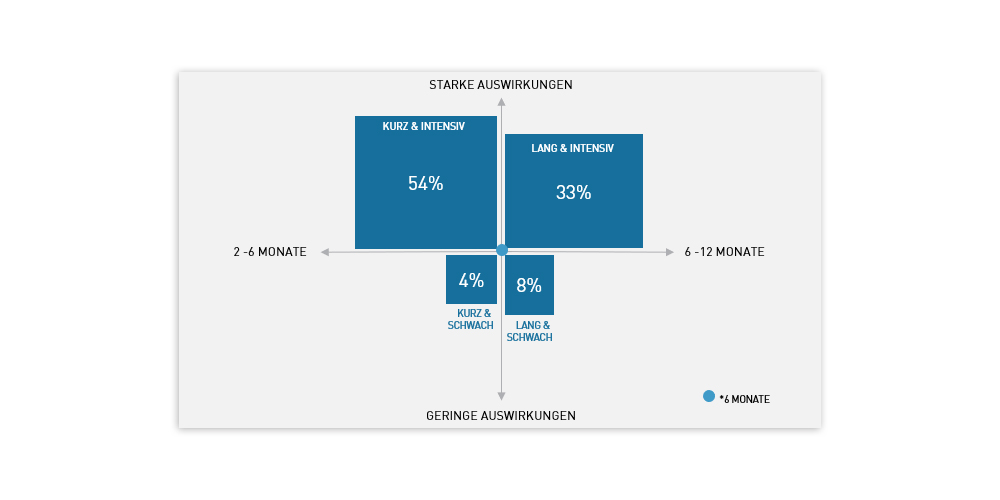
Source: Institute of Brand Logic
Almost all companies surveyed expect strict hygiene regulations to be in place for the entire duration of the crisis. "The high risk of infection from the coronavirus is forcing retailers to take extensive measures to protect customers and employees from infection," says Webhofer. "On the one hand, this causes noticeably higher costs for the companies, but on the other hand, it also has positive effects on the health of the employees - sickness rates are low at the moment as a result."
Changing consumer behavior
80% of the food retailers surveyed state that online demand has increased sharply since the start of the crisis - resulting in massive congestion in online delivery logistics. In the longer term, too, clear consumer trends seem to have emerged that have triggered or intensified the crisis: 64% of the study participants expect weekly shopping to gain in importance, while 55% see the shortest possible travel distances as a trend. In terms of product selection, regional products (65%) and healthy eating (59%) are likely to become even more of a focus for consumers than before.
Increased savings behavior
One concern of most respondents: the crisis is likely to lead to increased savings among consumers and reduce the proportion of disposable household income spent on food. "This will play into the hands of price-aggressive suppliers," says Webhofer. "Companies will have to adapt to increased competition and respond with new strategies." The study results prove that a majority of respondents are already planning to expand e-commerce with omni-channel solutions (74%) and strengthen online marketing (69%). In order to save costs, 78% also want to automate warehouse and logistics processes, and 67% want to enter into cooperative ventures in the supply chain.
Those who use change for their own benefit will profit in the long term
The need to better prepare their own organization for future crises is the order of the day: around three quarters of respondents say they want to be particularly active in this area and establish an efficient crisis management system, introduce digital solutions for more flexible working structures and develop crisis PR strategies. Despite all the Corona-related problems, there is also a positive effect for study author Webhofer: "The crisis has triggered or accelerated changes in companies that will have an impact far beyond the current phase. Those who take advantage of the change and draw the right conclusions for their structures and processes will benefit from it in the long term."
The Institute of Brand Logic is the consulting boutique with offices in Munich, Innsbruck and Vienna. For over 20 years, Brand Logic has accompanied food retailers and established leading retail formats on the market. Brand Logic's clients include Spar Group Austria, DM Drogeriemarkt, Mpreis and others.
The study results are available on the Homepage of the Institute of Brand Logic retrievable.
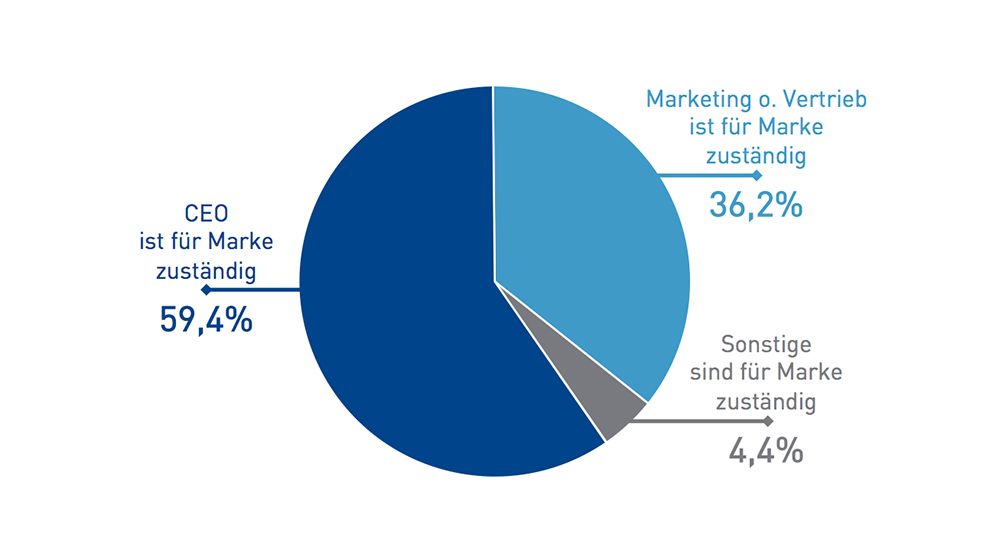
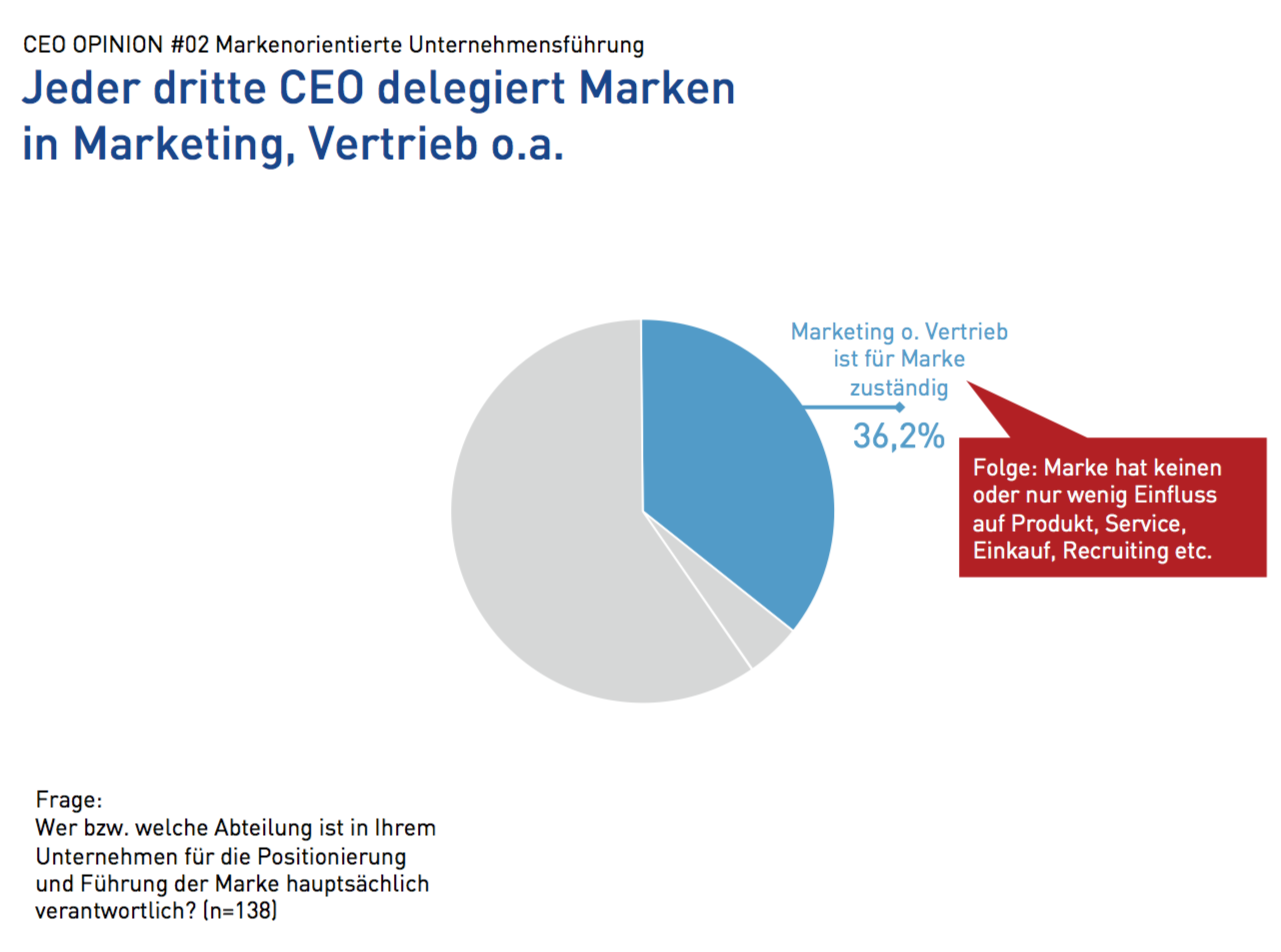
This is the result of a recent study by the Institute of Brand Logic. The consulting boutique for brand-oriented corporate management surveyed more than 130 corporate leaders in German-speaking countries.
More than 40 percent of CEOs said that brand management is not their responsibility. "This means that companies are missing out on the opportunity to fully leverage the strengths of their brand," says Markus Webhofer, Managing Partner of the Institute of Brand Logic.
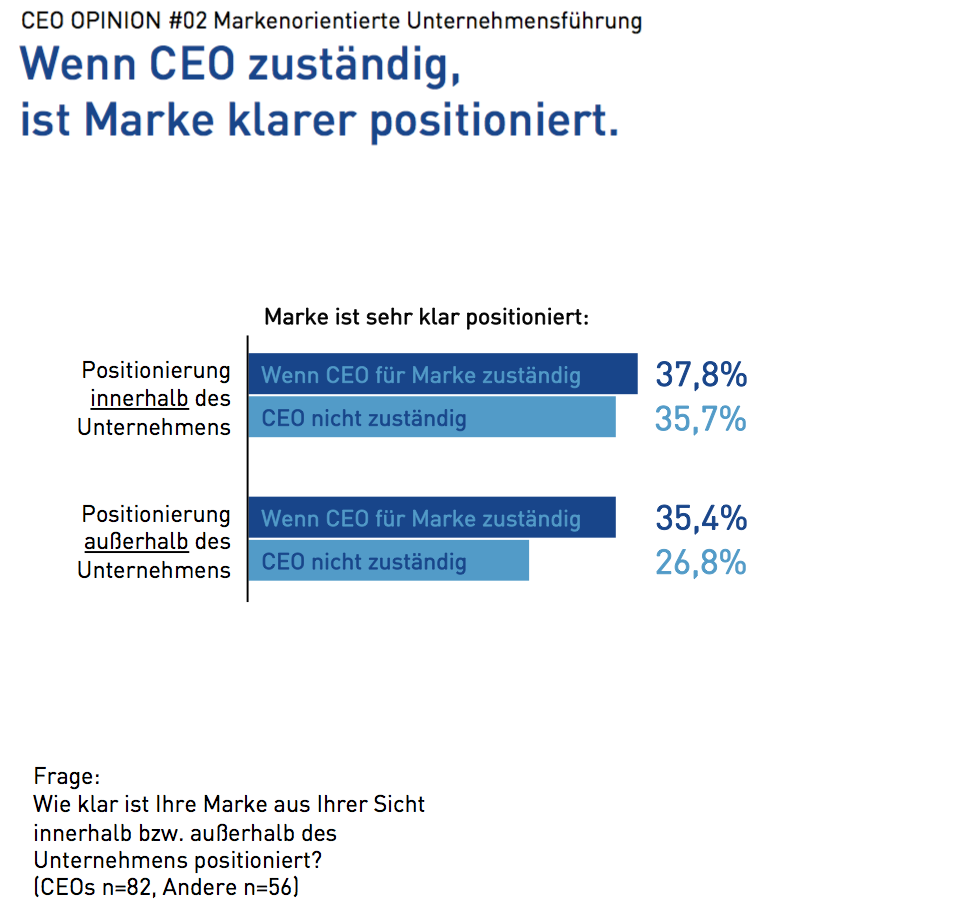
"As the head of a company, taking responsibility for the brand pays off. Because what is important to the boss, the departments also take seriously." This is reflected in the question about brand positioning: only just under 27 percent of CEOs feel that their brand is very clearly positioned outside the company. Of the CEOs who are themselves responsible for their company's brand, the figure is still 35 percent - but even that is a shockingly low figure.
In their study, Webhofer and his team therefore took a close look at the influence of brand on decisions in different areas of the company. Even in companies where the CEO is responsible for the brand, the results are sobering: When it comes to decisions on strategy, more than 35 percent of these CEOs do not include the brand in their considerations, and when it comes to topics such as customer communications and sales, as many as one in two do. Around 85 percent make personnel decisions without a thought for the brand, and when it comes to budget decisions, all kinds of criteria play a role, but the brand only in around five percent of cases.
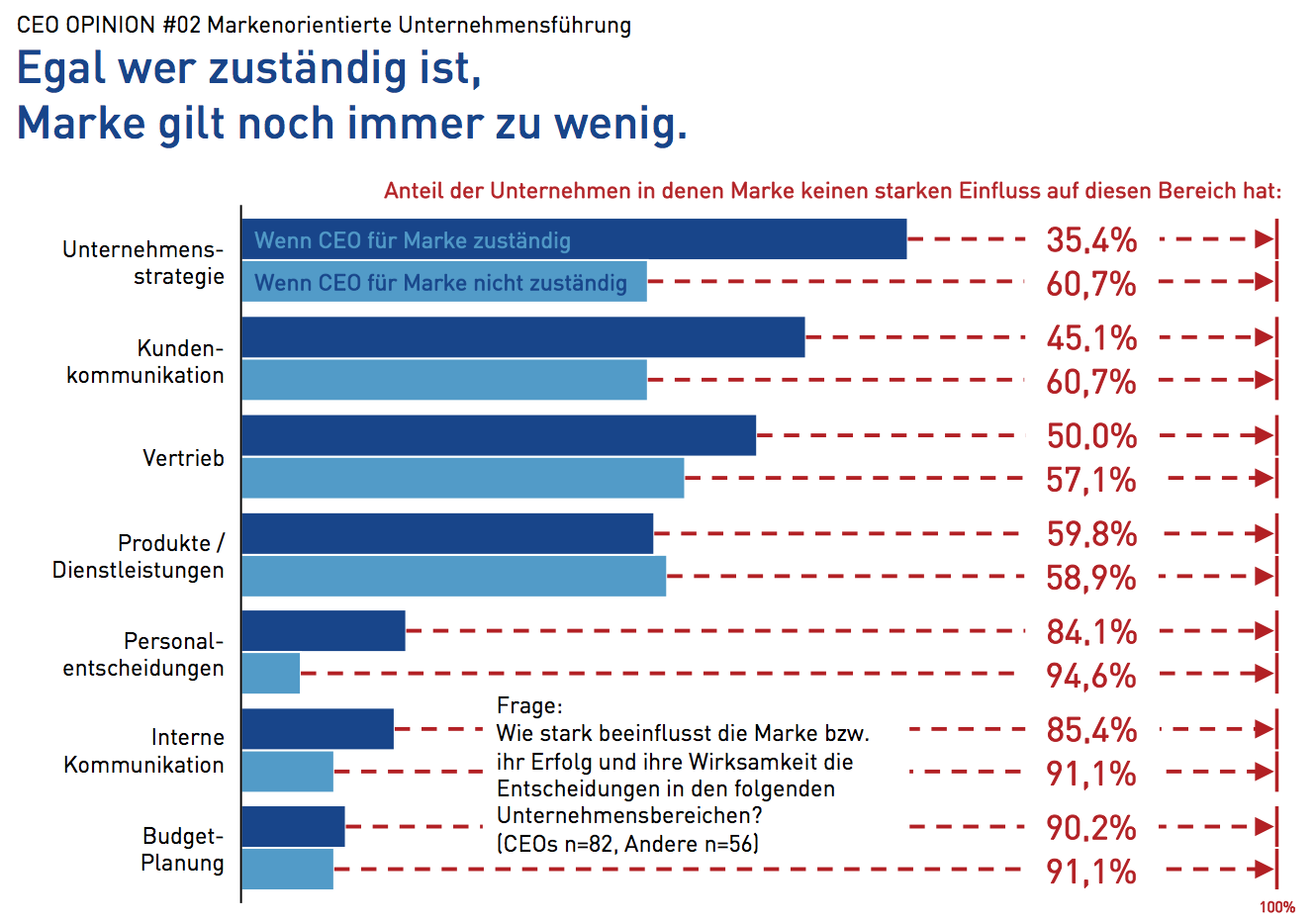
Brand as a common decision-making framework for all departments
"Our survey clearly shows that the brand still plays a subordinate role in many areas of the company - even when the boss is in charge," says Webhofer. "Yet this is a clear contradiction to what CEOs themselves would like to see." Indeed, a significant finding of the study is that CEOs would like to see more brand influence across all areas of the company: depending on the area, 20 to 35 percent more than they say is the case today. The clarity of this result surprised even the experts at the Institute of Brand Logic, but also confirmed their experience. "Especially in disruptive times, companies need to be able to be managed from a single source," says Webhofer. "For this, brand offers enormous potential, you just have to use it."
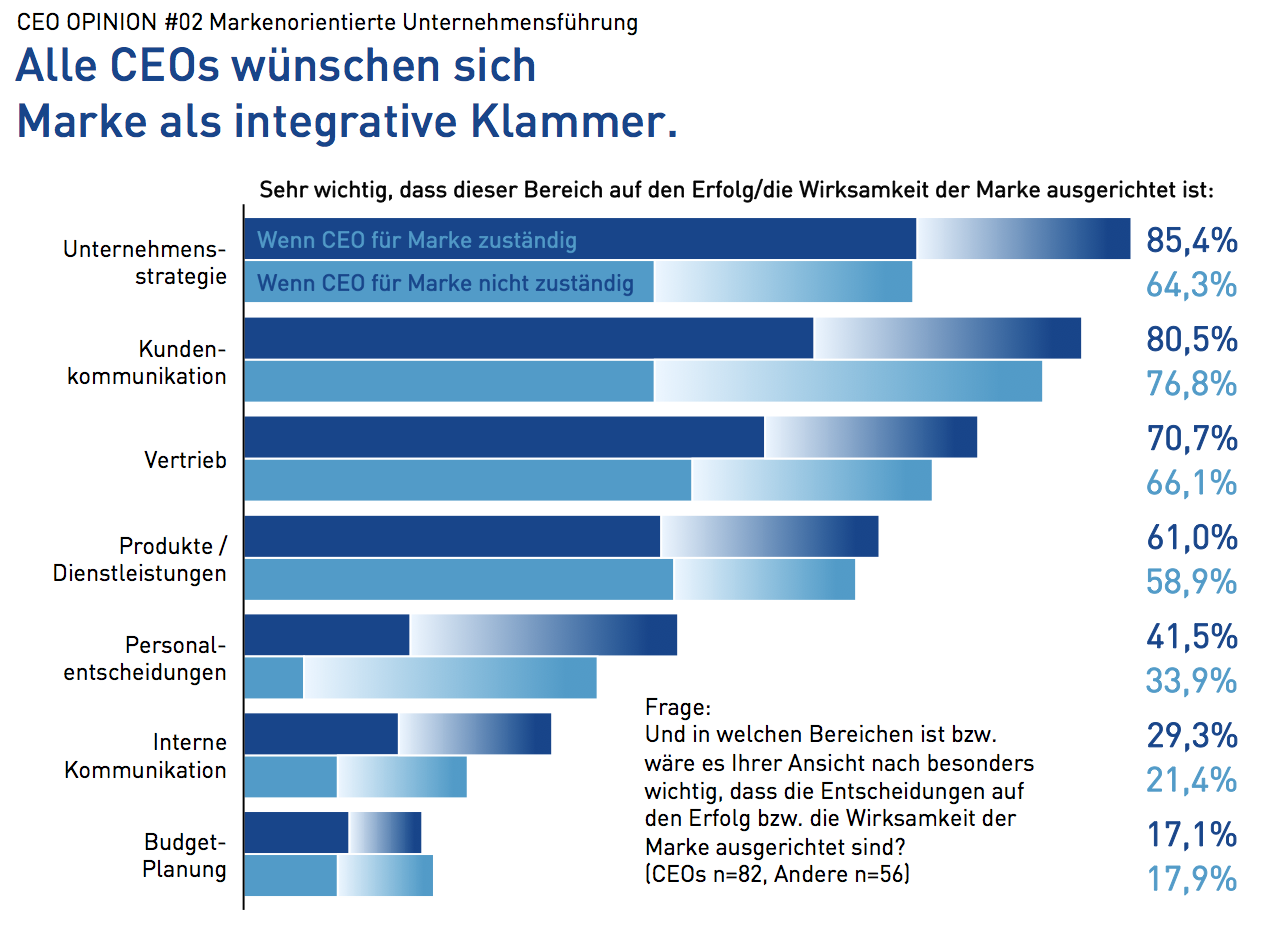
For the study, the Institute of Brand Logic 138 entrepreneurs, managing directors and owners in German-speaking countries were surveyed. The complete study "CEO Opinion #02: Brand-Oriented Corporate Management" can be as PDF can be downloaded (direct link).
The consulting boutique Institute of Brand Logic was founded in 1999 as a spin-off of the University of Innsbruck to build companies into leading brands in their industry through consulting and active participation. With offices in Innsbruck and Munich, the Institute of Brand Logic advises brand-oriented companies in Germany, Austria, Italy and Switzerland. The consulting approach is primarily aimed at integrating the entire corporate organization into a transformation process guided by the brand. Through its advisory board and a number of established dialog platforms, the Institute is in close dialog with a network of corporate leaders and academics.