Ex Libris Campaign Links Barcodes to Real-Time Prices
The Ex Libris campaign by the Zurich-based creative agency Freundliche Grüsse is based on a minimalist yet technologically sophisticated concept: real barcodes are transformed into interactive book offers at current low prices. Ex Libris stands for a wide selection of books at low prices—and the campaign reflects this positioning.
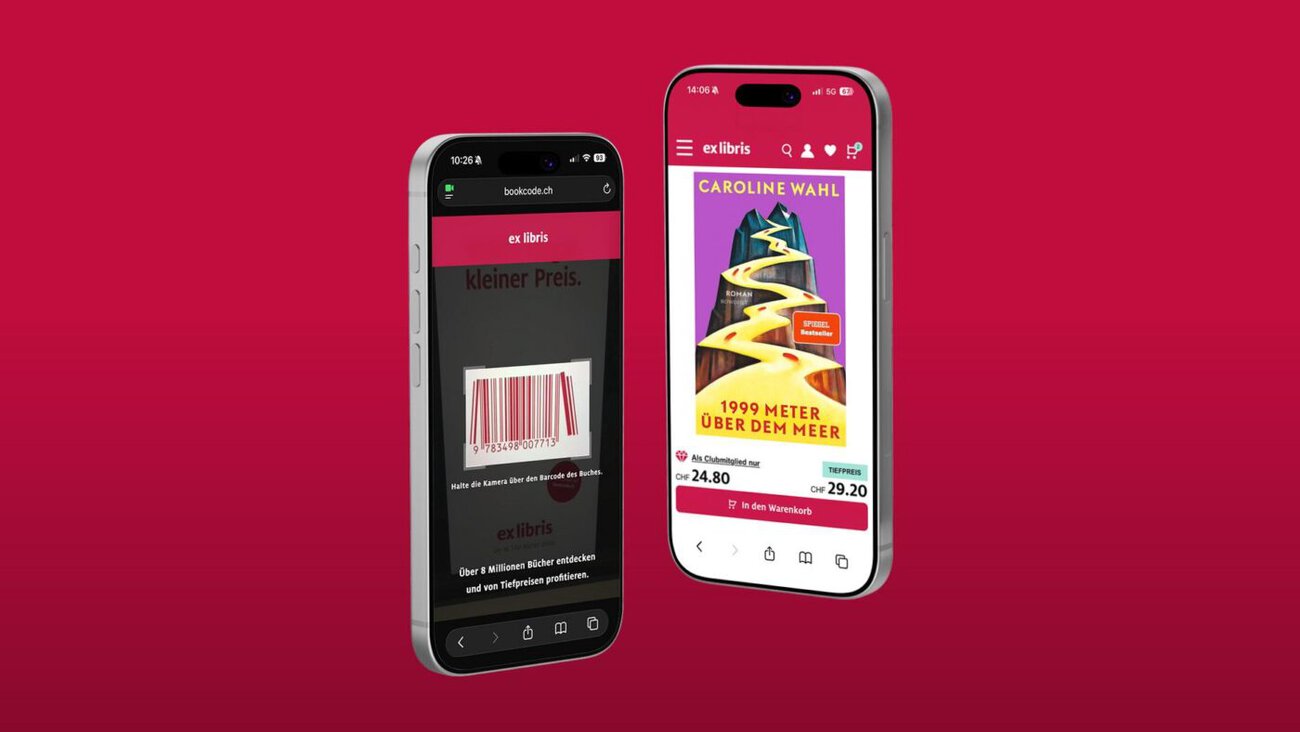
A standard barcode, such as the one used for every book with an ISBN number, contains all the basic identification and product information for a title, but does not include a fixed price. This is where the campaign comes in: To put the price front and center, the barcodes on the digital advertising spaces were linked to Ex Libris’s store data. When scanned, they retrieve the current day’s lowest price from the database in real time.
Based on this concept, campaign visuals were created using real EAN-13 barcodes. The design interprets the vertical lines of the barcode as a bookshelf.

Dynamic Setup with a Contextual Matrix
To ensure the campaign goes beyond a mere visual impression, Freundliche Grüsse has developed an innovative campaign setup in close collaboration with Drop8, Ex Libris’s media agency. DOOH placements featuring countless variations of the creative are currently running throughout German-speaking Switzerland. Each of these variations is equipped with a uniquely generated barcode. A contextual matrix—which links location, time of day, and book category—determines which titles from the current Ex Libris book charts appear where and when. The result is a digital bestseller shelf that constantly rearranges itself on digital screens in tune with the rhythm of everyday life.
The campaign is highly dynamic: The book titles behind the codes are pulled directly from the Ex Libris book charts on a weekly basis and automatically incorporated into the promotional materials.
The scanning app takes you directly to the online store
The designs directly encourage passersby to scan the digital posters using the specially developed scanning app on https://bookcode.ch to scan. If you don't come across DOOH ads in your daily life, you can check it all out on the landing page https://bookcode.ch Try it out on your desktop, too.
Anyone who scans the code is taken directly to the specific book and its low price in the online store. A special highlight of the technological implementation: The scanner isn’t limited to campaign images. According to the company, it works universally with any book that has a 13-digit ISBN number and immediately provides a price comparison in the Ex Libris Shop.
Responsible at Ex Libris: Ester Grau-Garcia (Overall Responsibility), Rahel Stier (Marketing Manager), Sonja Alber (Interim Chief Commercial Officer) Responsible at Friendly regards: Pascal Deville, Samuel Textor, Fabian Biedermann (Overall Responsibility), Laura Leuenberger (Art Direction), Jacqueline Rufener (Copy/Concept), Sandro Matter (Consulting/Technology) Responsible at Drop8: Fabrice Lalive (Director of Innovation & Technology), Monty Meier (Managing Director)
]]>
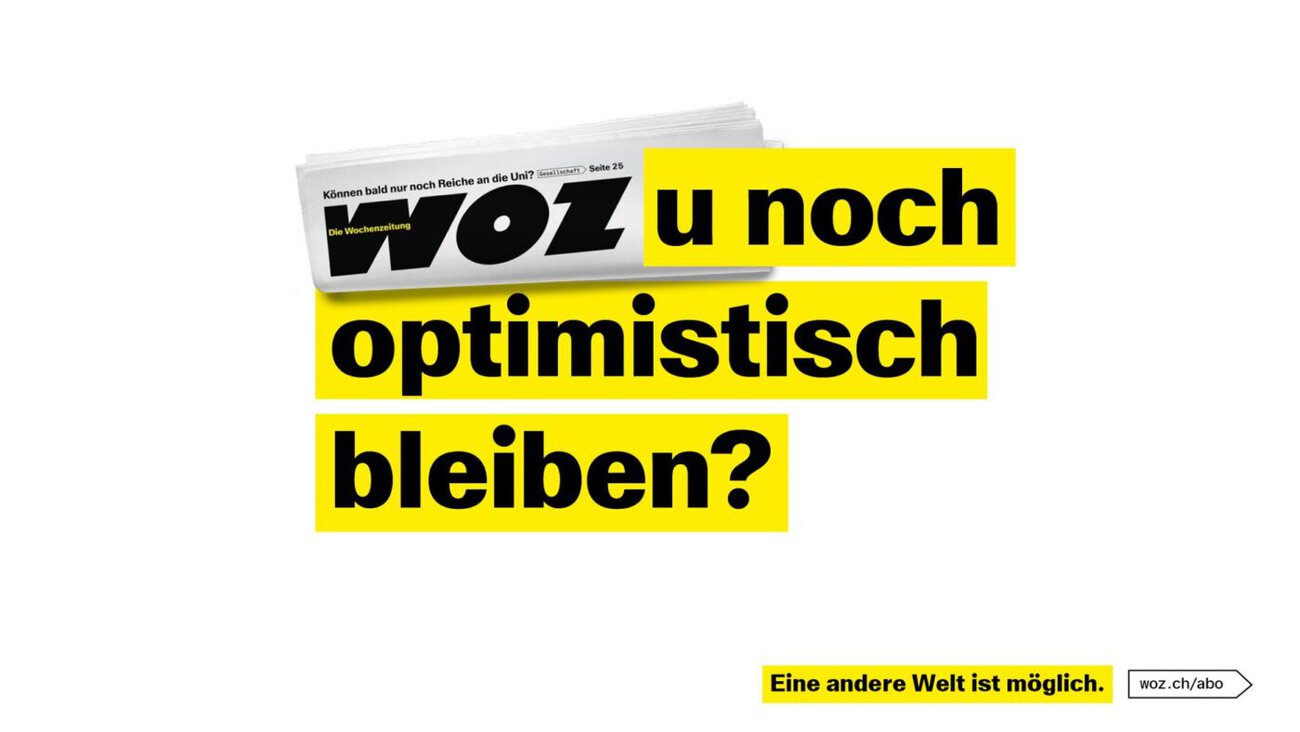
The media landscape is changing rapidly: monopolization, a shift to the right, and a decline in journalistic diversity are shaping the industry. While major publishing houses are cutting jobs and scaling back their offerings, the Swiss weekly newspaper WOZ is taking a stand against this trend with its new WOZ subscription campaign. Following a comprehensive relaunch this spring and the release of a newly developed app, WOZ—in collaboration with the Zurich-based agency Freundliche Grüsse—is launching a campaign that centers on its own logo and the question of «Why?» in journalism.
A combination of letters as a starting point
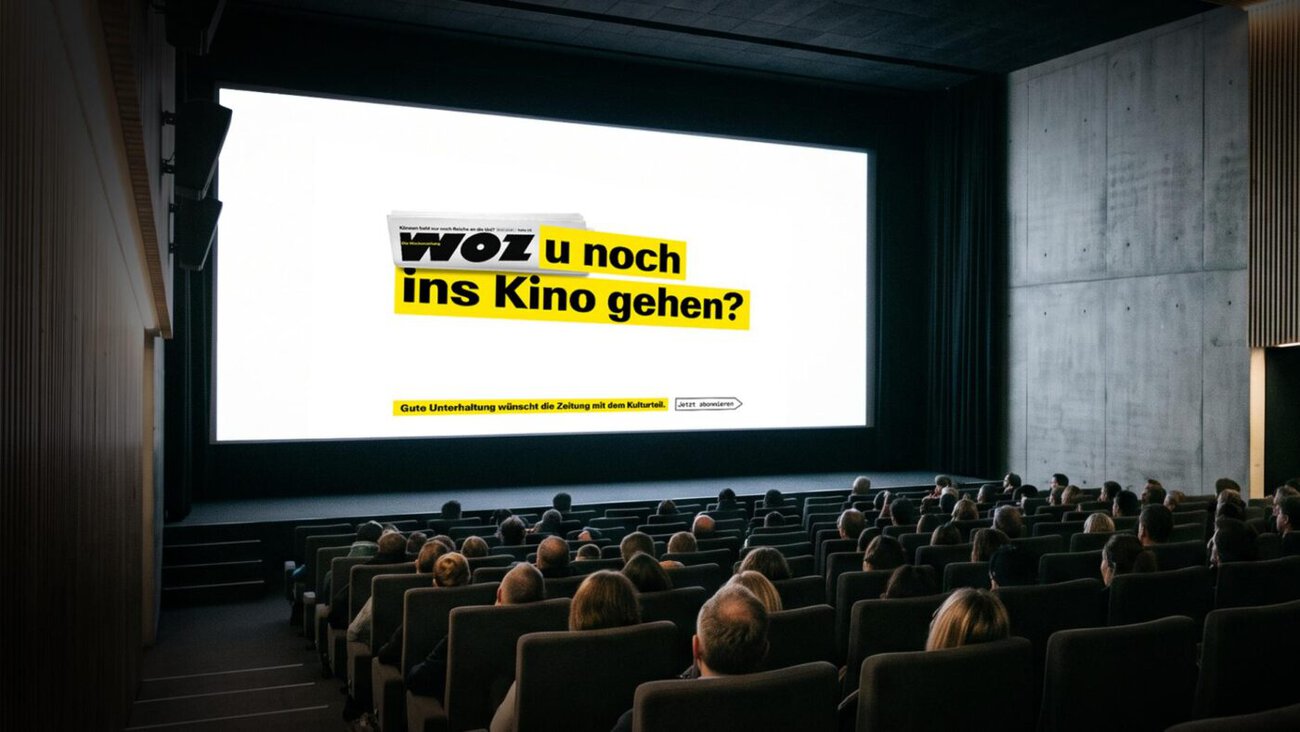
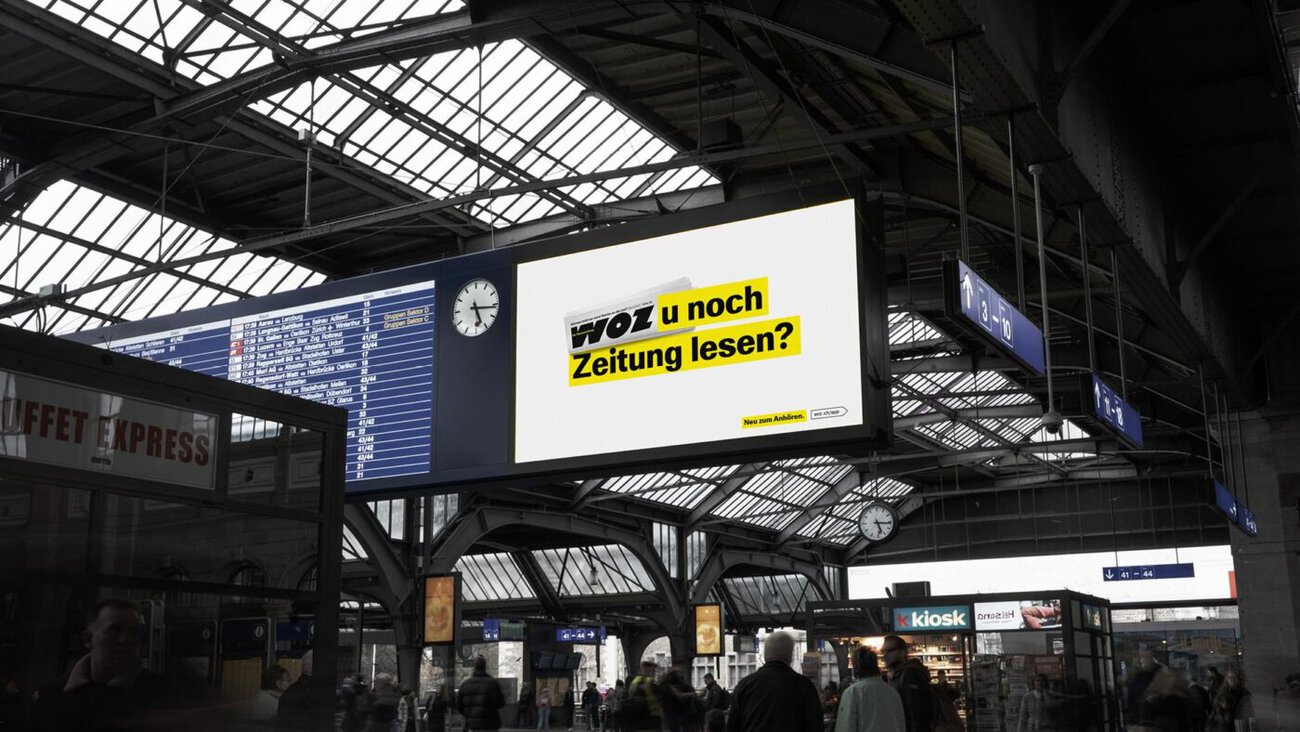
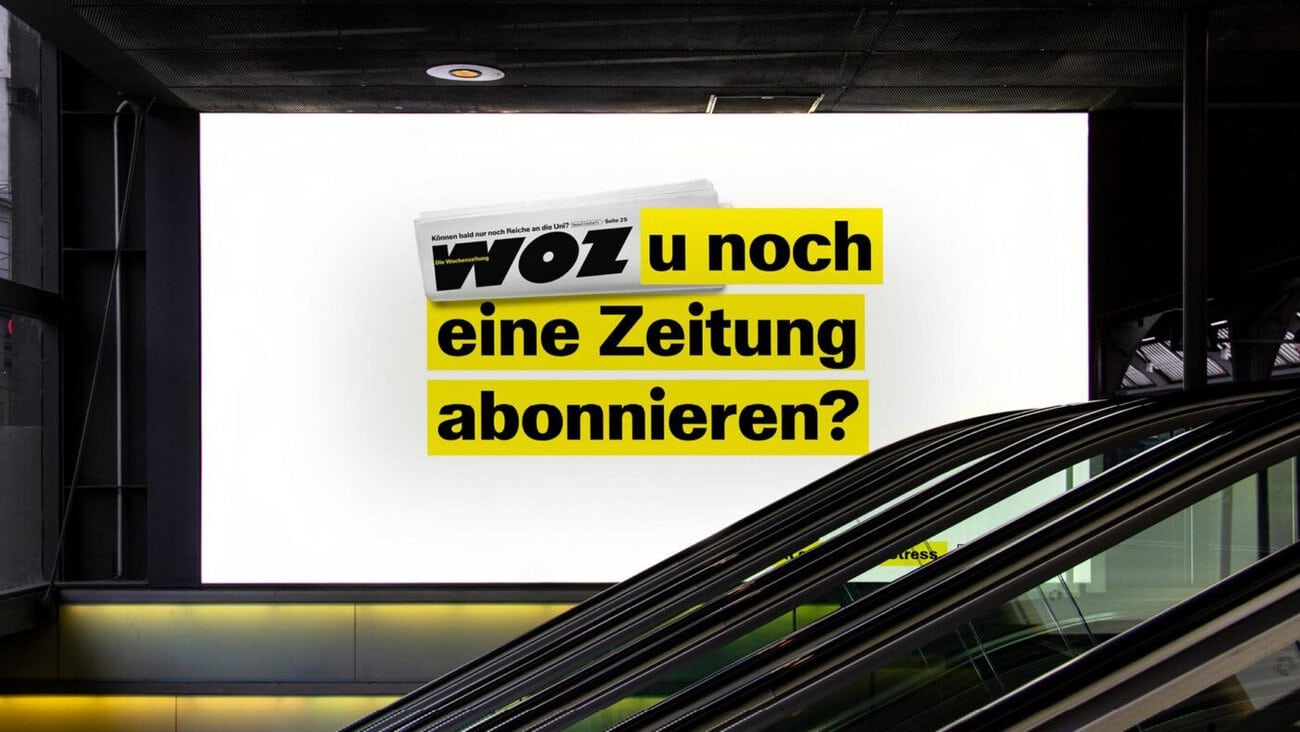
The agency Freundliche Grüsse drew on a visual and linguistic feature of the WOZ for the campaign: The rare combination of letters in the WOZ logo appears in the German vocabulary in practically only one word—«Wozu.» The campaign uses this word as the starting point for key questions, such as why anyone should still read a newspaper. In this way, the WOZ says it underscores its commitment to thoroughly researched journalism that is dedicated to its readers. The striking, minimalist headlines are designed for out-of-home advertising.
Staying Up to Date via Social Media
On social media, the campaign concept is used to respond quickly to current events. Whether it’s climate change, the housing crisis, or data centers—press photos and relevant headlines are designed to draw attention to current journalistic content, even on topics that go far beyond traditional journalism. The accompanying tagline is always: «Now in the WOZ.».
Relevance as the Core Message
With this campaign, the weekly newspaper is positioning itself as a media outlet that takes the time each week to make sense of the world for its readers. The campaign aims to convey the message that the WOZ is more relevant today than ever before. It is being rolled out across various channels: digital billboards, print ads, social media ads, and movie theater slides.
For more information about WOZ and subscriptions, visit https://www.woz.ch to find.
Editor in charge at WOZ: Camille Roseau, Claudia Gillardon (Advertising & Marketing), Alice Bucher (Production). Responsible at Friendly regards: Pascal Deville, Samuel Textor (Creative Direction), Kevin Zysset (Art Direction), Julia Felder (Graphic Design), Andrea Aegerter, Eva Brun (Consulting), Tom Zürcher (Copy / Concept), Timotheus Überall (Copy), Peter Stirnemann (Generation Media)
]]>
Six locations, six stories
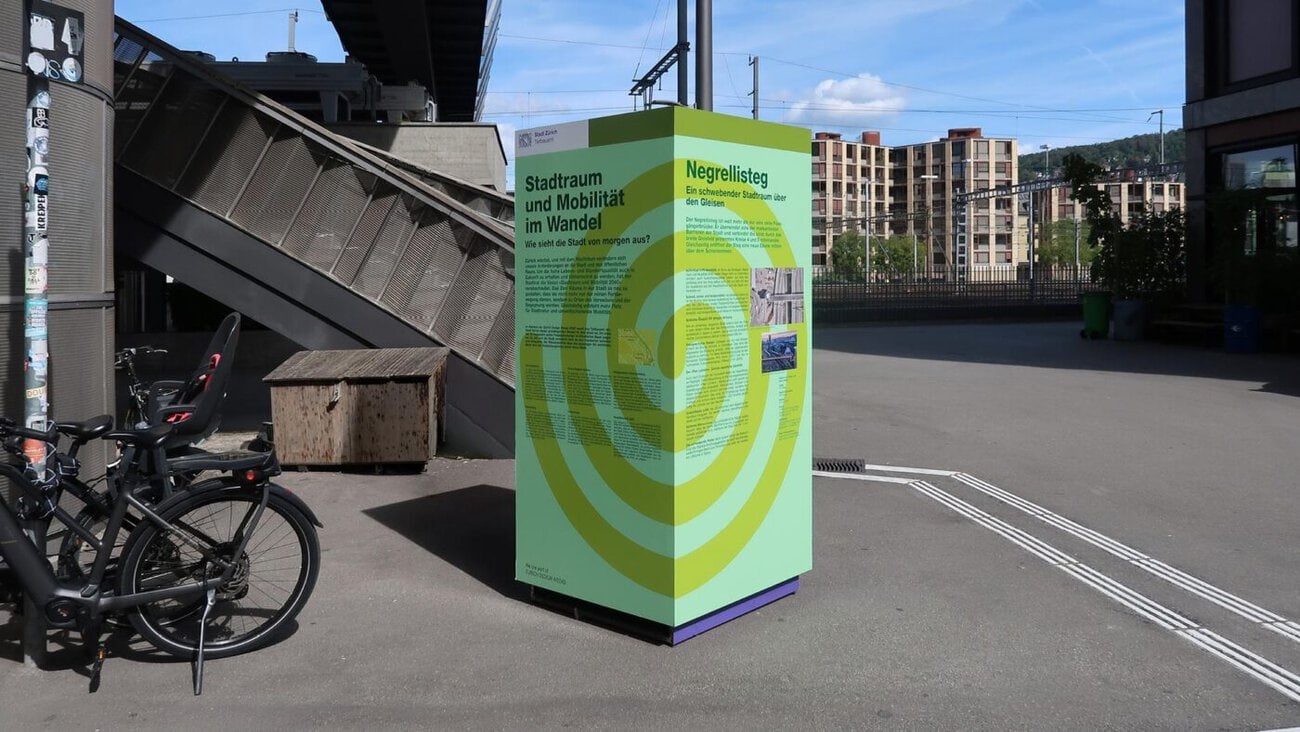
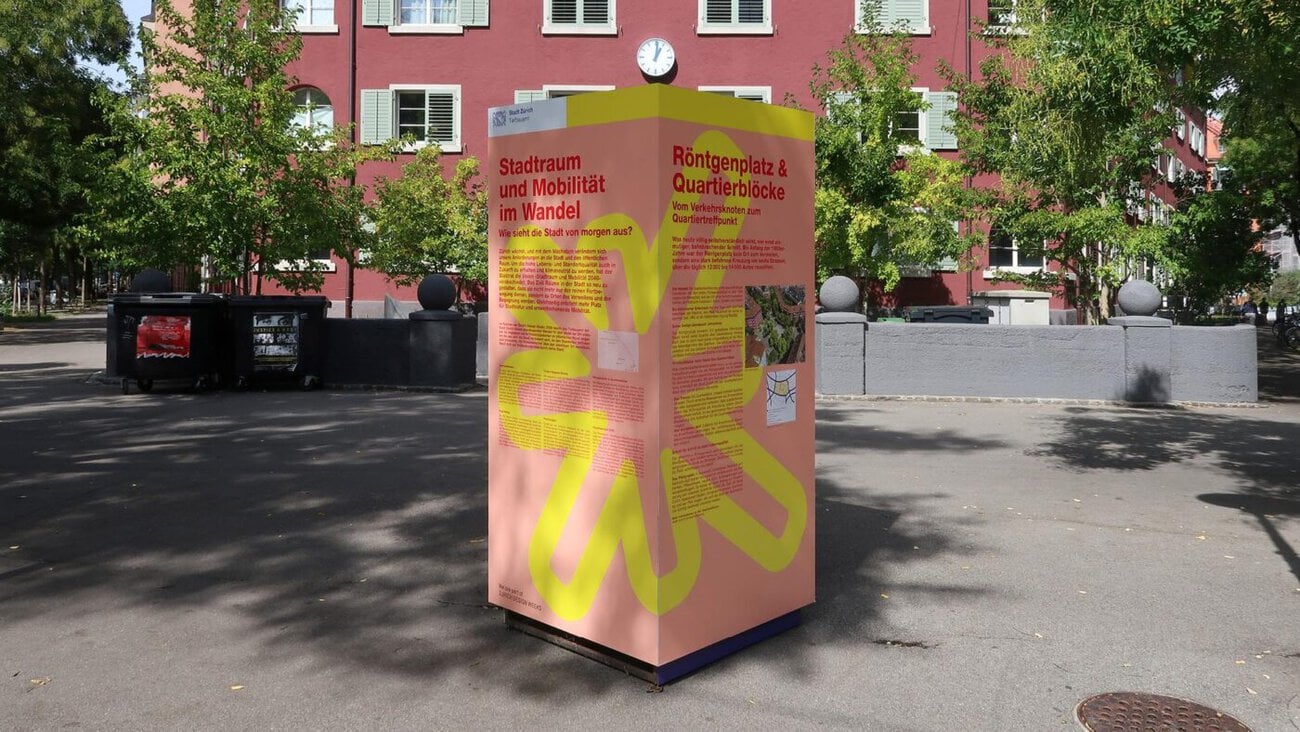
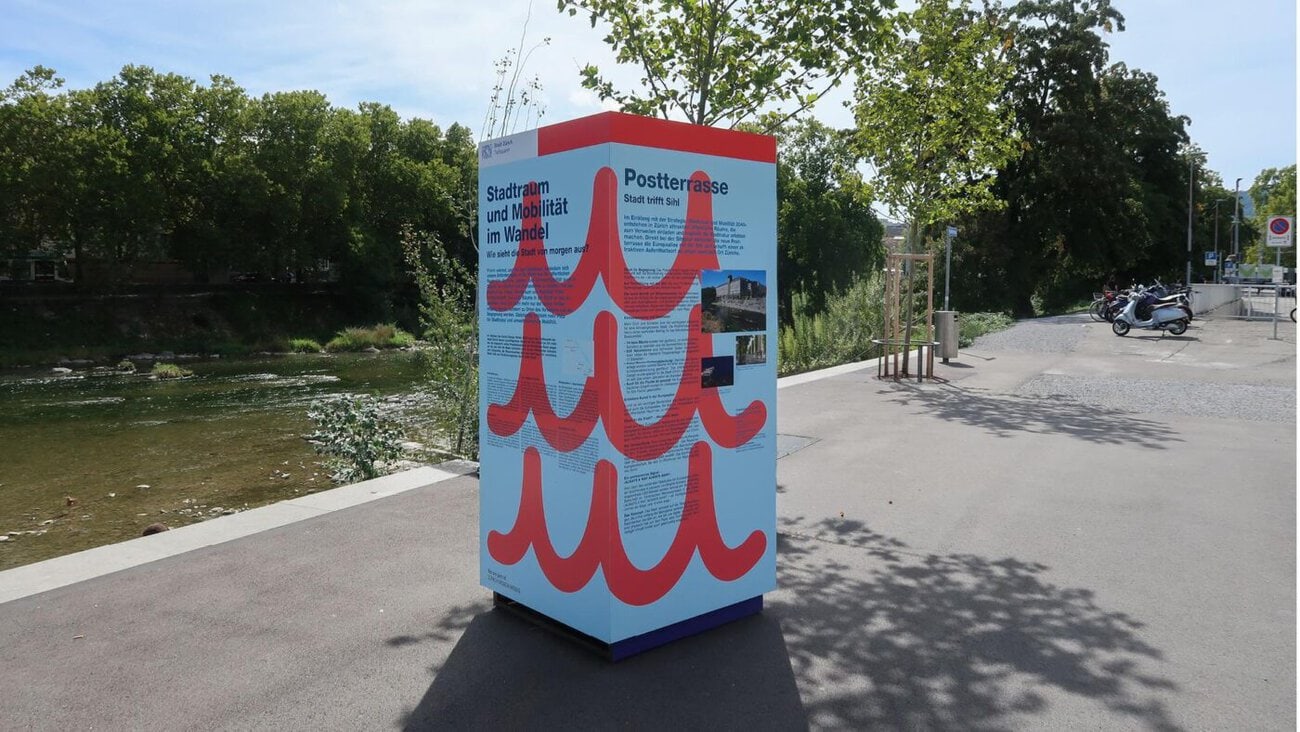
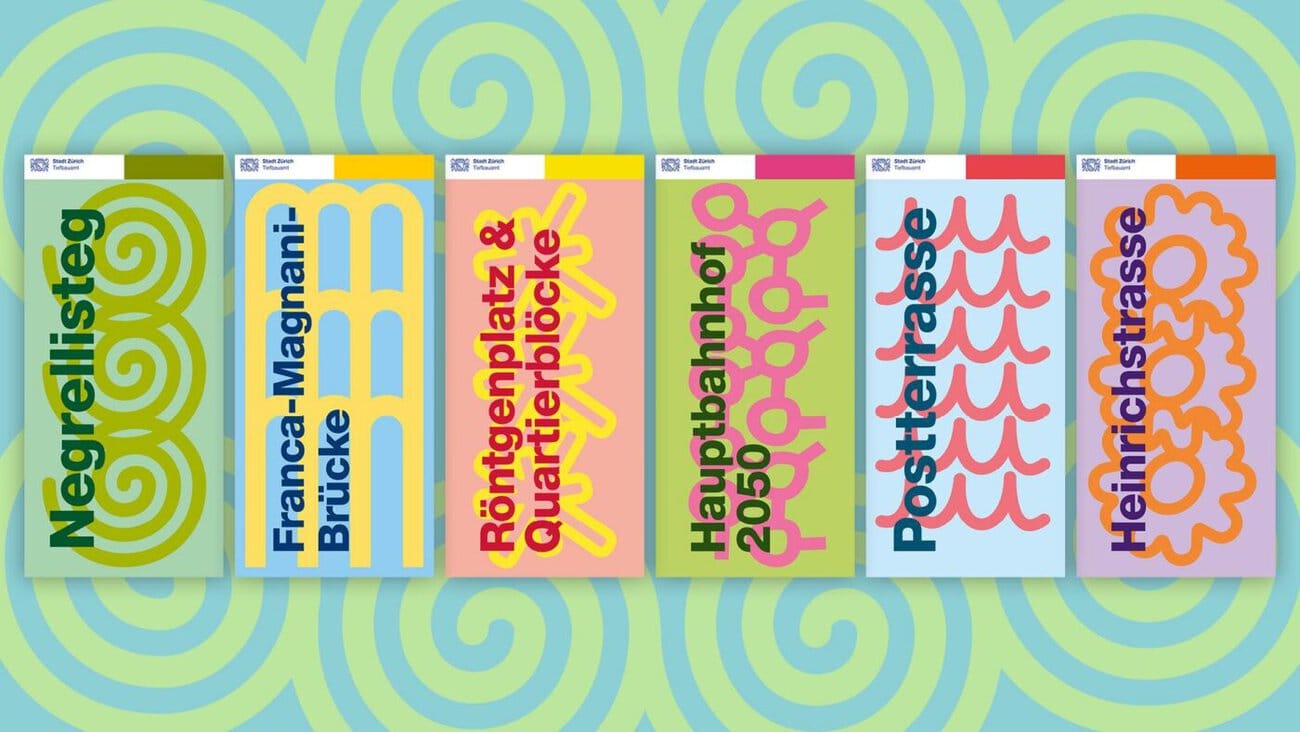
The City of Zurich’s Department of Civil Engineering is currently showcasing six projects at Zurich Design Weeks, Switzerland’s largest design event. The agency Freundliche Grüsse created six information kiosks for the event, each designed to reflect its specific location. A campaign landing page was also developed to complement the exhibition.
With its «Urban Space and Mobility 2040» strategy, the Zurich City Council has laid the groundwork for the further development of public spaces. According to the strategy, streets and squares should not only serve as thoroughfares but also provide spaces for people to linger, meet, and enjoy urban nature. At the same time, according to the press release, environmentally friendly mobility is to become more attractive and safer.
From the neighborhood street to the main train station
Through these six projects, the Civil Engineering Office demonstrates how the goals of the «Urban Space and Mobility 2040» strategy are already visible in the cityscape today. The information kiosks at the six locations highlight different aspects of this development: from the climate-friendly redesign of a neighborhood street to long-term visions for the urban space surrounding the main train station.
The design of each information kiosk reflects its specific location. At Röntgenplatz, the design echoes the square’s star shape; at the Sihl, it reflects the river’s ripples; and at Negrellisteg, it mirrors the spiral-shaped ascending and descending staircases. Each information kiosk provides on-site information about the corresponding projects.
Digital Scavenger Hunt Through the City
The information kiosks also invite visitors to take part in a digital scavenger hunt through Zurich. Anyone who scans the QR codes at the checkpoints can enter a contest via the landing page. In this way, the campaign for Zurich Design Weeks combines the communication of urban planning content with a playful approach to public space.
]]>
A Change of Perspective at the Tram Depot
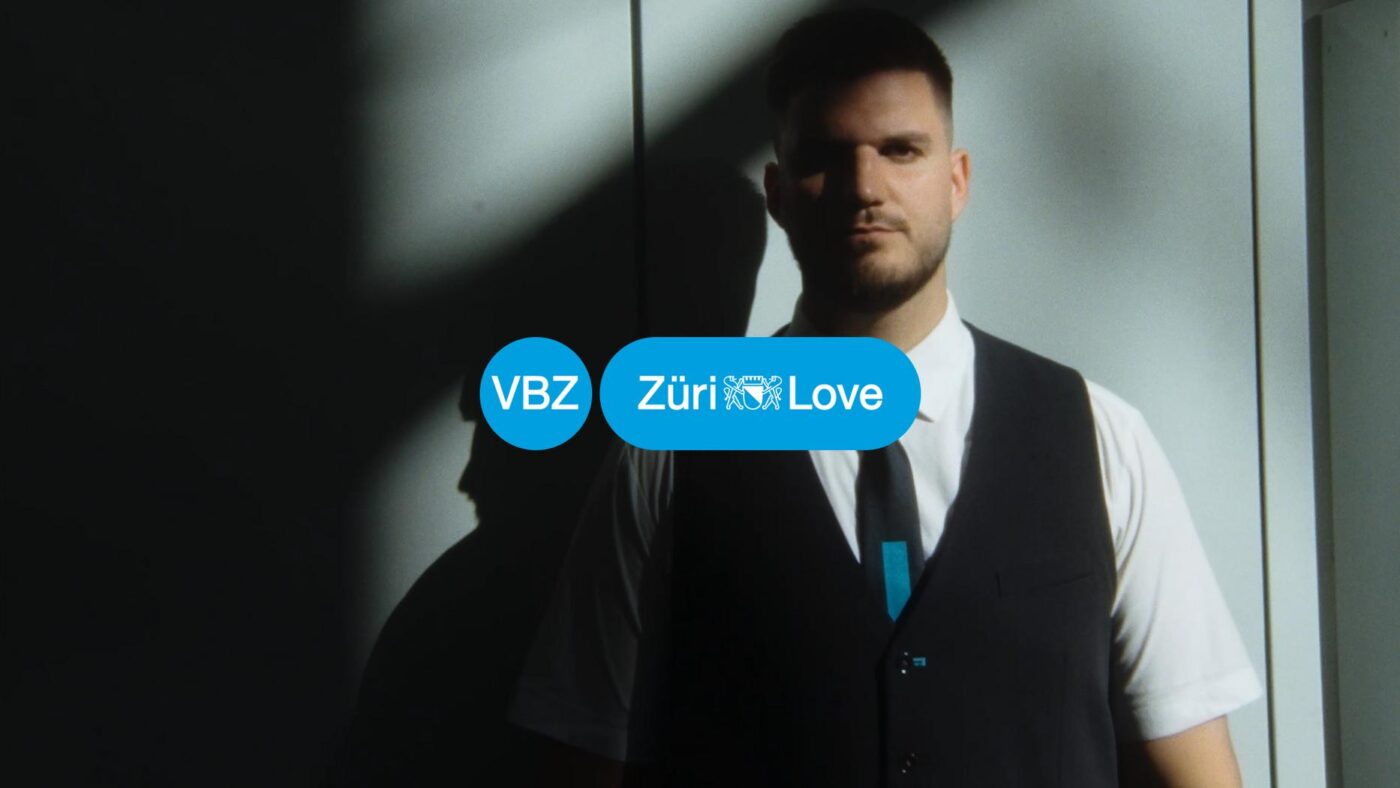
To raise awareness of careers in public transportation in the city of Zurich, the Zurich-based agency Freundliche Grüsse has produced a new VBZ campaign video. The short film «Taking the Tram to Work» shows the city of Zurich coming to life along the Limmat River and a relaxing ride on the tram—and features a surprising twist.
The film follows Saverio on his daily commute to work. The journey begins at his home in the early morning hours. In Schlieren, he takes tram line two. As the city slowly comes to life, the protagonist shares his thoughts in a voice-over. He remains calm, even when the tram pulls away right in front of him. No big deal.
At Kalkbreite, the film takes a decisive turn: The man enters the tram depot, and here comes the twist: Saverio doesn’t board as a passenger, but takes a seat in the driver’s cab. So the former passenger is now the driver—and his workplace is the heart of the city.
A Focus on Authenticity and Love for Zurich
The campaign deliberately breaks with traditional recruitment patterns and instead relies on documentary-style imagery combined with an entertaining narrative. The film is part of the «Züri Love» campaign, in which VBZ employees showcase their personal take on Zurich. Along the way, Saverio also shares what he loves about Zurich—and what makes his employer particularly attractive as a result.
Responsible at VBZ: Tobias Gees (Head of Recruiting and Employer Branding), Lorena Bachmann (Employer Branding & Recruiting Manager). Responsible at Friendly regards: Samuel Textor (Creative Direction), Pascal Deville (Creative Direction), Eva Brun (Consulting), Timotheus Überall (Copywriting), Laura Leuenberger (Art Direction), Pascal Duschletta (Production), Anil Sarikaya (Director / Cinematographer)
For more information about careers at VBZ, please visit the company's website: https://www.vbz.ch
]]>
Riders Rights Campaign: Using the Platform Against Itself
Food delivery riders are a common sight in the city—yet their precarious working conditions remain invisible to many. With the Riders Rights campaign, the Zurich-based agency Freundliche Grüsse has developed an unusual approach for the Syndicom union: Uber Eats is being used to directly inform its own delivery riders about their rights when they pick up orders—and to increase pressure on Uber to finally act as an employer.
Uber Eats classifies its food delivery drivers as self-employed. This is despite the fact that a federal court ruling had clearly prohibited this practice of employing them as «bogus self-employed» workers. For those affected, this means: no fixed hourly wage, no vacation, no social security, and no proper employment contracts. On top of that, many delivery riders work in isolation, which makes it harder for unions to even reach them.
A Pop-Up Restaurant as a Channel for Labor Rights
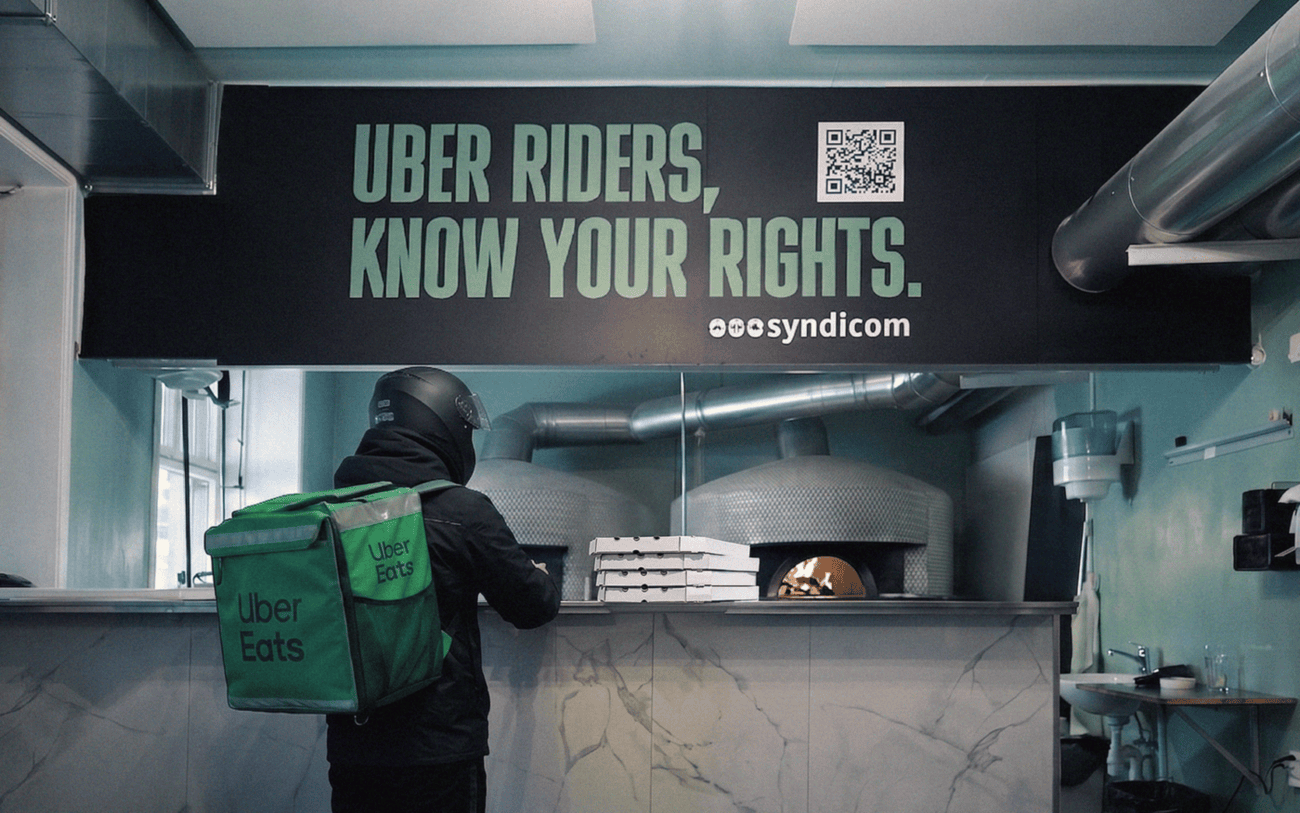
Freundliche Grüsse’s strategy was simple and straightforward: Under the name «Riders Rights,» the well-known Zurich pizzeria Derby registered as a partner restaurant on the Uber Eats app. Over the course of two days, Derby customers and Syndicom activists placed countless orders throughout the city—with the goal of speaking to as many Uber Eats delivery drivers as possible when they picked up the orders. There, the delivery drivers were informed about their rights and urged to put pressure on Uber.
Communication took place across multiple channels simultaneously: Posters and flyers displayed around the Derby restaurant conveyed the main message and directed people to the campaign website, where drivers could find information in various languages, provide feedback on Uber, and get involved in the union’s cause. In addition, labor law experts were on site.
Riders' Rights Campaign: The Goal Is to Grant Uber Drivers True Employee Status
The campaign aims to ensure that the message reaches not only the couriers but also Uber itself. According to the press release, the goal of the campaign is for the company to finally commit to being a responsible employer in Switzerland and to create fair working conditions. Full coverage of the campaign is available on Vimeo:
https://vimeo.com/freundlichegruesse/ridersrights
More information about the campaign, as well as materials in various languages, can be found on the campaign website: https://ridersrights.syndicom.ch/
Responsible at Friendly regards: Samuel Textor (Creative), Pascal Deville (Creative), Damian Del Fabbro (Consulting), Pascal Duschletta (Film), Pascal Pfohl (Film). Responsible at Syndicom: Urs Zbinden (National Secretary), Matthias Loosli (Media Spokesperson).
]]>
People-centered as the brand core
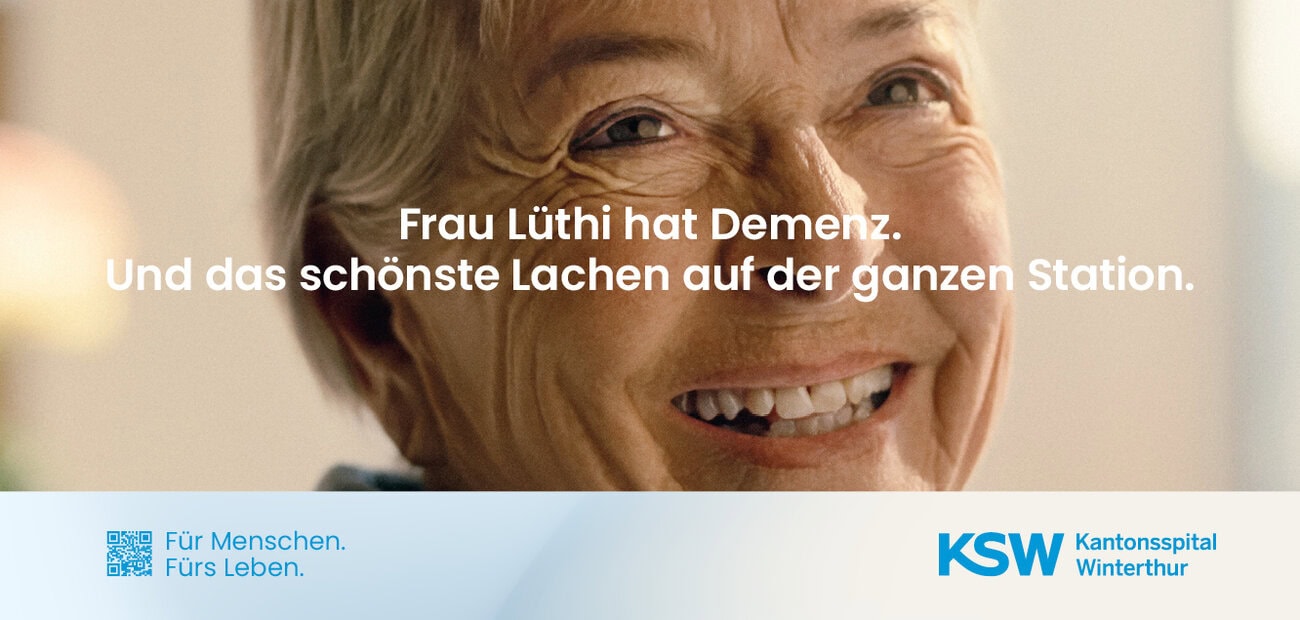
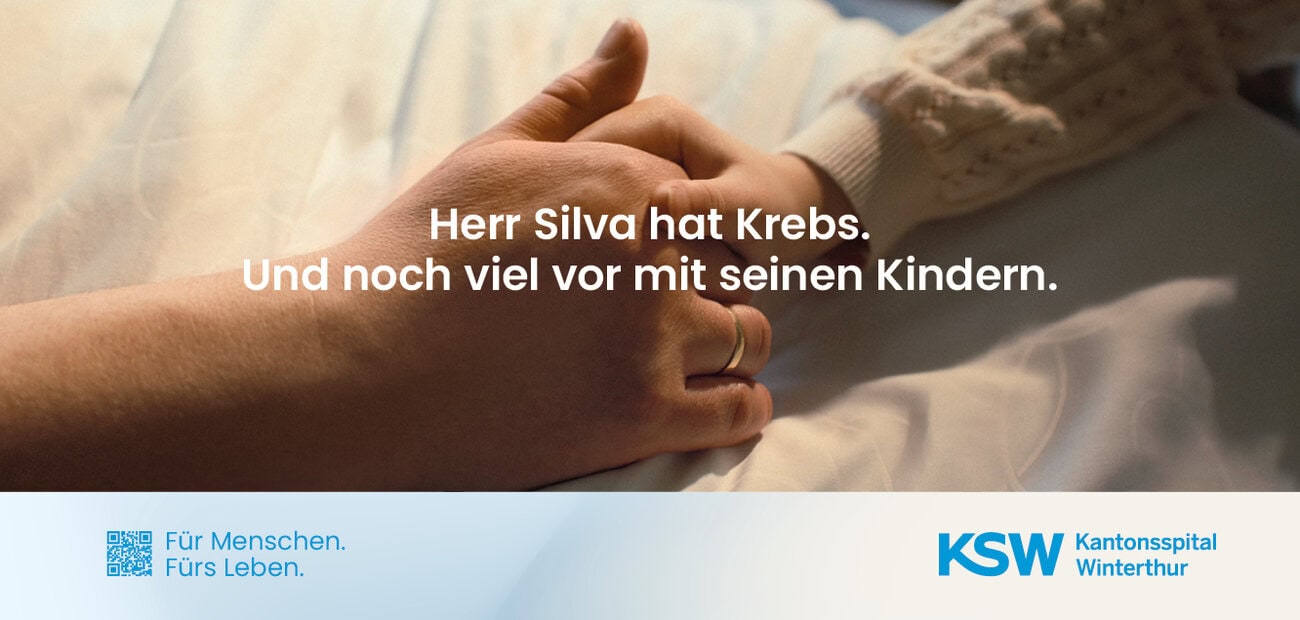
Winterthur Cantonal Hospital (KSW) is celebrating its 150th anniversary and is using this occasion to launch a new KSW image campaign that consistently focuses on people. It was developed by the Zurich agency Freundliche Grüsse. The campaign approach is based on the realization that people expect more from a hospital than just professional, competent treatment: the more complex the world of healthcare becomes, the greater the need to be perceived not just as a patient, but as a human being. KSW responds to this demand with a brand essence that can be summarized in one term: people-centric.
The aim of the campaign is to strengthen KSW's position as the preferred hospital in the Winterthur region. Within its comprehensive range of services, KSW focuses on three medical specialties: Births, tumor treatment and geriatric medicine. These three areas are the focus of the campaign.
Close-ups and personal stories
Visually, the KSW image campaign relies on close-ups that focus directly on people. Emotional headlines combine medical concerns with personal characteristics and individual stories. According to the press release, this makes it clear that behind every diagnosis there is first and foremost a person.
A central component is the image film, which captures small, touching moments of patients and KSW staff: a new father fighting sleep, or a cancer patient who becomes a kite fighter with his child in hospital.
Presence in the greater Winterthur area
The campaign relies on a strong visual presence in the greater Winterthur area. In addition to the classic OOH and DOOH channels, it will be played out on social media, in print media, on regional public transport and on the web.
Responsible at KSW: Marc Bertschinger (Head of Marketing and Communications), Benjamin Hager (Head of Marketing Management), Simone Sievers-Denk (Senior Brand Manager), Kerstin Oehmichen (Head of Digital Marketing), Joseph Sopko (Head of Communications), Melanie Frei (Senior Communications Specialist)
Responsible at Friendly regards: Pascal Deville, Samuel Textor, Fabian Biedermann (overall responsibility), Kevin Zysset (art direction), Eva Brun (consulting), Jacqueline Rufener, Timotheus Ueberall, Florian Siegrist (text), Pascal Duschletta (agency producer); film production: Shining, Hannah Dobbertin (Director), Filip Zumbrunn (DoP), Caroline Braun (Executive Producer), Lukas Kärcher (Senior Producer), DubDub (Sound Studio), Simon Hardegger (Colorist)
]]>

People who work for VBZ not only keep Zurich running, but also experience the city at its best every day. It is precisely this attitude that is at the heart of the new employer branding campaign that VBZ is launching together with Freundliche Grüsse.
Everyone who knows and loves Zurich has their very own places and moments that make this city special: For some it's the view of the lake, for others it's a summer evening on Bullingerplatz. From April 2026, these individual favorite moments and places will become part of a city-wide employer branding campaign. Under the motto «Züri Love», the campaign celebrates not only the many facets of Zurich, but above all the people who keep VBZ and thus the city of Zurich running, as well as their very personal Züri Love moments.
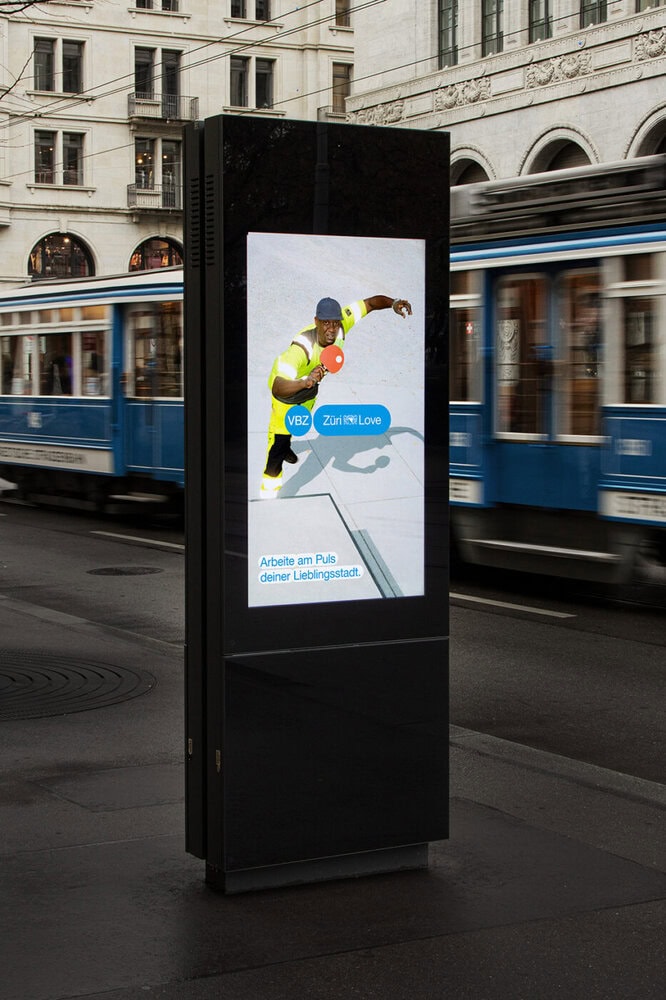
Employees from track workers to marketing specialists show what Zurich means to them and why they love this city. What comes across as a love letter is actually an invitation: If you want to work at the heart of your favorite city, VBZ is the right place for you.
Campaign with logo development
The campaign can be seen in Zurich from April 2026. A poster campaign will be launched featuring the Züri Love moments of various employees, as well as a social media campaign that collects and visualizes the diverse Züri Love of Zurich city residents.
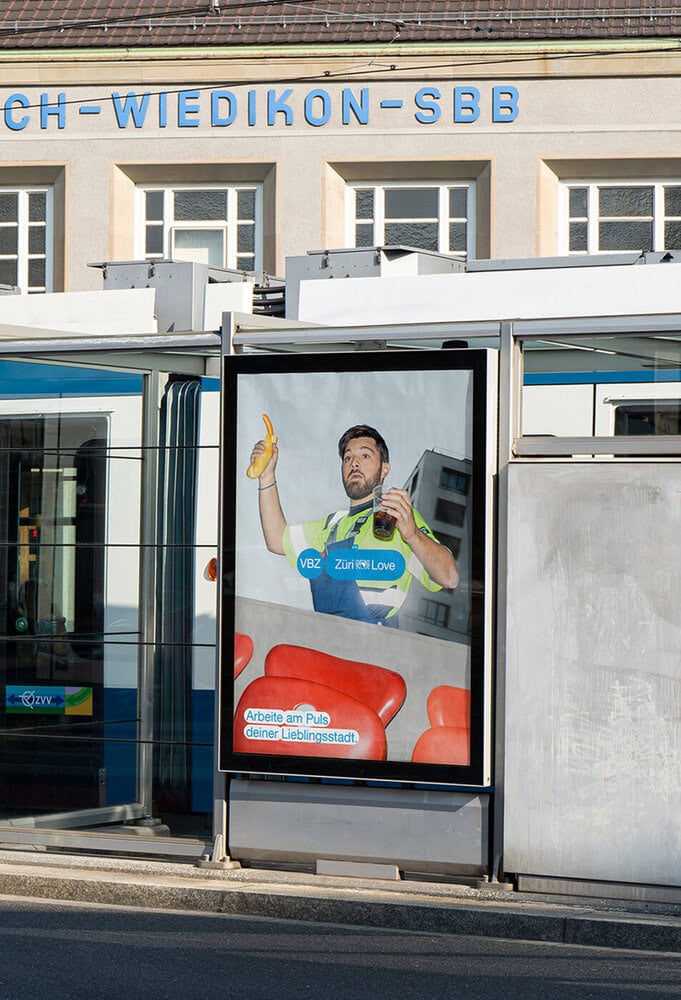
In a second phase, the platform will be expanded, supplemented with a film and shared by Zurich's cultural professionals. Tobias Gees, Head of Recruiting and Employer Branding, adds: «If you love Zurich and want to work in your favorite city, VBZ is the right place for you. With »Züri Love', we want to show how diverse the people are who contribute to keeping Zurich on the move every day."
And as sometimes happens in love, the unthinkable becomes possible here too: the iconic VBZ logo was further developed into a Züri-Love logo for the campaign, which will be present in the cityscape from April. It stands for the close connection between the city, transport companies and the people who move Zurich every day and carry it in their hearts. Anyone who wants to make their love for Zurich visible can also do so with Züri-Love merchandise produced especially for the campaign.
Responsible at VBZ: Tobias Gees (Head of Recruiting and Employer Branding), Lorena Bachmann (Employer Branding & Recruiting Manager); responsible at Friendly greetings: Fabian Biedermann, Samuel Textor, Pascal Deville (overall responsibility), Jacqueline Rufener (text/concept), Laura Leuenberger (art direction), Julia Felder (graphics), Eva Brun (consulting), Tom Huber (photography)
]]>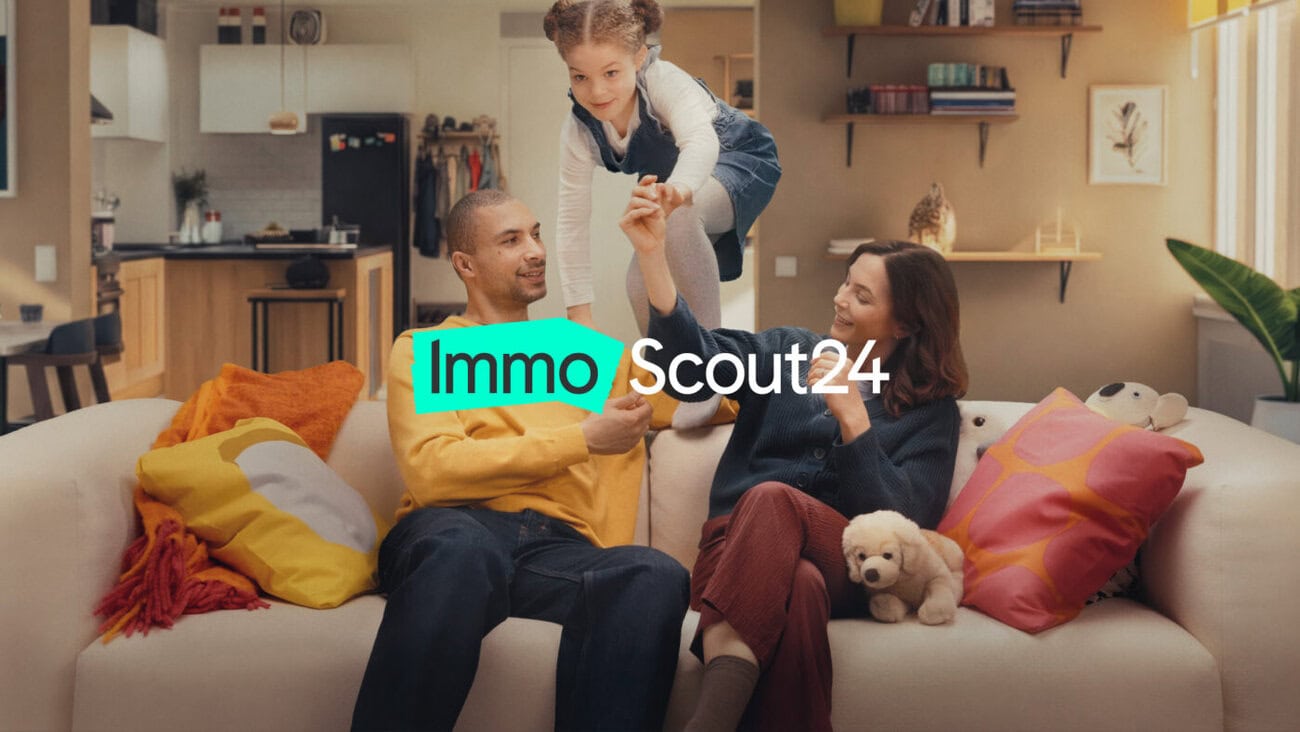
Anyone who has ever moved house knows that a change of residence is much more than just a new floor plan - it often marks the beginning of a completely new phase of life. This is precisely where ImmoScout24's new campaign, which was designed by the Freundliche Grüsse agency, comes in. With emotional headlines and true-to-life subjects, the real estate marketplace underlines its role as the first port of call for all housing needs.
A home for every stage of life
Whether it's the first apartment together, an urban loft or a house for a growing family: ImmoScout24 offers the most diverse range of real estate in Switzerland. To bring this to life in a creative way, the campaign breaks down the comprehensive offering into personal micro-moments and delves deep into the realities of people's lives.
This is particularly evident in the emotional copywriting: instead of talking about abstract target groups, the subjects directly address «nest-builders», «storytellers», «DIY enthusiasts» or «newly in love». This very personal approach makes the central promise tangible: Only those who have the best selection can make every living happiness possible, no matter how special.
AI-supported production with new subjects
In order to visualize this broad offering and reach the various target groups across all language barriers in the best possible way, state-of-the-art methods were used during implementation. The AI-supported production method was conceived as part of ImmoScout24's national campaign in 2025 and is now being continued in an enhanced form for optimal recognition. For this year's campaign, additional target group motifs were seamlessly integrated into the existing production and used directly as new subjects.
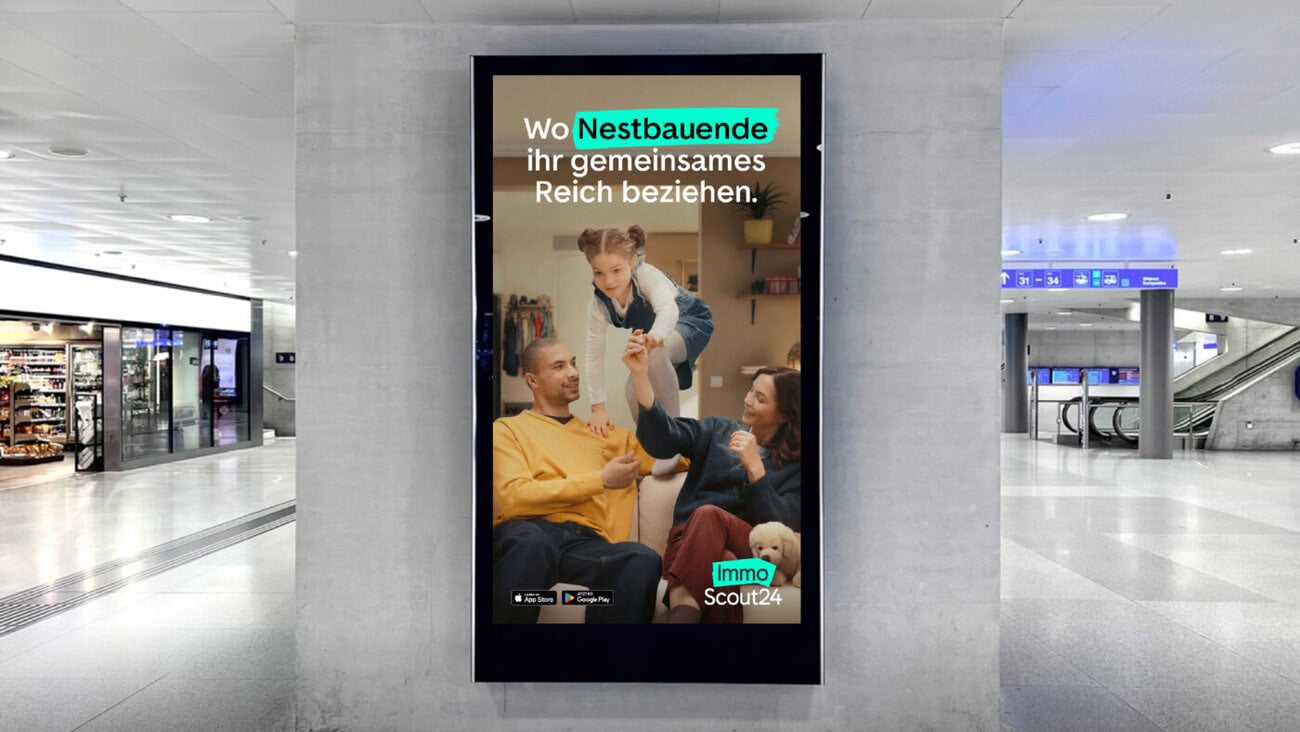
Using a hybrid, AI-supported production method, it was possible to create around 250 individual assets, which were prepared in a modular way so that they could be tailored precisely to the various target groups. The campaign has been rolled out across a broad mix of channels throughout Switzerland since March 2026. In addition to OOH and DOOH spaces, this also includes radio as well as streaming and social media platforms for 2026.
Responsible at ImmoScout24: Christian Apenzeller (Head of Consumer & Private Customer Marketing a.i.), Elias Weltert (Digital Marketing Manager), Anqi Zhou (B2C Marketing), Melanie Müller (Head of Marketing Growth & Services), Francesco Corbino (Senior Marketing Strategist), Roger Tschallener (Head of Marketing Strategy & Branding), Giacomo Iotti (Digital Campaign New Products & AI Lead), Marko Savatovic (Performance Marketing Manager), Milica Sedlarevic (Performance Marketing Manager), Jelena Ristic (Graphic & Multimedia Designer), Stefan Stehlik (Graphic & Motion Designer), Sarah Safri (Group Marketing Director). Responsible at Friendly regards: Fabian Biedermann (overall responsibility), Pascal Deville, Samuel Textor (creative direction), Sandro Matter (consulting), David Elmiger (text/concept), Kevin Zysset (art direction), Julia Felder (graphics/editing), Pascal Pfohl (editing). Boom Creative Studio (film production): Paula Liszko, Annina Zimmermann (Production), Nicolas Burri (Director/DoP), Joel Habermacher (Editing/Compositing), Simon Hardegger (Grading).
]]>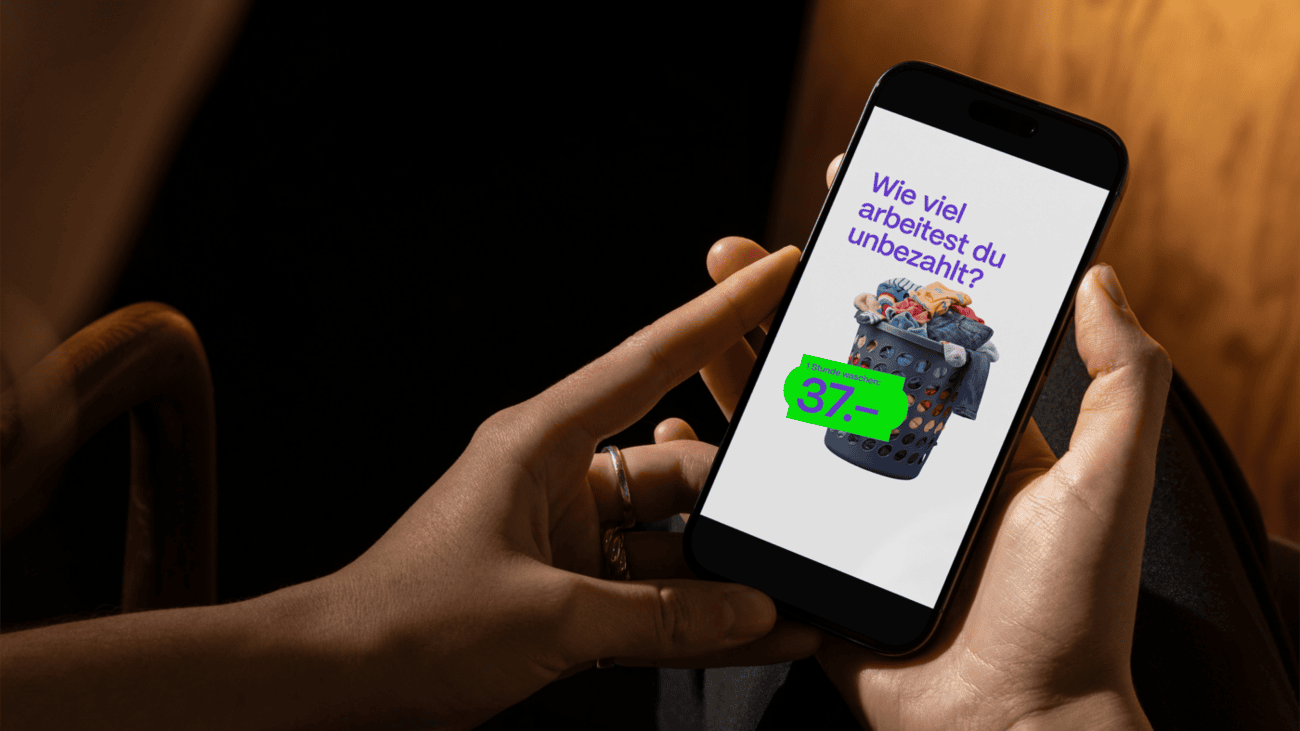
Whether it's childcare, caring for relatives or traditional housework - unpaid care work is often taken for granted. Under the motto "How much do you work unpaid?", Freundliche Grüsse is now putting these services in the spotlight. The agency is responsible for the entire visualization and was also closely involved in developing the content of the accompanying online tool.
Putting care work into figures
Many things in our lives can be measured, but care work has hardly been measurable so far. This is where the Care tracker on. The tool was designed and technically implemented by Milk Interactive, while Freundliche Grüsse took the creative lead to ensure seamless integration into the design.
Users can record their daily tasks on the platform. The tool calculates the time invested and assigns it a concrete monetary value. The comparison function for partners also makes the often abstract topic of "mental load" tangible and provides an objective basis for a dialog about workload distribution in the private sphere.
Activities as products
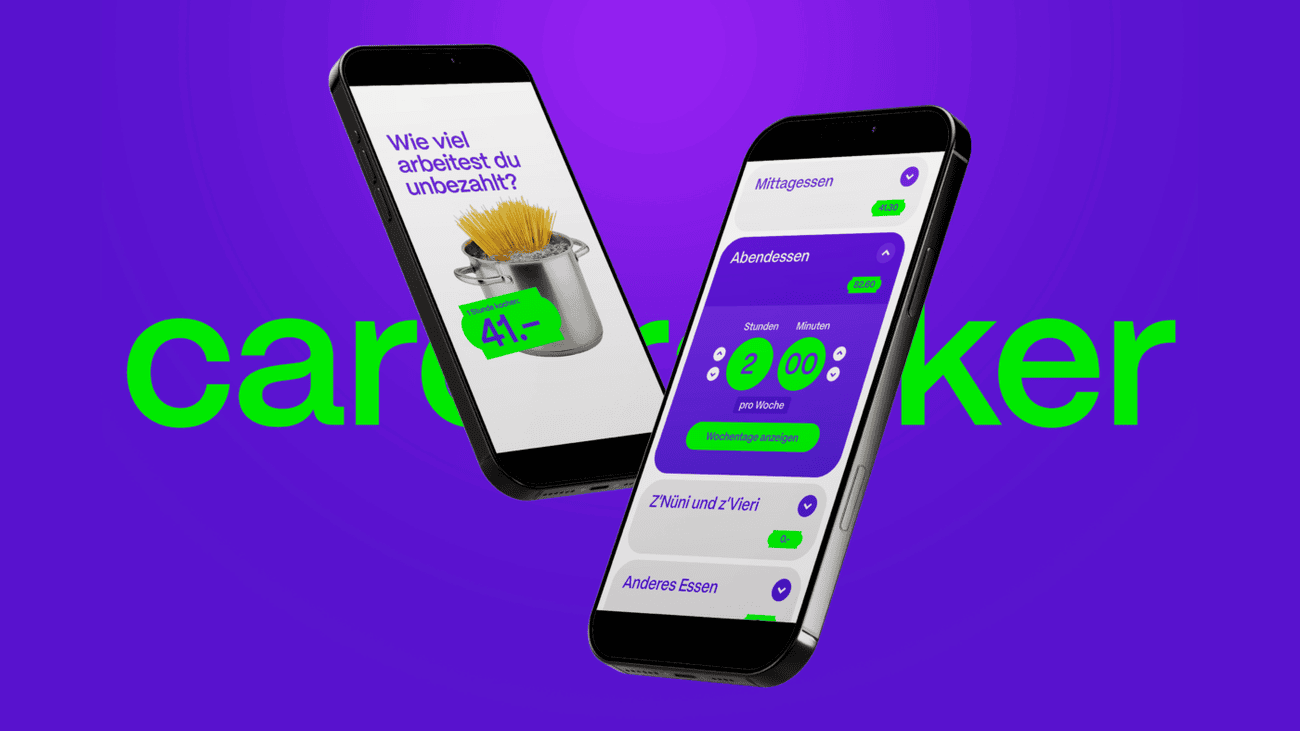
In order to visually emphasize the value of these tasks, the communication pursues a special design approach. Everyday care activities are staged as products that can be purchased and given a price tag. However, the price reflects the work that is done for it. The design thus picks up on the aesthetics of the consumer world. By deliberately objectifying care work, the supposed self-evident nature of these tasks is communicated once again. Care work thus becomes a striking commodity with a clear price tag.
After just under a week, 1,500 users have already used the care tracker, thereby advancing the discourse on mental load.
Responsible at Canton Basel-Stadt: Saskia Jaeggi (Project Manager Equality Office Canton Basel-Stadt), Responsible at Friendly regards: Pascal Deville, Samuel Textor, Fabian Biedermann (overall responsibility), Laura Leuenberger (art direction), Andrea Aegerter (consulting), Pascal Pfohl (motion design), Timotheus Überall, Jacqueline Rufener (text/concept), Sandro Matter (media), Daniela Benedix (motion design), Milk Interactive (web app development).
]]>
Just in time for its 24th birthday on March 17, 2026, the "NZZ am Sonntag" is launching a new image campaign. It was developed in cooperation between the NZZ Brand & Creation team and the Zurich agency Freundliche Grüsse, which is responsible for the creative concept.
The moment of conscious reading
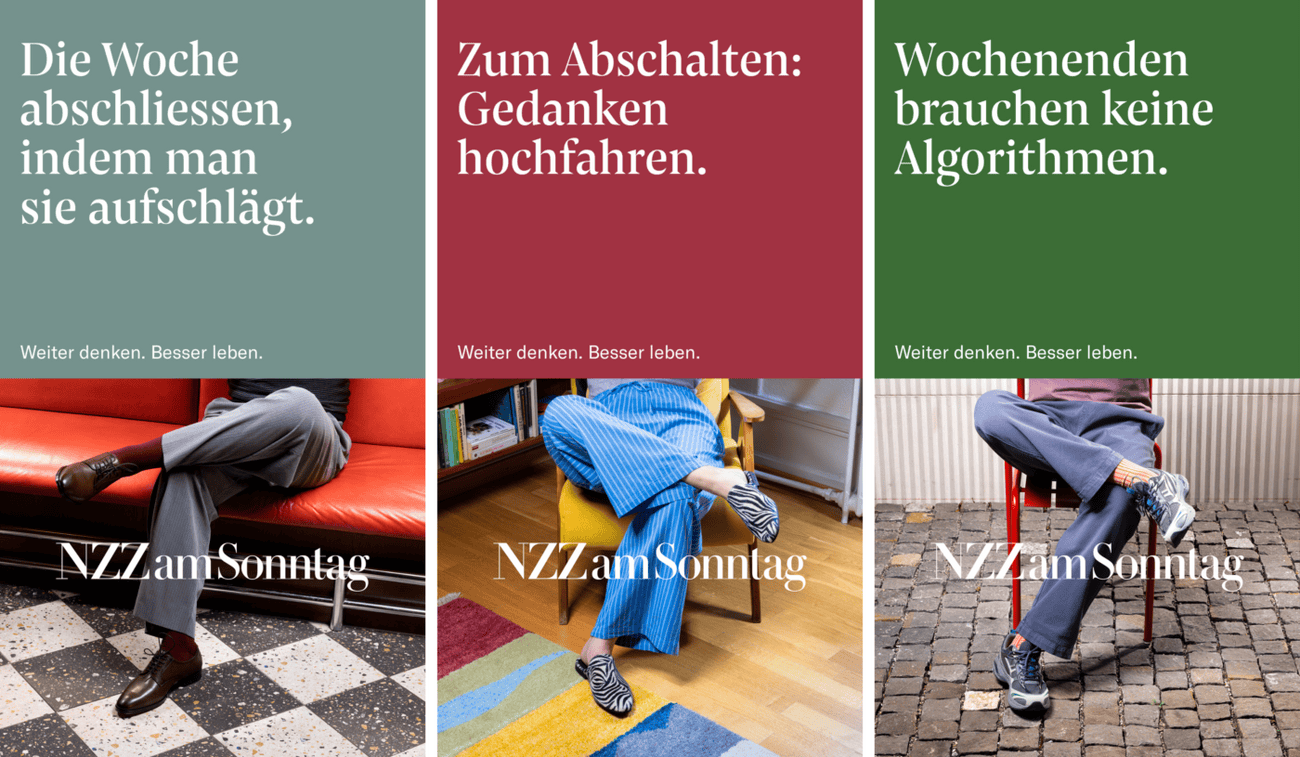
At the heart of the campaign is a moment that many readers are familiar with: When you cross your legs, consciously block out the noise of the present and fully immerse yourself in reading. In an age of constant streams of information, the need for orientation and classification is growing. Between push notifications, social media feeds and AI-generated headlines, attention is becoming increasingly fragmented.
The "NZZ am Sonntag" deliberately counters this with journalistic depth and stories that people consciously take time for at the weekend - to read, reflect and discover new perspectives. With this campaign, the newspaper is picking up on precisely this moment of deceleration. Its visual trademark is crossed legs - a posture that stands for the moment when you pause, take your time, read and think.
Focus on understanding instead of just knowledge
"Our readers don't just want to know what happened, they also want to understand why," says Beat Balzli, Editor-in-Chief of "NZZ am Sonntag". "The 'NZZ am Sonntag' deliberately focuses on the rhythm of the weekend - on stories that invite readers to linger and reflect."
The creative idea for the campaign came from the Zurich agency Freundliche Grüsse, which has been working with the in-house Creation & Brand team over the past few months. "When you cross your legs, the real rest begins. The noises fade, the head clears and reading becomes the main thing. We occupy this moment and make it the core of the campaign and the visual trademark of 'NZZ am Sonntag'," says Samuel Textor, co-founder of Freundliche Grüsse.
Strategic repositioning
The campaign ties in with the strategic repositioning of "NZZ am Sonntag". With the claim launched in summer 2025 "Think further. Besser leben." (Think further. Live better.), the editorial team underlines its journalistic promise: to provide orientation, show connections and turn the weekend into a moment of further thought and inspiration.
The campaign starts on March 17, 2026 and will be played out via digital out-of-home screens, special placements and various social media channels.
]]> In a world where new things are constantly appearing, things are replaced faster than they are appreciated. At Ricardo, however, the opposite happens: Here, good things get a second chance. And people get the good feeling of having done something right.
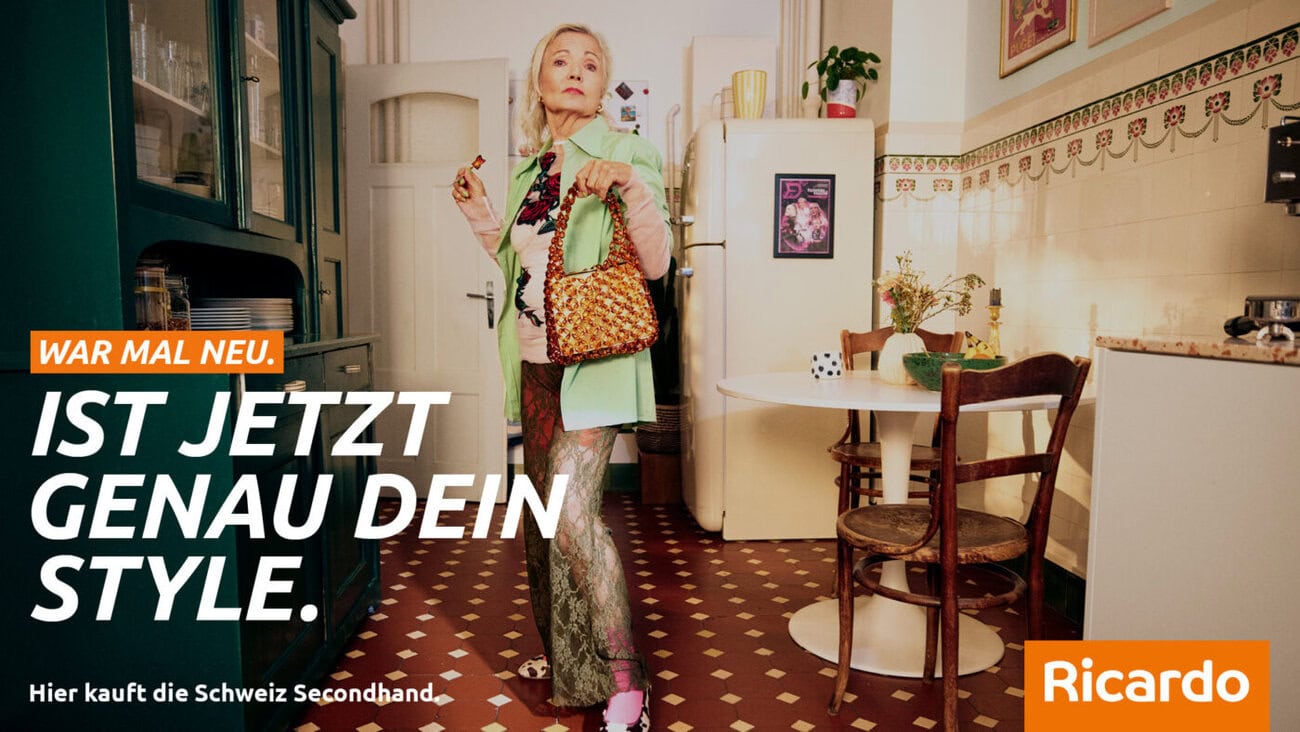
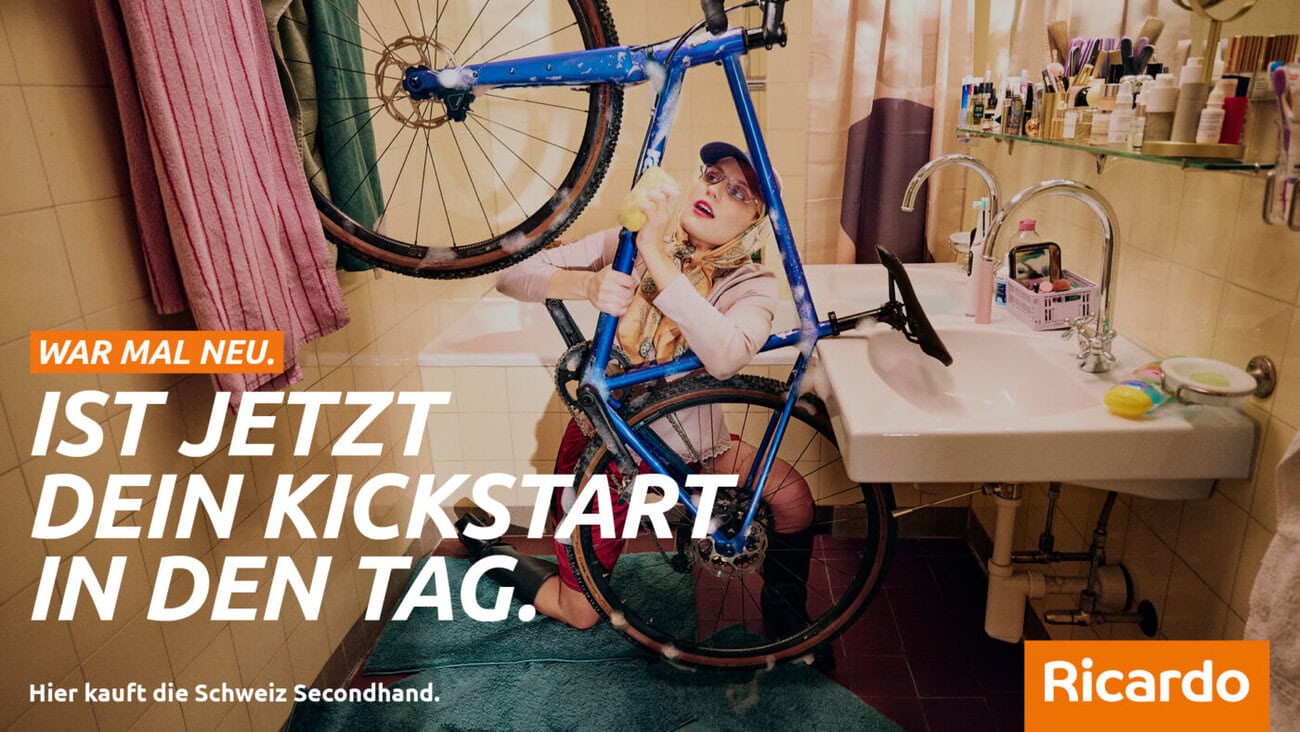
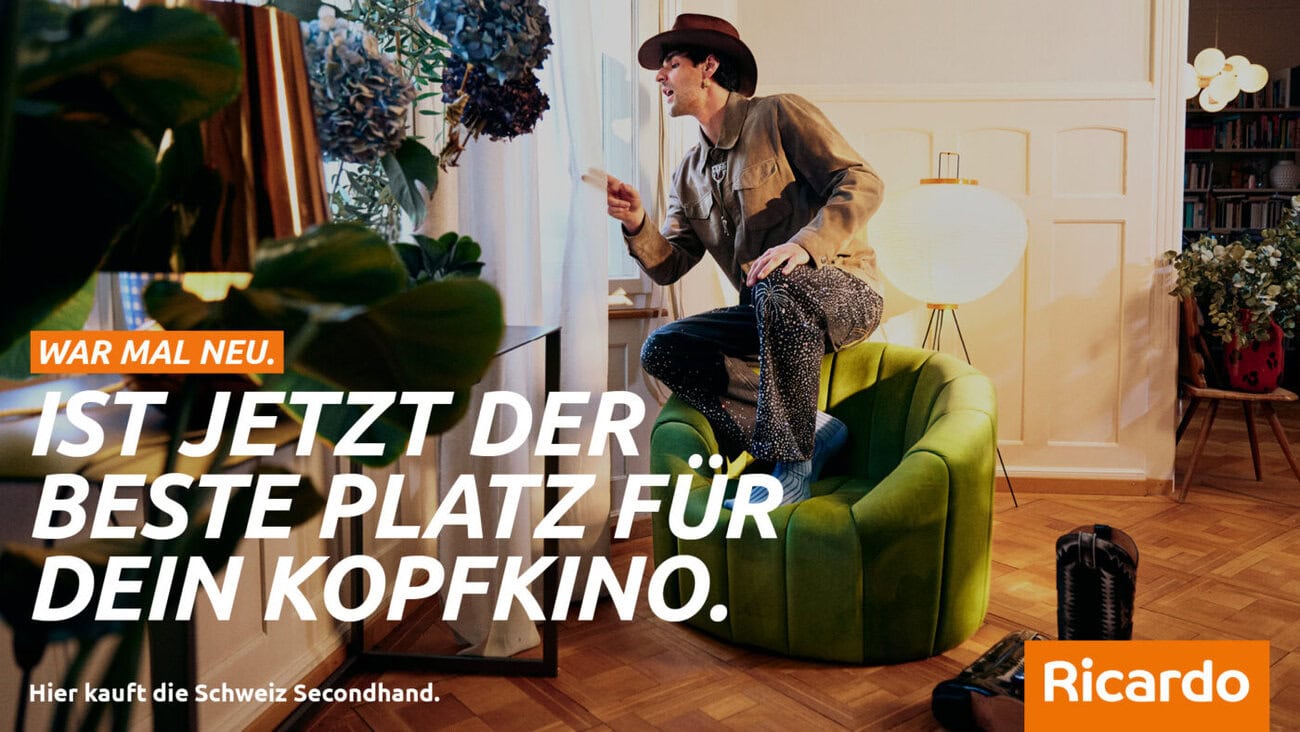
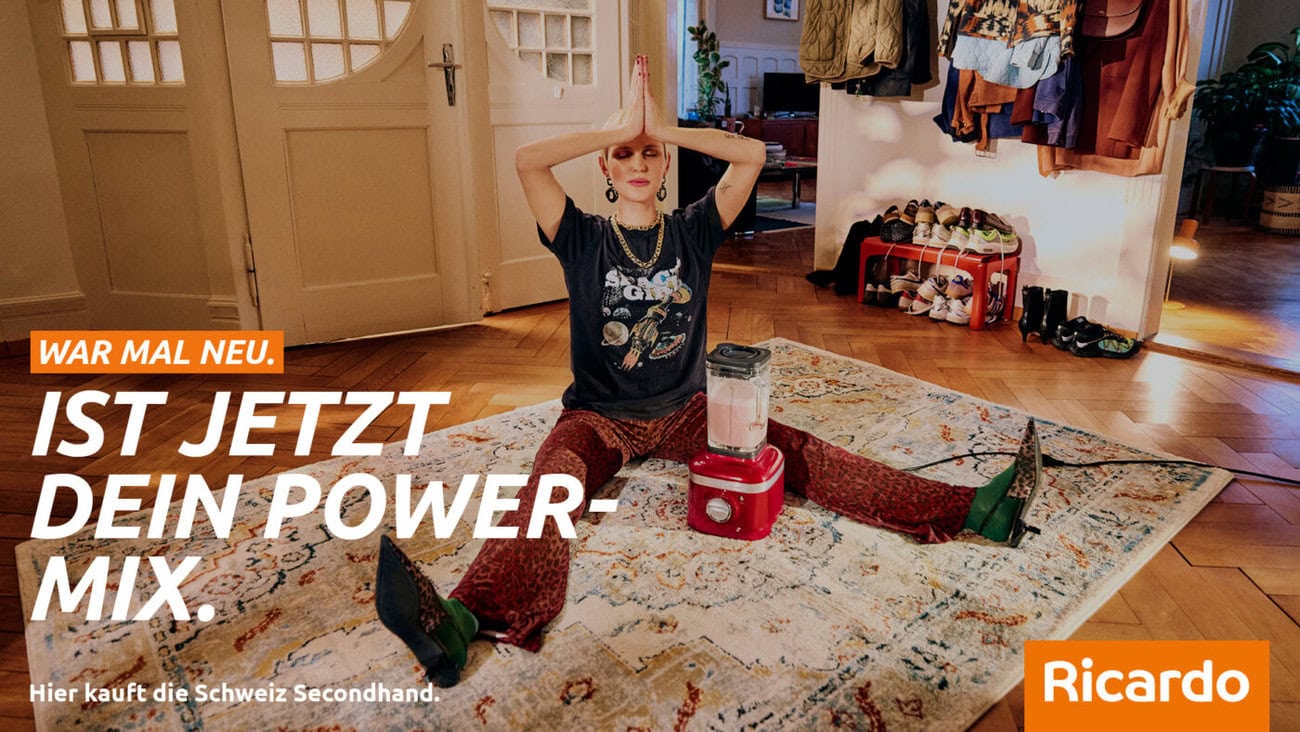
Under the motto "Everyday Weirdness", the campaign shows slightly over-the-top, quirky everyday Swiss situations. Whether it's a stand mixer that gets your morning off to a smooth start or an armchair that becomes the place for the best ideas - inconspicuous found objects are placed center stage and become real everyday heroes for their new owners. The implementation remains deliberately down-to-earth.
Visually, the campaign relies on a dynamic visual language: short, pointed moving image sequences lead the viewer directly from an ordinary situation to the second-hand object by means of a zoom-in. This makes it clear that the products are not just everyday objects, but become part of a new, individual story. The main headline is "Used to be new. Is great now." is used. The theme-specific headlines have the same style: "Used to be new. Is now exactly your style.", "Was once new. Is now the best place for your head cinema." or "Was once new. Is now your kick-start to the day." are examples. The headlines get to the heart of the circular economy. A diverse cast acts in realistic living situations.
"With this campaign, we are emphasizing the emotional and sustainable value of second-hand objects, which are opening a new chapter at Ricardo. We are focusing on the relevance of the circular economy in a modern and human way, without pointing a finger," comments Priska Cavelti, Director Marketing at Ricardo.
"We don't just present the products as second-hand goods, but as desirable unique items with character. By combining modern aesthetics with a pinch of humor, we make the joy of discovery that defines Ricardo a visual and emotional experience," says Pascal Deville, CD at Freundliche Grüsse.
The campaign is being rolled out across Switzerland with immediate effect using (D)OOH subjects and online measures.
Credits:
Responsible at Ricardo: Priska Cavelti (Director Marketing), Cathrine Günther (Senior Digital Marketing Manager), Vivienne Merz (Brand Marketing Manager), Servanne Bedel (Junior Brand Marketing Manager). Responsible at Kind regards: Pascal Deville, Samuel Textor, Fabian Biedermann (overall responsibility), Laura Leuenberger (art direction), Philipp Gloyer, Timo Ueberall (copywriting), Damian del Fabbro (consulting), Pascal Duschletta (agency producer), Lily Marr (set design). Direction and photography: Patrik Lindén. Production: Rockenfeller & Göbels. Postproduction: Remotepost.

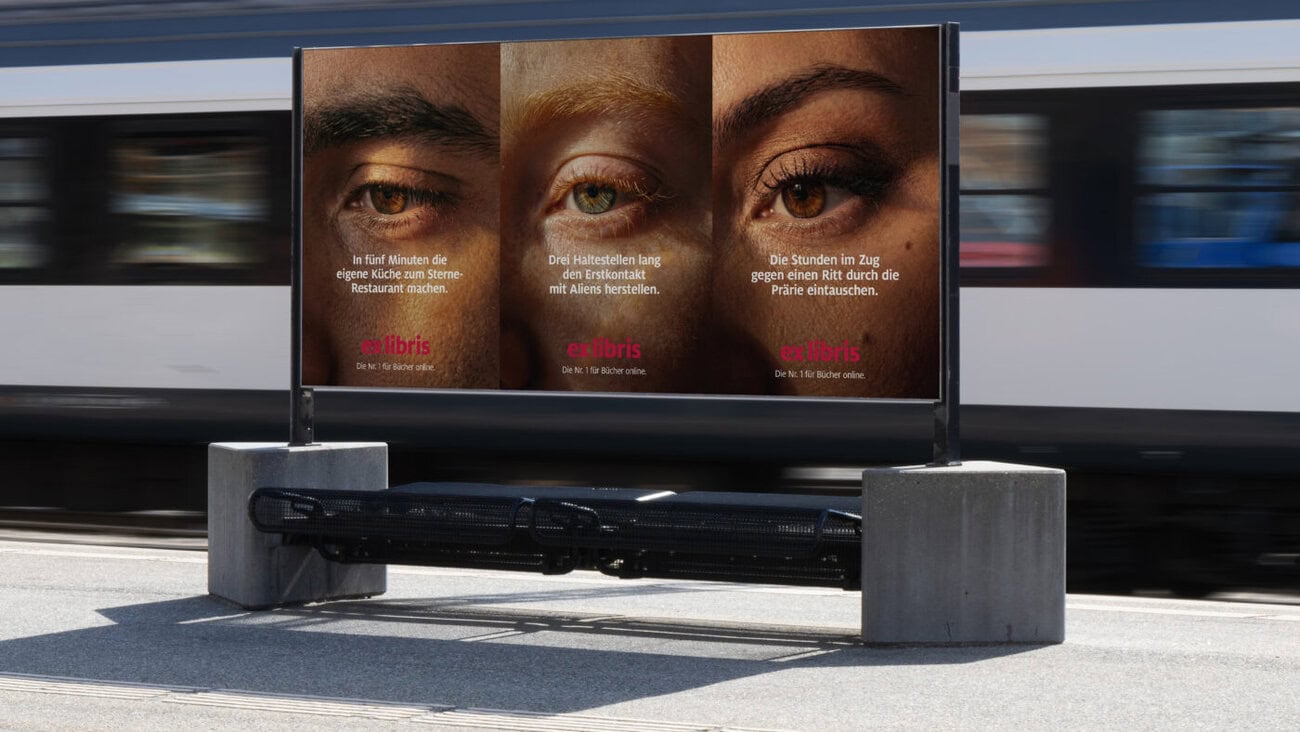
The older we get, the faster our lifespan seems to pass. At the same time, there is a growing desire to use time more wisely. Ex Libris is addressing this need and harking back to the company's origins, when the focus was on democratizing reading. From February 2026, this attitude will be translated into a new campaign across all target groups.
Under the motto "Life time is reading time", the new campaign encourages people to turn supposedly lost time in everyday life into valuable moments of reading. Whether on the train or during a lunch break - the focus is always on the readers themselves.
Emotional imagery and individual stories
The campaign relies on emotional imagery and headlines that tell small, individual stories about the magic of reading. The campaign thus emphasizes that Ex Libris is the place where everyone can find the right book. After all, Ex Libris is the number one online bookseller with 8 million books.
The campaign can be seen online and offline in the German-speaking part of Switzerland from February 2026. In addition to DOOH, the campaign will focus on social media. The Zurich agency Freundliche Grüsse is responsible for the conception and implementation of the spring campaign, successfully sealing its first collaboration with Ex Libris.
Responsible at Ex Libris: Ester Grau-Garcia (overall responsibility), Rahel Stier (Marketing Manager), Rafael Schenker (Chief Commercial Officer). Responsible at Friendly regards: Pascal Deville, Samuel Textor, Fabian Biedermann (overall responsibility), Laura Leuenberger (art direction), Sandro Matter (consulting), Timotheus Ueberall (text), Julia Felder (graphics), Pascal Pfohl (photo/motion design).
]]>