Michelle McKelvey has a few questions for her first visit to Zurich. Which Christmas market is worth checking out? What should she bring back as a souvenir? And where can she find the best fondue? She asks ChatGPT. In an interview with m&k, OpenAI’s head of European operations says she plans to follow the recommendation that evening. The fondue is served in a small town about half an hour outside the city center. The assistant provided her with a map. For OpenAI, this very moment is also of business interest.
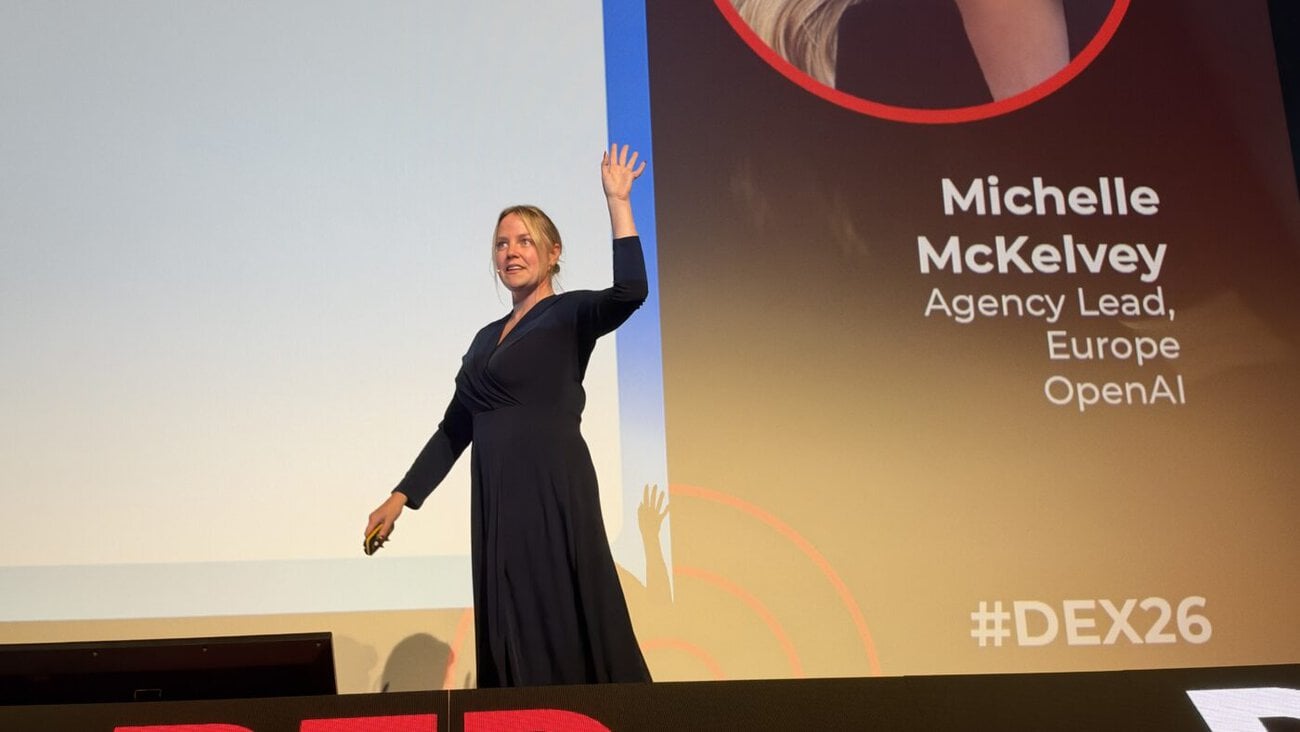
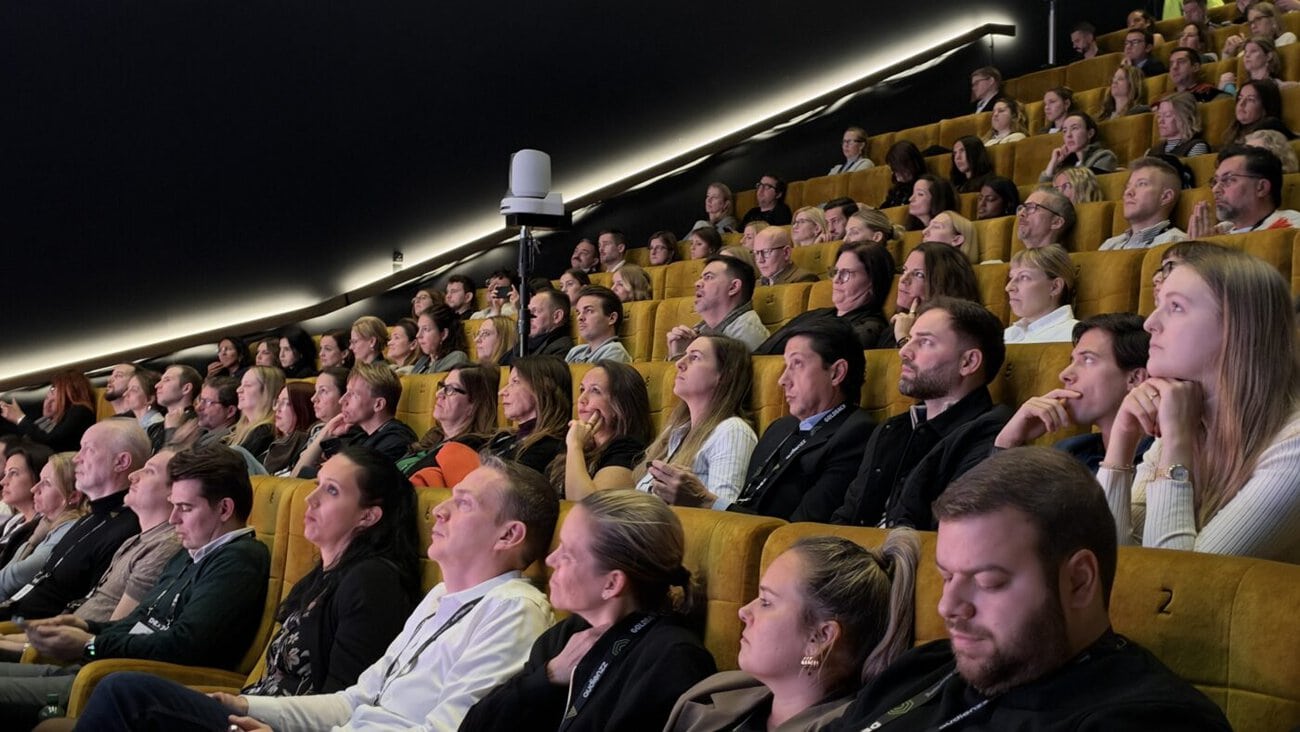
On November 18, 2026, many people at KINOKONI on Zurich’s Europaallee will be eager to find out how it all turns out. 1,026 visitors reports IAB Switzerland. For the first time, attendance has exceeded 1,000, and DEX is sold out for the third year in a row. Over 60 sessions and around 90 speakers are spread out over a single day. The Red Stage hosts the major keynotes and panels, while the Blue Stage delves deeper into AI, data, and digital transformation. On the Green Stage, brands and agencies present their case studies, while the Yellow Stage offers space for new formats and technology. In between, vendors man their booths, partners showcase products, and in the foyer, people continue chatting while the next presentation has long since begun in the halls.

Leading Swiss Agencies lists DEX as the leading Swiss gathering place for digital marketing, ad tech, and data-driven media strategies. IGEM is also on its calendar. At the former Kosmos venue, it becomes clear what that means in practice. A U.S. platform presents its advertising business, a Swiss editorial team explains its fact-checking process, and a retailer discusses how he brings advertising into his stores. As you move from one room to the next, you see just how quickly a global trend can become a very local decision.
The "advertising franc" must explain itself
Daniel Knapp, Chief Economist at IAB Europe, kicks off the conference program with a positive figure and an uncomfortable question. He estimates that global advertising revenue will grow by 10.5 percent. In EMEA, the figure is 9.5 percent. Growth is slowing as the year progresses. The World Cup shifted some spending to the second quarter. At the same time, according to Knapp, advertisers are taking a closer look at what they’re getting for their budgets.
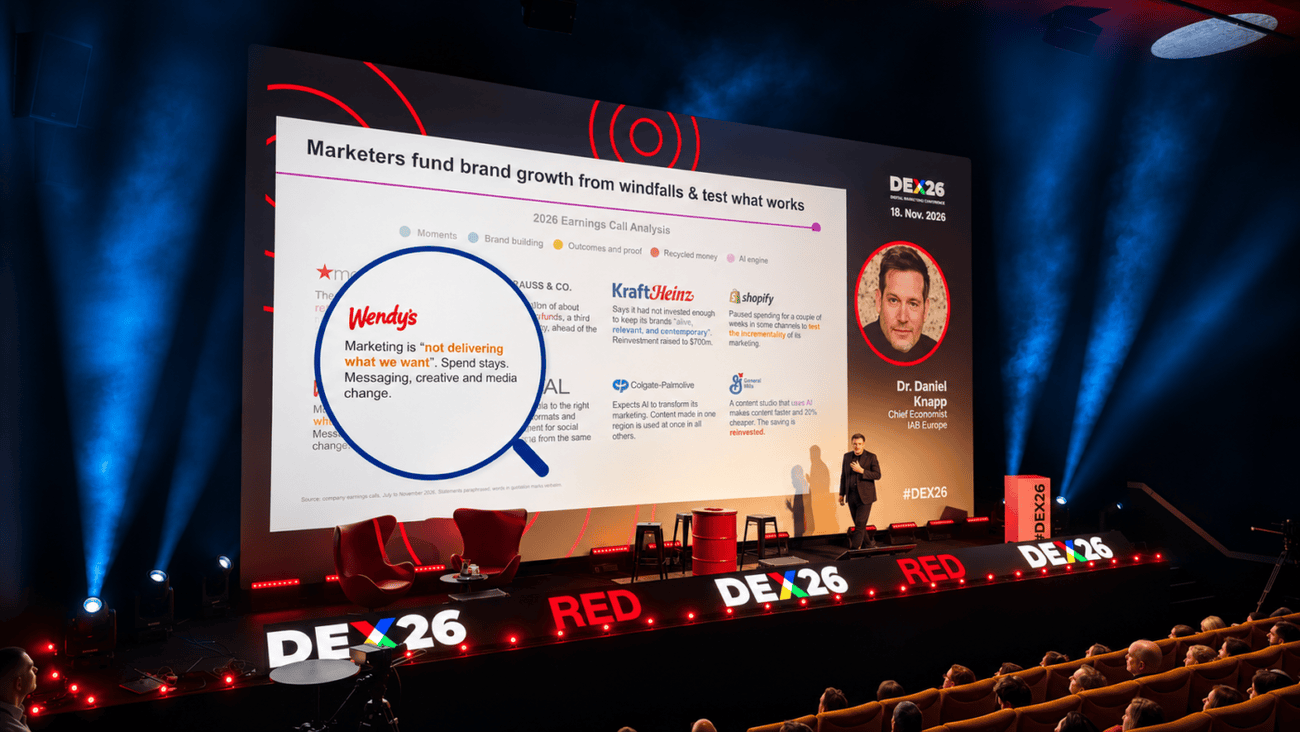
His analysis of ... shows exactly how 227 statements from earnings calls by 161 companies. In 62 percent of the statements, the focus is solely on the amount spent. Only four percent mention a method for measuring impact. Three percent quantify a return. Then, on the movie screen, Knapp moves a large magnifying glass over the logo of Wendy's. He quotes from the earnings call, saying that marketing is «not delivering what we want.» The budget remains unchanged. The messaging, creative, and media are to be revised. Shopify takes a different approach in his example. The company is pausing spending in individual channels to determine what additional impact they had.
So a question hangs in the air for the rest of the day. If a new advertising channel receives funding from the existing budget, what additional results must it deliver?
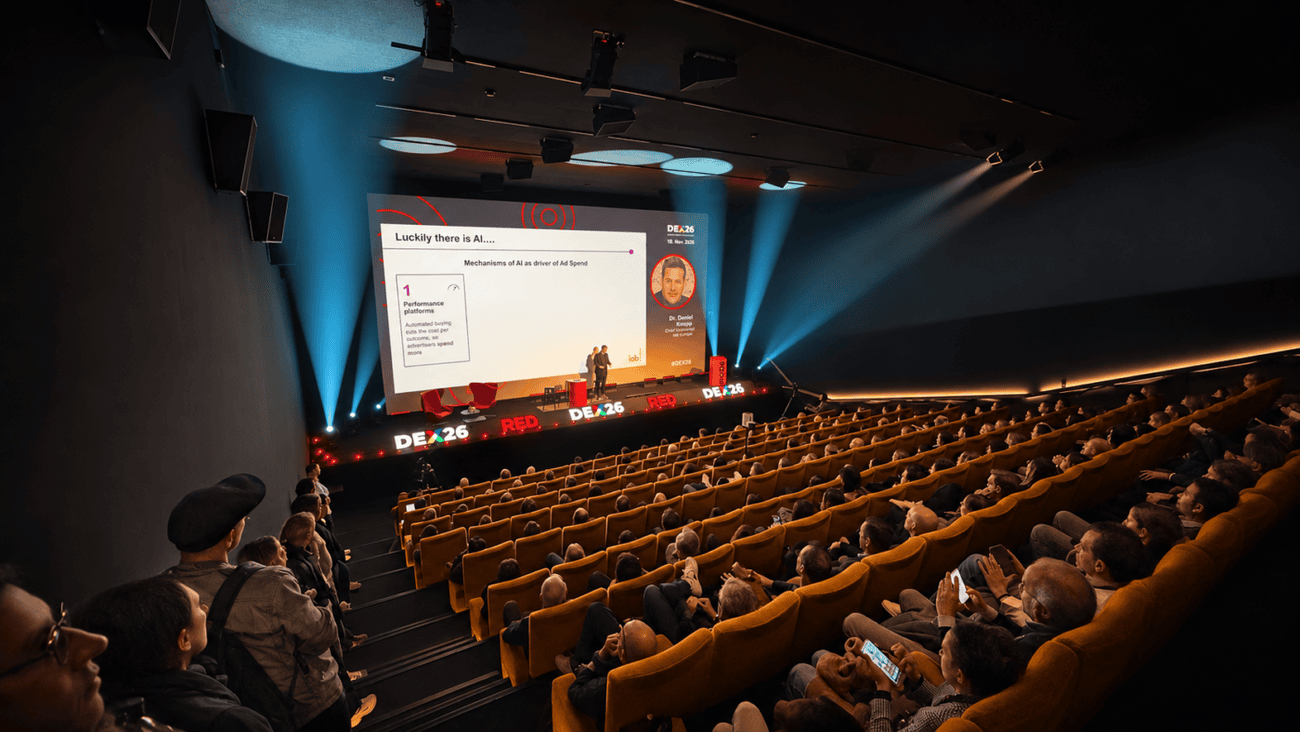
OpenAI provides the entire decision-making process
Meta and TikTok are not represented at DEX26. The curiosity that such platforms used to attract is now focused on OpenAI this Wednesday. McKelvey knows how the agency business works. She spent two years at Google and nine at Meta, most recently as Agency Lead EMEA in the Global Business Group. At the time of her appearance in Zurich, she had been with OpenAI for three months. On stage, she explains that the advertising team started with nine people. She now speaks of 89 markets and 100,000 advertisers. For ChatGPT as a whole, she cites 1.2 billion weekly active users. These are the figures she uses to describe the situation in Zurich from the company's perspective.
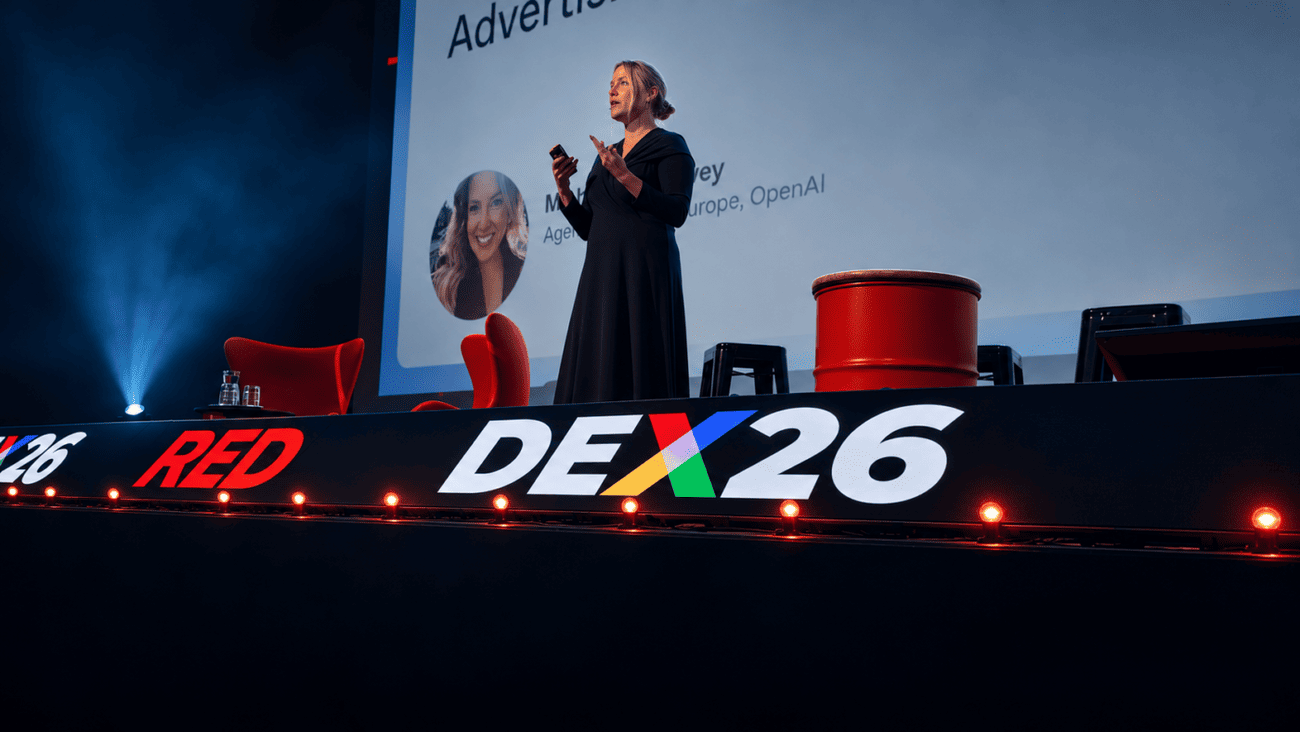
On the screen, McKelvey demonstrates what OpenAI is interested in when it comes to a query like the one about fondue: three hours until departure from Zurich Central Station; a Christmas market; a restaurant within walking distance; a vegetarian option; and a budget of 40 francs per person. Through a dialogue, users can explore ideas, compare restaurants, and ultimately view the menu, prices, and booking link. «The funnel has collapsed», says McKelvey. When she made the switch, she had primarily expected to work with a product focused on conversions. Now, she also sees campaigns aimed at brand building and consideration.
In an interview with m&k, she offers specific advice to Swiss brands. Anyone who provides ChatGPT with information about their company should also explain, what the brand stands for and how it communicates with customers. For them, background and characteristics are part of the briefing. A Business Profile can consolidate information such as the website and hours of operation. A Business Agent is intended to answer follow-up questions and can be applied for separately. The next feature she describes is ads where users can ask questions about the product. Moderator Frank Puscher has a term for it in the panel. «Landing Agents.» In response to his question about trust, McKelvey notes that OpenAI keeps the advertising system and organic responses separate.
Caspari wants to know what the experiment will achieve
Markus Caspari, Managing Partner, Digital Innovation & Transformation at Dentsu Germany, gave the business a name in his own keynote address. «AI Media». In an interview with m&k, he explains why he sees this as a media channel in its own right. The request conveys an intent, just like with search. The ad’s appearance can be reminiscent of social media. The way it blends into its surroundings and responds to the context reminds him of native advertising. For Caspari, this combination changes the planning process. Brands must clarify in advance whether they want to be discovered, make the shortlist, or close a deal.
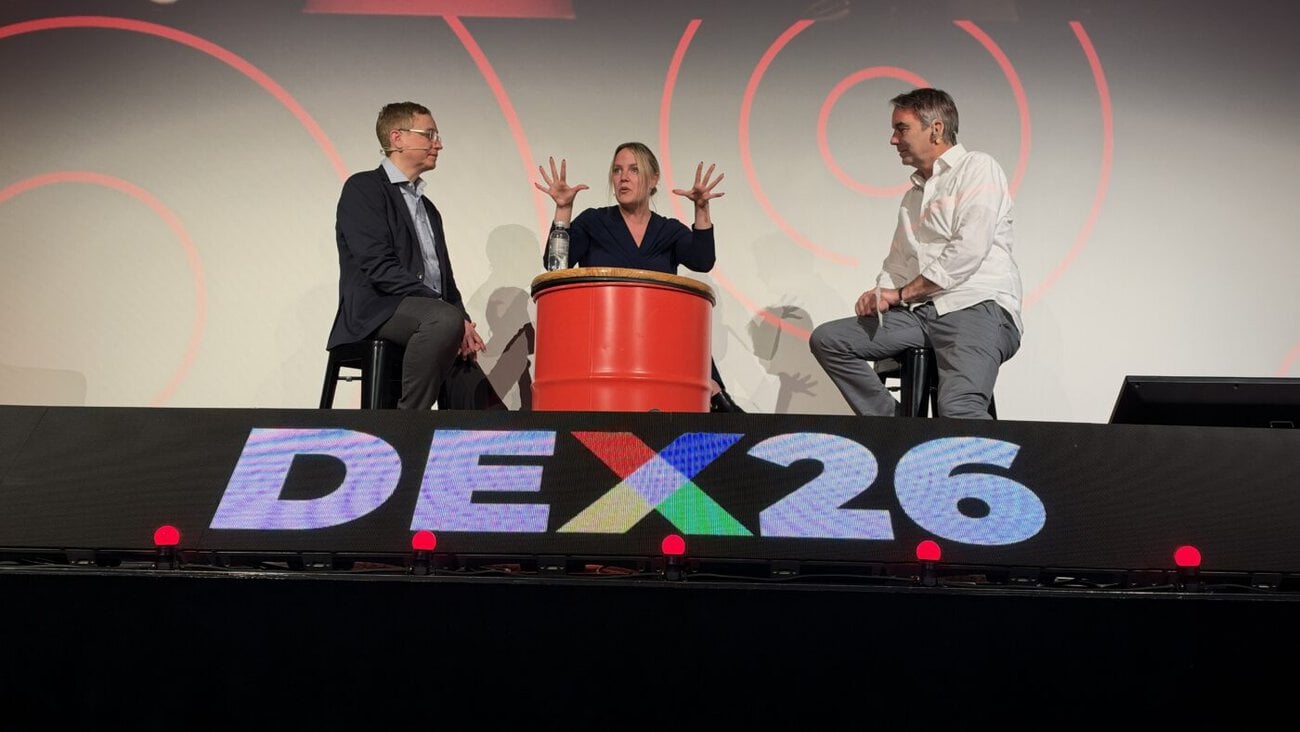
He says the initial results have been positive. Most clients are working with test budgets, while a few are already investing more money. During the panel discussion, he explains where the funding comes from: primarily from regular marketing and media budgets, and in some cases from additional funds. So far, he hasn’t observed a clear shift away from search or social media. Clients who have a clear view of the entire decision-making process are more willing to move forward with the tests. Those expecting a direct replacement for their existing performance campaign need to have a discussion about their goals first.
Caspari recommends evaluating the impact beyond the platform dashboard, for example, by Marketing Mix Modeling. For its part, OpenAI is showcasing a pixel, a conversion API, and measurement partners. Initial geographic tests are intended to help estimate how many additional sales a campaign generates. This is where the interests of the platform and the agency converge. One wants to demonstrate that advertising is effective in the context of dialogue. The other must assess the contribution it makes in conjunction with other measures.
In the Blue Hall, Google is looking for a sneaker
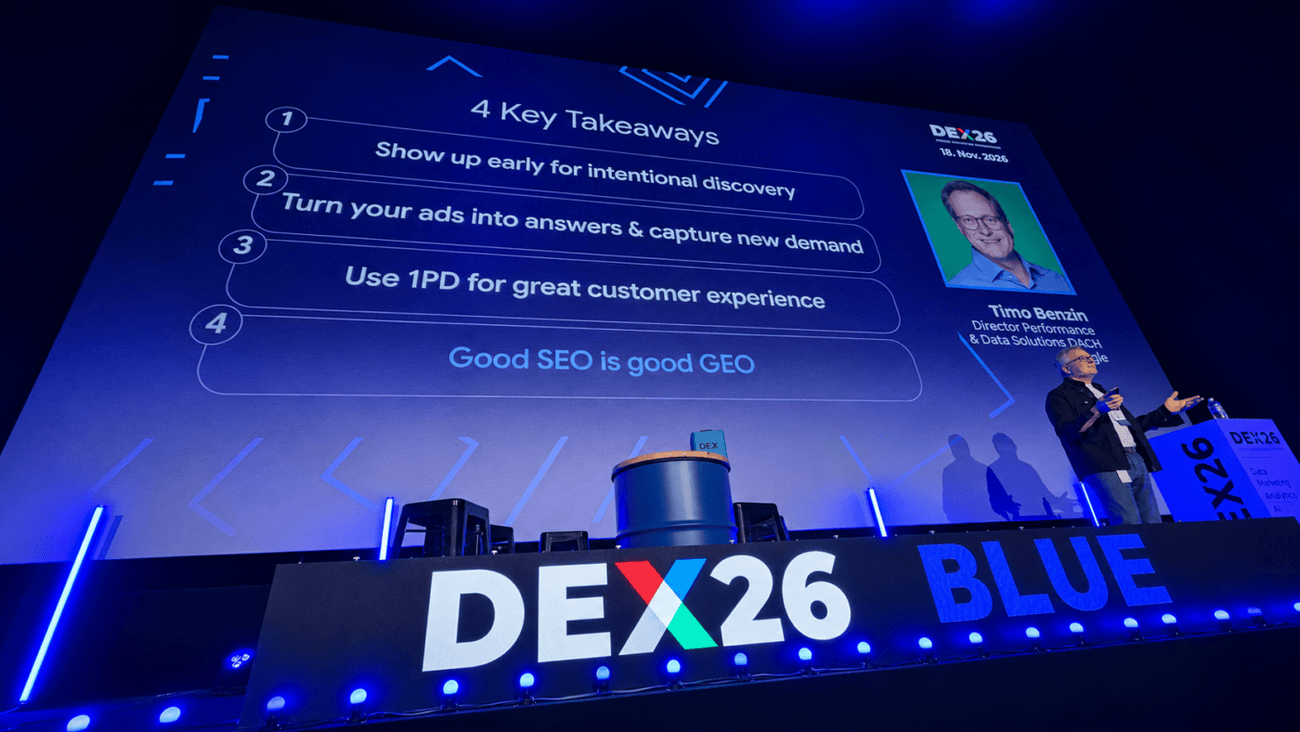
On the Blue Stage Provides Timo Benzin, Google's Director of Performance & Data Solutions for Germany, Austria, and Switzerland (DACH), has another question. A man in his 50s is looking for white sneakers. Which pair would suit him? He doesn't have a specific model in mind yet. In an interview with m&k, Benzin describes the change as follows: «Search is evolving from an information provider into a true conversation partner for customers.» Search queries are becoming longer and more open-ended. People speak into their cell phones or show a picture. This creates an opportunity for brands to appear even during the initial search phase.
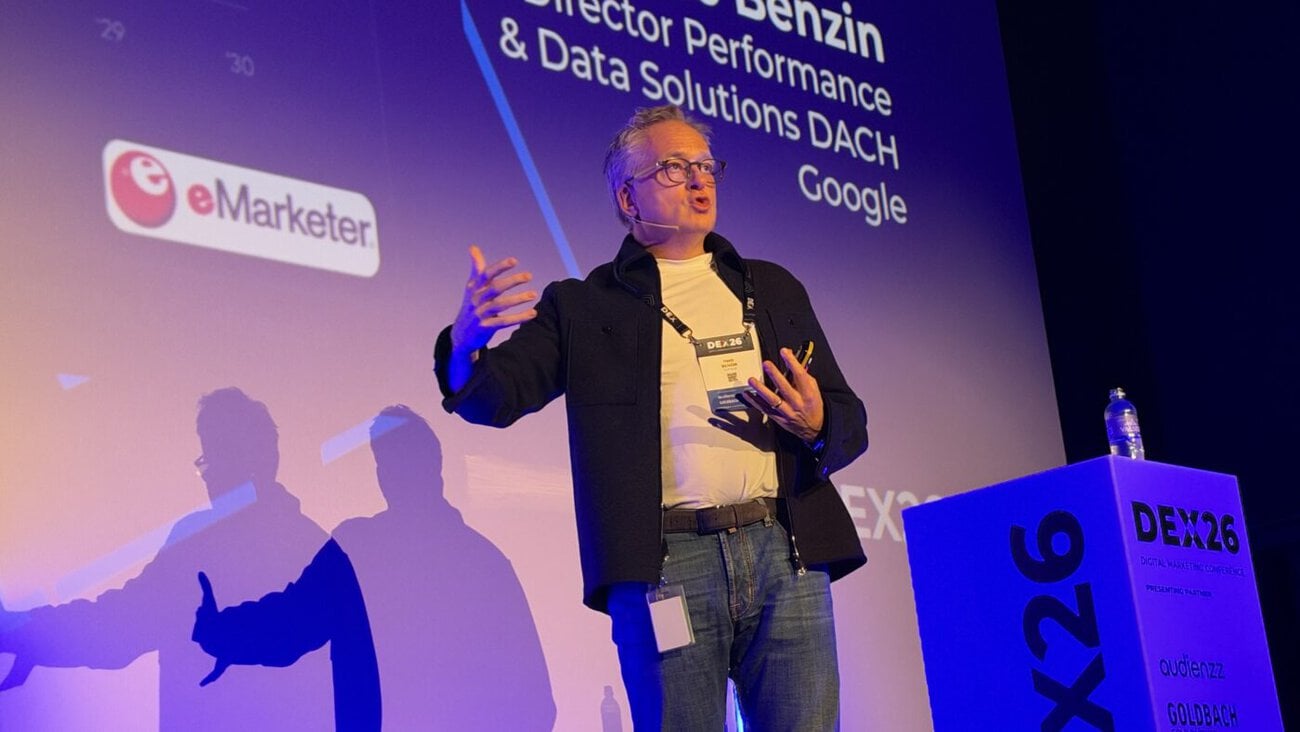
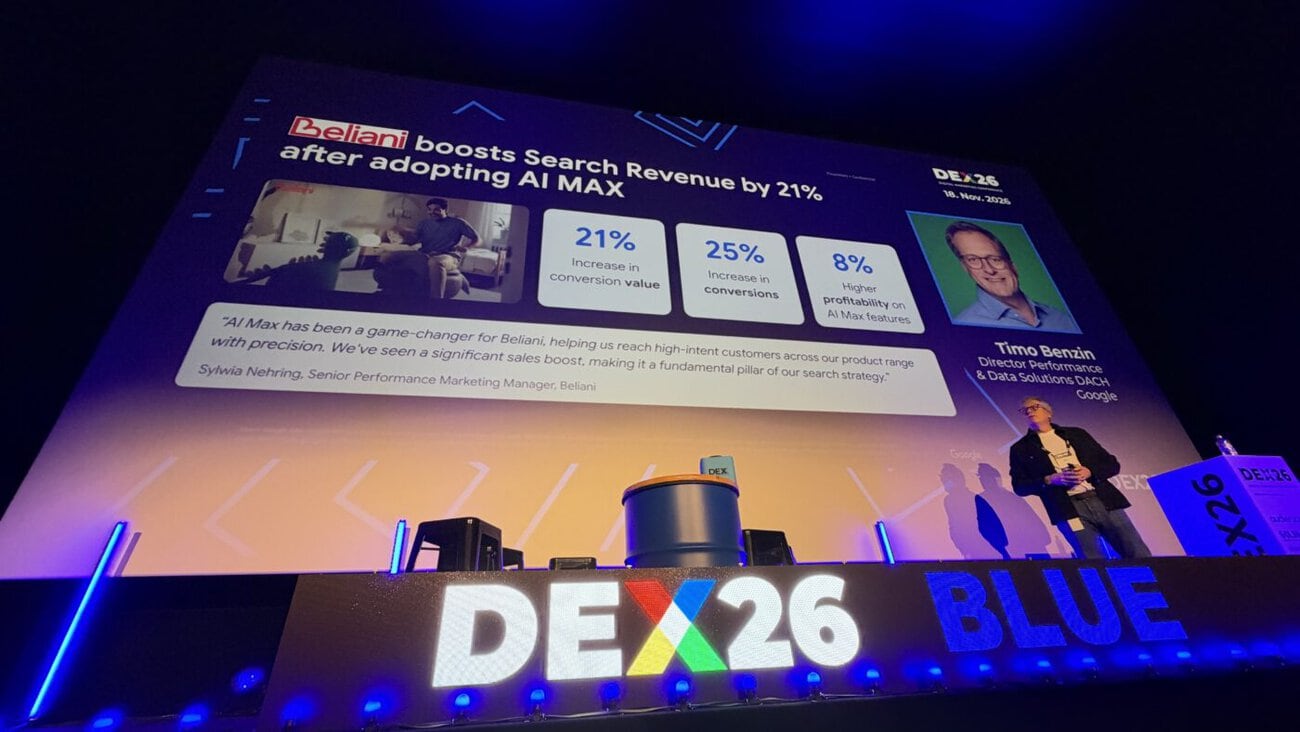
Google shows this AI Max. The technology is designed to match a search query with an ad, customize the ad text, and select an appropriate landing page. For the Swiss online furniture retailer Beliani Does the fall sheet show this after insertion? 25 percent more conversions and 21 percent higher conversion value from. In the example Samsung This involves a different kind of improvement. Using the measurement tools shown, more deals were tracked and categorized. The two case studies illustrate why, when faced with a sea of percentages, you first need to know exactly what is being counted.
Benzin also features a U.S. test with La Roche-Posay. The brand's chat opens within the Google environment, while checkout remains with the retailer. Websites and apps continue to play a central role for him. He believes fewer clicks are possible and focuses on higher-quality visits. Such a visit can be valuable for a store. For an ad-supported publisher, this raises another question. Who bears the cost of the research if the answer provided along the way is sufficient?
Pete is reading along. Blick wants to maintain the relationship.
Ladina Heimgartner brought a character along for that. Her ChatGPT assistant Pete He takes on support tasks for her. He reads, watches, listens, and translates. An avid media consumer who doesn't subscribe to anything. «Our content—that will be the answers from others,» says the CEO of Ringier Media Switzerland and WAN-IFRA President on the Red Stage. In a fireside chat with Matthias Ackeret She explains that she personally tests which Ringier content Pete finds. This includes articles behind the paywall.

Heimgartner describes the situation as a hero's journey. After several successful years, she says, the industry hit rock bottom. Now comes the phase in which it gets back on its feet with the help of allies. In the m&k interview, she goes into more detail. Ringier is investing in building a direct relationship with its audience. and to advertisers. This includes controllable advertising environments, sponsorships, and themed offerings related to entertainment, health, or food. At the same time, the company must master these new tools. When it comes to AI, she points to common technical standards and fair terms for the use of journalistic content.
At View This search for a direct connection is also evident in the real world. Heimgartner recounts how, while scrolling through LinkedIn, she came across a post shared by a third party—twice View-front page. In discussions about expanding Saturday coverage, this is her argument in favor of print. A front page can make it clear what a publication wants to communicate to its audience on a given day. This works even where you’d least expect it—right in the middle of a digital feed.

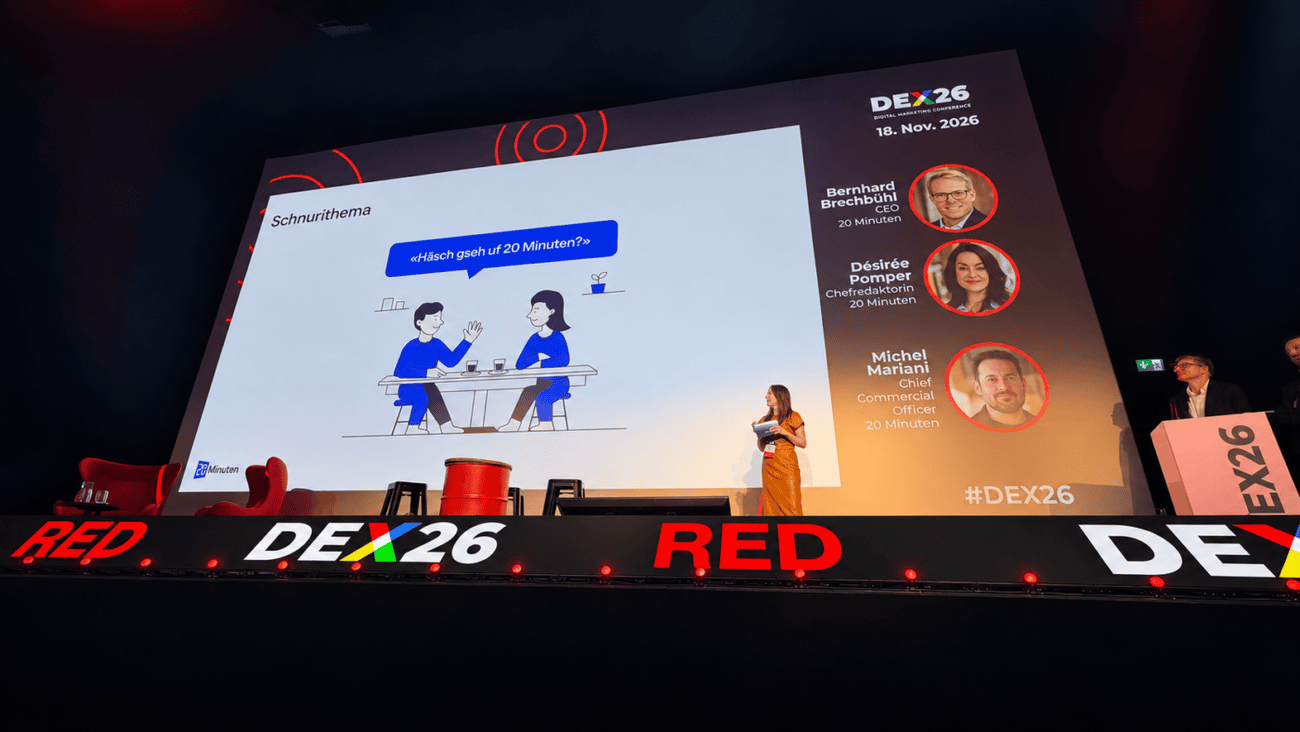
«Did you watch »20 Minuten'?"
Désirée Pomper She prefers to hear, while riding the tram, what people have taken away from a story. «Did you see it on 20 Minuten?» She says in the m&k interview that when she hears that phrase, it means the editorial team has done a good job. To that end, she asks during the morning meeting whether people would pass on a story over coffee. That might be the question behind why youth unemployment is rising. Or the story about Gülsha and the organic vegetables, which other media outlets are picking up.
Like 20 minutes In the interview, Pomper summarizes how to earn trust in three points. «Fact-checking, on-site research, neutrality.» On stage, she shows a viral video of a cyclist on a mountain pass. Another website identifies the location as the Furka Pass. The editorial team verifies the footage using geolocation and checks with the police. The result is Susten Pass. The accompanying text should allow the audience to follow the verification process. In the twelve months leading up to the DEX, the editorial team also reported on more than 50 assignments from about 20 countries, says Pomper. Anyone who is on the ground can share insights that are not yet included in the answers already available.
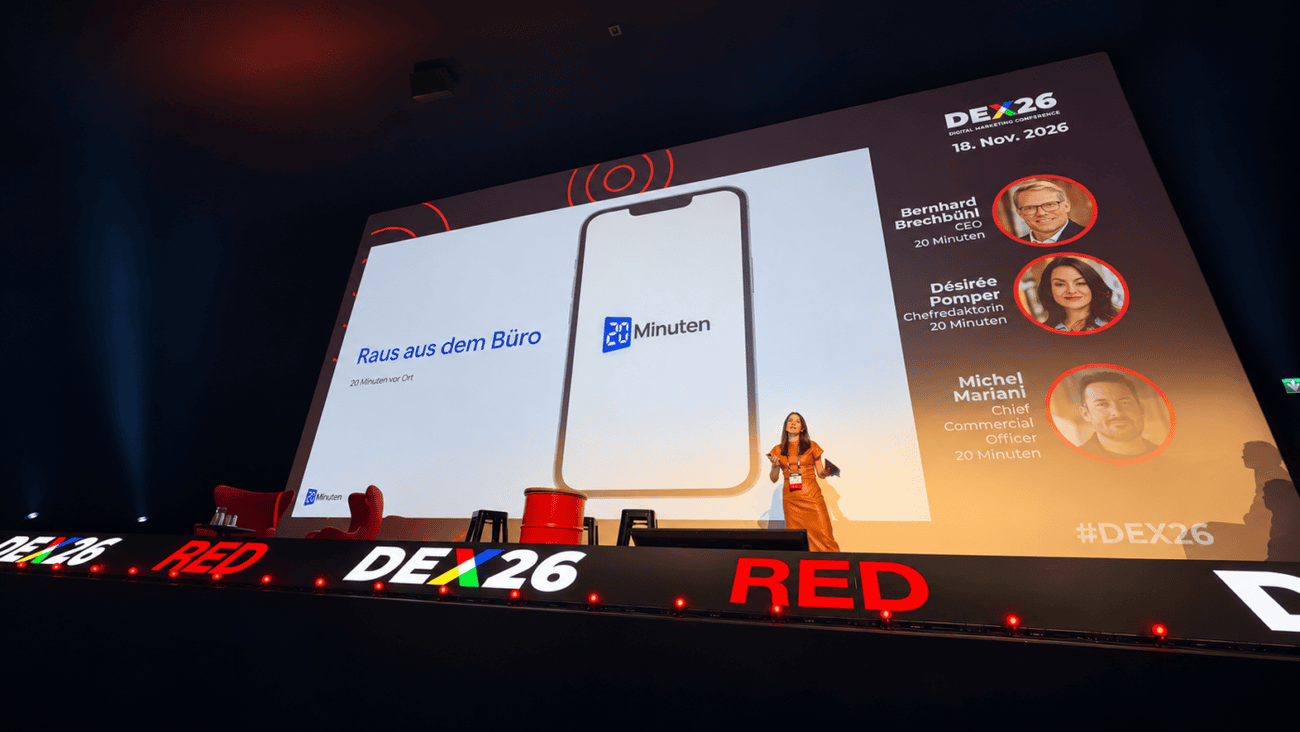
CEO Bernhard Brechtbühl and Head of Marketing Michel Mariani explain the economic foundations of the model. Following the phase-out of print, the editorial merger, and the shift to in-house marketing, the group reported for the first half of 2026 11.7 million Swiss francs in adjusted EBIT ...compared to a loss of 5 million in the same quarter of the previous year. Brechtbühl attributes the improvement to higher digital revenue and lower costs. He describes the phase-out of print itself as having no impact on earnings at the time it was discontinued.
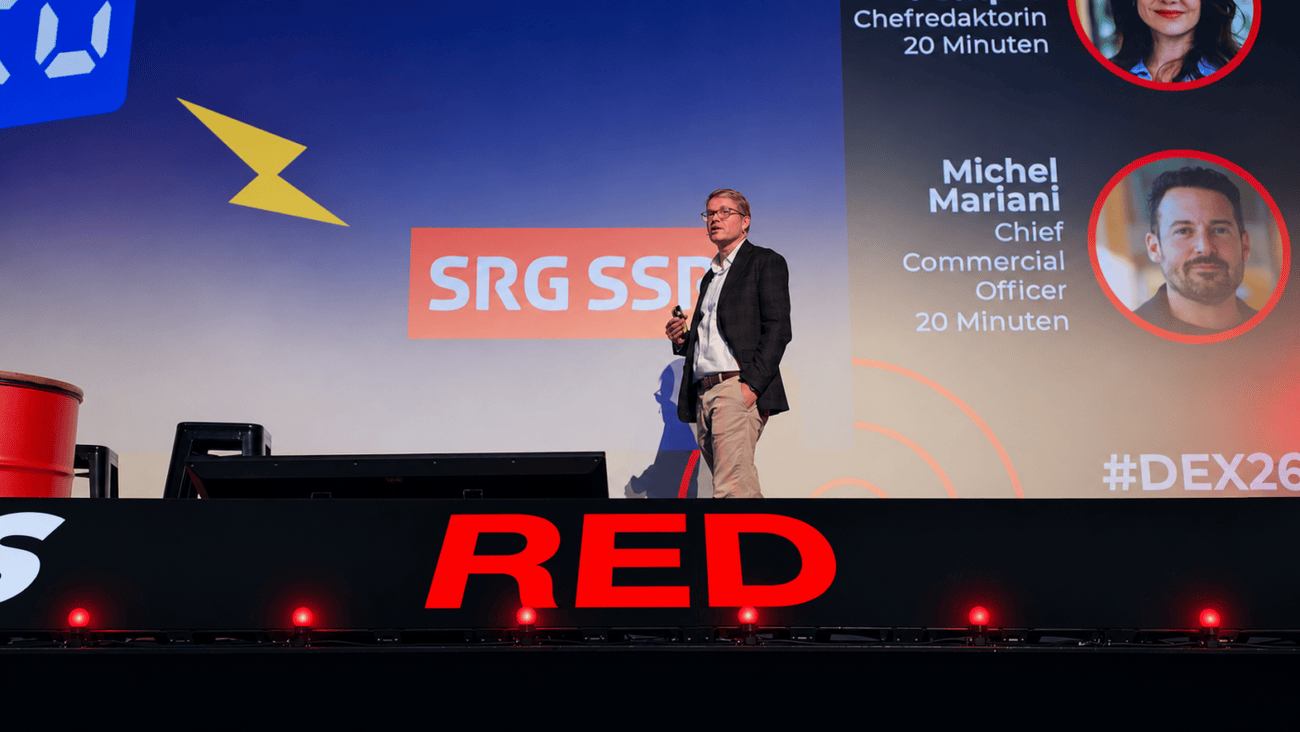
Mariani presents 87 percent direct traffic as well as 36,700 users and 1.8 million tips on the big screen during the World Cup prediction game. The numbers show why the company invests in offerings that keep people coming back to the app.
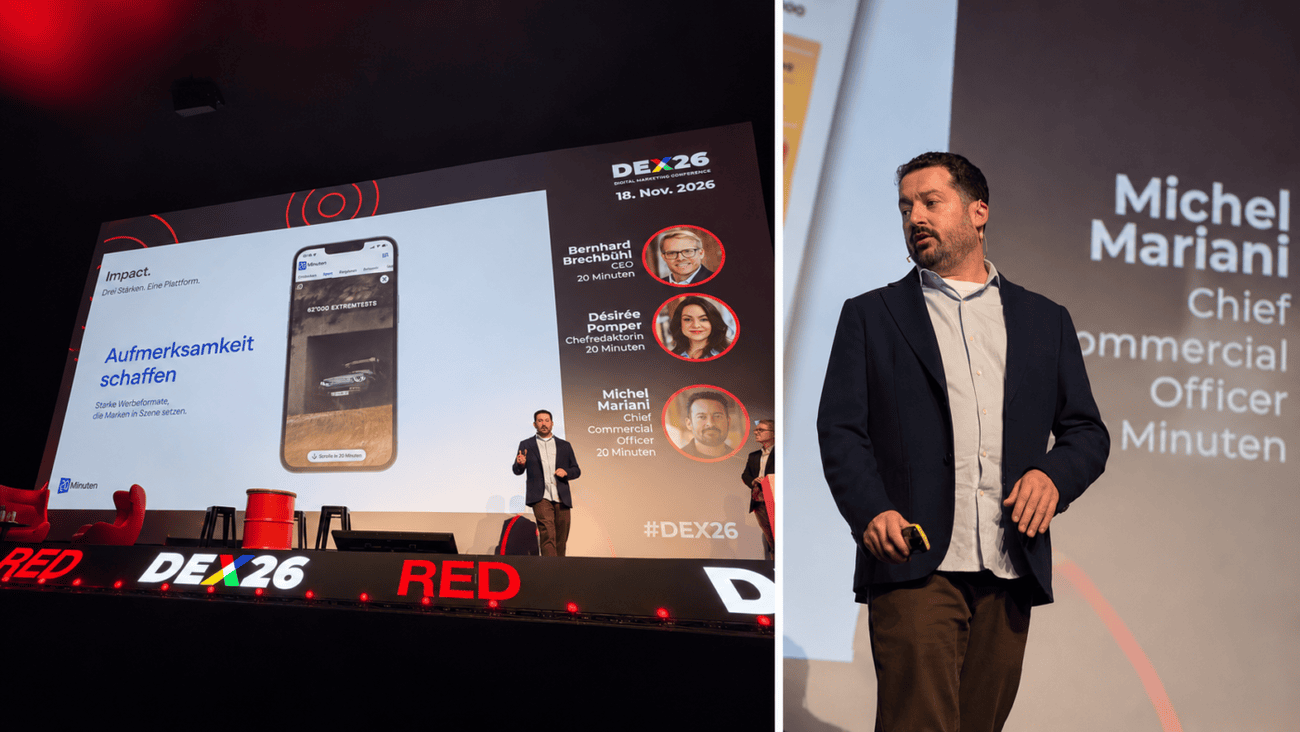
A trailer plays at the end of the performance. 20 Minuten is getting into live entertainment. With «The Show» follows on December 16 At The Hall in Dübendorf, the first in-house live event for about 3,000 guests. The ’Nation’s Campfire« is getting a physical location. In an interview with m&k, Pomper covers everything from commenting and participating via the app to the show itself. The company offers advertisers a trustworthy Swiss environment and room for creative execution.

The next screen is already waiting on the shelf
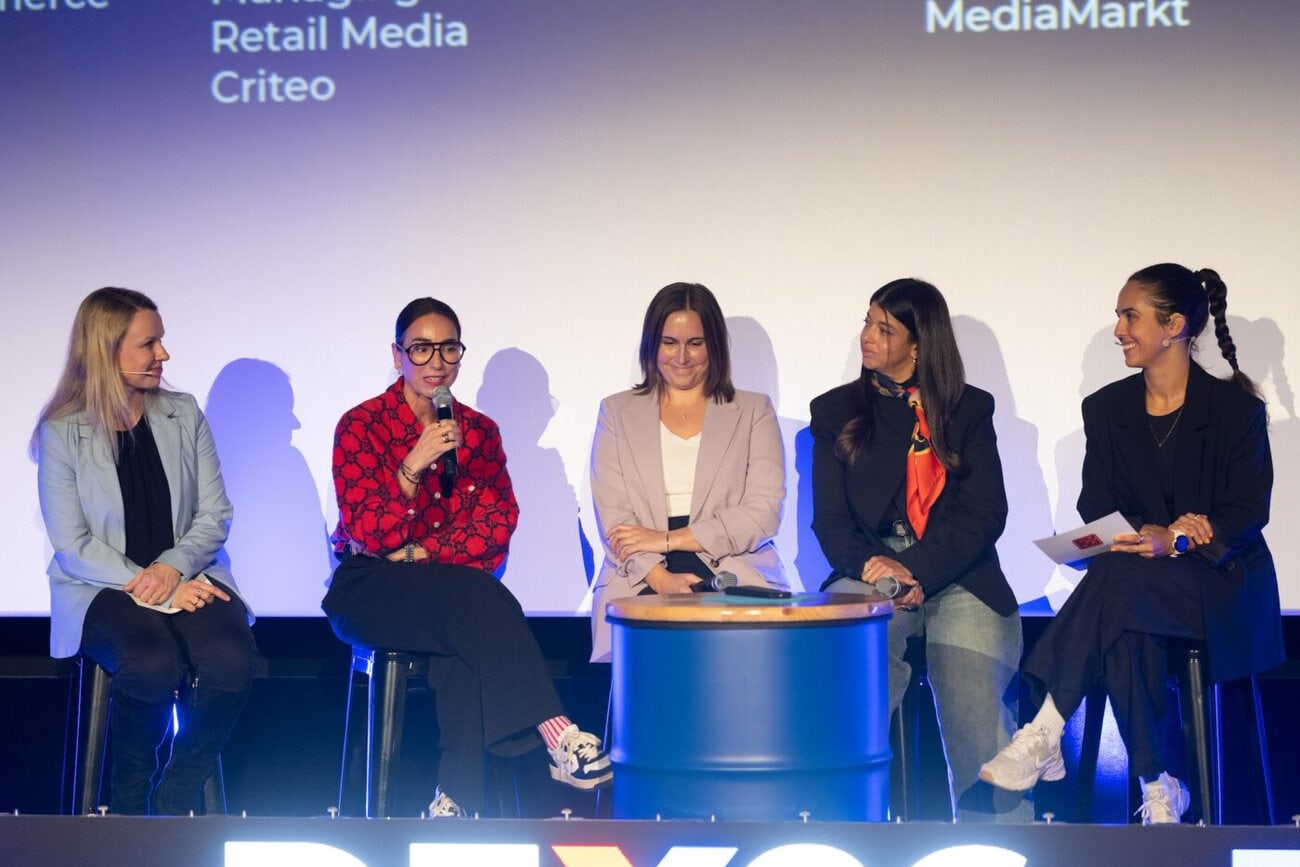
At Retail Media Panel The same question about the relevant moment arises in the retail sector. In the m&k video, four participants discuss this. Two of them focus on new touchpoints enabled by AI and on the development of the Swiss market. Séverine Hubatschek of Migros is implementing this at its stores. With more than one million customers a day, the goal is to help them find their way around. To that end, screens will be installed in locations where the message is relevant to shopping. Migros plans to continue expanding its network. Felicia Wegmann of MediaMarkt She noted that retail media is also becoming attractive to brands whose products aren't even sold in stores, such as insurance companies. To achieve the necessary reach and scalability, she would like to see more collaboration between retailers, agencies, and brands. Also on the panel were Carina Müller by Mediaplus, Corinna Hohenleitner by Criteo and Irina Schmitz from the BVDW.
Zbynek Zapletal by Biggie In the M&K interview, he distinguishes between ads in AI environments—which allow for gaining experience in the short term—and the longer-term development of organic visibility. He expects that, in the future, agents will consolidate more steps leading up to a purchase within a single interface. This explains why Shailley Singh of the IAB Tech Lab puts common technical foundations on the agenda. When platforms, retailers, publishers, and agencies collaborate to shape the same process, the types of data and signals they can exchange become crucial.
What Sticks in Your Mind
DEX delivered on content. The setup, supported by sponsors and partners, brought international platforms, Swiss media companies, and specific campaigns together under one roof. It was precisely this density that made the day so productive. It was also exhausting. With its auditoriums and short distances between venues, KINOKONI gives the event its own unique character. Acoustically, the packed foyer presents a challenge. A video interview requires a quiet spot, and by evening, some people were pretty wiped out after all the presentations and conversations.
Creativity deserved more stage time that day. The DEX provides a detailed look at how visibility, exposure, and measurement are changing. When it comes to what ideas people will later associate with a brand, there is still room for improvement. Niklas Wilsing of Readpeak In the m&k interview, he frames it from two perspectives. AI models capture content. People commit it to memory. When many brands use similar tools to produce more and more variations of the same message, the established market leader has the edge. For challengers, a distinctive idea becomes the lifeblood of memory and trust.
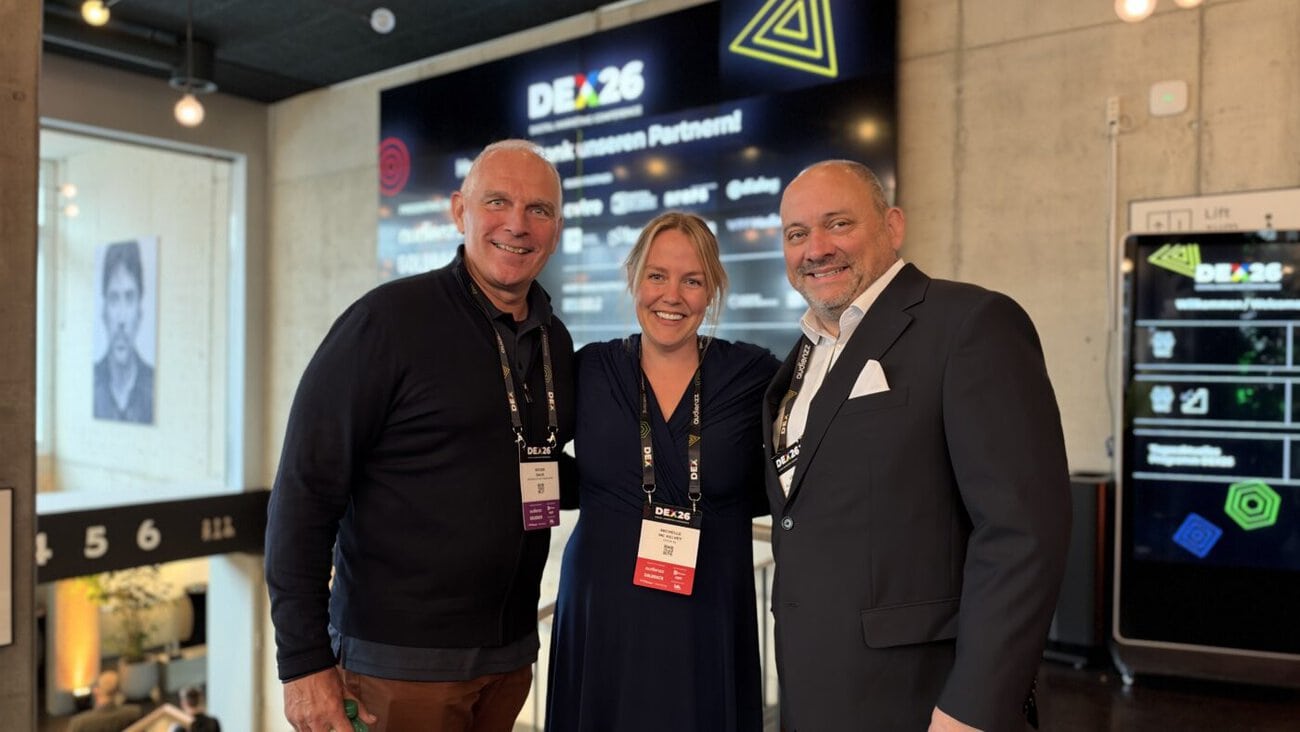
Urs Flückiger, Managing Director of IAB Switzerland, says in an interview with m&k how pleased he is with the positive response. He talks about the familiar faces he sees again and the new ones appearing on stage. In the press release, he sums it up this way: «And even in the age of AI, networking will never lose its importance.» That statement takes on a very concrete meaning this evening. An assistant can find the way to the fondue. But what’s discussed at the table is up to the people sitting there.
m&k-Service | 10 Takeaways from DEX26 for Everyday Marketing
- Consider the additional effects of advertising. Using Shopify as an example, Daniel Knapp demonstrated how to measure the impact of individual channels by pausing advertising. For your next campaign, plan to exclude a comparable region or target audience from the ad delivery. Before launching, determine how you’ll measure the additional impact—for example, by orders or qualified leads.
- Write out your questions in full. Michelle McKelvey brought the concept to life with an example from Zurich. In ChatGPT, someone asks about a Christmas market near the train station, a vegetarian fondue, and a budget of 40 francs. Collect such questions from your consulting and customer service interactions. On your service pages, also address the factors that tip the scales when customers are making a decision.
- Turn customer objections into discoverable content. «Good SEO is good GEO,» said Google’s Timo Benzin. His recommendations for AI search also include videos, tests, and customer testimonials. Take an objection that comes up time and again in sales conversations and address it on your website with a concrete example, a short video, or a verifiable experience.
- Treat the product feed like a storefront. Benzin emphasized the value of your own data and detailed product information. Check your best-selling products to make sure that the prices, variants, availability, and suitability listed in the feed match those on the website. Include details that customers frequently ask about when making a purchase.
- Consider the context in which your message will be received. Ladina Heimgartner presented a survey in which news media ranked higher in terms of trust than search engines, social media, and AI chatbots. For a campaign that requires explanation, include an editorial setting in your media test. In addition to reach, measure whether the message is understood.
- Get content that's created exclusively on-site. Désirée Pomper explained that *20 Minuten* covers major events because of the value of firsthand information. At your next event, plan to include an observation, a demonstration, or an interview that brings your story to life. Your own firsthand account gives readers a reason to read your article in particular.
- Give the audience a reason to come right back. In its presentation, 20 Minuten reported 87 percent direct traffic and highlighted its push notifications. For your own newsletter or app, choose a recurring event that matters to your target audience. After four weeks, track how many people open it again or visit directly.
- Turn content into something people can try out. Pompers' examples ranged from name comparisons to long-weekend calculators. Pick a common question and build a small calculator, comparison tool, or self-test around it. See how many people use it to get the result. That will show you whether the feature is useful in everyday life.
- Test two media plans using the same commercial. In the Supradyn case study, the same 15-second ad ran on YouTube—once in video environments selected by target audience and once in those selected by persona. The target audience plan generated more full views, while the persona plan generated more interactions. Before booking, determine which response matters most for this campaign, and keep the creative consistent throughout the test.
- Plan retail media around the moment of purchase. During the m&k discussion at the Retail Media Panel, Migros’ in-store screens served as an example of how advertising can appear at just the right moment. Walk through a typical shopping route and see where your message can help customers make a decision. Then test a placement with a clear goal, such as increasing sales of the advertised product.